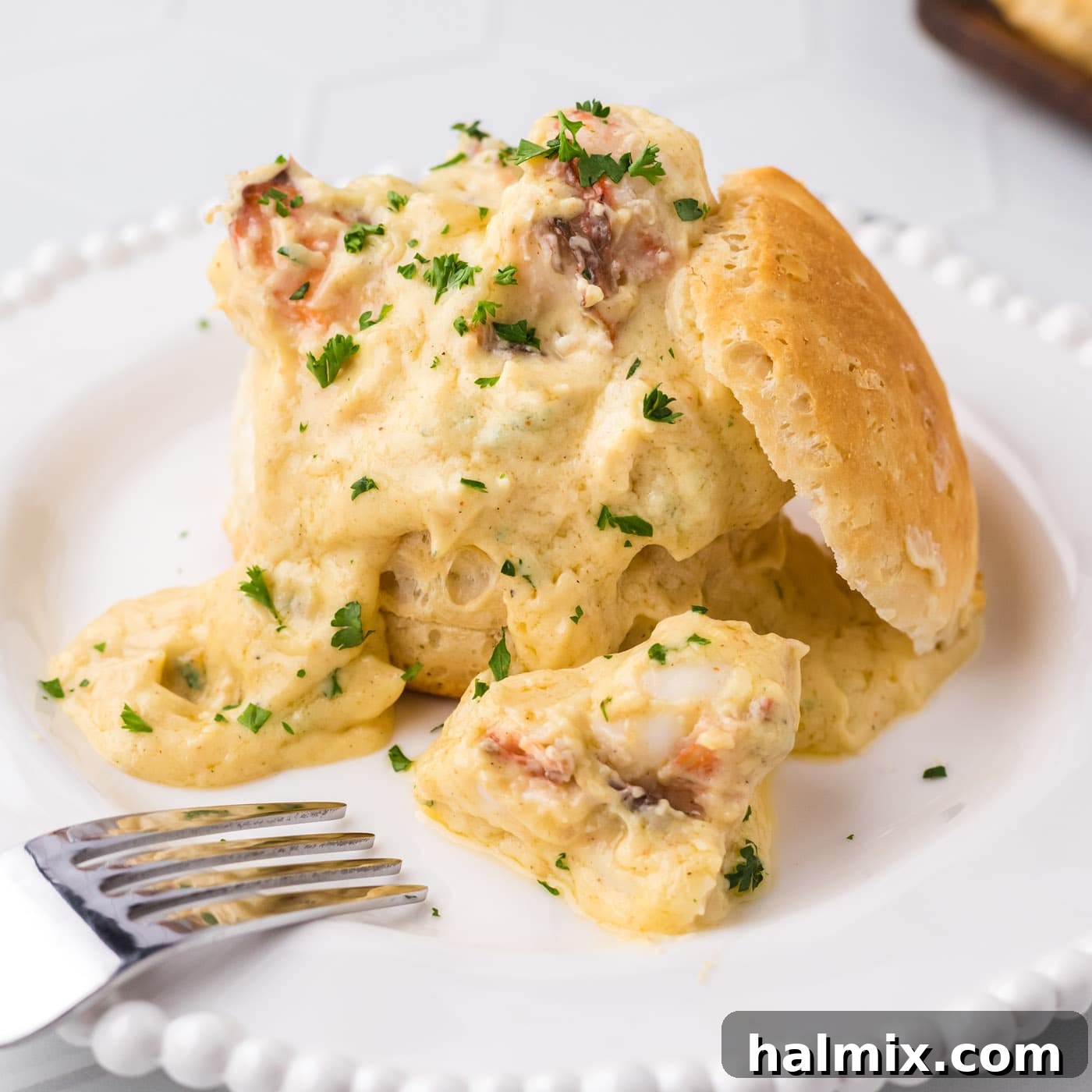
Indulge in a truly exquisite culinary experience with our Lobster Newburg recipe. This classic dish features succulent chunks of buttery lobster tails, bathed in a velvety, rich cream sauce that promises to be the highlight of any meal. Its decadent flavors and luxurious texture make it a timeless favorite, perfect for special occasions or when you simply crave something extraordinary.
Why This Lobster Newburg Recipe is a Culinary Gem
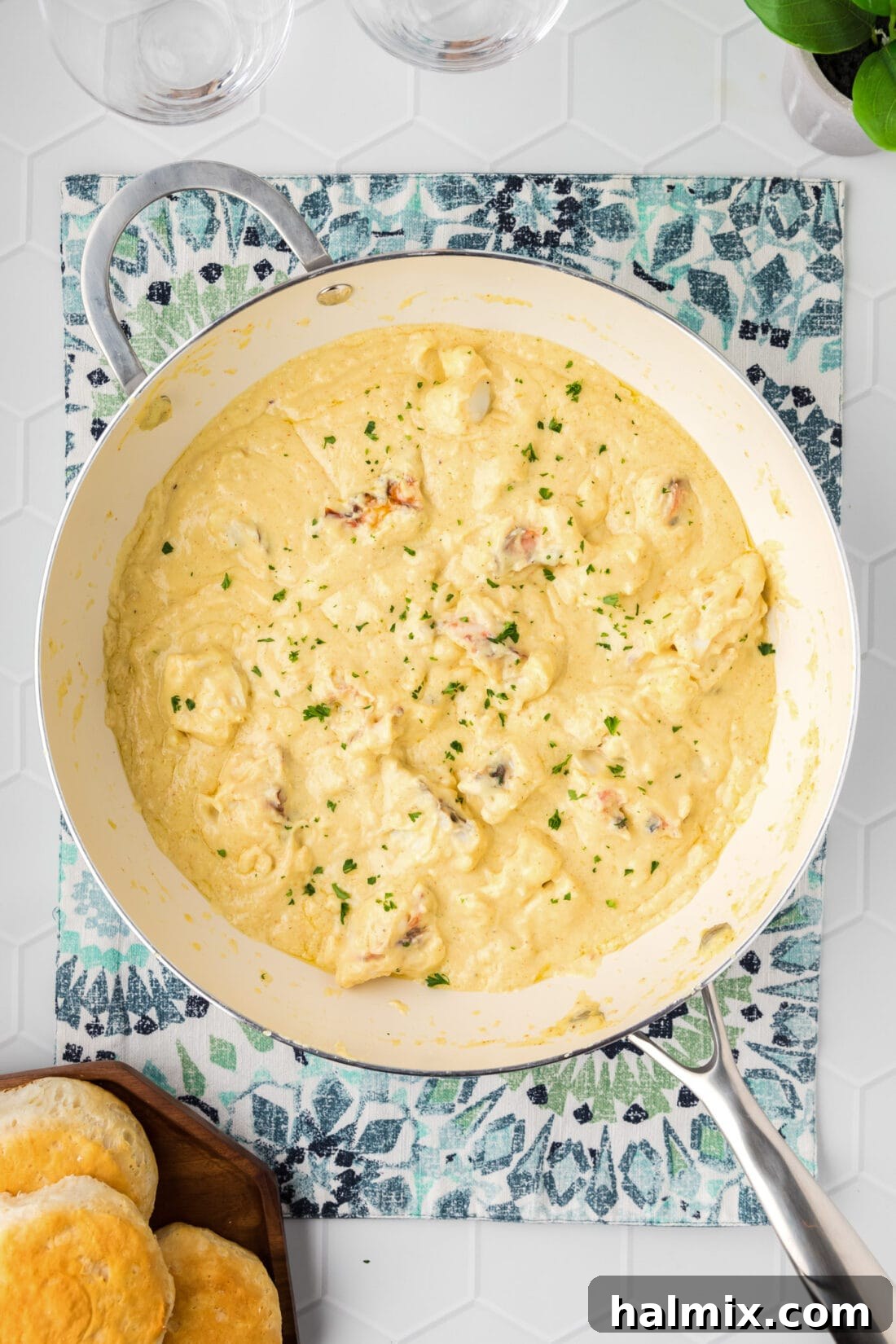
Lobster Newburg stands as a testament to classic American seafood cuisine, renowned for its unparalleled richness and sophisticated flavor profile. What makes this particular recipe so exceptional is its perfect balance of textures and tastes: tender, sweet lobster meat enveloped in a smooth, creamy sauce, subtly enhanced with a hint of Cognac and the luxurious depth of egg yolks. Unlike many seafood dishes, Lobster Newburg offers a consistency that is both elegant and incredibly satisfying.
While often compared to Lobster Thermidor due to their shared creamy base, Newburg distinguishes itself with a more delicate, uniform sauce and a focus on the pure essence of lobster. Thermidor often includes a gratinéed topping and mustard, providing a sharper, more intensely savory character. Our Newburg recipe, however, allows the natural sweetness of the lobster to shine, complemented by the gentle warmth of spices and the subtle complexity of Cognac. It’s a dish designed to impress, offering a truly gourmet experience that’s surprisingly accessible to prepare. Whether served at an intimate dinner party or a grand celebration, its luxurious appeal is undeniable, making it an unforgettable addition to your culinary repertoire.
Essential Ingredients for Your Decadent Lobster Newburg
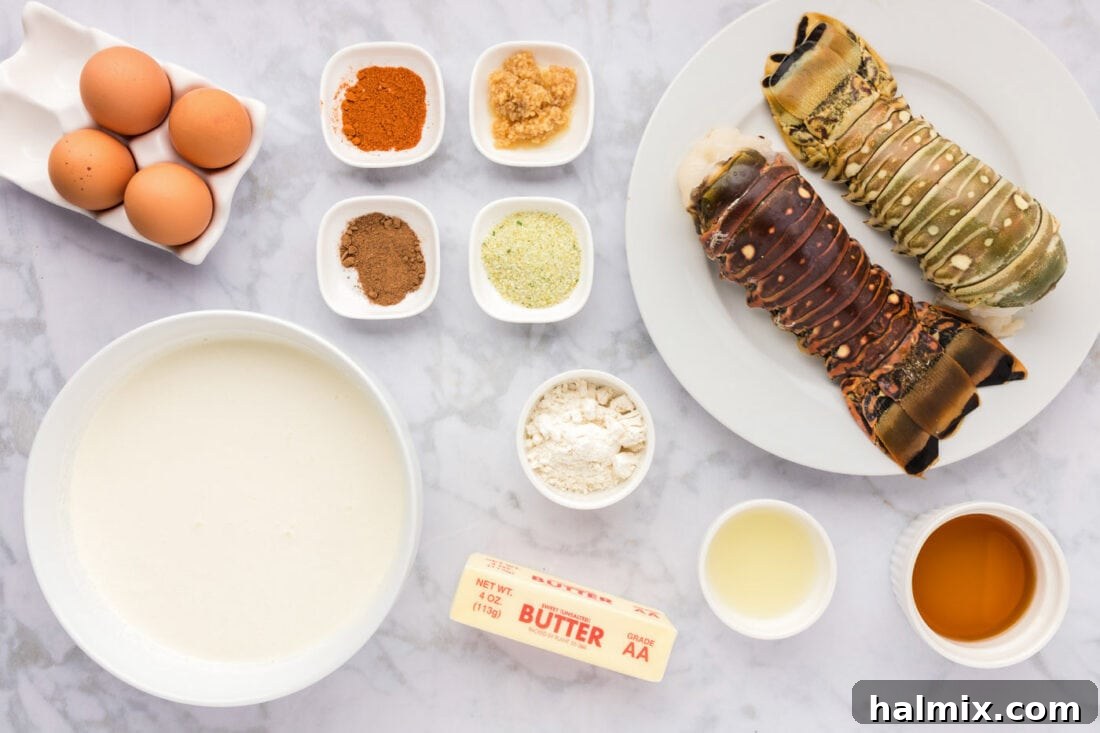
Crafting the perfect Lobster Newburg begins with selecting the finest ingredients. Each component plays a vital role in building the layered flavors and luxurious texture that define this classic dish.
Ingredient Spotlight and Smart Substitutions
- Lobster: The Star of the Show
For an authentic Lobster Newburg, fresh, high-quality lobster is non-negotiable. We recommend using large lobster tails, as they provide generous, tender chunks of meat. Preparing your lobster can be done in various ways; for a perfect texture, consider following our steamed lobster tail instructions. The goal is perfectly cooked, not rubbery, lobster meat that will absorb the rich sauce beautifully. Frozen lobster tails are a convenient option if fresh is unavailable, just ensure they are fully thawed before cooking. - The Luxurious Cream Sauce Base
The heart of Lobster Newburg is its incredibly smooth and rich cream sauce. Heavy whipping cream is the traditional choice, delivering unparalleled richness and body. A foundational roux (butter and flour mixture) helps thicken the sauce to a silky consistency. While heavy cream is preferred, if you’re looking to reduce calories, whole milk can be used, though it may result in a slightly thinner sauce, requiring a bit more flour to achieve the desired thickness. Ensure your cream sauce mixture is slightly thickened but still pourable. If it becomes too thick, a splash of extra cream or milk can easily thin it down. - Cognac and Flavor Enhancers
Cognac is a traditional ingredient that elevates the sauce with its distinctive notes of fruit and oak, adding a layer of sophisticated depth. If Cognac is not available or you prefer to avoid alcohol, you have excellent alternatives. Brandy offers a similar fruity warmth, while a dry sherry or even a high-quality seafood stock can provide a delicious complexity without the alcohol. Freshly minced garlic, a touch of garlic salt, and a pinch of warming nutmeg and fiery cayenne pepper create a harmonious blend that perfectly complements the lobster. The cayenne, while seeming generous, is mellowed significantly by the heavy cream, imparting a gentle warmth rather than intense heat. Finally, a squeeze of fresh lemon juice brightens the entire dish, cutting through the richness with a vibrant, zesty finish. - Egg Yolks: For Silkiness and Stability
Egg yolks are crucial for achieving the signature velvety texture and slight richness of Lobster Newburg. They act as an emulsifier and thickener, contributing to the sauce’s smooth mouthfeel. The key is proper tempering, which we’ll discuss in detail, to prevent them from scrambling and ensure a perfectly uniform sauce.
Crafting Your Own Decadent Lobster Newburg: Step-by-Step
These step-by-step photos and instructions are here to help you visualize how to make this exquisite recipe. For the full printable recipe card with precise measurements, please scroll to the bottom of this post.
- Prepare the Lobster: Begin by cooking your lobster tails to perfection. For guidance, refer to our steamed lobster tail instructions. Once cooked, allow the lobster to cool slightly, then carefully remove the meat from the shells and cut it into luscious, bite-sized chunks. Set aside.
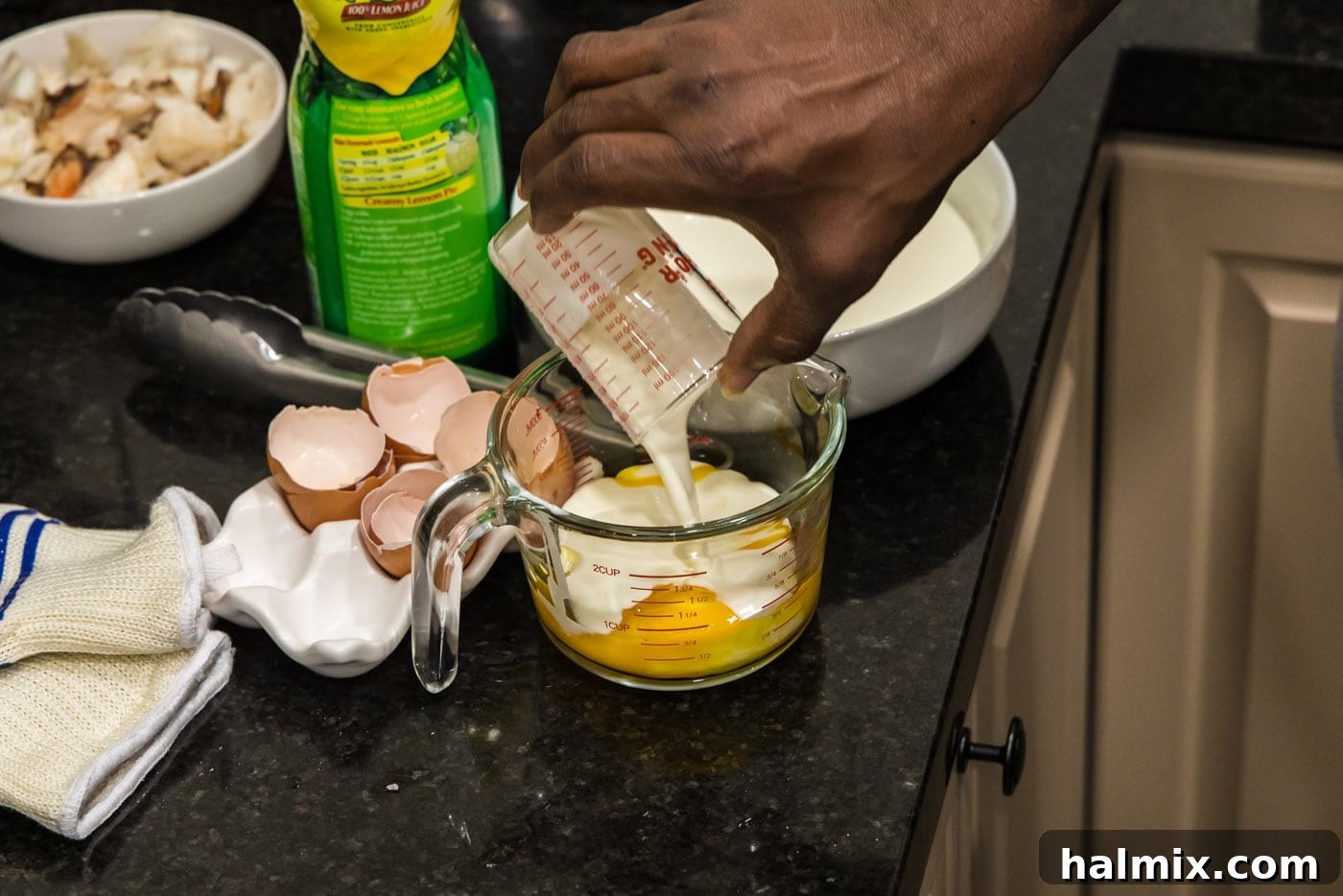
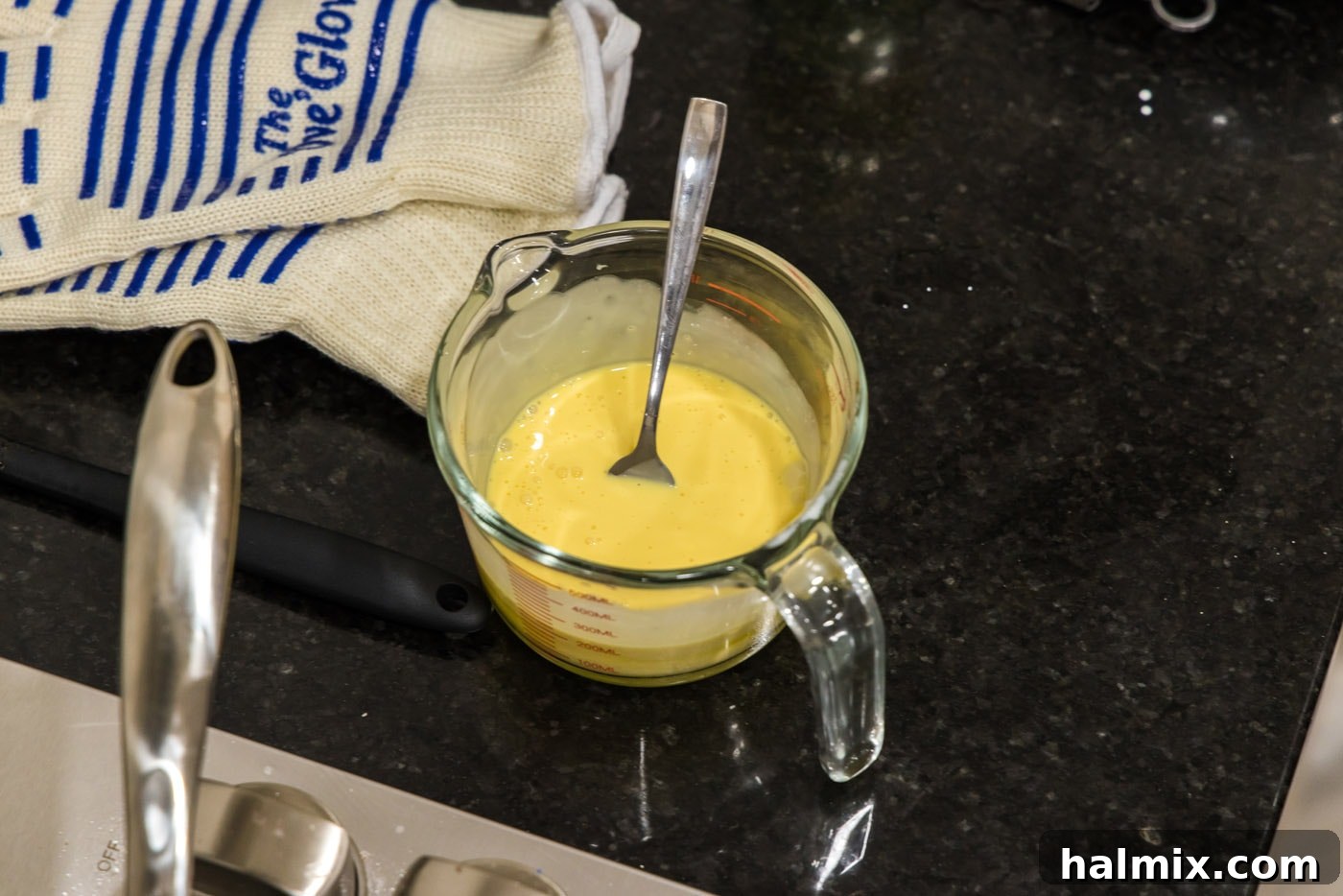
- Prepare the Egg Mixture: In a measuring cup, place the four large egg yolks. Add 2 tablespoons of the heavy cream to the yolks and whisk vigorously with a fork until thoroughly combined and smooth. This mixture will be tempered later to enrich the sauce.

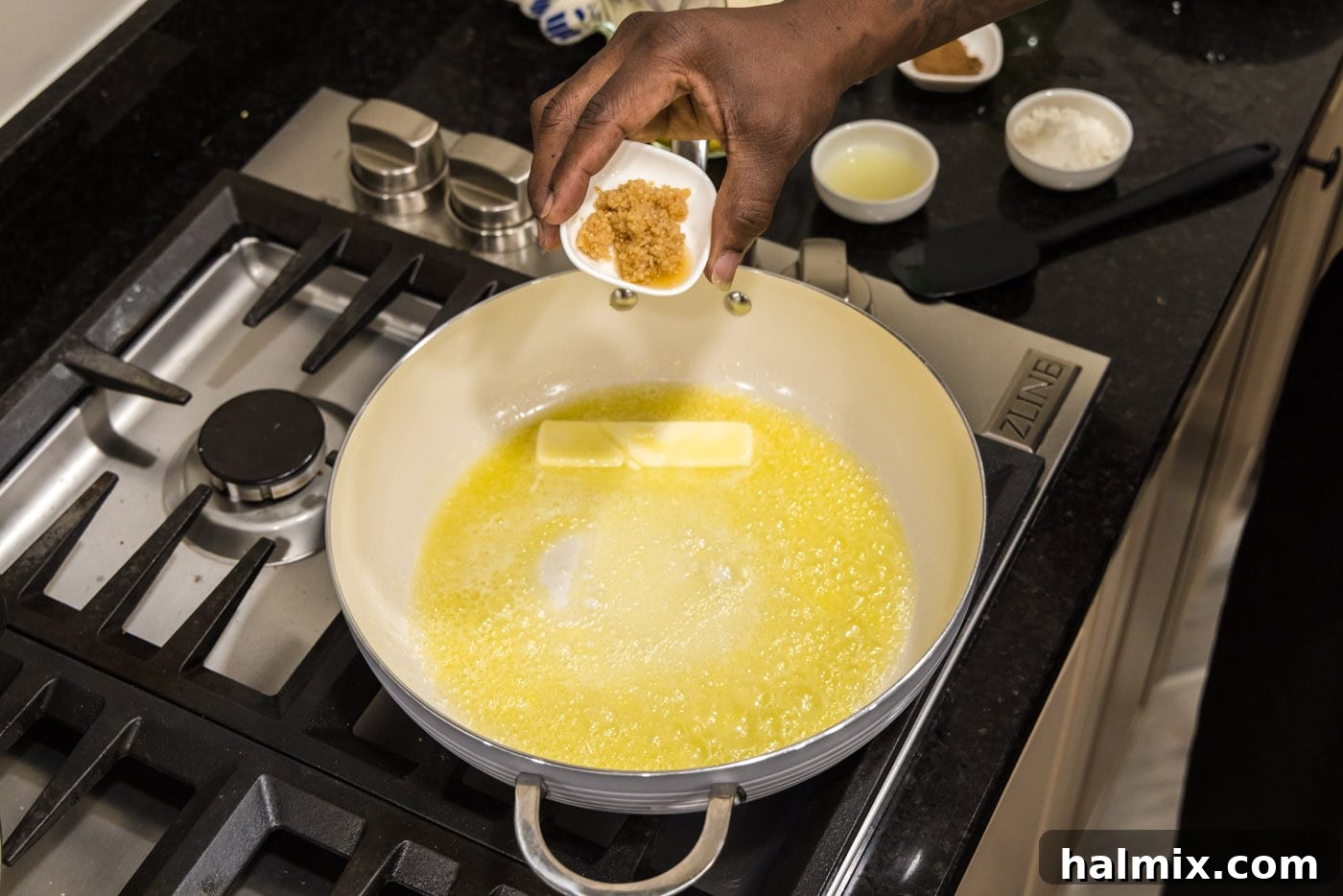
- Start the Roux: In a large, heavy-bottomed skillet, melt the butter over medium-high heat. The heavy bottom helps distribute heat evenly, preventing scorching.
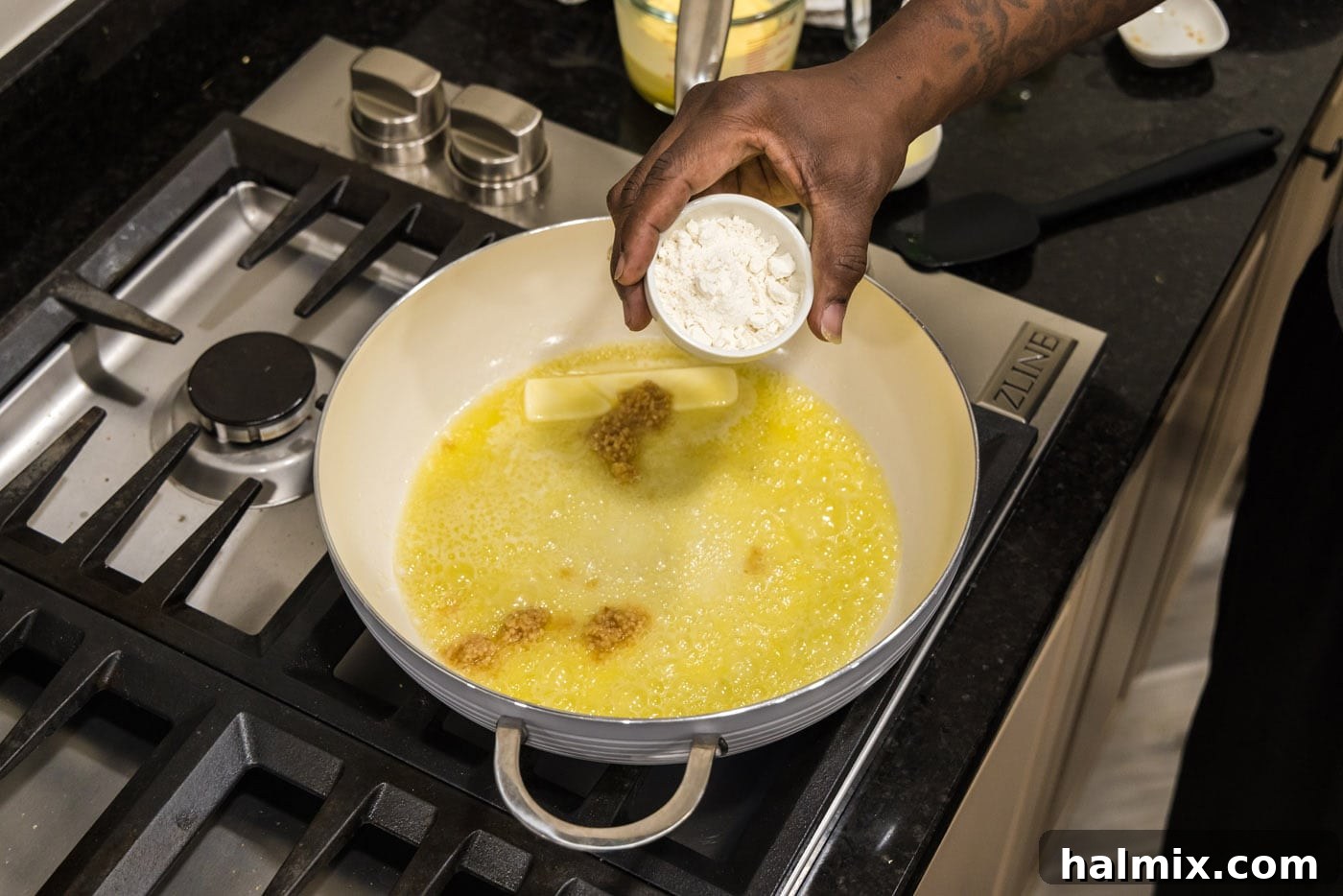
- Sauté Garlic and Add Flour: Add the minced garlic to the melted butter and sauté for just 1 minute until fragrant. Be careful not to let the garlic brown. Immediately sprinkle in the all-purpose flour and stir continuously for another minute to create a smooth roux. This forms the base for thickening our sauce.
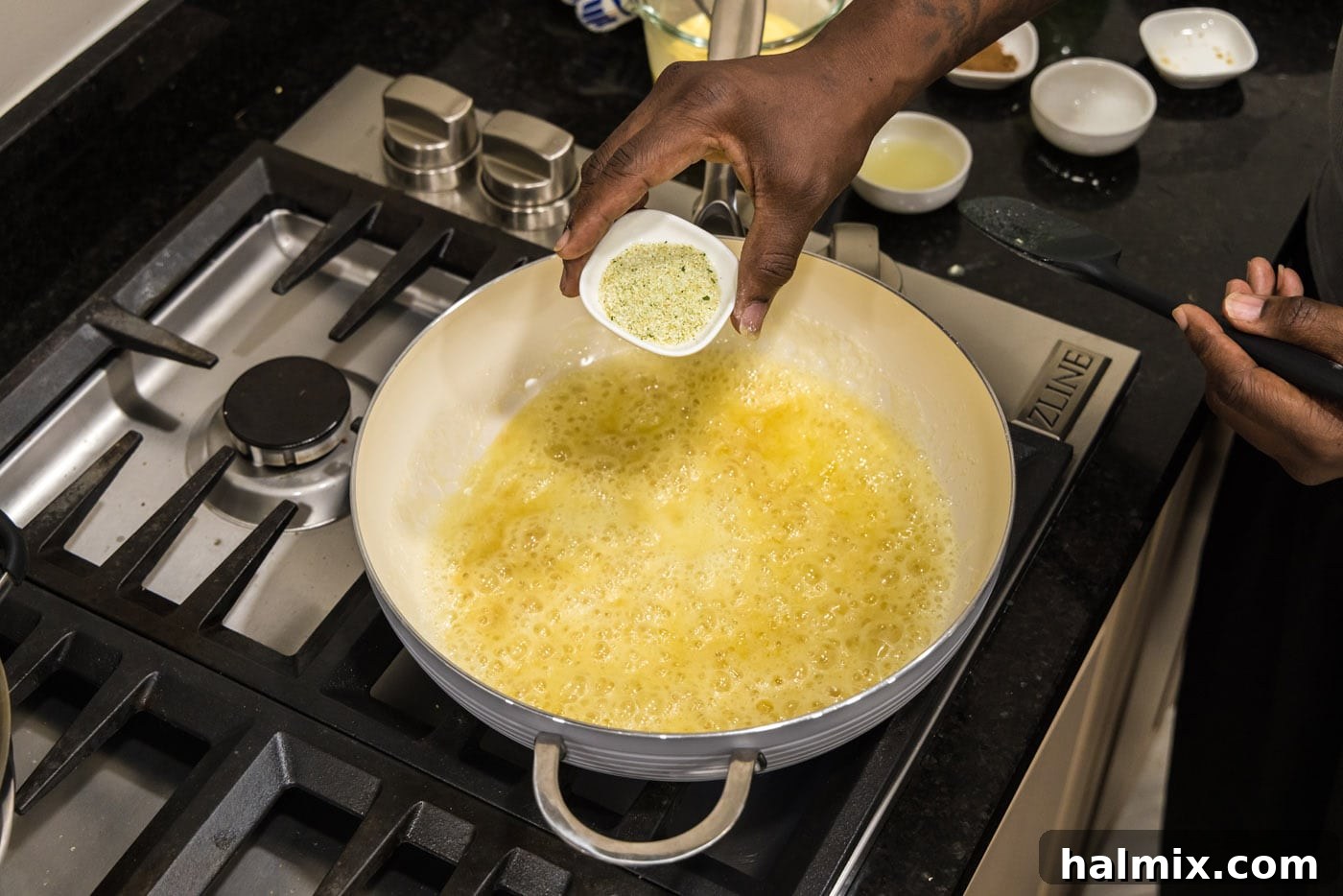
- Season the Roux: Stir in the garlic salt, ensuring it’s well combined with the butter and flour mixture. This builds the initial layer of seasoning.
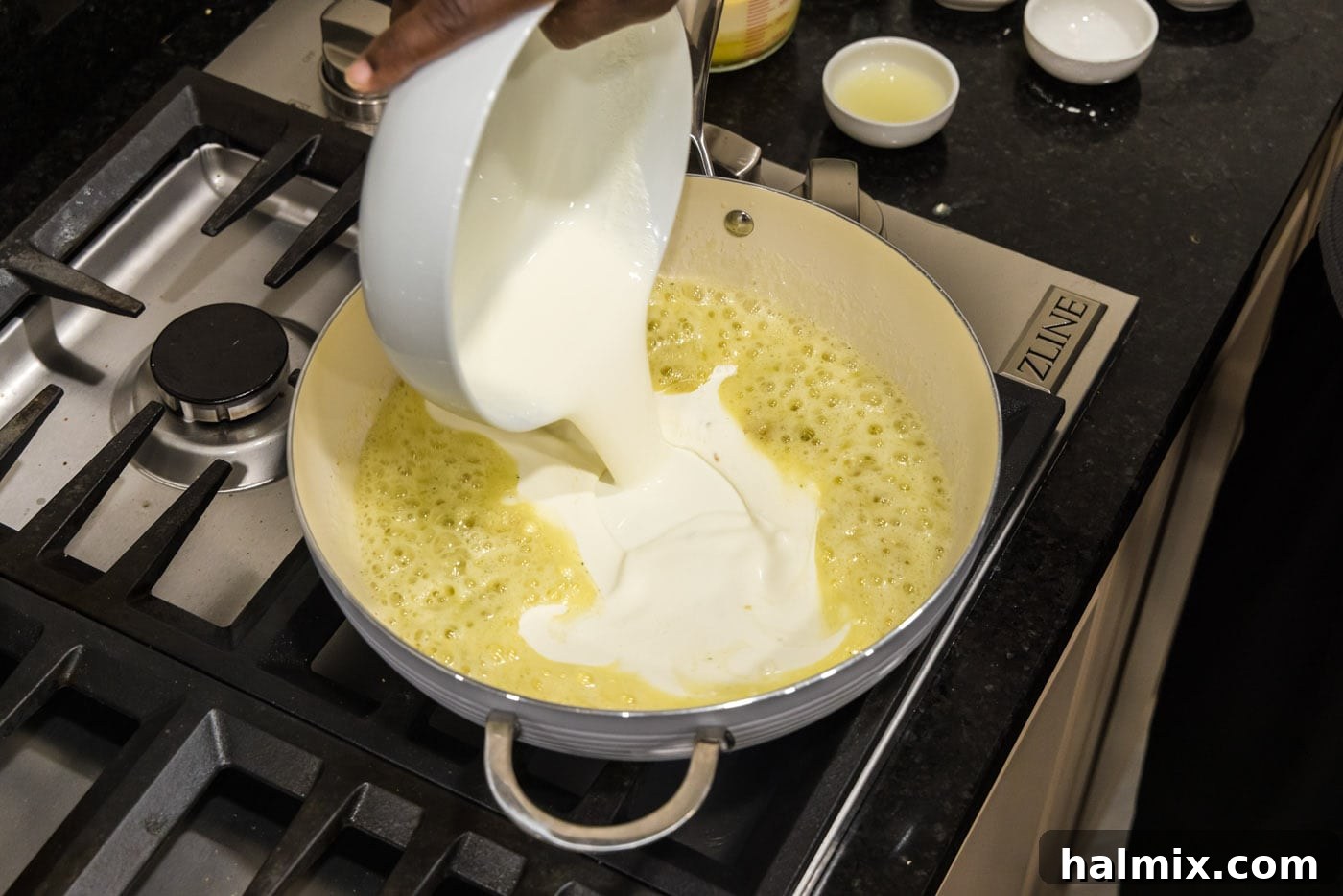
- Incorporate Cream: Slowly pour in the remaining heavy cream, whisking constantly to prevent lumps. Bring the mixture to a gentle boil, then reduce the heat to low. Continue to whisk until the sauce begins to thicken slightly.
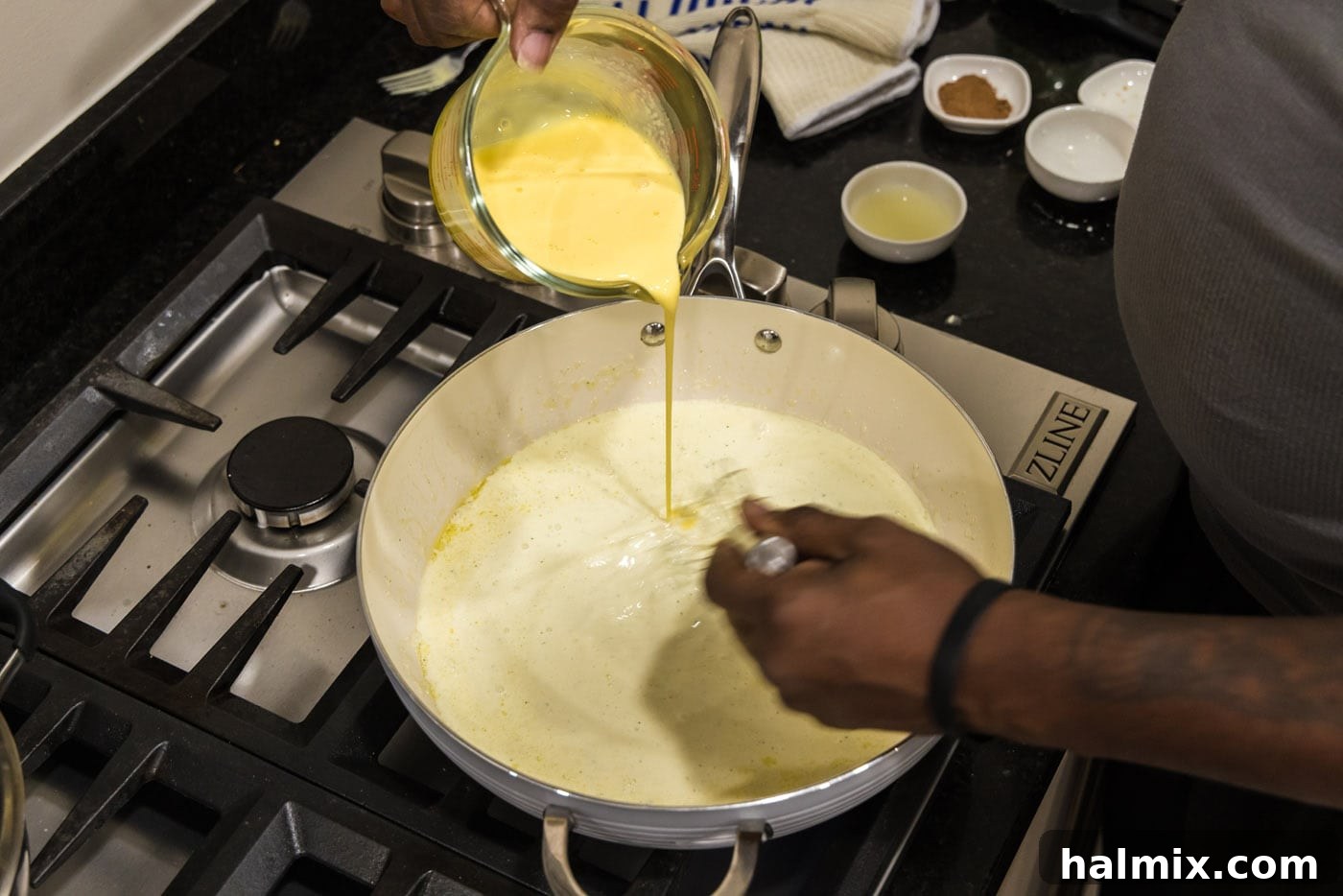
- Temper the Eggs: This is a crucial step for a silky sauce. While continuously whisking the hot cream mixture, slowly drizzle in the prepared egg and cream mixture. The slow addition and constant whisking gradually raise the temperature of the egg yolks without cooking them directly, preventing scrambling. This process is called tempering and is essential for a smooth, cohesive sauce.
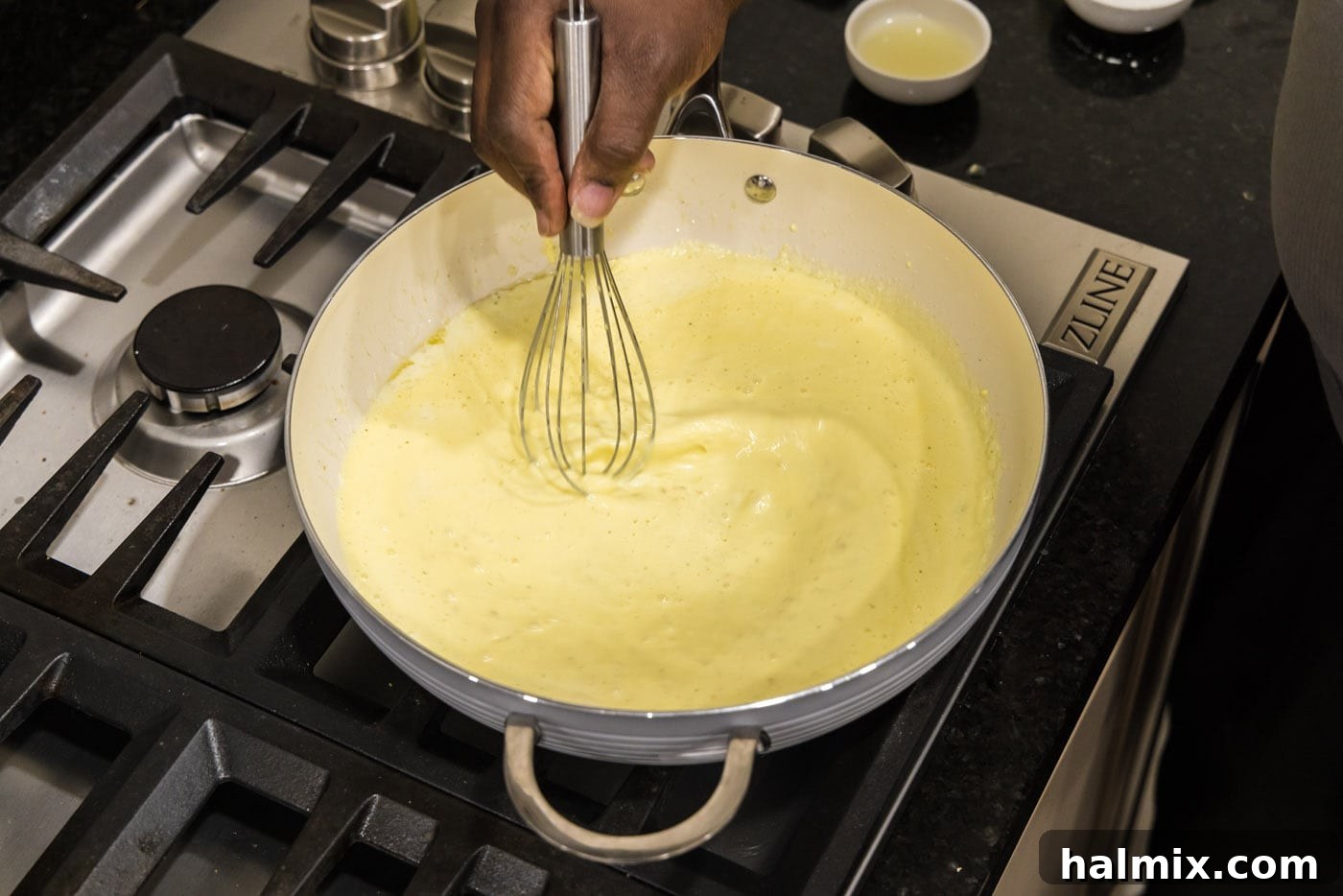
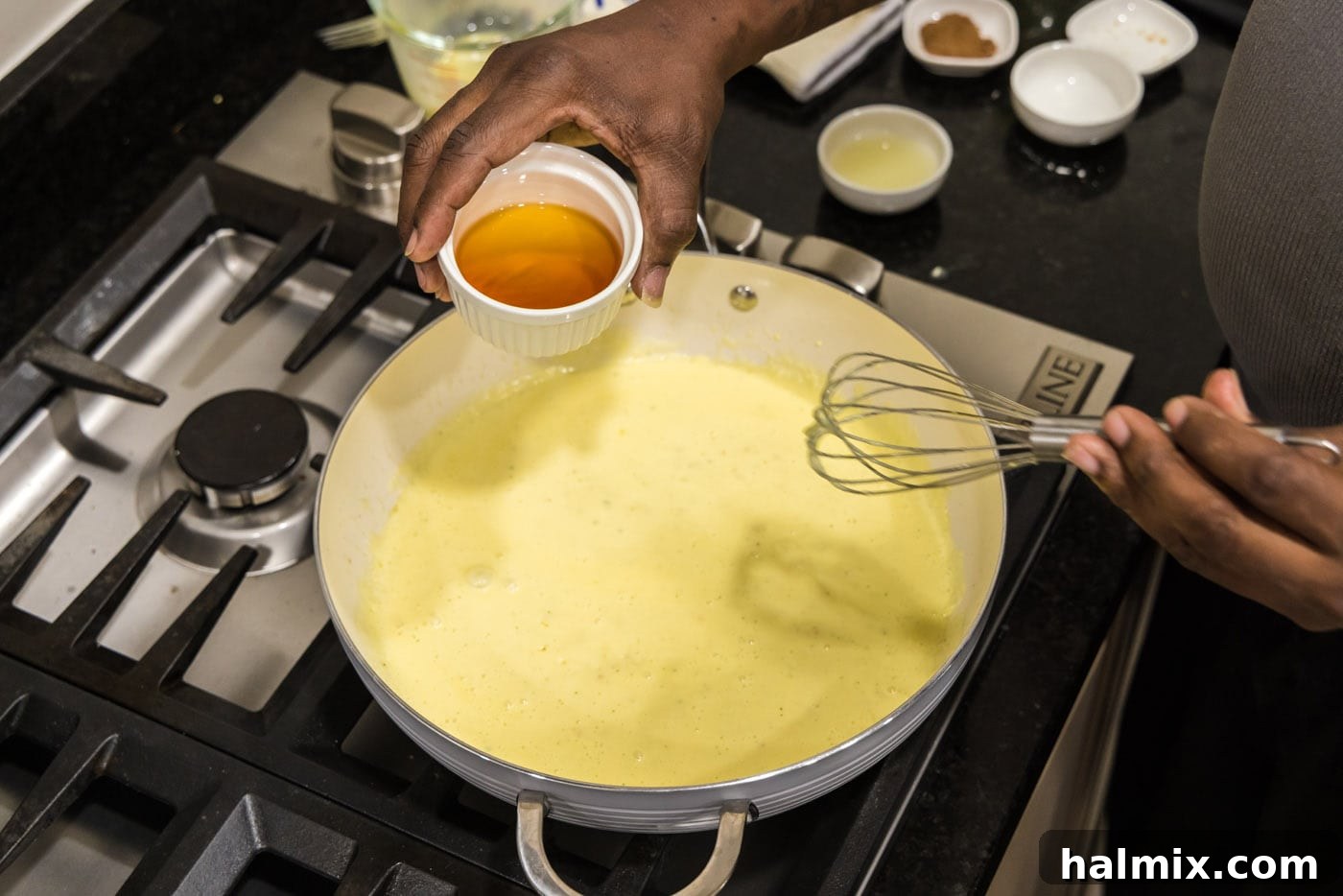
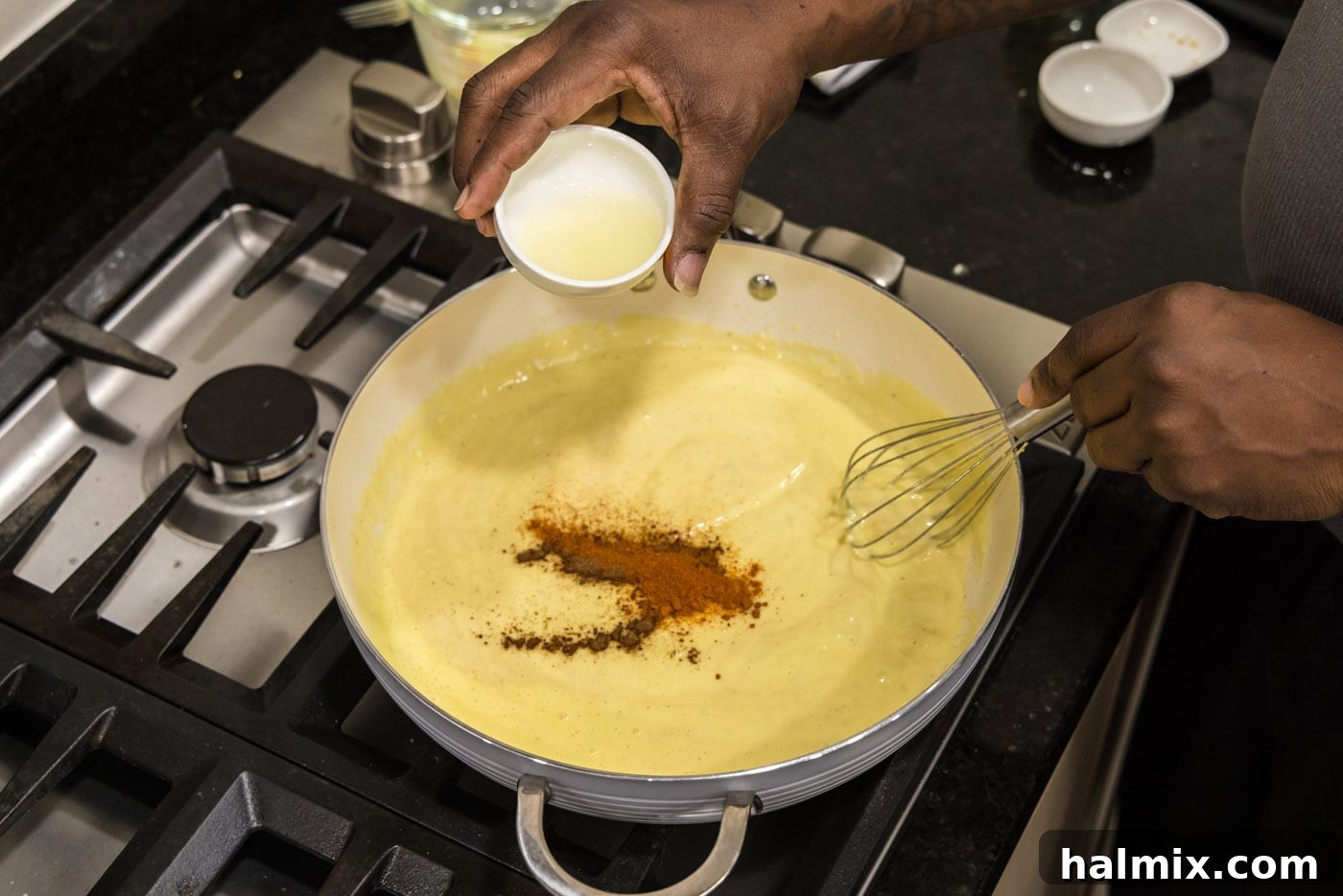
- Add Final Flavorings: Whisk in the Cognac (or your chosen substitute), nutmeg, cayenne pepper, and fresh lemon juice. Stir well to integrate these aromatic additions into the creamy sauce, allowing their flavors to meld.
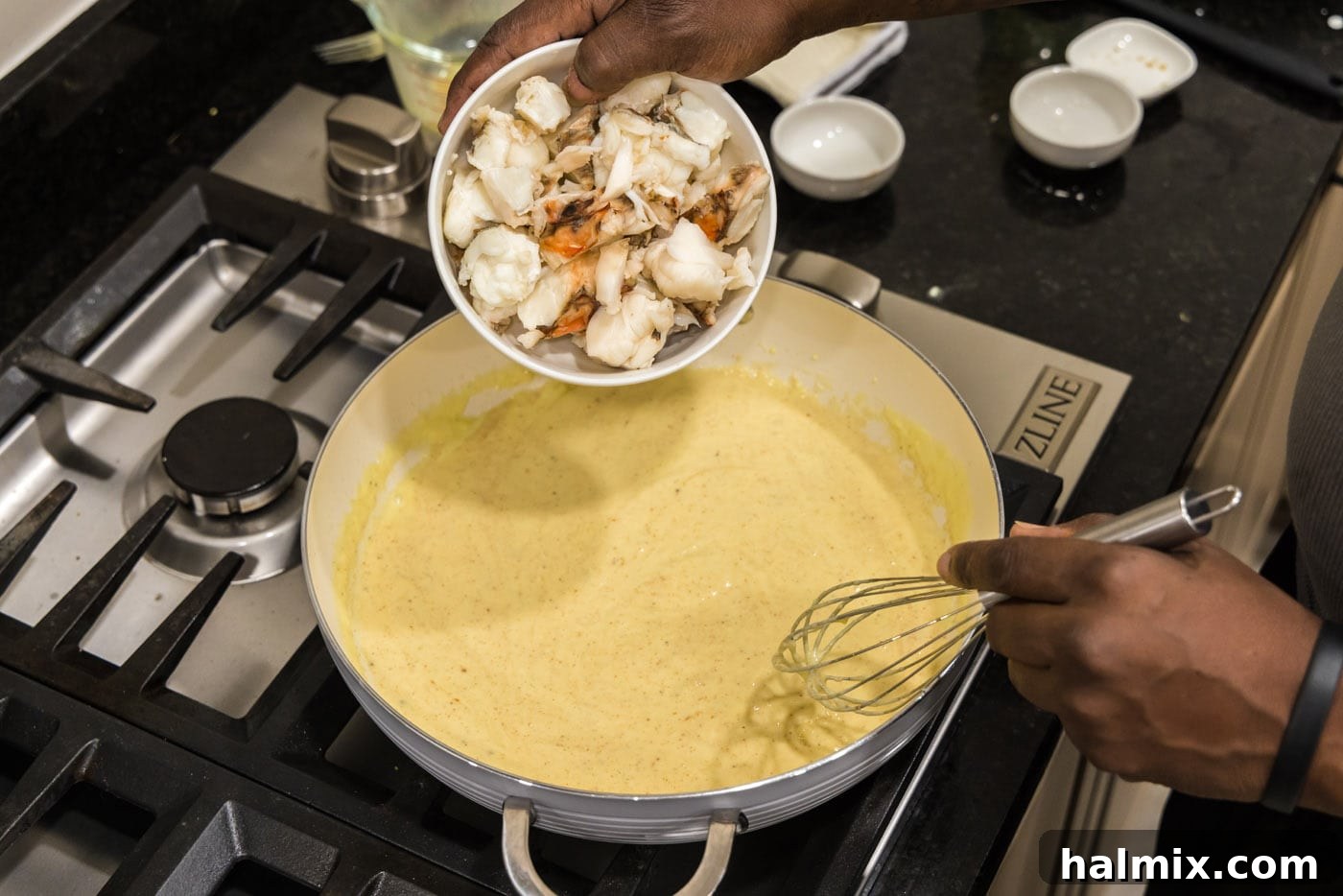
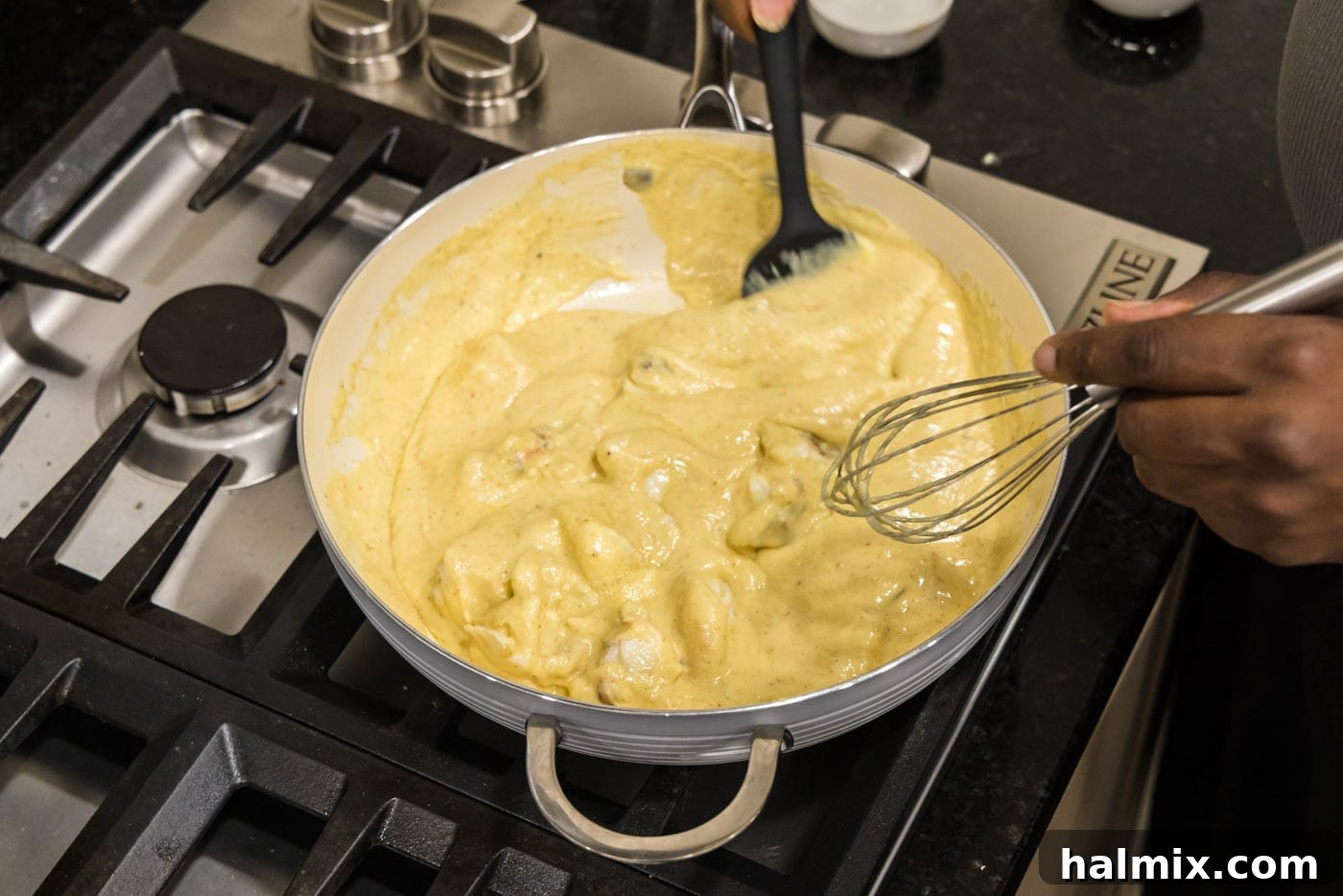
- Combine with Lobster: Gently fold in the cooked lobster chunks. Stir just enough to coat the lobster meat thoroughly with the rich, creamy Newburg sauce. Avoid over-stirring to keep the lobster tender.
- Serve Immediately: Your glorious Lobster Newburg is now ready to be enjoyed!
Expert Tips for a Flawless Lobster Newburg
Achieving a truly outstanding Lobster Newburg involves a few key techniques and considerations. Here are some expert tips to ensure your dish is nothing short of perfection:
- Mastering the Tempering Process: Tempering eggs is perhaps the most critical step. It simply means gradually raising the temperature of cold ingredients (like egg yolks) by slowly incorporating hot liquid. The goal is to warm the yolks without scrambling them. Always whisk continuously and slowly drizzle the hot liquid into the egg mixture, then return the warmed egg mixture to the main sauce, still whisking. This ensures a silky, smooth sauce free of any scrambled bits.
- Perfect Sauce Consistency: The ideal Lobster Newburg sauce is rich and creamy, thick enough to cling to the lobster, but still pourable. If your sauce is too thick, thin it with a tablespoon or two of warm heavy cream or milk until it reaches the desired consistency. If it’s too thin, a quick slurry of a teaspoon of cornstarch mixed with an equal amount of cold water, whisked into the simmering sauce, can help thicken it without altering the flavor.
- Quality of Lobster: Always start with high-quality lobster. Whether fresh or frozen, ensure it’s cooked just until opaque and tender. Overcooked lobster will be tough and chewy, detracting from the dish’s overall elegance.
- Don’t Rush the Roux: The butter and flour mixture (roux) forms the foundation of your sauce. Cook it gently for a minute or two to eliminate the raw flour taste before adding the cream.
- Spice Balance: While our recipe calls for cayenne pepper, remember that the heavy cream significantly mellows its heat. It’s intended to provide a gentle warmth, not intense spiciness. Feel free to adjust to your personal preference.
- Make-Ahead and Reheating: Lobster Newburg is best served fresh, but if you need to prepare it ahead, make the sauce separately and cook the lobster just before serving. Store the sauce in an airtight container in the refrigerator for up to 2 days. Gently reheat the sauce over low heat, whisking constantly, and then fold in freshly cooked lobster. If reheating the full dish, do so very gently over low heat, adding a splash of cream or milk if needed, to prevent the lobster from toughening.
Serving Suggestions and Perfect Pairings
Lobster Newburg is a versatile dish that can be enjoyed in various ways, whether as an elegant appetizer or a luxurious main course. The rich, creamy sauce pairs beautifully with simple accompaniments that can soak up its exquisite flavors.
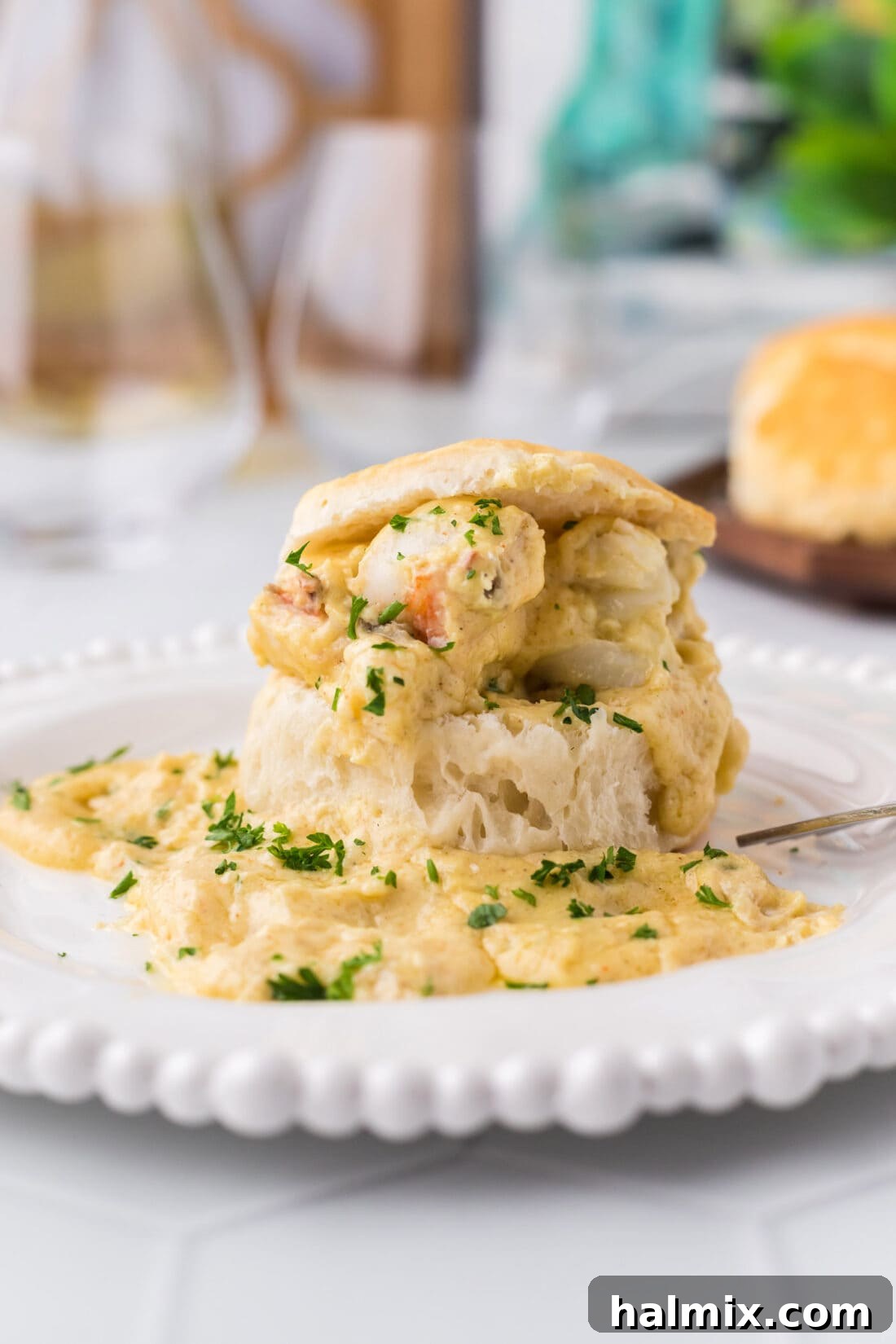
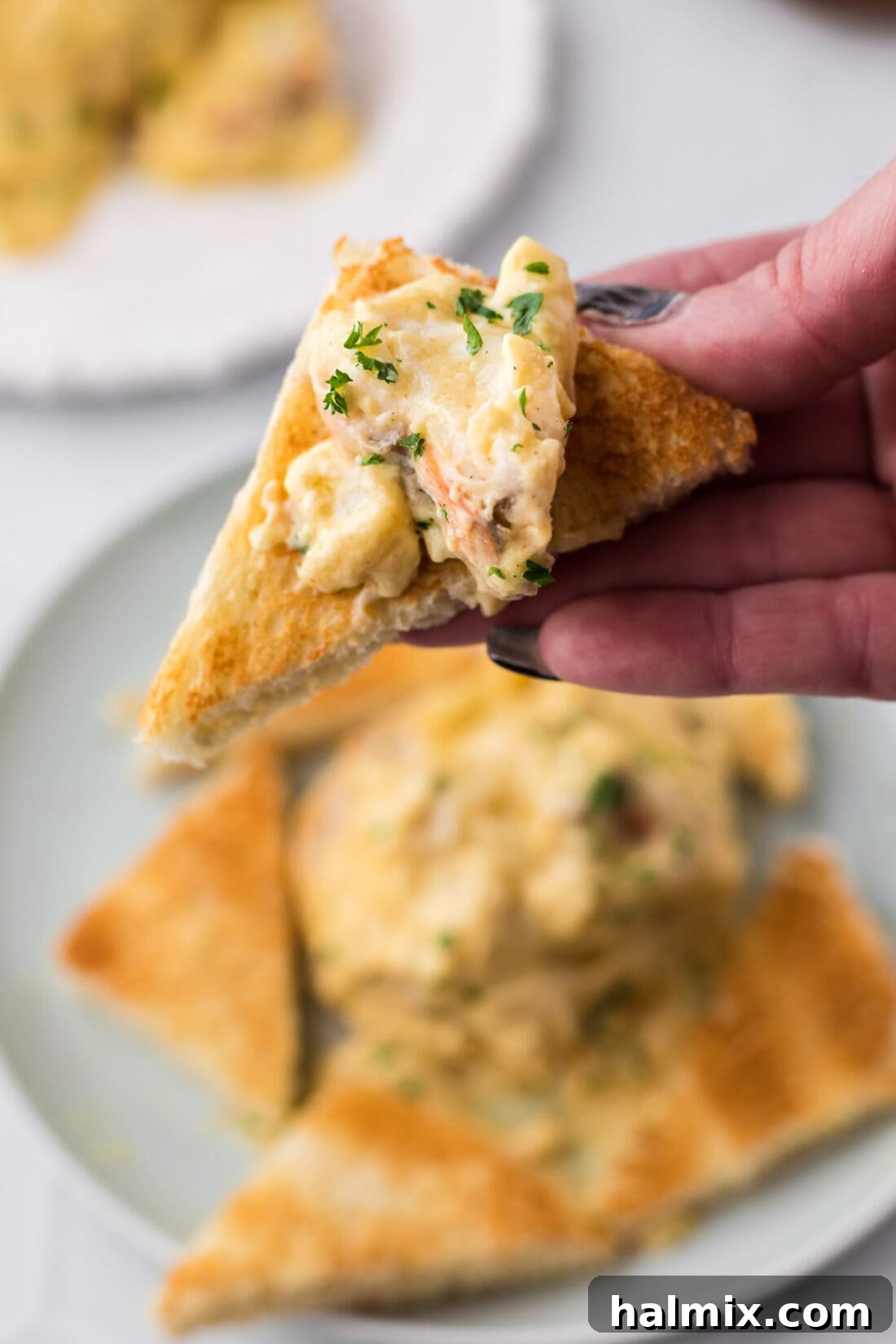
- Classic Servings: Traditionally, Lobster Newburg is served over warm, buttery biscuits, crisp toast points, delicate flaky pastry shells (like puff pastry), or even simple crackers. These options provide a delightful contrast in texture and act as the perfect vehicle for the sauce.
- As a Main Course: For a more substantial meal, consider serving Lobster Newburg alongside steamed asparagus, roasted green beans, or a light garden salad with a vinaigrette dressing to balance the richness. Creamy mashed potatoes or wild rice pilaf can also make for comforting pairings.
- Wine Pairings: A rich Chardonnay, a crisp Sauvignon Blanc, or even a light-bodied Pinot Noir can complement the flavors of Lobster Newburg beautifully.
Frequently Asked Questions About Lobster Newburg
What exactly is Lobster Newburg?
Lobster Newburg is a classic American seafood dish featuring cooked lobster meat served in a rich sauce made from butter, cream, egg yolks, and Cognac (or sherry/brandy). It’s celebrated for its luxurious, velvety texture and decadent flavor profile, often served over toast, biscuits, or pastry shells.
Can I make Lobster Newburg ahead of time?
While best served fresh, you can prepare the sauce up to 2 days in advance and cook the lobster just before serving. Reheat the sauce gently over low heat, whisking constantly, before folding in the freshly cooked, warm lobster. Reheating the entire dish is possible but requires very gentle heat to prevent the lobster from becoming tough.
How do I store leftovers?
Store any leftover Lobster Newburg in an airtight container in the refrigerator for up to 1-2 days. Reheat gently over low heat on the stovetop, adding a splash of cream or milk if the sauce has thickened too much.
Is Lobster Newburg spicy due to the cayenne pepper?
Despite the inclusion of cayenne pepper, the dish is generally not spicy. The heavy cream significantly mutes the heat of the cayenne, leaving behind a subtle warmth that enhances the overall flavor rather than overpowering it. You can adjust the amount of cayenne to your personal preference.
What’s the main difference between Lobster Newburg and Lobster Thermidor?
Both are rich, creamy lobster dishes, but Lobster Newburg typically features a smoother, more uniform sauce with egg yolks and Cognac, allowing the lobster’s natural flavor to shine. Lobster Thermidor often incorporates mustard, cheese, and sometimes mushrooms in its sauce, and is typically served gratinéed (broiled with a crusty topping) in the lobster shell, giving it a more robust, savory, and less delicate flavor profile.
More Decadent Lobster Recipes to Explore
- Lobster Bisque
- Lobster Risotto
- Lobster Thermidor
- Lobster Mac and Cheese
- Lobster Salad
I absolutely love to cook and bake, and sharing my kitchen experiences with all of you brings me immense joy! To make sure you never miss a new recipe, I offer a convenient newsletter delivered right to your inbox. Simply subscribe here and start receiving your free daily recipes!
Lobster Newburg Recipe
This dish is a special one. Rich, creamy, and smooth with chunks of tender lobster meat throughout.
IMPORTANT – There are often Frequently Asked Questions within the blog post that you may find helpful. Simply scroll back up to read them!
Print Recipe | Pin It
Course: Appetizer, Dinner
Cuisine: American
Servings: 5 servings
Prep & Cook Time: 35 mins
Calories: 749
Author: Amanda Davis
Ingredients
- 1.25 pounds lobster (2 large tails)
- 4 large egg yolks
- 3 cups heavy whipping cream (divided)
- ½ cup butter (8 Tablespoons)
- 1 Tablespoon minced garlic
- 1 Tablespoon all purpose flour
- 1 Tablespoon garlic salt
- 3 Tablespoons cognac
- ½ teaspoon nutmeg
- 1 teaspoon cayenne pepper
- 2 Tablespoons lemon juice
Things You’ll Need
- Large heavy bottomed skillet
- Vinyl gloves
Before You Begin
- Find our steamed lobster tail instructions here.
- The cream sauce mixture should be slightly thickened. If it’s too thick, you can thin it with additional cream or milk.
- While cognac is a traditional ingredient in Lobster Newburg, you can either omit it or use seafood stock in its place.
- While it seems like we are using a lot of cayenne pepper, the heavy cream actually cuts down the heat drastically.
- If you want to cut the calories back, you can replace the heavy cream with whole milk. This can cause the sauce to be a little thinner which may mean you’ll need more flour to thicken it.
- Tempering eggs can sometimes be a tricky process as you want to make sure you’re continuously whisking the eggs in hot liquid without scrambling them. Tempering simply means to combine two ingredients, one hot and one cold (or room temp). You want to raise the temperature of your eggs quickly but gradually without cooking them in the process. Whisking continuously is key here.
Instructions
- Cook the lobster tails (you can follow our steamed lobster tail instructions) and cut into bite sized chunks.
- Add egg yolks to a measuring cup. Add 2 tablespoons of the heavy cream to the egg yolks and whisk with a fork.
- Melt butter in a large skillet over medium-high heat.
- Add minced garlic to the butter and saute for 1 minute. Add flour and stir.
- Add garlic salt and stir to combine.
- Add remaining heavy cream and bring to a gentle boil. Reduce heat to low.
- To temper the eggs, slowly drizzle the egg and cream mixture into the hot skillet while whisking continuously. Tempering the egg mixture is essential, you do not want to end up with scrambled eggs.
- Whisk in the cognac, nutmeg, cayenne pepper, and lemon juice.
- Add the cooked lobster chunks and stir together.
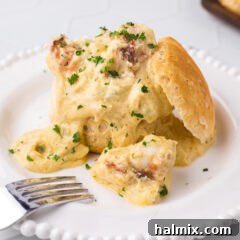
- Serve alone in a dish or over biscuits, toast, or flaky pastry.
Nutrition
Serving: 1 serving | Calories: 749cal | Carbohydrates: 7g | Protein: 12g | Fat: 74g | Saturated Fat: 46g | Polyunsaturated Fat: 4g | Monounsaturated Fat: 19g | Trans Fat: 1g | Cholesterol: 397mg | Sodium: 1721mg | Potassium: 243mg | Fiber: 0.2g | Sugar: 5g | Vitamin A: 3031IU | Vitamin C: 4mg | Calcium: 149mg | Iron: 1mg
Tried this Recipe? Pin it for Later!
Follow on Pinterest @AmandasCookin or tag #AmandasCookin!
The recipes on this blog are tested with a conventional gas oven and gas stovetop. It’s important to note that some ovens, especially as they age, can cook and bake inconsistently. Using an inexpensive oven thermometer can assure you that your oven is truly heating to the proper temperature. If you use a toaster oven or countertop oven, please keep in mind that they may not distribute heat the same as a conventional full sized oven and you may need to adjust your cooking/baking times. In the case of recipes made with a pressure cooker, air fryer, slow cooker, or other appliance, a link to the appliances we use is listed within each respective recipe. For baking recipes where measurements are given by weight, please note that results may not be the same if cups are used instead, and we can’t guarantee success with that method.