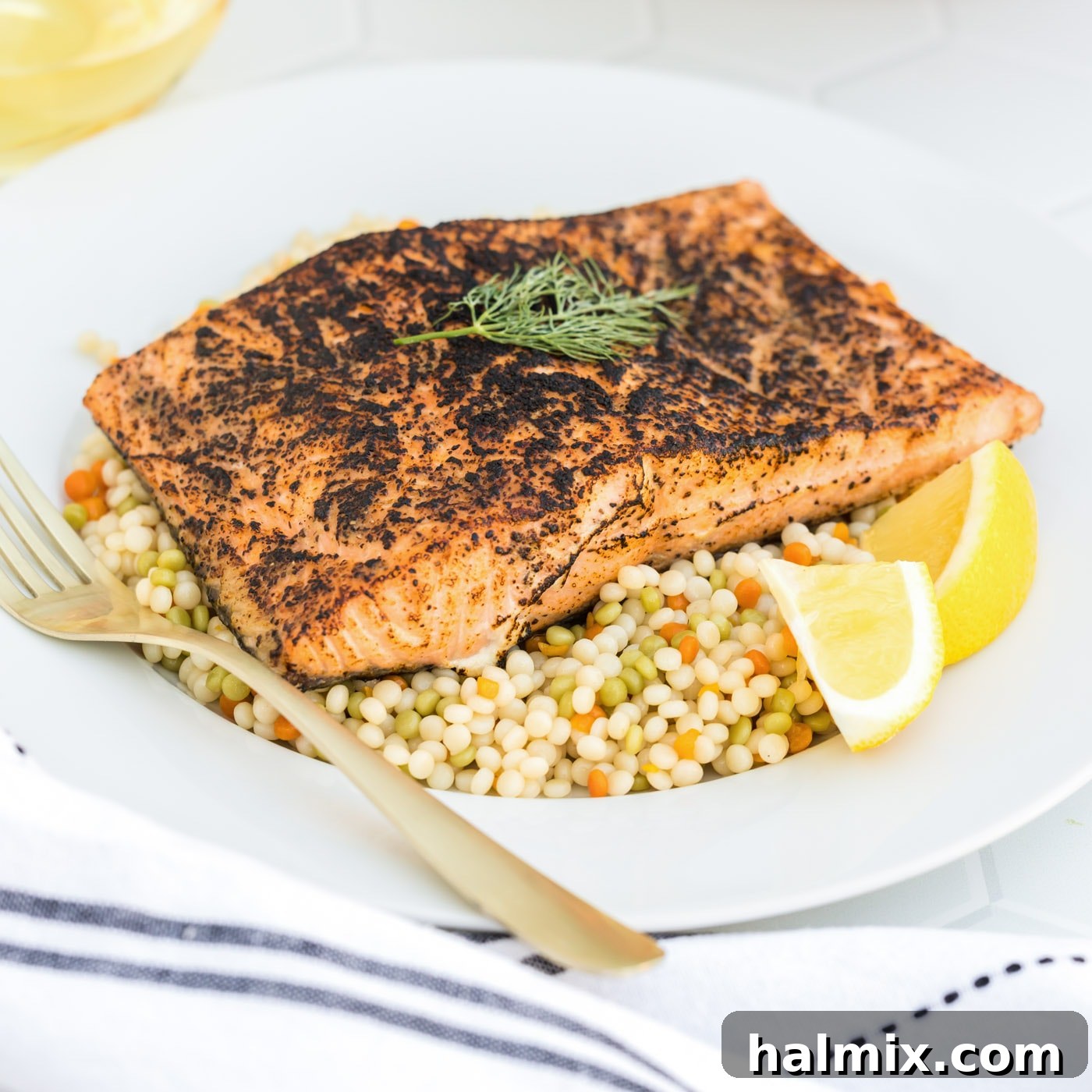
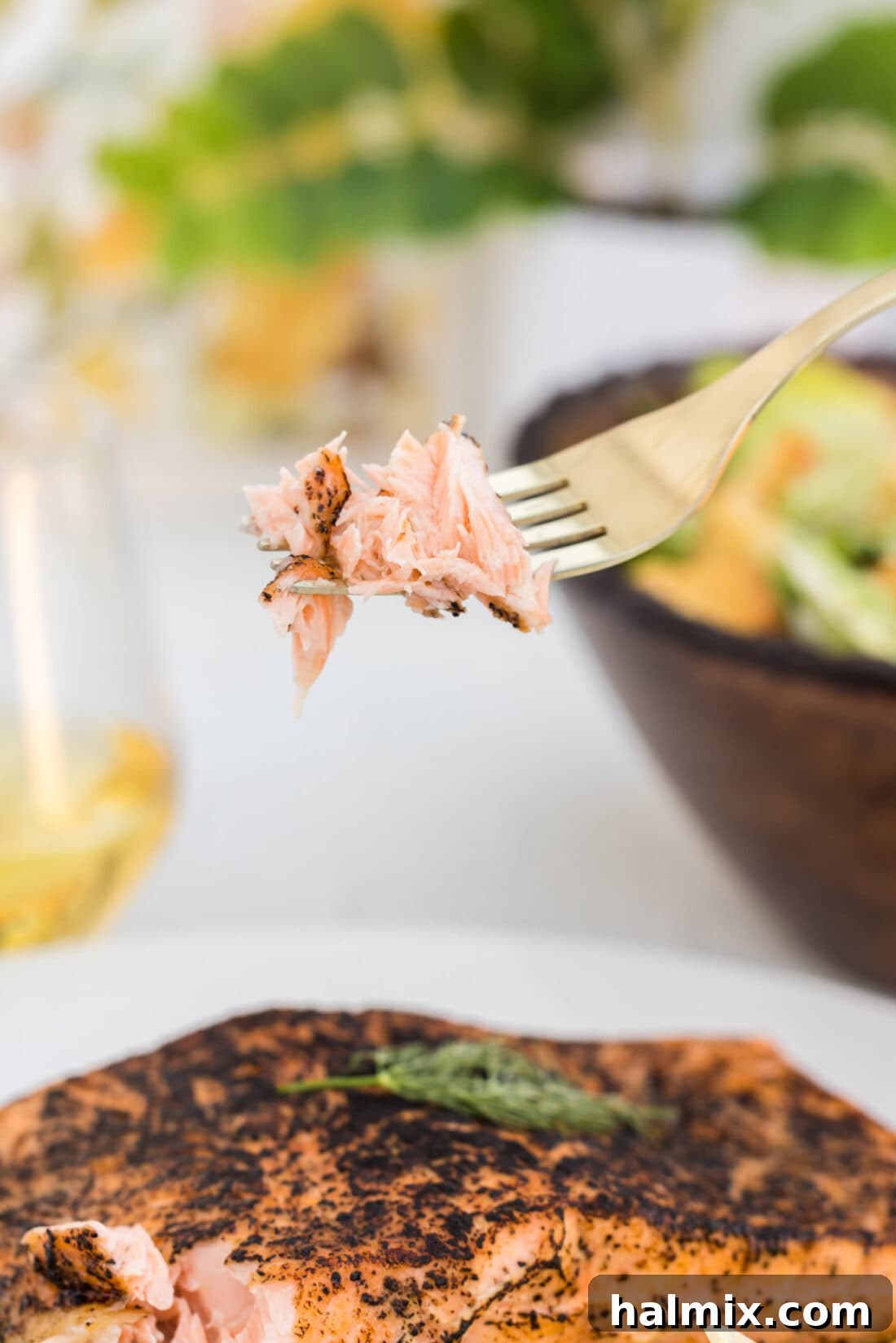
Unlock the secret to perfectly cooked salmon every single time with the sous vide method. This innovative cooking technique promises incredibly flakey, melt-in-your-mouth tender salmon fillets that are consistently moist from edge to edge. Say goodbye to dry, overcooked fish and hello to a culinary experience that elevates your home cooking with minimal effort. The precision cooker, a staple of modern kitchens, takes all the guesswork out of achieving ideal doneness, making sous vide salmon an absolute game-changer for seafood lovers.
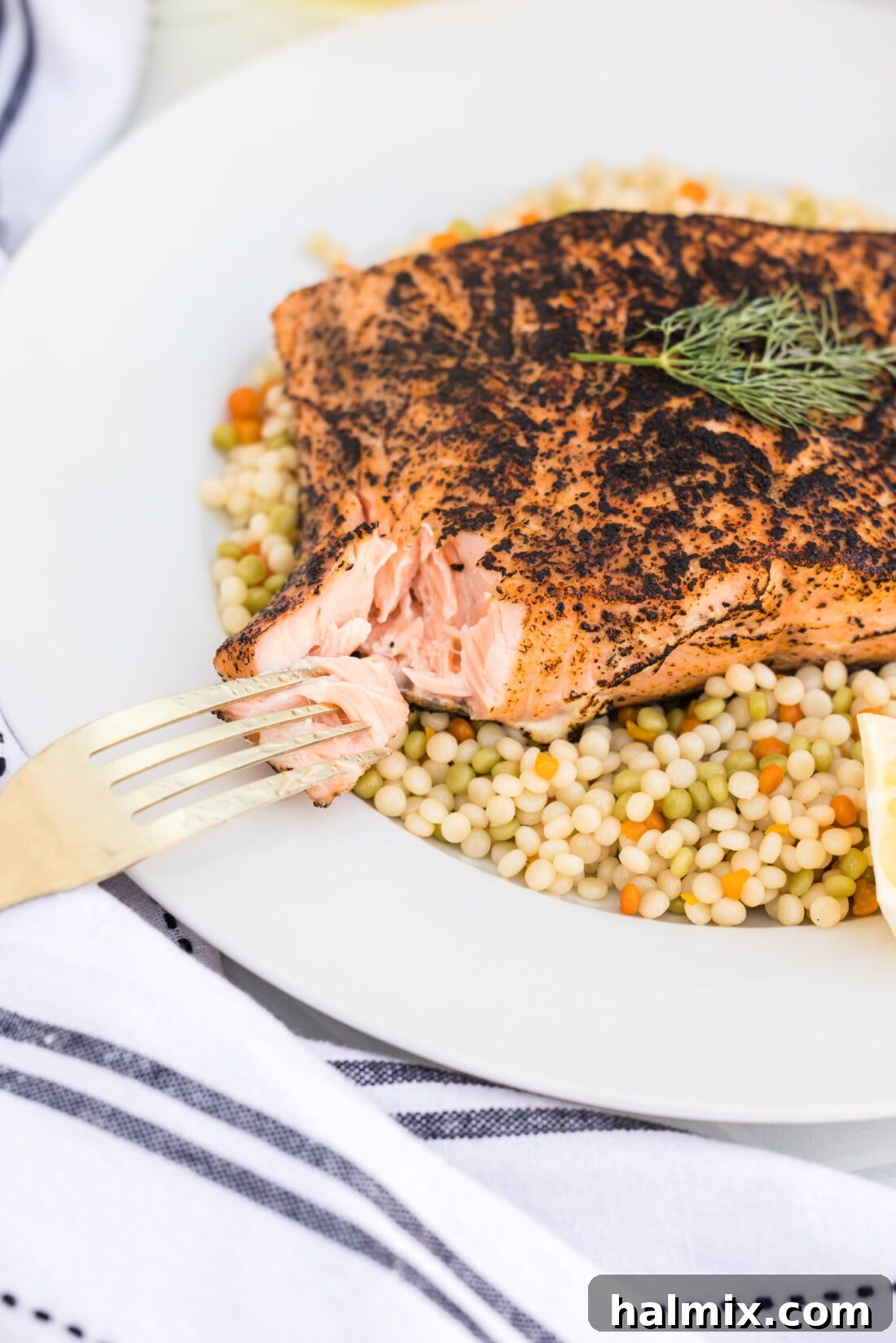
Why Sous Vide Salmon Is Your New Favorite Method
The beauty of sous vide cooking lies in its unparalleled precision. Unlike traditional cooking methods that expose food to fluctuating temperatures, sous vide immerses your salmon in a precisely regulated water bath. This ensures an even cook throughout the entire fillet, preventing the dreaded dry edges and undercooked centers often found with baked or grilled salmon. While we appreciate the flavors of baked salmon and grilled salmon, those techniques demand meticulous timing and constant vigilance to hit that sweet spot of doneness. With sous vide, the precision cooker handles all the responsibility, maintaining your desired temperature for the entire cooking duration, giving you perfect results without the stress.
Once your salmon has achieved its ideal internal temperature in the water bath, a quick sear is all that’s needed to develop a beautiful, golden-brown crust. This final step adds a crucial layer of texture and flavor, mimicking the delicious exterior you’d expect from a pan-seared fillet without the risk of overcooking the delicate interior. You can achieve this with a kitchen torch for a quick, professional finish, or opt for a hot pan sear. The key is speed – since the salmon is already cooked to perfection, the searing stage should be brief, just enough to caramelize the surface without further cooking the fish inside.
Essential Ingredients for Perfect Sous Vide Salmon
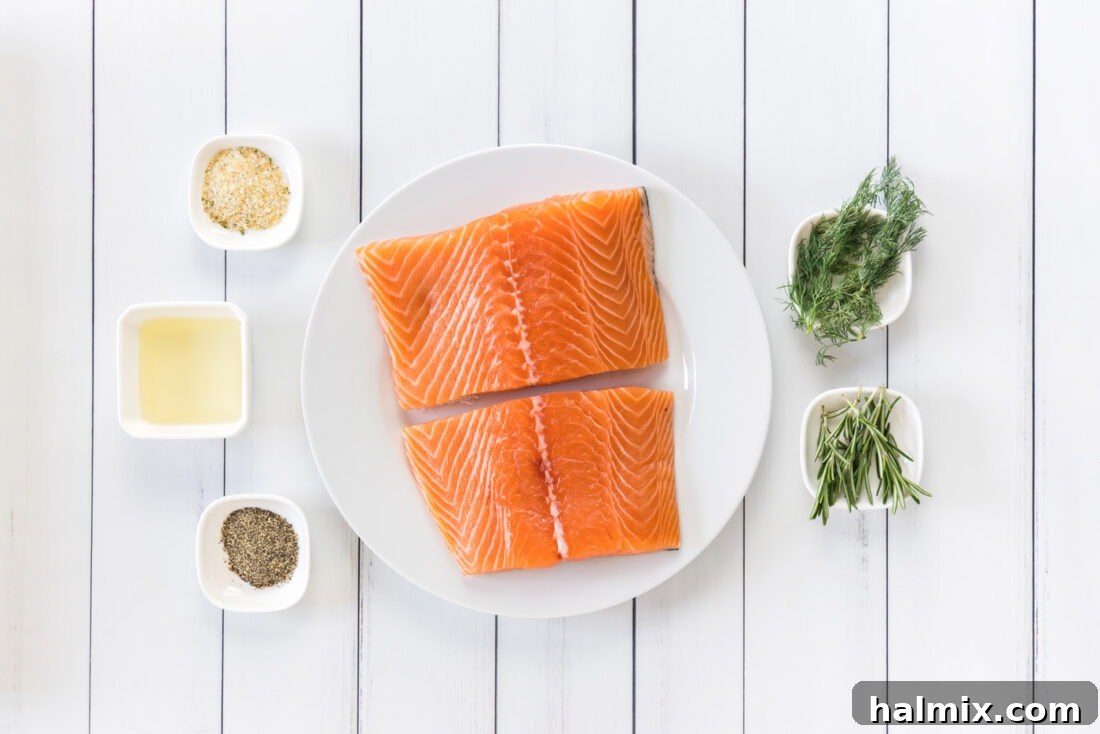
Crafting exquisite sous vide salmon requires only a few high-quality ingredients. The magic happens when these simple components combine with the precision of the sous vide method. You’ll find all specific measurements and detailed instructions in the recipe card at the end of this comprehensive guide.
Ingredient Details and Flavor Enhancements
SALMON: The foundation of this dish is, of course, the salmon. For the best results, always opt for fresh, high-quality center-cut salmon fillets. These cuts tend to be thicker and more uniform, ensuring even cooking. While the recipe calls for two large fillets, you can easily adjust for smaller portions. Look for vibrant color and a firm texture when selecting your fish. Skin-on or skin-off is a personal preference; skin-on can provide a protective layer during cooking and crisps up beautifully during searing, while skin-off offers a more direct surface for seasoning.
HERBS: Fresh herbs are absolutely essential for infusing your salmon with bright, aromatic flavors. They elevate the dish from good to gourmet. While we’ve chosen dill and rosemary for their classic pairing with salmon, feel free to experiment with your favorites. Thyme, tarragon, parsley, or even a bay leaf can add wonderful nuances. The beauty of sous vide is that the herbs’ flavors gently permeate the fish, creating a truly harmonious taste. Consider a combination of herbs for a more complex profile.
OLIVE OIL, GARLIC SALT, AND PEPPER: This simple seasoning blend provides a robust base that enhances the salmon’s natural richness. Good quality extra virgin olive oil helps distribute the flavors and contributes to the overall moisture. Garlic salt adds a savory depth without needing separate garlic and salt, while freshly ground black pepper provides a hint of warmth and pungency. For those who prefer a more personalized touch, individual salt (flaky sea salt is excellent here) and garlic powder can be used, allowing you to fine-tune the intensity.
Step-by-Step Guide: Crafting Your Sous Vide Salmon
These step-by-step photos and instructions are designed to help you visualize each stage of making this incredible recipe. For a convenient printable version with exact measurements and instructions, simply refer to the recipe card located at the bottom of this post.
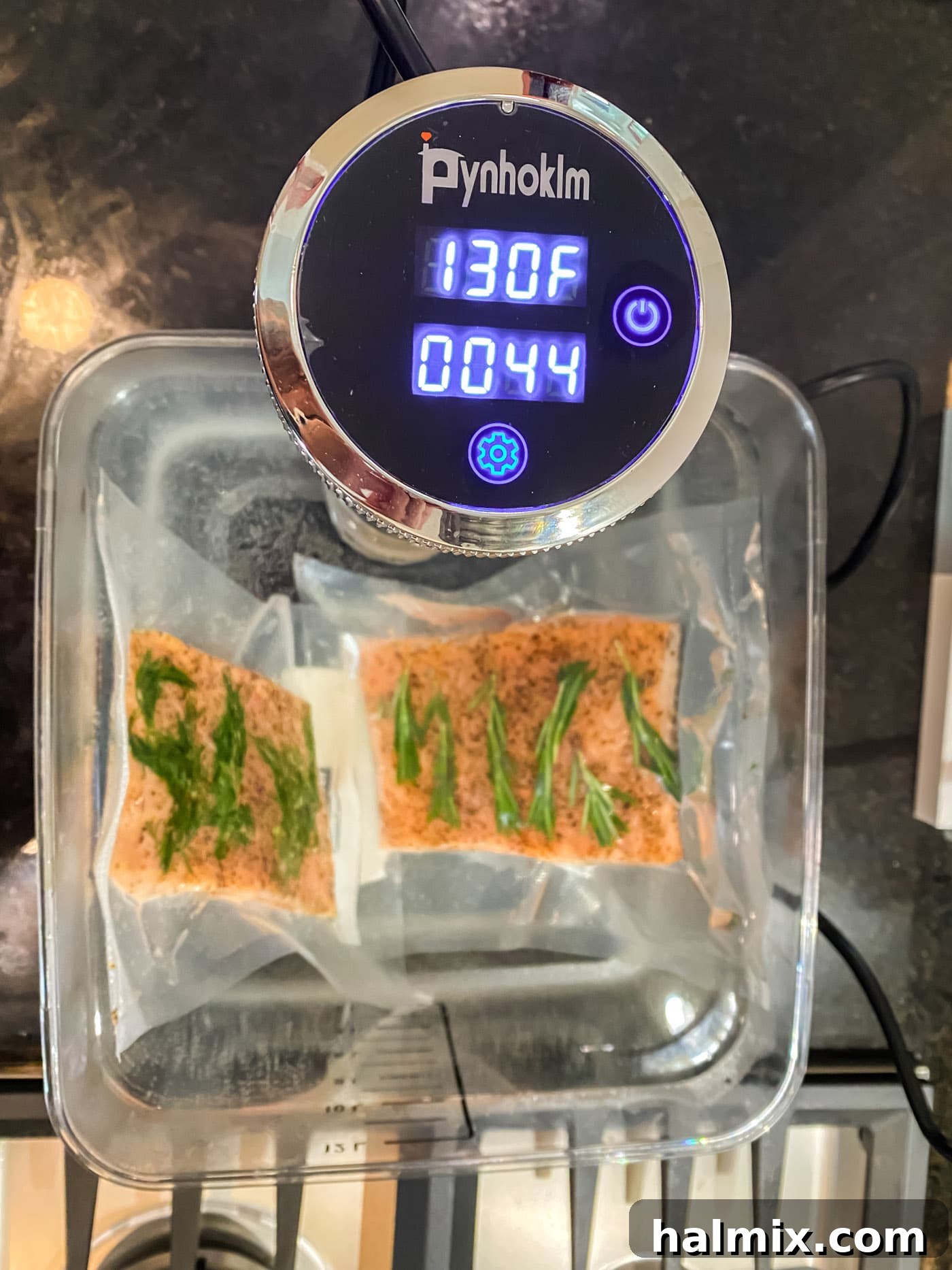
- Set Up Your Sous Vide: Begin by filling your sous vide water container with water. Carefully position your sous vide cooker securely in place. Power on the device and preheat the water to your desired temperature, typically 130°F (54.4°C) for a medium-rare to medium doneness, which is ideal for salmon’s delicate texture. Allow the water to reach the set temperature before proceeding.
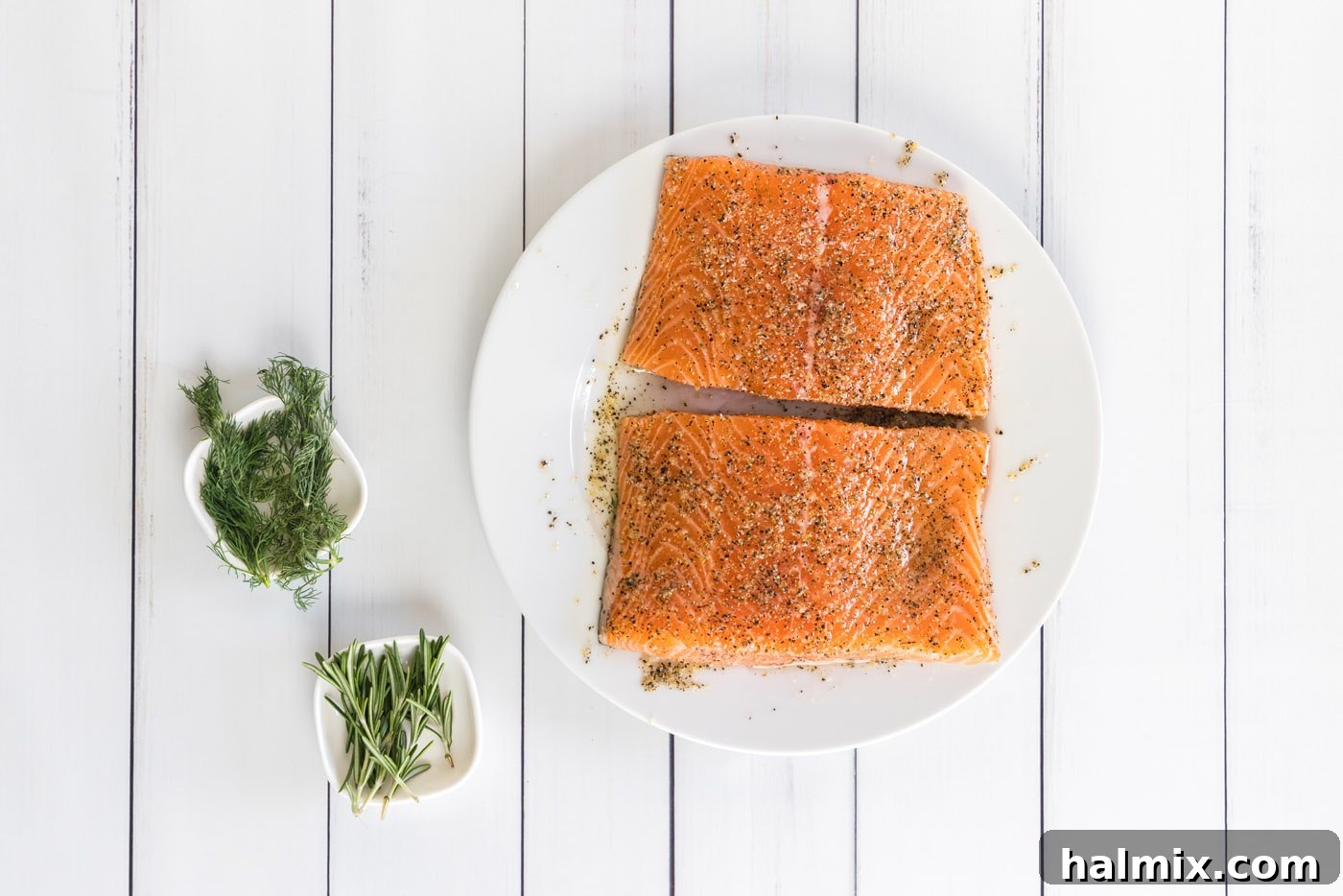
- Prepare the Seasoning Blend: In a small bowl, combine the olive oil, garlic salt, and black pepper. Whisk these ingredients together thoroughly until they are well incorporated. This creates a flavorful coating that will adhere beautifully to your salmon fillets.
-
Season the Salmon: Donning a pair of gloves is recommended for this step to ensure easy handling and proper distribution of the seasoning. Generously coat both sides of each salmon fillet with the prepared oil mixture. Ensure every surface is covered to maximize flavor infusion.

-
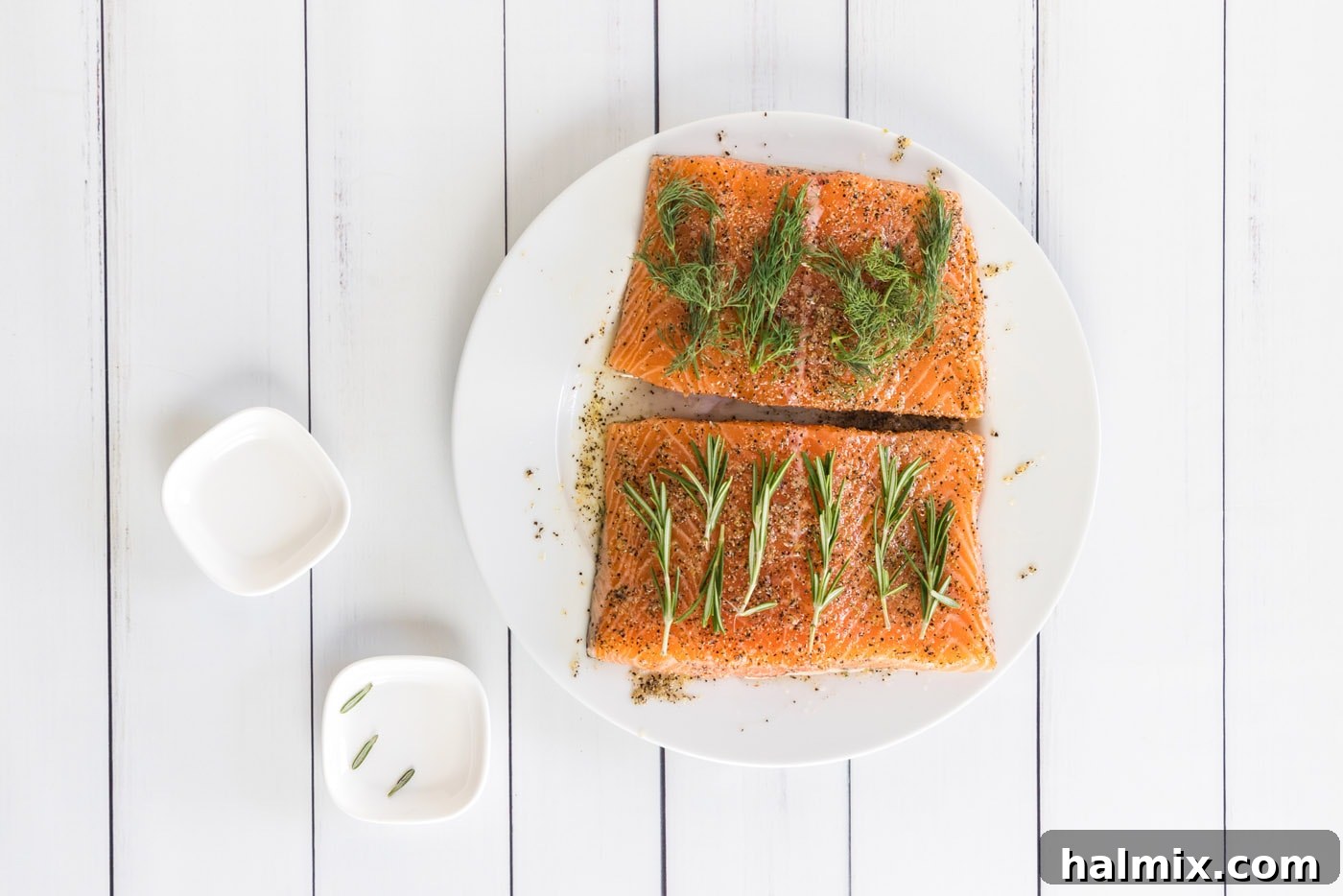
Add Fresh Herbs: Take your rosemary sprig (or other chosen fresh herbs) and break it into a few smaller, manageable pieces. Avoid making them too small, as you’ll want to easily remove them after cooking. Place these herb pieces directly on top of the seasoned salmon fillets. The gentle heat of the sous vide bath will help the aromatic compounds from the herbs infuse directly into the fish.
-
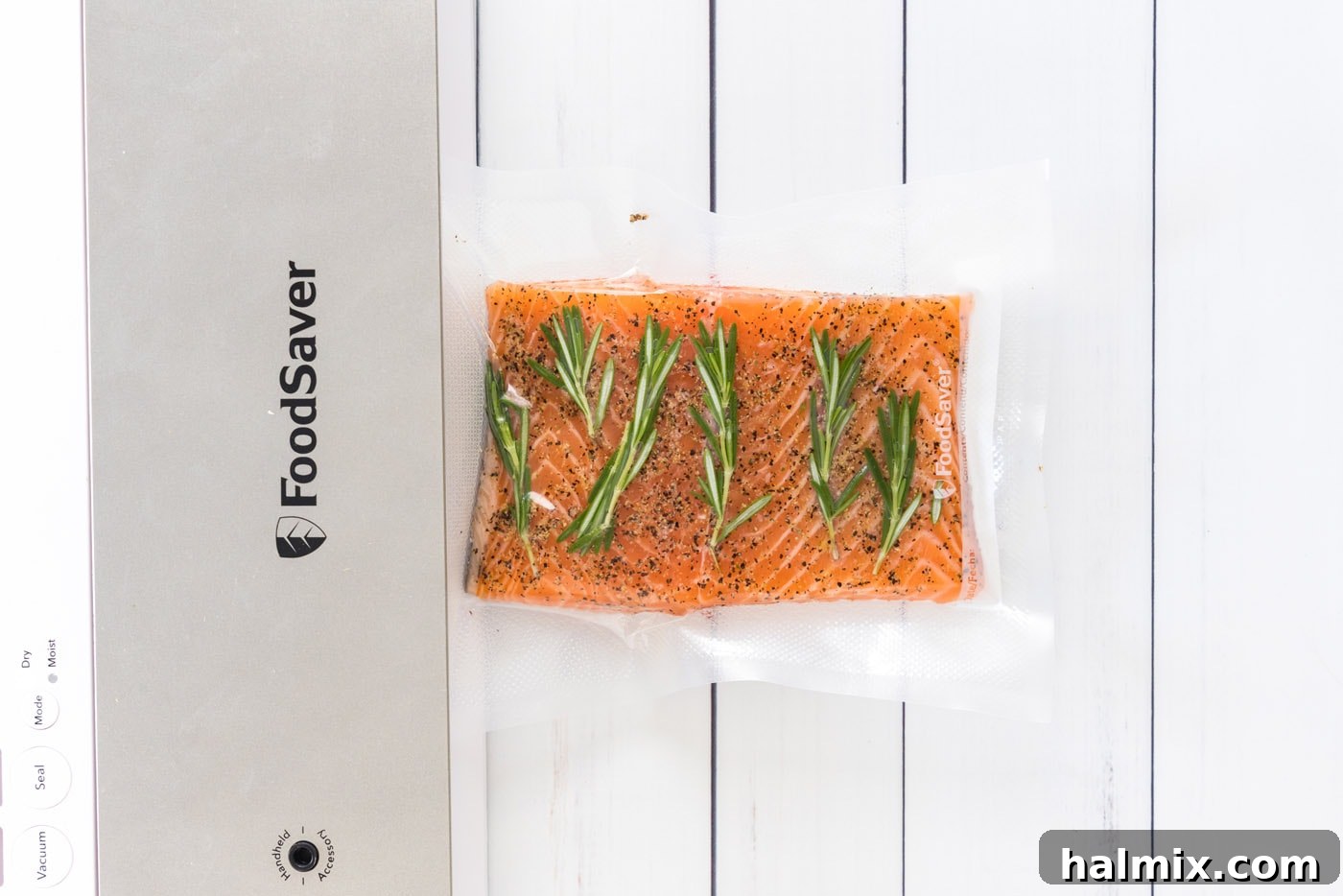
Vacuum Seal the Fillets: Carefully place each seasoned salmon fillet, along with the fresh herbs, into individual vacuum seal bags. It’s crucial to ensure the bags are properly sealed to prevent any water from entering. Remove as much air as possible to ensure efficient heat transfer from the water bath to the fish. If you don’t have a vacuum sealer, you can use the water displacement method with a Ziploc-style bag: slowly lower the bag with the salmon into the water bath, allowing the water pressure to force the air out before sealing it just above the waterline.
-
Sous Vide Cook the Salmon: Submerge the sealed salmon bags into the preheated water bath. Cook for 45 minutes. This duration ensures the salmon reaches a perfect, consistent doneness and tender texture without drying out. The beauty of sous vide is that even if it cooks for a little longer, it won’t overcook, as the temperature won’t exceed the set point.
-
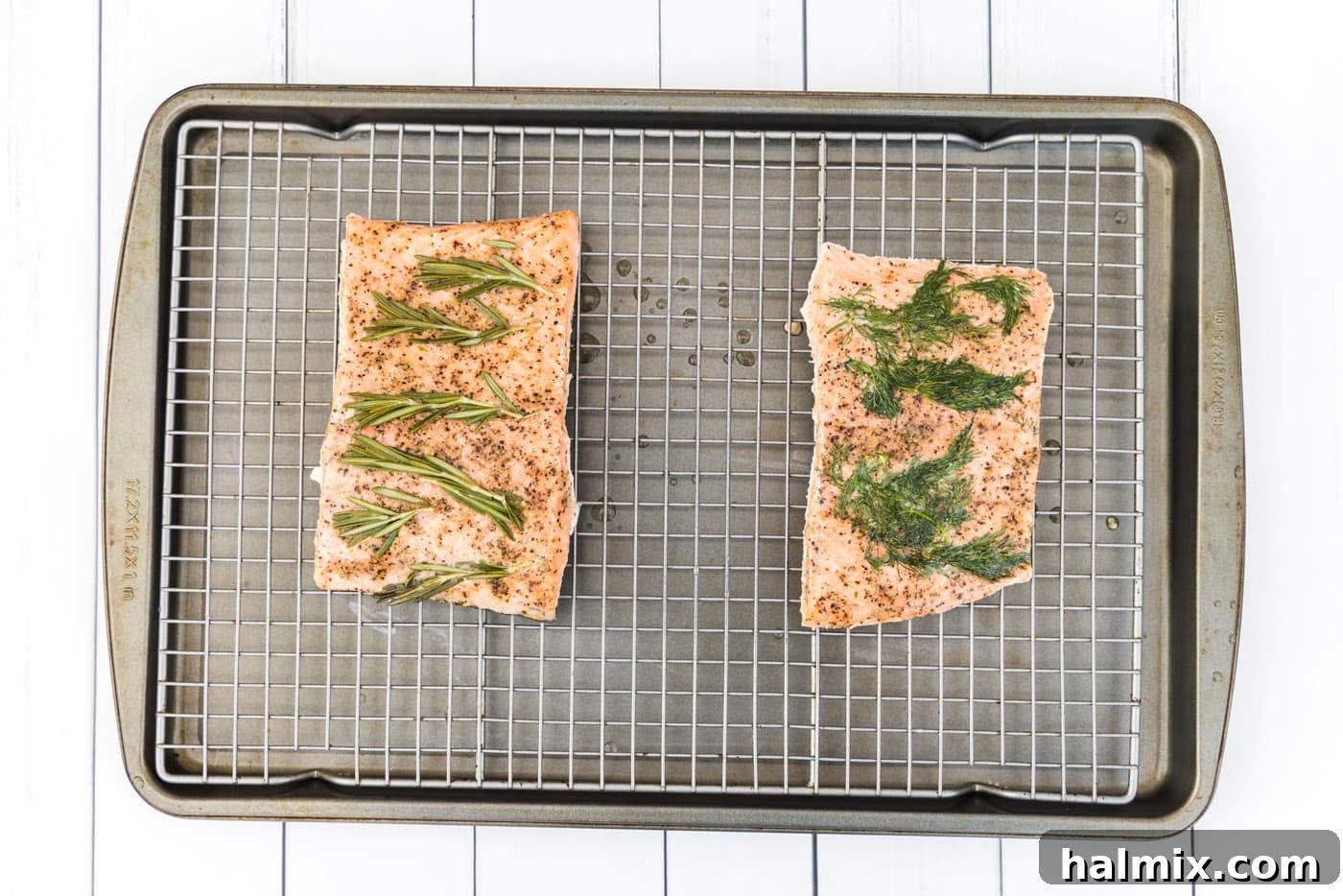
Remove and Prepare for Searing: Once the cooking time is complete, carefully remove the cooked salmon from the vacuum seal bags. Place the fillets on a wire rack to allow any excess moisture to drain and the surface to slightly dry. This critical step helps achieve a better sear. Discard the spent herbs.
-
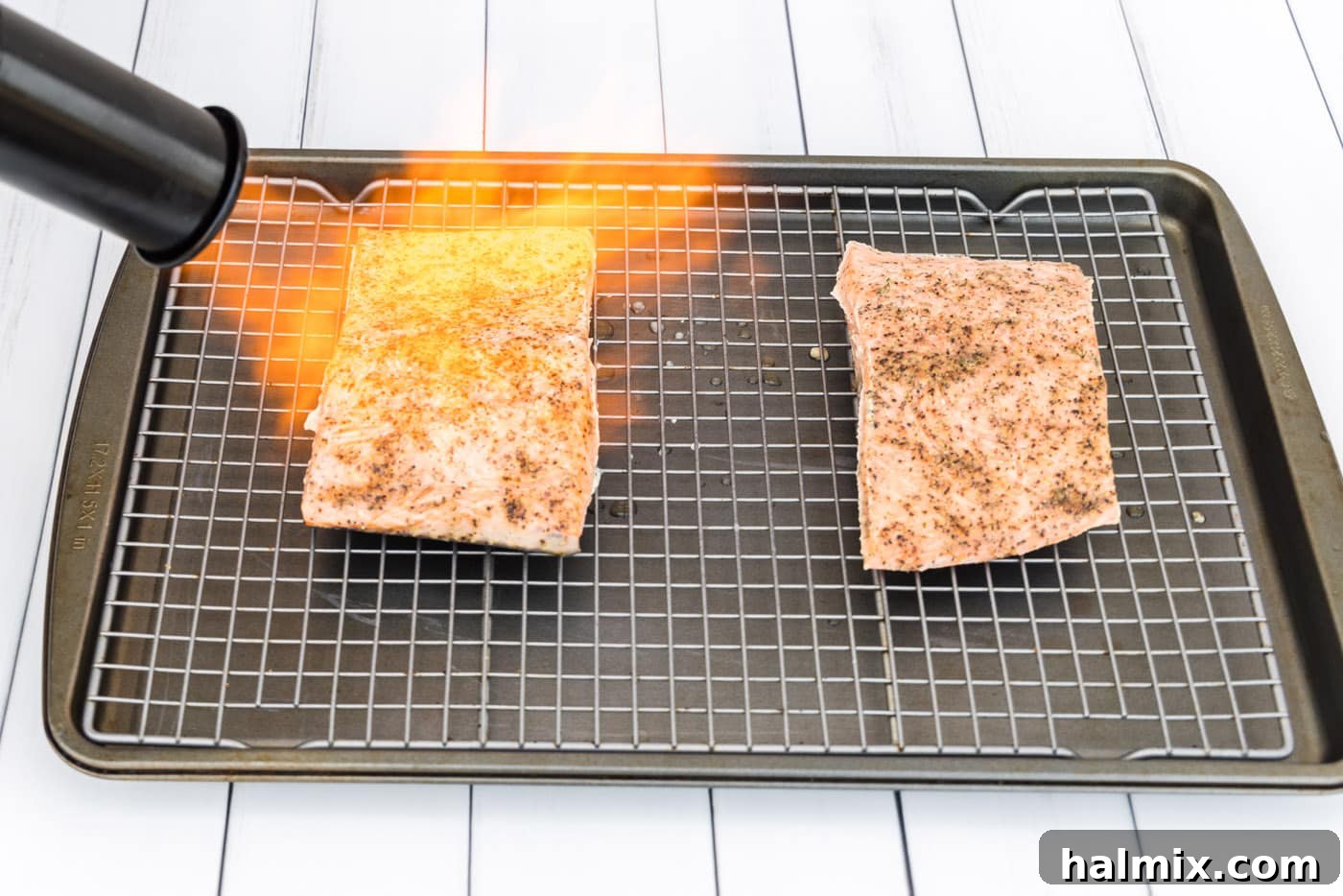
Sear for a Perfect Finish: To create an appetizing crust, use a kitchen torch to sear the outside of each cooked salmon fillet. Move the torch quickly and evenly over the surface until a beautiful golden-brown crust forms. This step adds texture and enhances flavor without continuing to cook the interior of the fish.
Frequently Asked Questions & Expert Tips for Sous Vide Salmon
Absolutely! Sous vide is an excellent method for cooking fish directly from frozen. Follow the same temperature instructions, but extend the cooking time by an additional 25-30 minutes. This extra time allows the frozen fillet to thaw and then come up to the target temperature evenly. If your salmon was frozen in a non-vacuum sealed package, you can still generously sprinkle salt and pepper over the frozen fillets before sealing. However, seasoning frozen fish with olive oil can be tricky as it won’t adhere well, so you might consider adding the oil directly into the bag or focusing on a simple salt and pepper seasoning, then adding fresh herbs during the sealing process.
While a kitchen torch offers a quick and easy way to achieve a crisp skin without further cooking the interior, it’s not strictly necessary. You can absolutely sear the sous vide salmon in a hot skillet. Heat a skillet over medium-high heat with a tablespoon of olive oil or butter until shimmering. Once the pan is very hot, carefully place the cooked salmon fillets skin-side down (if applicable) for about 60-90 seconds, just enough to develop a beautiful crust. Flip and sear for another 30 seconds on the flesh side. The key here is speed; since the fish is already perfectly cooked through, a prolonged sear will risk drying it out or causing it to flake apart prematurely. A quick, high-heat sear is all you need for that desirable golden finish.
The ideal temperature for sous vide salmon varies depending on your preferred level of doneness. For a medium-rare result, target 115-120°F (46-49°C). For medium, which yields a slightly firmer but still incredibly moist texture, 125-130°F (52-54°C) is perfect. If you prefer your salmon cooked through but still juicy, aim for 135-140°F (57-60°C). Our recipe uses 130°F, which we find strikes an excellent balance of moisture, tenderness, and flakey texture.
Once cooked, sous vide salmon can be stored in an airtight container in the refrigerator for up to 3-4 days. For best results when reheating, gently warm it in a low oven (around 275°F/135°C) until just heated through, or quickly pan-sear again if you want to re-crisp the skin. Avoid microwaving, as it can quickly dry out the delicate fish.
Delightful Serving Suggestions for Your Sous Vide Salmon
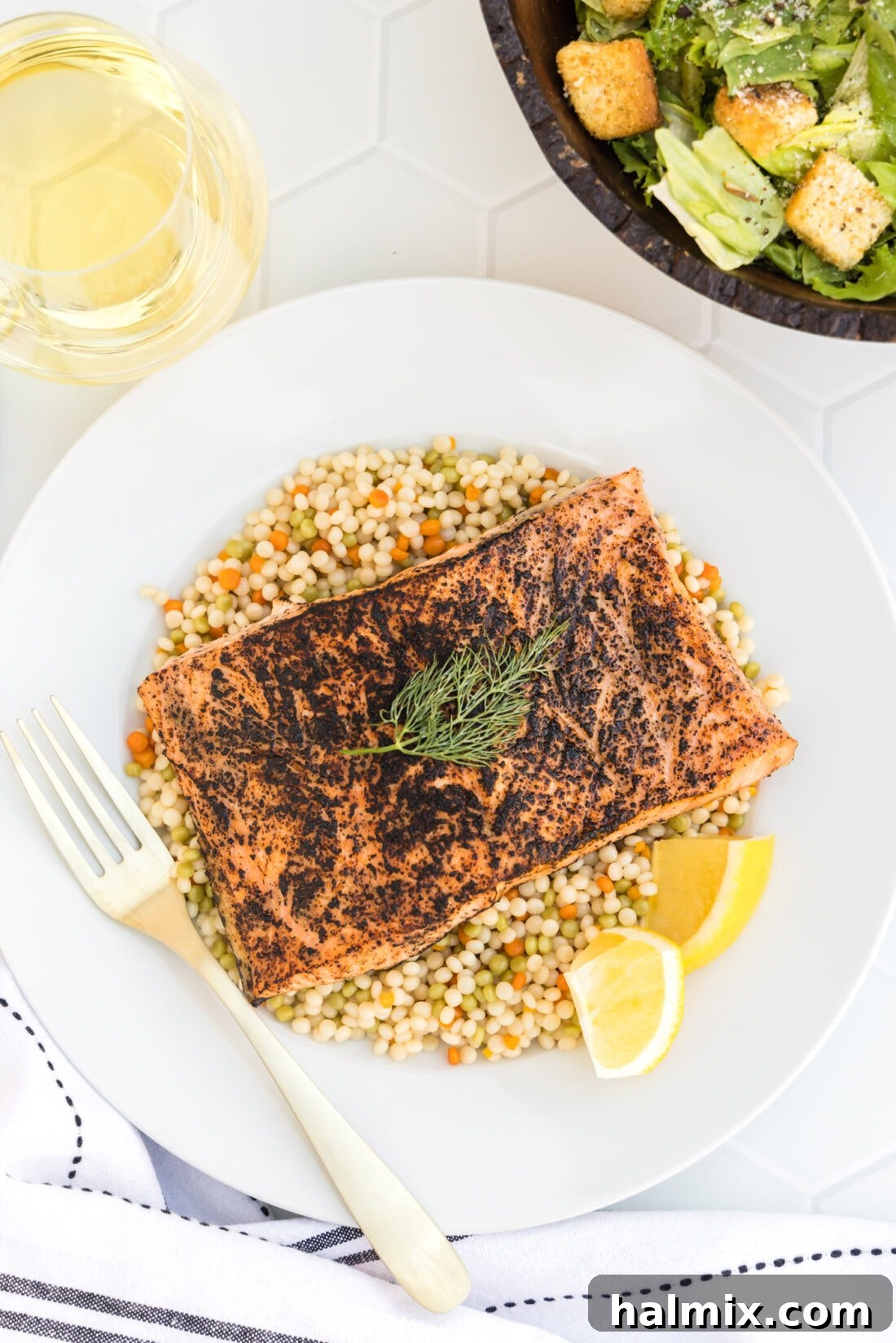
Sous vide salmon is a versatile dish that pairs beautifully with a wide array of sides and sauces. Optionally, elevate your meal with our rich and aromatic rosemary cream sauce, which complements the salmon’s delicate flavor perfectly. For a simpler, brighter finish, a fresh squeeze of lemon juice is always a winner, adding a zesty counterpoint to the rich fish.
Consider serving your exquisite salmon alongside classic accompaniments such as perfectly roasted potatoes or fluffy rice. For a healthier touch, steamed or lightly sautéed vegetables like crisp green beans, tender asparagus, vibrant broccoli, or sweet glazed carrots make excellent choices. If you’re looking for something a bit more unique, a refreshing lemon couscous offers a light and flavorful grain option. The possibilities are endless, allowing you to tailor your meal to your preferences and seasonal ingredients. No matter how you choose to serve it, this sous vide salmon is guaranteed to be a hit!
Explore More Delicious Seafood Recipes
If you loved this sous vide salmon recipe, you might be interested in exploring other fantastic ways to prepare seafood. Here are some of our favorite related recipes that promise equally delightful results:
- Poached Salmon: A light and healthy method for tender, flavorful fish.
- Pan Seared Salmon: Achieving that perfect crispy skin with traditional methods.
- Maple Soy Salmon: A sweet and savory glaze that’s always a crowd-pleaser.
- Cedar Plank Salmon: For a smoky, aromatic flavor, especially great on the grill.
- Sous Vide Pork Chops: Extend your sous vide skills beyond fish with perfectly tender pork.
I find immense joy in baking and cooking, and it’s my pleasure to share my kitchen experiences with all of you! Remembering to revisit for new recipes can be challenging, which is why I offer a convenient newsletter delivered directly to your inbox every time a new recipe is posted. Simply subscribe today and start receiving your free daily recipes, ensuring you never miss out on delicious inspiration!
Sous Vide Salmon
Sous vide salmon delivers the most delicate, juicy, and flakey salmon you’ll ever experience!
IMPORTANT – Many Frequently Asked Questions within the blog post may offer helpful insights. Please scroll back up to read them for additional tips!
Pin It
Rate It
Ingredients
- 1 ½ pounds center cut salmon (cut into 2 large filets)
- ½ Tablespoon garlic salt
- 1 teaspoon black pepper
- 2 ½ Tablespoons olive oil
- 2 sprigs fresh herbs (e.g., 1 rosemary and 1 dill)
Equipment You’ll Need
- Sous vide water container
- Sous vide cooker
- Food saver vacuum sealer and bags
- Vinyl gloves
- Kitchen torch
Before You Begin
- If you don’t have a kitchen torch, you can achieve a great sear in a hot skillet. Use some olive oil or butter and ensure the pan is very hot. Sear quickly for about 60-90 seconds per side to develop a crust without overcooking the already perfectly cooked fish.
Instructions
- Fill your sous vide water container and securely position the sous vide cooker. Preheat the water to 130°F (54.4°C).
- In a small bowl, whisk together the olive oil, garlic salt, and pepper until well combined.
- Using gloved hands, thoroughly coat both salmon fillets on all sides with the oil and seasoning mixture.
- Break the rosemary sprig (or other fresh herb) into a few larger pieces. Place these herb pieces directly on top of the seasoned salmon fillets.
- Place each seasoned fillet with herbs into separate vacuum seal bags. Vacuum seal them shut, ensuring all air is removed.
- Submerge the sealed salmon bags into the preheated sous vide water bath. Cook the salmon for 45 minutes.
- After cooking, remove the salmon from the bags, discard the herbs, and place the cooked fillets on a wire rack to drain and dry slightly.
- Use a kitchen torch to quickly sear the outside of the cooked salmon until a beautiful crust forms. Alternatively, sear in a hot pan as described in the notes.
Nutrition
Calories: 320cal |
Carbohydrates: 0.4g |
Protein: 34g |
Fat: 20g |
Saturated Fat: 3g |
Polyunsaturated Fat: 5g |
Monounsaturated Fat: 10g |
Cholesterol: 94mg |
Sodium: 947mg |
Potassium: 843mg |
Fiber: 0.1g |
Sugar: 0.01g |
Vitamin A: 113IU |
Vitamin C: 1mg |
Calcium: 24mg |
Iron: 1mg
Follow on Pinterest @AmandasCookin or tag #AmandasCookin!
The recipes on this blog are tested with a conventional gas oven and gas stovetop. It’s important to note that some ovens, especially as they age, can cook and bake inconsistently. Using an inexpensive oven thermometer can assure you that your oven is truly heating to the proper temperature. If you use a toaster oven or countertop oven, please keep in mind that they may not distribute heat the same as a conventional full sized oven and you may need to adjust your cooking/baking times. In the case of recipes made with a pressure cooker, air fryer, slow cooker, or other appliance, a link to the appliances we use is listed within each respective recipe. For baking recipes where measurements are given by weight, please note that results may not be the same if cups are used instead, and we can’t guarantee success with that method.