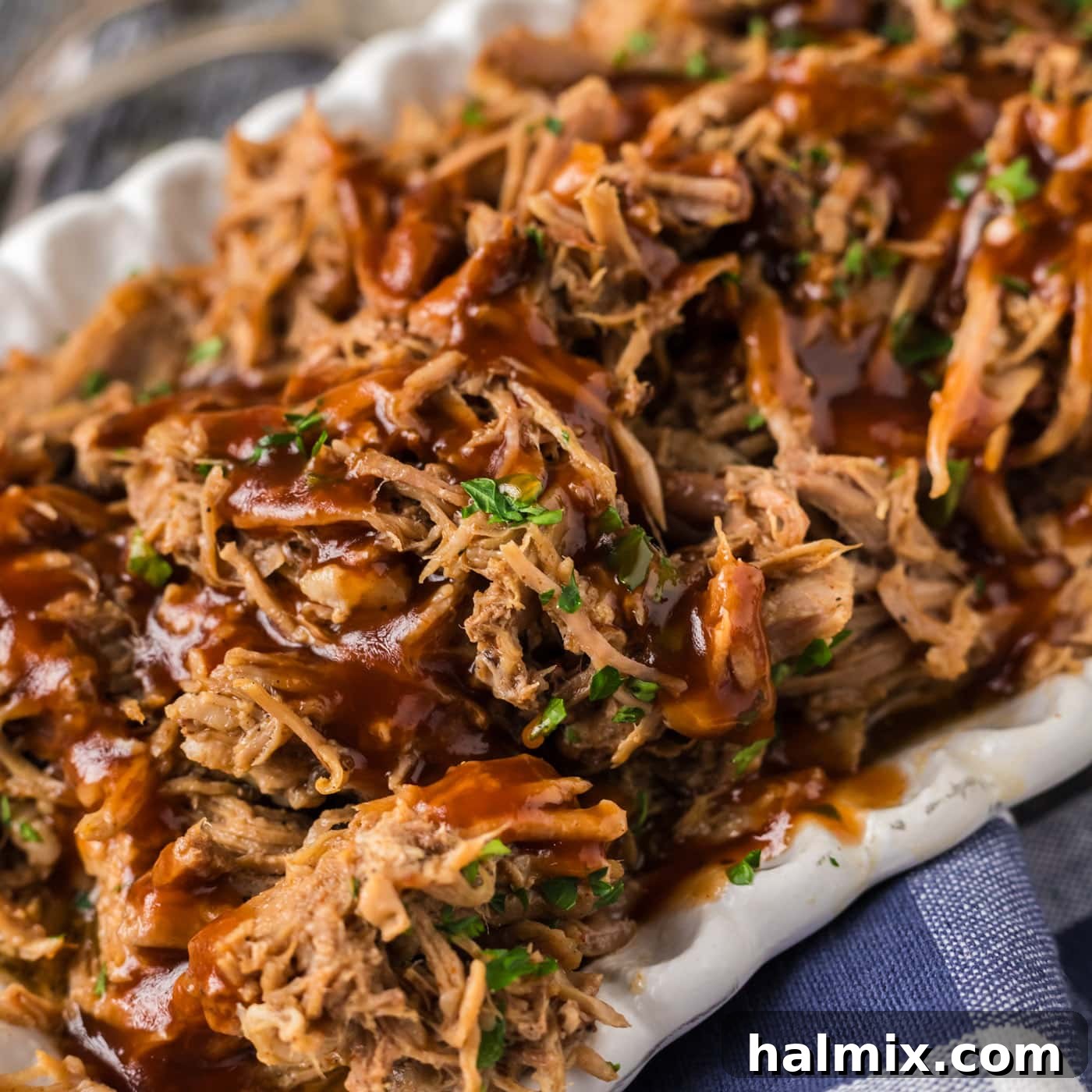
Unlock the secret to truly spectacular pulled pork with this Dutch oven method. Cooked low and slow, this recipe transforms a humble pork shoulder into unbelievably juicy, melt-in-your-mouth tender perfection, infused with rich, savory, and subtly smoky flavors. Ideal for gatherings, meal prep, or simply an outstanding family dinner, this dish promises to be a staple in your culinary repertoire.
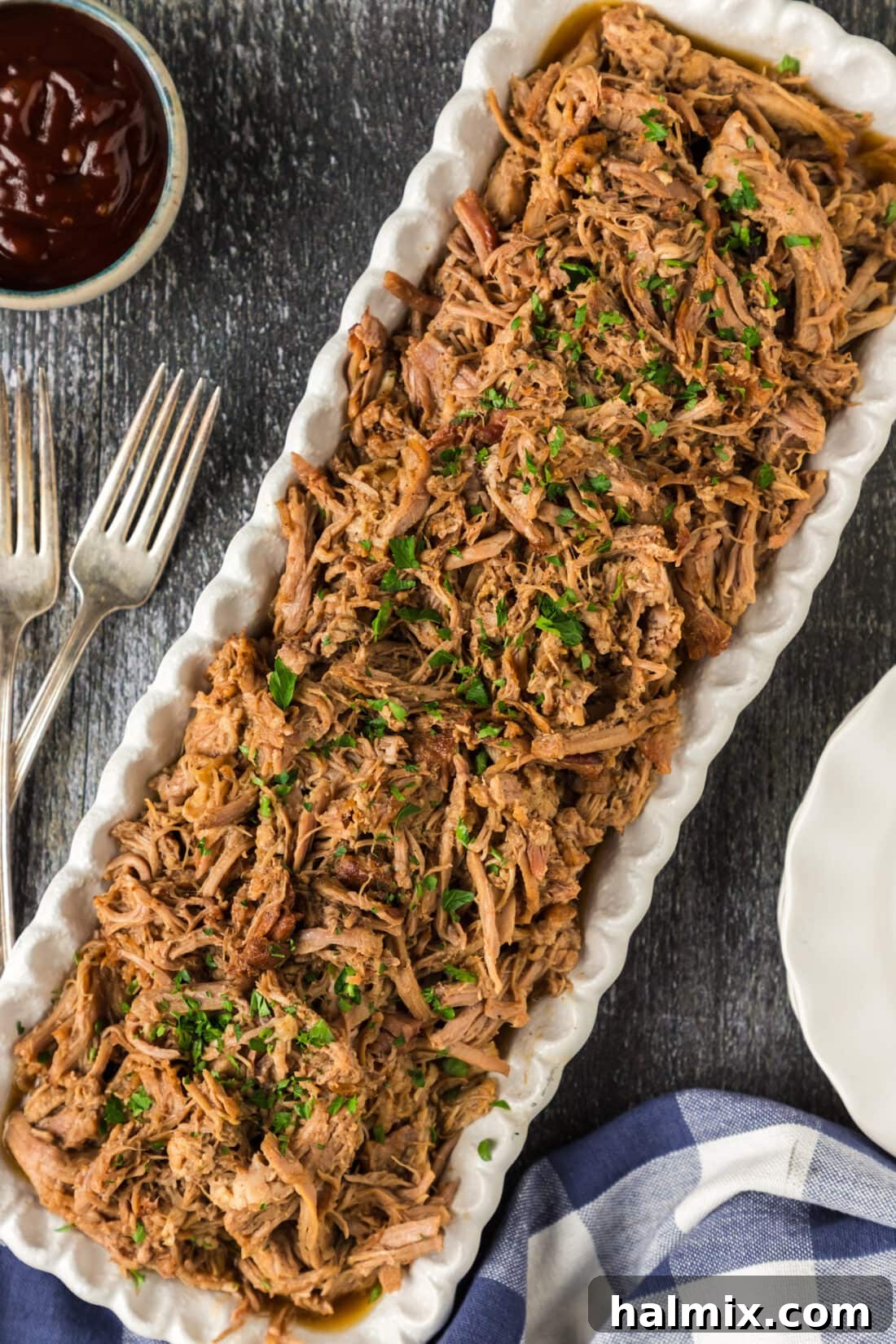
Why This Dutch Oven Pulled Pork Recipe is a Must-Try
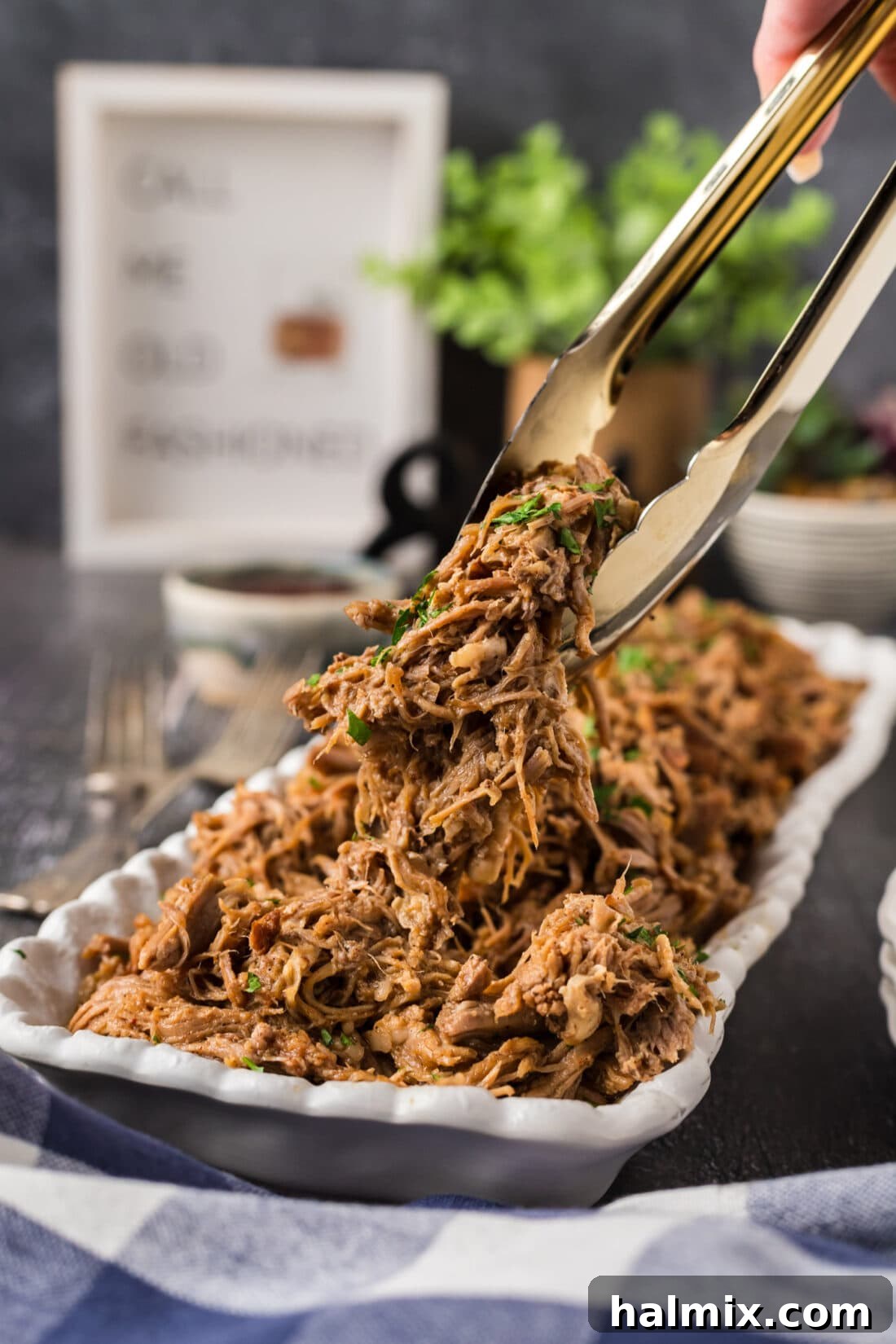
This Dutch oven pulled pork recipe stands out by delivering incredibly juicy, easily shreddable pork in under 4 hours, a feat often associated with much longer cooking times. We start with a generously marbled pork shoulder, which is the cornerstone of tenderness and flavor. This is then seasoned with an ultra-flavorful, custom-blended spice rub and slow-cooked with a can of Dr. Pepper. The combination of our homemade dry rub and the unique properties of Dr. Pepper is the secret to achieving deeply flavorful pork that practically falls apart with a gentle tug. Forget dry, tough pork forever; this method ensures every strand is succulent and bursting with taste.
The beauty of using a Dutch oven lies in its heavy construction and tight-fitting lid, which creates an ideal environment for braising. It evenly distributes heat, minimizing hot spots and ensuring a consistent cooking temperature throughout the meat. This consistent, gentle heat, combined with the moisture-rich atmosphere trapped inside, allows the pork’s connective tissues to slowly break down into gelatin. This process is crucial for transforming a firm cut like pork shoulder into the tender, succulent strands we crave in pulled pork. The Dutch oven effectively mimics the conditions of a slow cooker, but with the added benefit of being able to sear the meat directly in the same pot, building a foundational layer of flavor.
Essential Ingredients for Perfect Pulled Pork
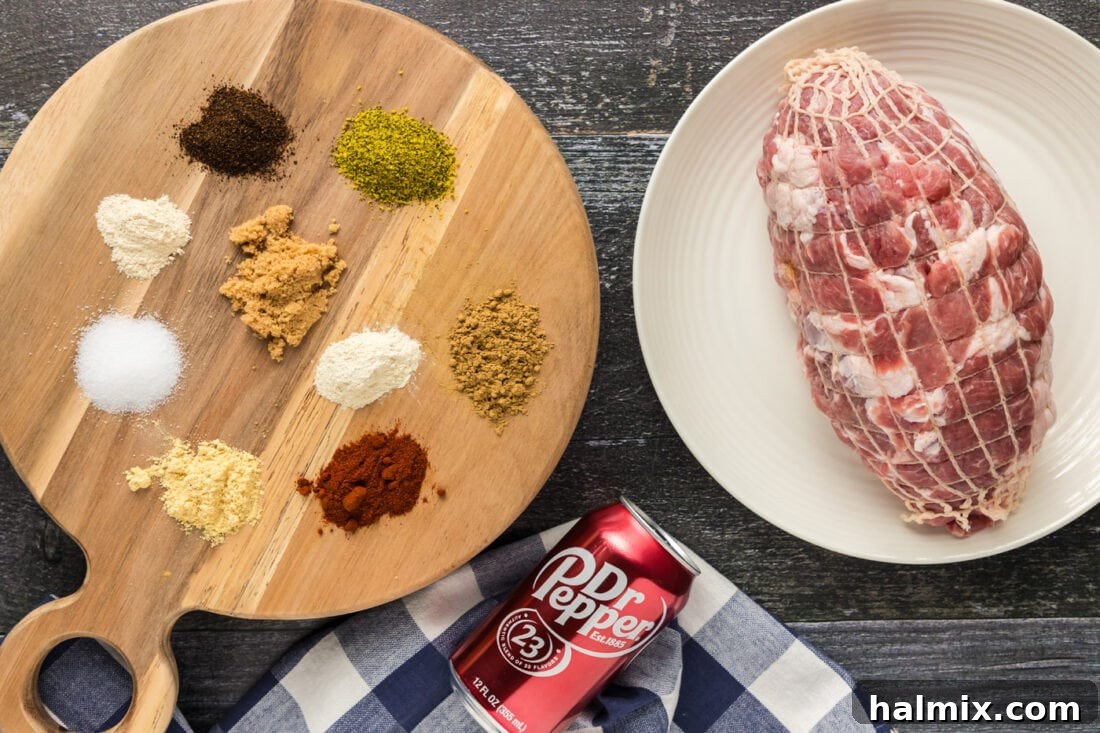
To embark on this culinary journey, gather your ingredients. You’ll find all precise measurements, a complete list of items, and detailed instructions in the convenient printable recipe card located at the end of this post.
Ingredient Spotlight: Tips for Success and Flavor Variations
Achieving outstanding pulled pork starts with understanding your ingredients. Here’s a closer look at what makes each component essential and how you can adapt for different tastes or availability.
PORK SELECTION – The undisputed champion for pulled pork is the pork shoulder, often referred to as Boston butt or pork butt. Its generous marbling—streaks of fat intertwined with muscle—is the secret to its incredible tenderness and flavor. As the pork cooks low and slow, this fat renders down, basting the meat from within, ensuring unparalleled moisture and richness. This recipe specifies a 3-pound boneless pork shoulder, an ideal size for manageable cooking times in a Dutch oven. If you opt for a larger cut, anticipate adjusting your cooking time; a general rule of thumb is to add approximately one hour of cooking per additional pound. For the ultimate shreddability, aim for an internal temperature of 205°F (96°C). This higher temperature allows the collagen to fully break down, leaving you with fork-tender meat that practically disintegrates.
THE FLAVORFUL RUB – Our homemade pulled pork rub is more than just seasoning; it’s a foundational layer of flavor that penetrates the meat during cooking. This carefully balanced blend typically includes a mix of salt, brown sugar (for caramelization and sweetness), paprika (for color and mild pepperiness), chili powder (for warmth), garlic powder, onion powder, and often a touch of cayenne for a subtle kick. The sugars in the rub help create a delicious crust during the searing process, adding another dimension of flavor and texture. Don’t let any extra rub go to waste – it’s fantastic sprinkled over roasted vegetables, grilled chicken, or saved for your next pork endeavor.
THE SODA FACTOR – Dr. Pepper plays a dual role in this recipe: it’s a powerful flavor enhancer and a tenderizing agent. The mild acidity in the soda helps to break down the tough fibers in the pork, contributing to that desirable pull-apart consistency. Furthermore, its unique blend of 23 flavors, including notes of cherry and caramel, infuses the pork with a subtly sweet and complex taste that sets this recipe apart. If Dr. Pepper isn’t on hand or you prefer an alternative, cola is an excellent substitute, offering similar acidic and sugary properties for tenderizing and flavor. For a less sweet or more tangy profile, you could experiment with apple cider vinegar, beer, or chicken broth, though the flavor outcome will differ.
Step-by-Step Guide: Crafting Your Dutch Oven Pulled Pork
Visual learners, rejoice! These step-by-step photos and detailed instructions are designed to guide you through every stage of this recipe. For a concise, printable version complete with all measurements and instructions, simply Jump to the Recipe Card at the bottom of this page.
- Prepare Your Oven: Begin by preheating your oven to 300°F (150°C). This consistent, moderate temperature is key to the low-and-slow cooking method that tenderizes the pork to perfection.
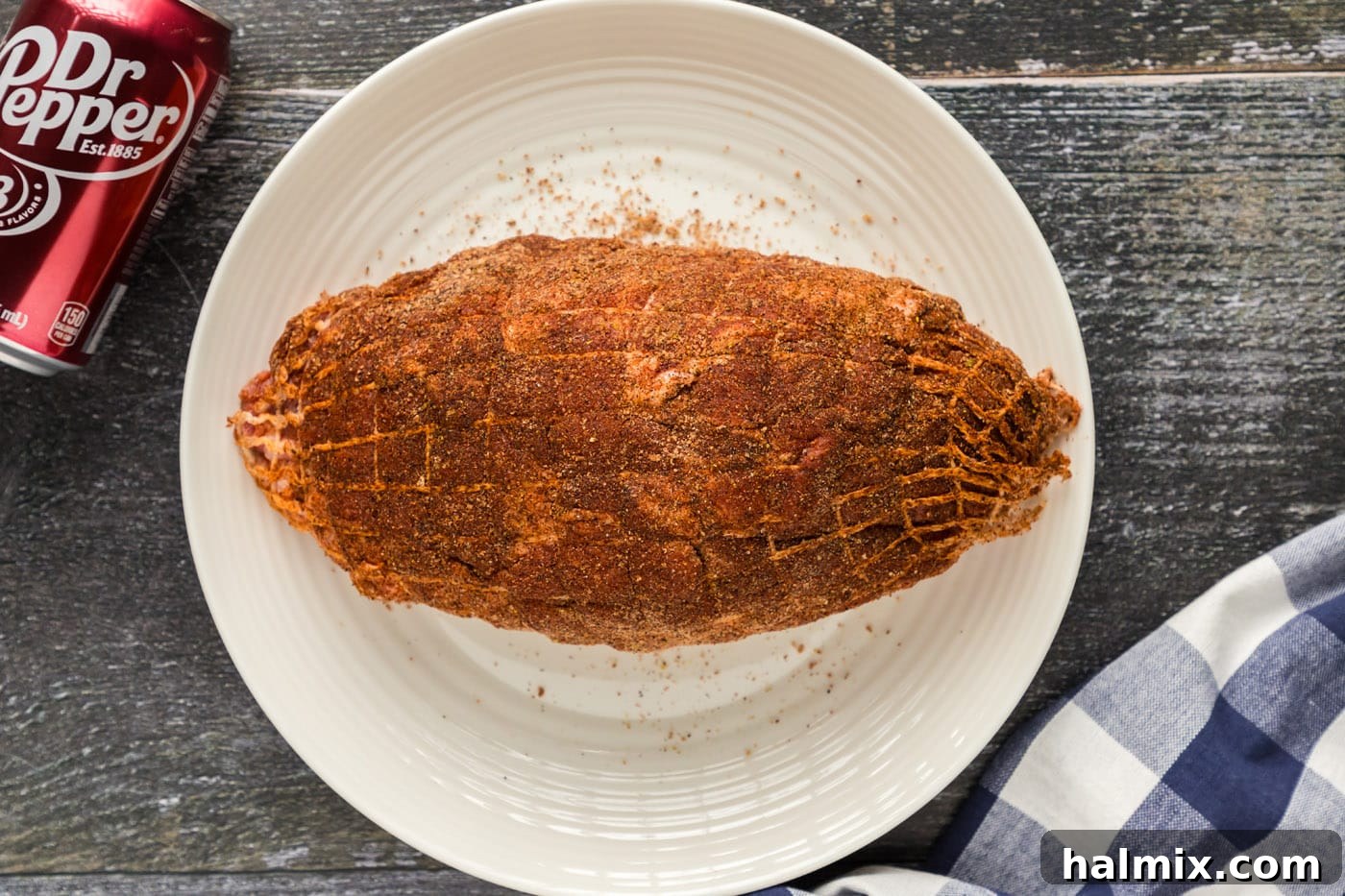
- Season the Roast: Generously apply your chosen dry rub (preferably our homemade blend) over the entire surface of the pork shoulder. Don’t be shy; ensure all sides are thoroughly coated to build a robust flavor crust during searing and throughout the cooking process.

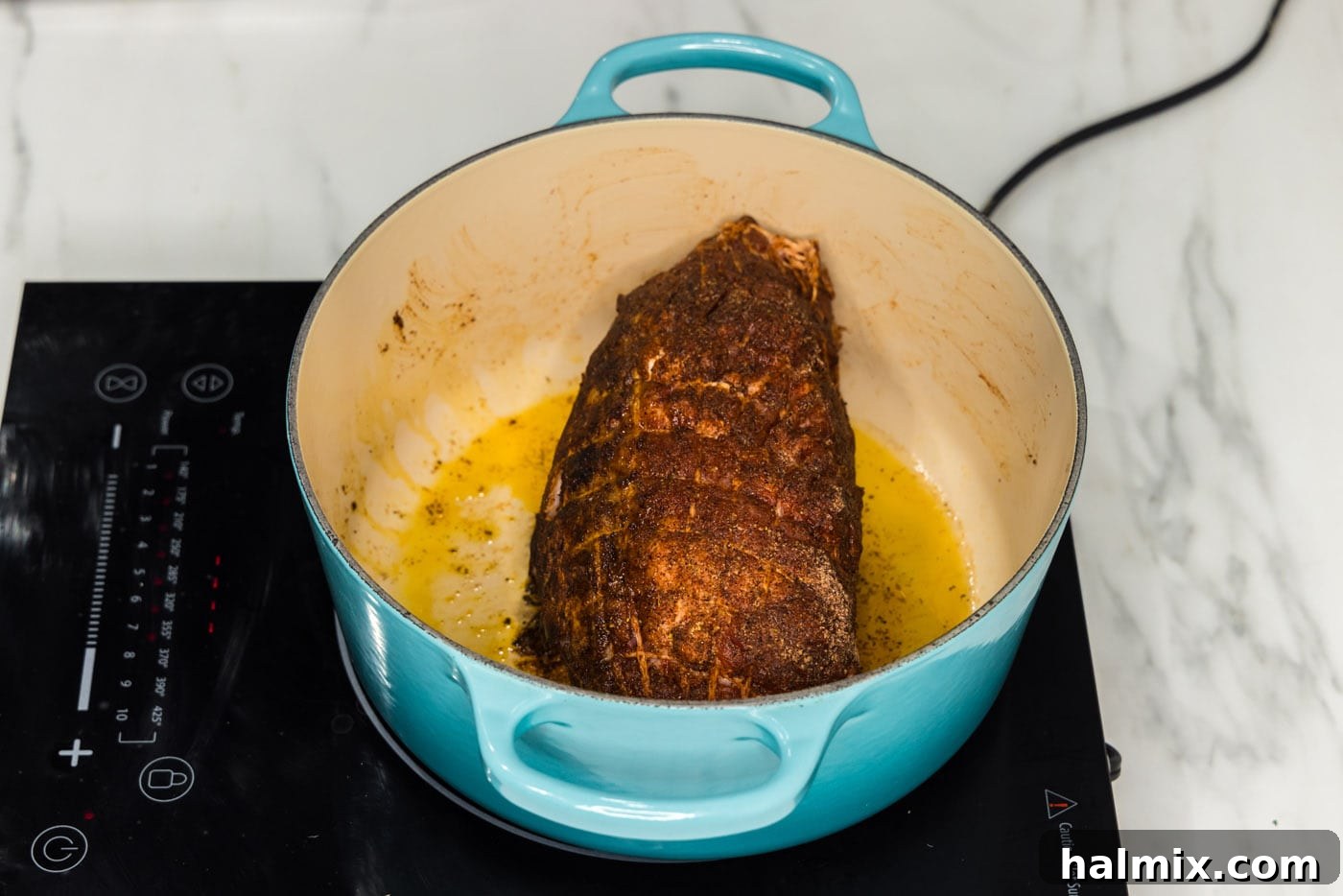
- Heat the Dutch Oven: Place your Dutch Oven over medium-high heat on your stovetop. Add the olive oil and allow it to warm until it visibly shimmers. This indicates it’s hot enough to achieve a proper sear.
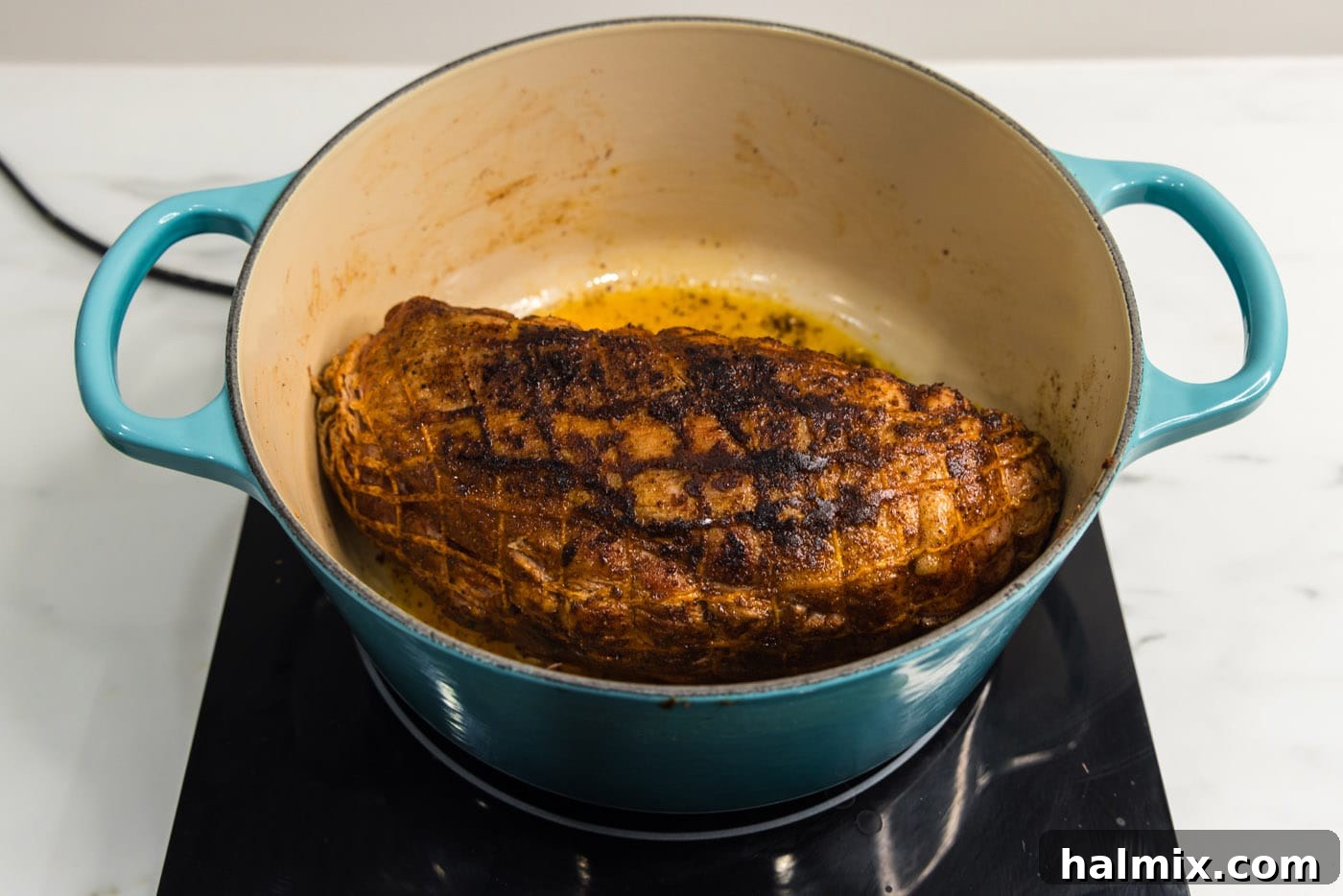
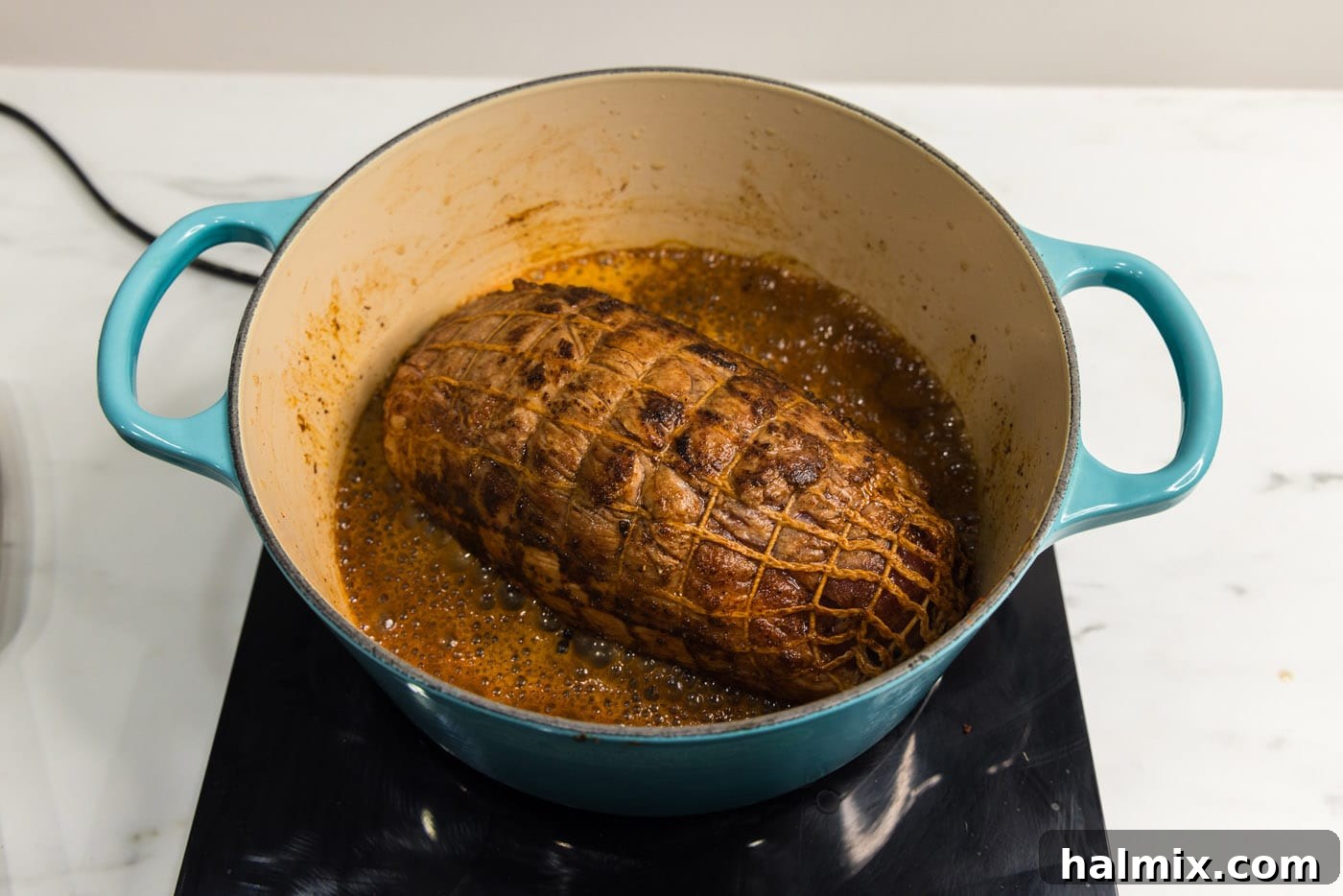
- Sear for Flavor: Carefully add the seasoned pork roast to the hot Dutch oven. Allow it to sear undisturbed for 1-2 minutes until a deep golden-brown crust forms. Use tongs to turn the roast, searing all sides equally. This crucial step, known as the Maillard reaction, develops incredible depth of flavor that cannot be achieved by simply boiling or braising.
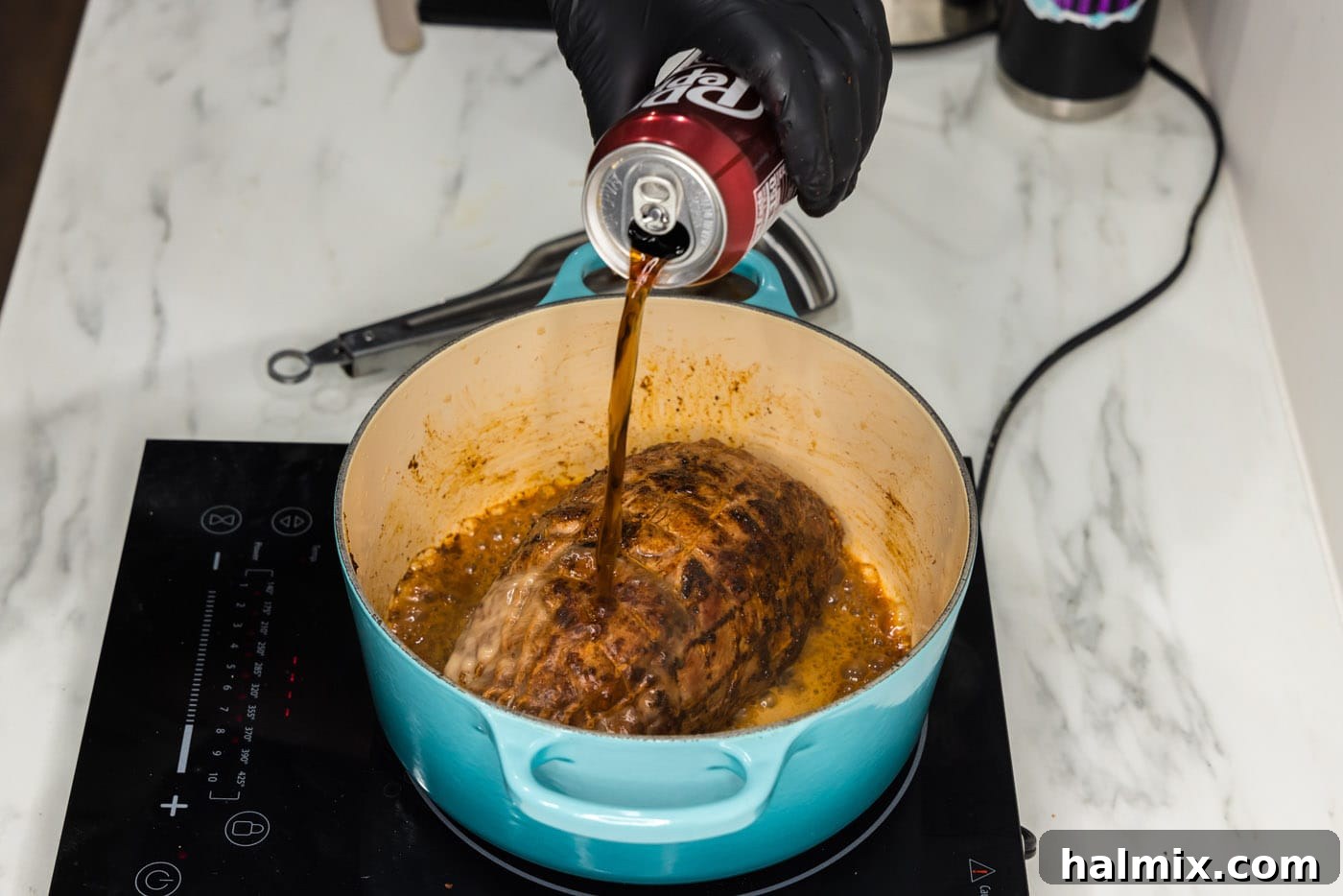
- Add the Liquid: Once all sides are beautifully seared, carefully pour the Dr. Pepper over the roast. Ensure the liquid comes up around the sides of the pork but doesn’t necessarily submerge it entirely. The steam and flavor will circulate throughout the Dutch oven.
- Bake to Tenderness: Securely place the lid on your Dutch oven and transfer it to the preheated oven. Bake for approximately 3 hours. This duration is typically sufficient for a 3-pound roast, roughly one hour per pound. The goal is fork-tender meat, so don’t be afraid to extend cooking if needed until it reaches the desired internal temperature of 205°F (96°C).
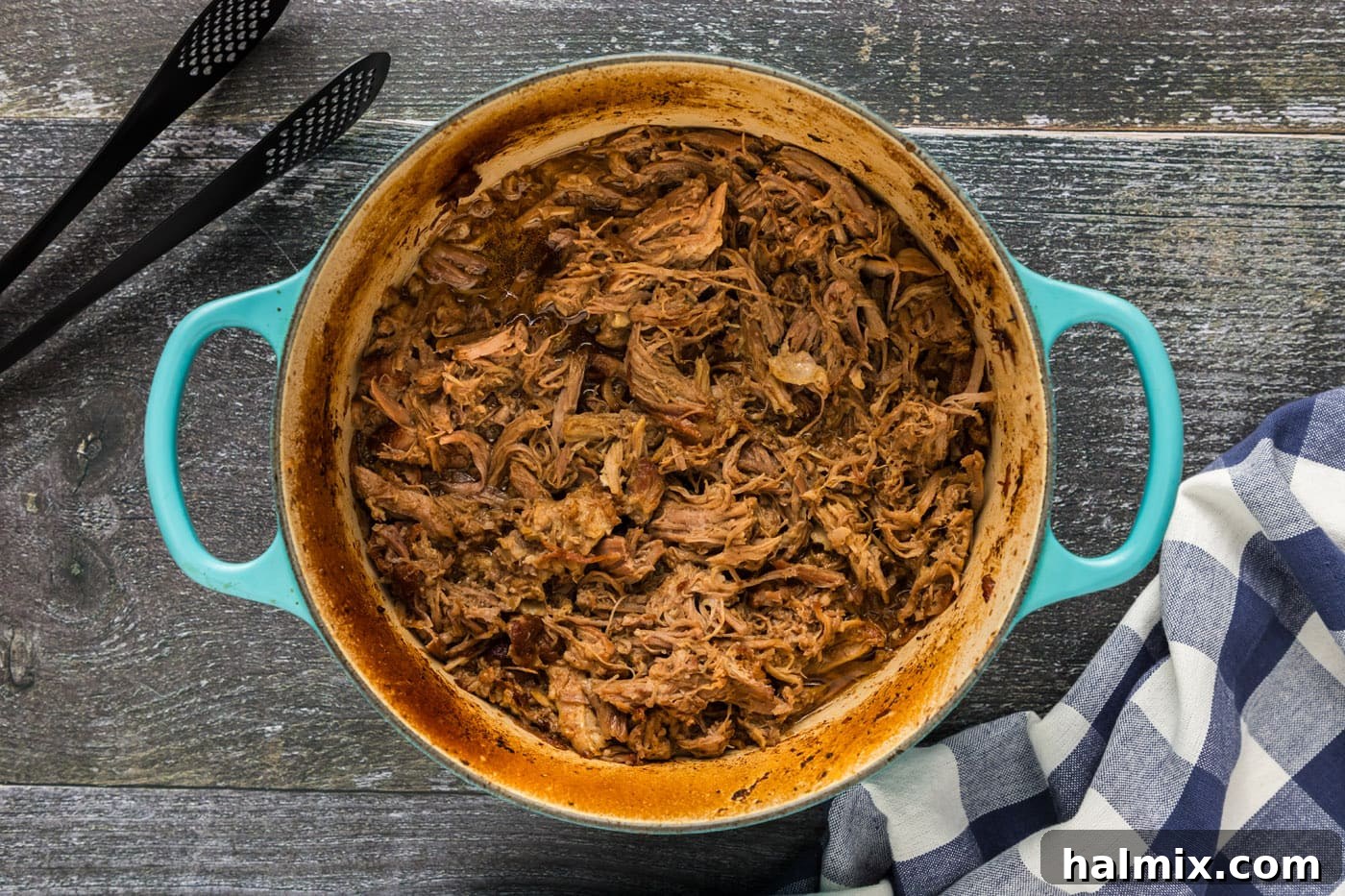
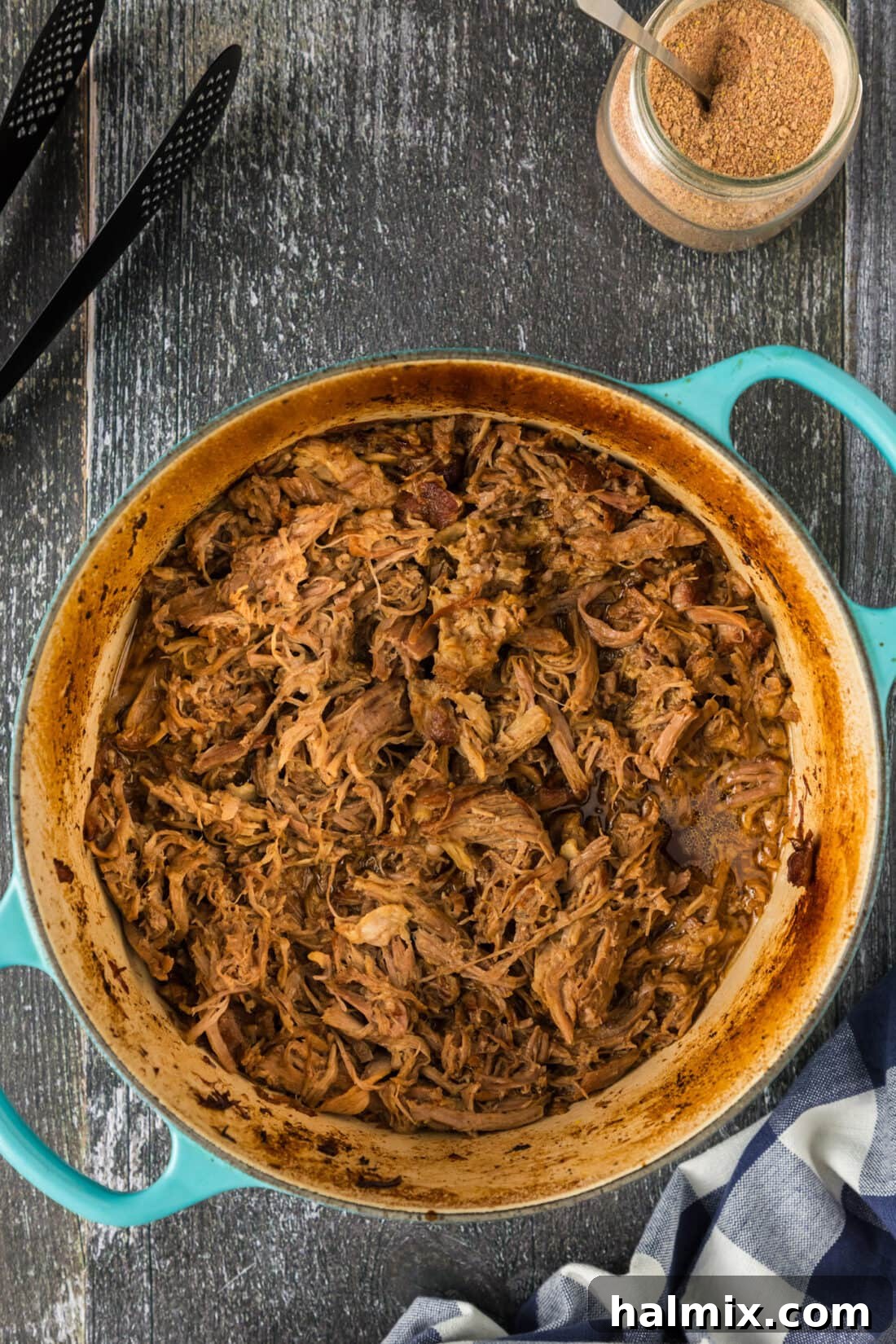
- Shred and Finish: Carefully remove the Dutch oven from the oven. If your pork shoulder was tied, remove any kitchen string. Using two forks or specialized meat claws, shred the incredibly tender meat directly in the pot, allowing it to soak up all those flavorful juices. For an even richer, slightly crispier exterior, return the shredded pork to the oven, uncovered, for an additional 30 minutes. This allows some of the moisture to evaporate and concentrates the flavors, creating delicious caramelized “bark” bits.
Frequently Asked Questions & Expert Tips for Pulled Pork Success
To help you master this incredible dish, we’ve compiled answers to common questions and essential expert tips:
Proper storage is key to enjoying your delicious leftovers. Once cooled, transfer leftover pulled pork and any remaining juices to an airtight container. It will keep beautifully in the refrigerator for up to 4 days. For longer storage, pulled pork freezes exceptionally well. Portion it into freezer-safe bags or containers, ensuring minimal air exposure, and freeze for up to 3 months. To reheat, thaw overnight in the refrigerator if frozen. For best results, reheat gently on the stovetop over low heat, adding a splash of water, broth, or even more Dr. Pepper to remoisten. You can also reheat it in the microwave, covered with a damp paper towel, or in a covered oven-safe dish at 250°F (120°C) until warmed through.
While most meats are considered “done” around 145-165°F, pulled pork needs to go much further to achieve that fall-apart texture. The ideal internal temperature for shreddable pork shoulder is between 200°F and 205°F (93-96°C). At this temperature, the connective tissues (collagen) in the pork have fully broken down into gelatin, making the meat incredibly tender and easy to shred. A reliable meat thermometer is your best friend here.
While pork shoulder (Boston butt) is highly recommended due to its fat content and structure, you could technically use other cuts with varying results. Pork loin or tenderloin are too lean and will become dry when cooked for this duration. Pork leg (ham) or picnic shoulder could work, but they tend to be leaner than Boston butt and may require closer monitoring to prevent drying out and might not yield the same rich, succulent texture. Stick to pork shoulder for guaranteed success with this recipe.
If you love a smoky kick but don’t have a smoker, there are a few tricks. You can incorporate a liquid smoke into the Dr. Pepper before braising, typically 1-2 teaspoons, depending on desired intensity. Alternatively, using a smoked paprika in your dry rub instead of regular paprika can lend a subtle smoky aroma. Some BBQ sauces also come with natural smoke flavor, which can be added after shredding.
Creative Ways to Serve Your Dutch Oven Pulled Pork
The versatility of Dutch oven pulled pork makes it a fantastic base for an array of meals. Beyond the classic, there are countless delicious ways to enjoy it, whether fresh off the stove or as a delightful leftover transformation. It’s surprisingly good cold, offering a convenient, flavorful option for quick meals!
Classic Sandwiches: The quintessential way to enjoy pulled pork is piled high between two toasted burger buns, often slathered with your favorite BBQ sauce. Elevate your sandwich game with crunchy coleslaw for texture, tangy pickled red onions, or crispy fried onion straws for an extra layer of flavor and crunch. A slice of melted provolone or cheddar can add a creamy richness.
Beyond the Bun:
- Tacos and Nachos: Use pulled pork as a savory filling for soft tortillas with fresh salsa, avocado, and sour cream, or scatter it over a bed of crispy tortilla chips with melted cheese, jalapeños, and all your favorite nacho toppings.
- Salads and Wraps: For a lighter meal, toss warm or cold pulled pork with your favorite greens, a zesty vinaigrette, and fresh vegetables for a hearty salad. It also makes a fantastic, filling ingredient for a wrap with coleslaw and a drizzle of BBQ sauce.
- Stuffed Potatoes: Load baked potatoes or sweet potatoes with pulled pork, cheese, sour cream, and chives for a comforting and satisfying meal.
- Mac and Cheese Booster: Stir shredded pork into creamy macaroni and cheese for an incredibly decadent and hearty main dish.
- Breakfast Hash: Repurpose leftovers into a flavorful breakfast hash with diced potatoes, onions, and bell peppers, topped with a fried egg.
- Pizza Topping: Spread a thin layer of BBQ sauce on pizza dough, add pulled pork, red onions, and mozzarella for a unique BBQ pulled pork pizza.
Perfect Side Pairings: If you’re enjoying your pulled pork as a standalone main course, consider pairing it with classic comfort food sides. Creamy mashed potatoes, buttered corn on the cob, crisp green beans, roasted broccoli, or glazed carrots all complement the rich flavors beautifully. A vibrant potato salad or a fresh garden salad can also provide a refreshing counterpoint.
Explore More Pork Creations
If you’ve enjoyed this Dutch oven pulled pork, you’ll love exploring other versatile and delicious pork recipes from our collection. From quick Instant Pot meals to more traditional slow-cooked delights, there’s a pork dish for every occasion and craving:
- Authentic Carnitas
- Instant Pot Pulled Pork
- Classic Slow Cooker Pulled Pork
- Slow Cooker Oriental Pork Roast
- Instant Pot Carnitas
I absolutely adore sharing my passion for baking and cooking, and bringing my kitchen experiences directly to you! It can be tricky to remember to check in daily for new inspiration, which is why I offer a convenient newsletter delivered right to your inbox whenever a new recipe is posted. Simply subscribe today and start receiving your free daily recipes, making sure you never miss a delicious update!

Dutch Oven Pulled Pork
IMPORTANT – Don’t forget to scroll up and read the Frequently Asked Questions and Expert Tips section within the blog post for invaluable advice!
Print It
Pin It
Rate It
Save ItSaved!
Ingredients
- 3 pounds boneless pork shoulder (Boston butt recommended)
- ⅓ cup pulled pork rub (homemade or your favorite brand)
- 2 Tablespoons olive oil
- 12 ounces Dr. Pepper (1 standard can, or substitute with cola)
Tools You’ll Need
-
5 qt Dutch oven (a 4-6 quart oven-safe Dutch oven is ideal)
-
Tongs (for searing and handling meat)
-
Meat Thermometer (highly recommended for accuracy)
Chef’s Notes & Prep Advice
- Pork Size & Cooking Time: This recipe is calibrated for a 3-pound boneless pork shoulder. If you’re using a larger cut, anticipate longer cooking times. A general guideline is to add an extra hour of baking for every additional pound of pork. Always cook until the internal temperature reaches 205°F (96°C) for optimal shredding.
- Dr. Pepper Alternatives: While Dr. Pepper provides a unique flavor profile, you can successfully substitute it with a can of cola or even root beer if preferred. For a less sweet option with similar tenderizing benefits, consider using apple cider vinegar mixed with chicken broth.
- Pat Dry for Better Sear: Before applying the rub, ensure your pork shoulder is thoroughly patted dry with paper towels. This helps achieve a superior sear and a more flavorful crust.
- Resting the Meat: While not explicitly a step, allowing the pork to rest for 10-15 minutes after removing it from the oven (before shredding) can help redistribute juices, resulting in even more tender and moist pulled pork.
Instructions
-
Preheat your oven to 300°F (150°C).
-
Thoroughly pat the pork roast dry with paper towels. Then, generously cover the entire surface of the roast with the dry rub, ensuring it’s evenly coated on all sides.
-
Place your Dutch oven over medium-high heat on the stovetop. Add the olive oil and heat until it shimmers.
-
Carefully add the seasoned pork roast to the hot Dutch oven. Sear for 1-2 minutes until a golden-brown crust forms. Use tongs to turn the roast, searing each side for another minute or so, until all sides are beautifully browned.
-
Pour the Dr. Pepper over the seared roast in the Dutch oven.
-
Place the lid securely on the Dutch oven and transfer it to your preheated oven. Bake for approximately 3 hours (adjusting for larger roasts, roughly 1 hour per pound), or until the internal temperature of the pork reaches 205°F (96°C).
-
Carefully remove the Dutch oven from the oven. If your pork shoulder was tied, remove any string. Using two forks or meat claws, shred the tender meat directly in the pot, mixing it with the flavorful juices. For a slightly crispier texture, return the shredded pork to the oven, uncovered, for an additional 30 minutes. Serve hot.
Expert Tips & FAQs
- For specific nutritional values of our homemade rub, please refer to our dedicated pulled pork rub recipe.
- Leftover Storage: Store any leftover pulled pork in an airtight container in the refrigerator for up to 4 days. For longer preservation, it can be frozen for up to 3 months. When reheating, cover the pork with a paper towel in the microwave or add a splash of water/broth when reheating on the stovetop or in the oven to maintain moisture.
- Don’t Rush the Sear: The initial searing step is crucial for developing deep, complex flavors. Take your time to achieve a good brown crust on all sides of the pork.
- Monitor Temperature: An accurate meat thermometer is invaluable. Cooking to the correct internal temperature of 205°F is more important than strict adherence to time, as oven temperatures can vary.
- Let it Rest: Allowing the cooked pork to rest briefly (10-15 minutes, covered) before shredding helps the juices redistribute, ensuring a more tender and moist result.
Nutrition Facts
The recipes developed for this blog are tested using a conventional gas oven and gas stovetop. Please be aware that oven performance, especially with older models, can be inconsistent. Utilizing an inexpensive oven thermometer can help verify that your oven is accurately reaching the set temperature. For those using toaster ovens or countertop ovens, note that heat distribution may differ from full-sized conventional ovens, potentially requiring adjustments to your cooking or baking times. In recipes involving appliances like pressure cookers, air fryers, or slow cookers, links to the specific appliances we use are provided for reference within each recipe. For baking recipes where ingredients are measured by weight, we highly recommend adhering to those measurements, as results may vary significantly if volume (cup) measurements are used instead, and success with alternative methods cannot be guaranteed.