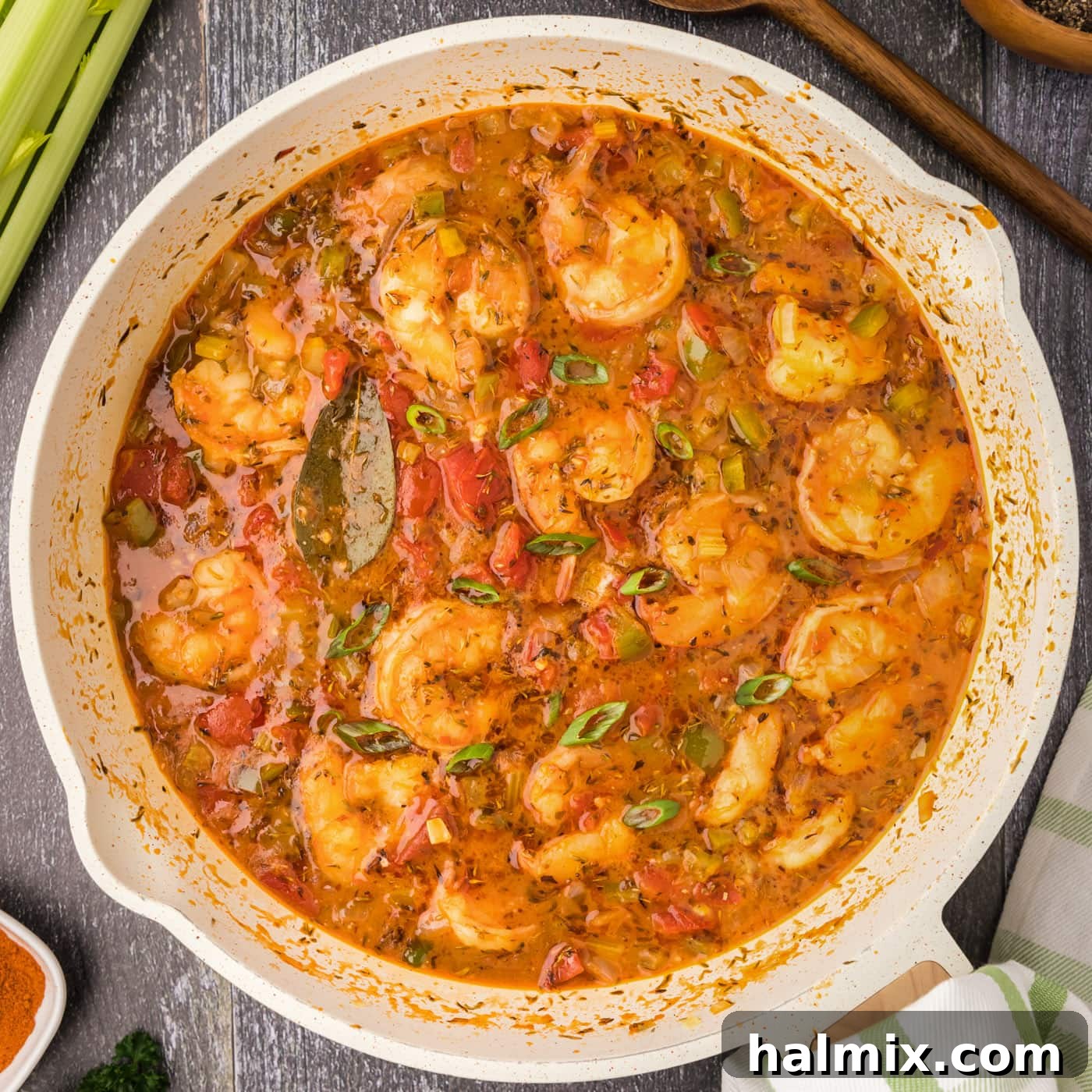
Embark on a culinary journey to the vibrant heart of Louisiana with this incredibly flavorful and easy-to-make Shrimp Creole stew. A true masterpiece of Creole cooking, this dish tantalizes the taste buds with its rich blend of plump, succulent shrimp, the aromatic “Holy Trinity” of vegetables, and a symphony of herbs and spices, all simmered together in a robust, tomato-based sauce. Perfect for a weeknight dinner or a special occasion, this soulful meal comes together in approximately 30 minutes, bringing a touch of Southern warmth and spice to your table.
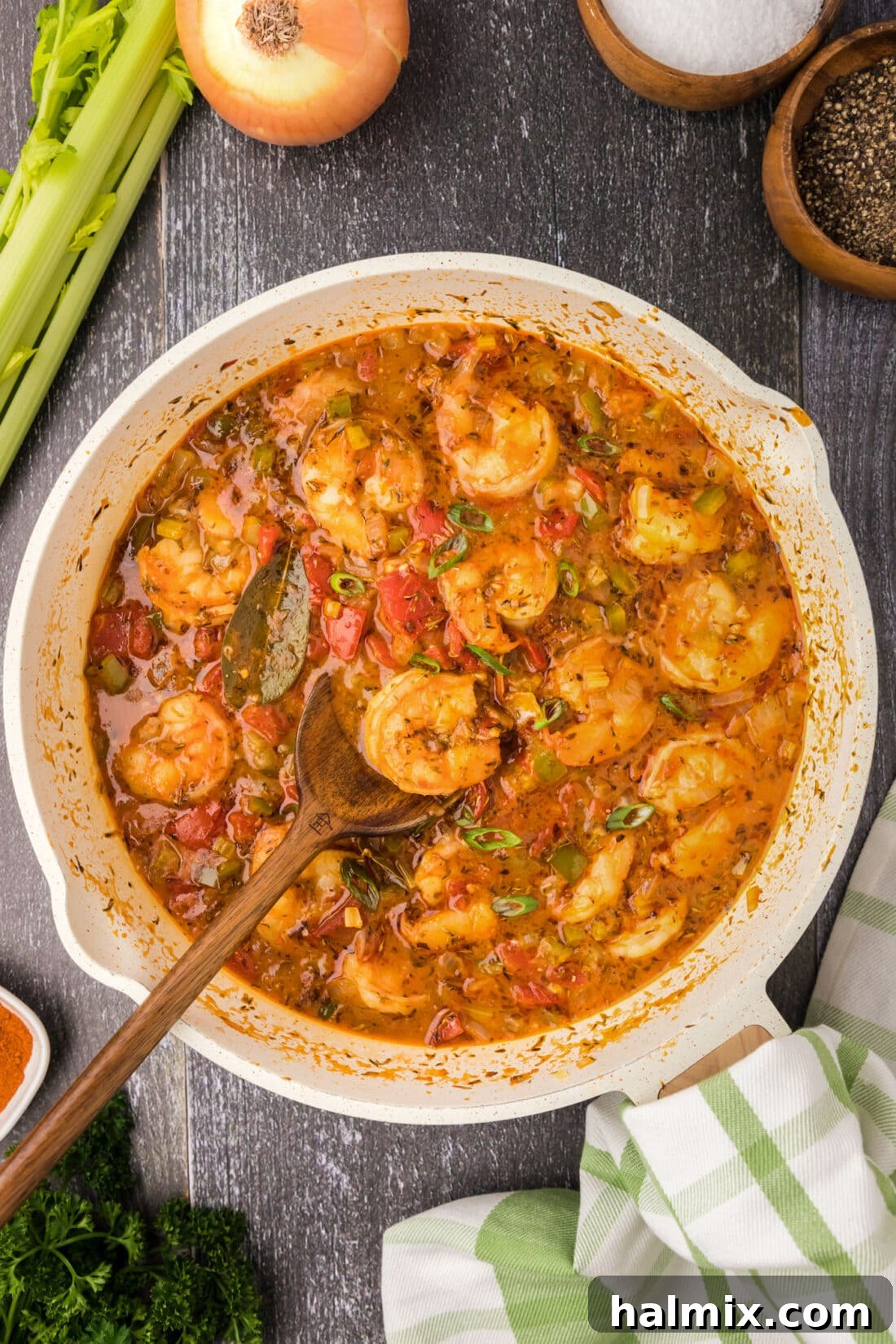
Why You’ll Love This Quick & Flavorful Shrimp Creole Recipe
This Shrimp Creole isn’t just a meal; it’s an experience, embodying the soulful essence of Louisiana cuisine. Its widespread acclaim is well-deserved, and here’s why this particular recipe stands out as a must-try for home cooks:
- Authentic Creole Flavors: We capture the true spirit of Creole cooking with a perfectly balanced blend of spices, rich tomato, and the essential “Holy Trinity” vegetables (celery, onion, bell pepper). Each bite delivers a harmonious medley of sweet, savory, and spicy notes that transport you straight to New Orleans.
- Lightning-Fast Preparation: Despite its deeply complex flavor profile, this hearty stew is surprisingly quick to prepare, requiring only about 30 minutes from start to finish. It’s an ideal choice for busy weeknights when you crave something special without spending hours in the kitchen, proving that authentic flavor doesn’t have to mean extensive effort.
- Succulent Shrimp: The recipe is carefully crafted to ensure your shrimp remain juicy and tender, infused with the vibrant flavors of the sauce, never overcooked or rubbery. We provide tips to achieve that perfect texture every time.
- One-Pan Wonder: Most of the cooking happens in a single deep-sided skillet or Dutch oven, minimizing cleanup and making the entire cooking process even more enjoyable. Fewer dishes mean more time to savor your delicious creation.
- Customizable Heat: Whether you prefer a gentle warmth that tingles the tongue or a fiery kick that truly awakens the senses, the spice level of this Shrimp Creole is easily adjustable to suit your personal palate.
- Hearty & Satisfying: When served over a bed of fluffy white rice, this dish transforms into a complete, satisfying meal that truly sticks to your ribs, offering comfort and a taste of home, Southern-style.
It’s a dish that masterfully brings together comfort, tradition, and incredible taste in one vibrant bowl, making it a guaranteed crowd-pleaser for family and friends alike.
The Essence of Creole Cuisine: A Glimpse into Shrimp Creole’s Rich Roots
Creole cuisine is a unique melting pot of cultures, much like the historic city of New Orleans itself. Born from a beautiful fusion of French, Spanish, African, Native American, and Caribbean culinary traditions, it is renowned for its rich, layered flavors, often elegant sauces, and the frequent use of local ingredients like tomatoes and the ubiquitous “Holy Trinity” (onions, celery, and bell peppers). Shrimp Creole stands as a prime, delectable example of this vibrant culinary heritage.
While often confused with Cajun cuisine, a close cousin from Louisiana’s bayous, Creole dishes like this one proudly showcase bright, savory tomato bases and a more refined, layered approach to flavor. Cajun cooking, by contrast, frequently emphasizes a darker roux and less tomato. Historically, Creole cooking was associated with the urban kitchens of New Orleans, evolving with access to a wider variety of ingredients through the city’s bustling port. Shrimp, abundant in the Gulf of Mexico, naturally became a star ingredient in many Creole dishes, celebrated for its versatility and flavor. This stew represents a cherished tradition of transforming simple, fresh ingredients into something truly extraordinary, a testament to the ingenuity, resourcefulness, and profound passion for food found in Louisiana.
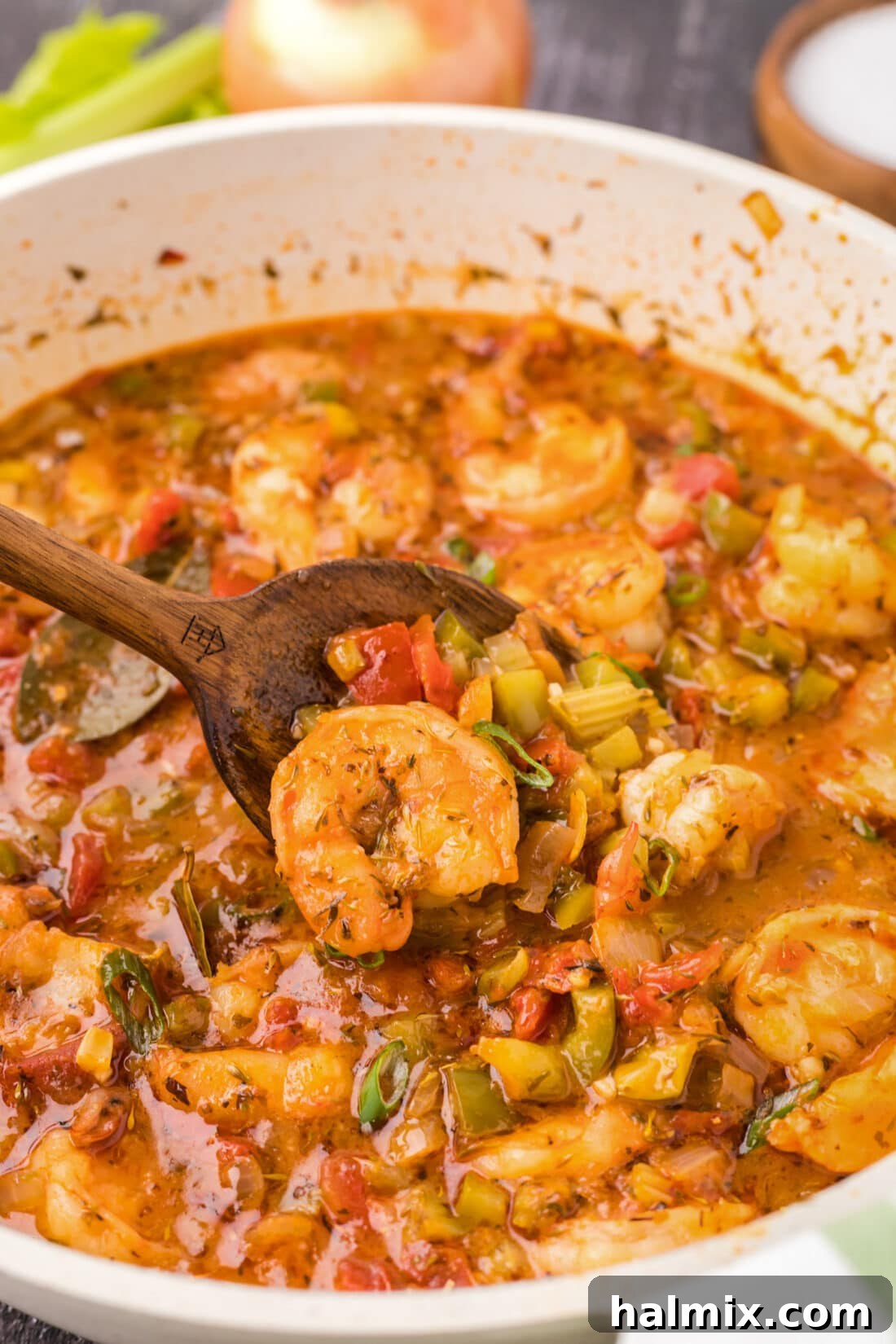
Essential Ingredients for Perfect Shrimp Creole
Gathering the right, fresh ingredients is the foundational first step to creating an authentic and truly delicious Shrimp Creole. You’ll find a detailed list with precise measurements in the comprehensive recipe card at the very end of this post, but let’s dive into some of the key components and explore why they are so important to the dish’s success, along with smart substitution suggestions.
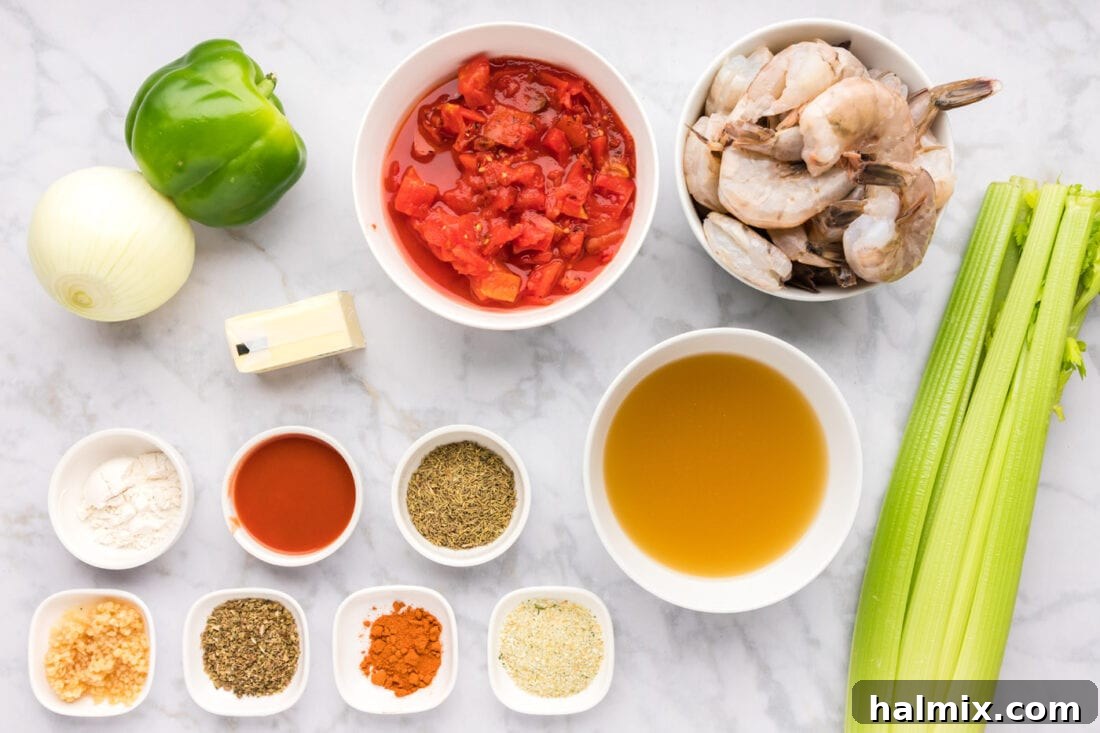
Ingredient Spotlight & Smart Substitutions
- Shrimp: For this robust and flavorful stew, you will need 1 pound of large raw shrimp. It is paramount that they are peeled, deveined, and have their tails removed for the most enjoyable eating experience in a saucy dish. Both fresh and frozen shrimp work wonderfully; if opting for frozen, ensure they are completely thawed before you begin cooking. This prevents watering down your precious sauce and guarantees even cooking. A swift thawing method involves placing the frozen shrimp in a sealed ziptop bag and submerging it in a bowl of cold water for approximately 20 minutes. Crucially, never use warm or hot water, as this can prematurely begin to cook the shrimp unevenly, leading to a less desirable texture. For an extra layer of flavor, some cooks prefer to use shrimp with tails on and remove them just before serving, as the shells can impart more taste during the simmering process, though for a stew, tail-off is generally preferred for convenience.
- The Holy Trinity (Veggies): A true cornerstone of both Cajun and Creole cuisines, this iconic trio of finely diced onions, celery, and bell peppers (traditionally green bell pepper) provides the foundational aromatic flavor for countless beloved Southern dishes, from savory dirty rice to hearty jambalaya. Their slow and gentle sautéing forms a deeply savory base that builds incredible depth of flavor in the stew. While green bell pepper offers that classic, slightly bitter, and herbaceous note that truly defines the dish, feel free to experiment with red or yellow bell peppers for a slightly sweeter flavor and a vibrant pop of color. Ensure your vegetables are uniformly diced for a smooth consistency throughout the stew.
- The Flavorful Sauce Base:
- Tomatoes: Fire-roasted diced tomatoes are a fantastic choice for this recipe, lending a wonderful smoky depth and an extra hint of warmth to the Creole sauce. The subtle char enhances the overall profile. However, if you prefer a milder flavor or find fire-roasted varieties elusive, regular diced tomatoes are a perfectly acceptable and delicious substitute.
- Chicken Stock: This rich liquid forms the crucial body of our sauce. Using low-sodium chicken stock allows you precise control over the overall saltiness of your finished dish. For alternative dietary needs or flavor profiles, vegetable stock can be used for a pescatarian option, or even seafood stock if you’re looking to amplify the oceanic flavors of the shrimp.
- Spices & Heat: Freshly minced garlic, dried oregano, and dried thyme are utterly essential for that classic Creole aroma and herbaceous depth. Cayenne pepper provides the characteristic heat that makes Shrimp Creole so soulful. The strategic addition of Frank’s Red Hot Sauce (or your preferred Louisiana-style hot sauce) further layers the spice and introduces a delightful tang. This recipe is designed to deliver a noticeable warmth that beautifully complements rather than overwhelms the other flavors. However, remember that personal preference is key: feel free to adjust the amounts of cayenne and hot sauce to perfectly match your desired level of spiciness – scale up for a bolder kick or dial it down for a milder, family-friendly stew.
- Thickening Agent: A single tablespoon of all-purpose flour helps to subtly thicken the sauce, creating that comforting, stew-like consistency without the need for preparing a traditional roux, making this recipe quicker and simpler.
- Butter: Unsalted butter is preferred for sautéing your aromatics, as it gives you complete control over the salt content in the dish. Beyond its practical use, it adds a luxurious richness and helps to brown the vegetables beautifully, enhancing their flavor.
- Bay Leaves: These fragrant leaves are an indispensable addition, infusing the stew with a subtle, aromatic, and slightly woodsy herbal note as it simmers. Just remember to remove them before serving, as they are not meant to be eaten.
Essential Equipment for Your Shrimp Creole Adventure
Having the right tools at hand makes the cooking process smooth and enjoyable. Here’s the essential equipment you’ll need for preparing your delicious Shrimp Creole:
- Large Deep-Sided Skillet or Dutch Oven: This is the hero of our kitchen. A crucial piece of equipment for this recipe, its depth allows all ingredients to simmer comfortably without overflowing, containing all the deliciousness. A sturdy deep-sided skillet or a cast-iron Dutch oven is ideal for sautéing vegetables and simmering the stew to perfection.
- Cutting Board and Sharp Knife: Essential for efficiently and safely preparing your shrimp and uniformly chopping all your vegetables.
- Measuring Cups and Spoons: For ensuring accurate ingredient proportions, which is key to achieving consistent flavor.
- Wooden Spoon or Spatula: Indispensable for stirring, sautéing, and gently scraping the bottom of the pan to prevent sticking and ensure all flavors are incorporated.
Step-by-Step Guide: Crafting Your Delicious Shrimp Creole
These detailed step-by-step photos and instructions are designed to help you visualize each crucial stage of making this incredible recipe, ensuring success even for novice cooks. For a concise, printable version with all precise measurements and instructions, simply scroll down to the full recipe card located at the bottom of this post.
- Melt the Butter: Begin by melting 4 tablespoons of unsalted butter in your chosen deep-sided skillet over medium-high heat. Allow the butter to fully melt and slightly foam, which indicates it’s ready for the initial burst of aromatic vegetables.
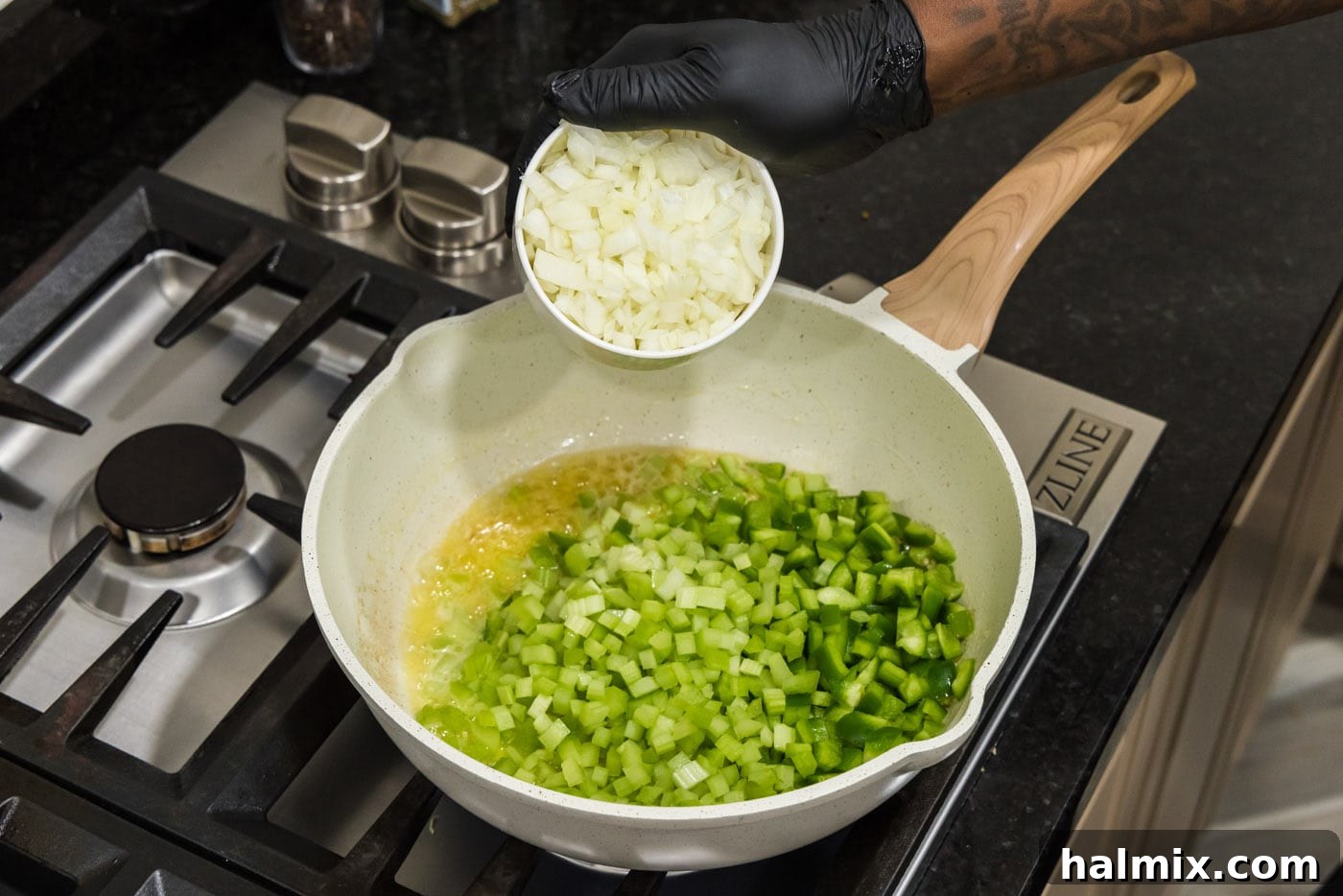
- Sauté the Holy Trinity: Add the 1 tablespoon of minced garlic, 1 cup of chopped green bell pepper, 1 cup of chopped celery, and 1 cup of chopped onion to the melted butter. Cook this vibrant mixture for 2-3 minutes, stirring occasionally. The goal here is to soften the vegetables slightly and allow their sweet, savory fragrances to release, creating the foundational flavor base for your stew, but avoid browning them excessively.

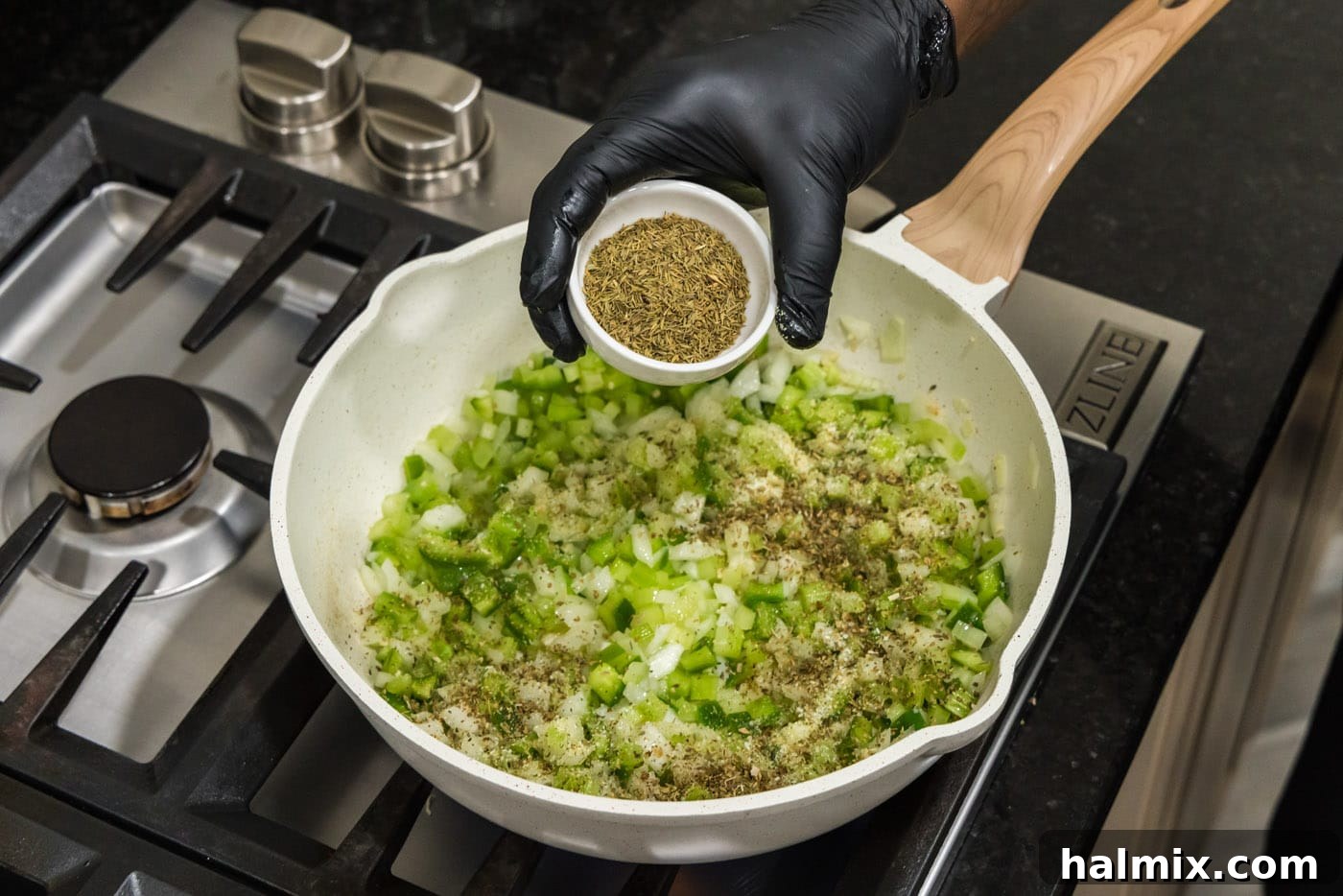
- Season with Aromatic Herbs: Sprinkle in 1 tablespoon of garlic salt, 2 tablespoons of dried thyme, and 1 tablespoon of dried oregano. Stir vigorously to ensure these potent herbs are evenly distributed among the sautéed vegetables, allowing their wonderful fragrances to fully bloom and meld with the aromatics.
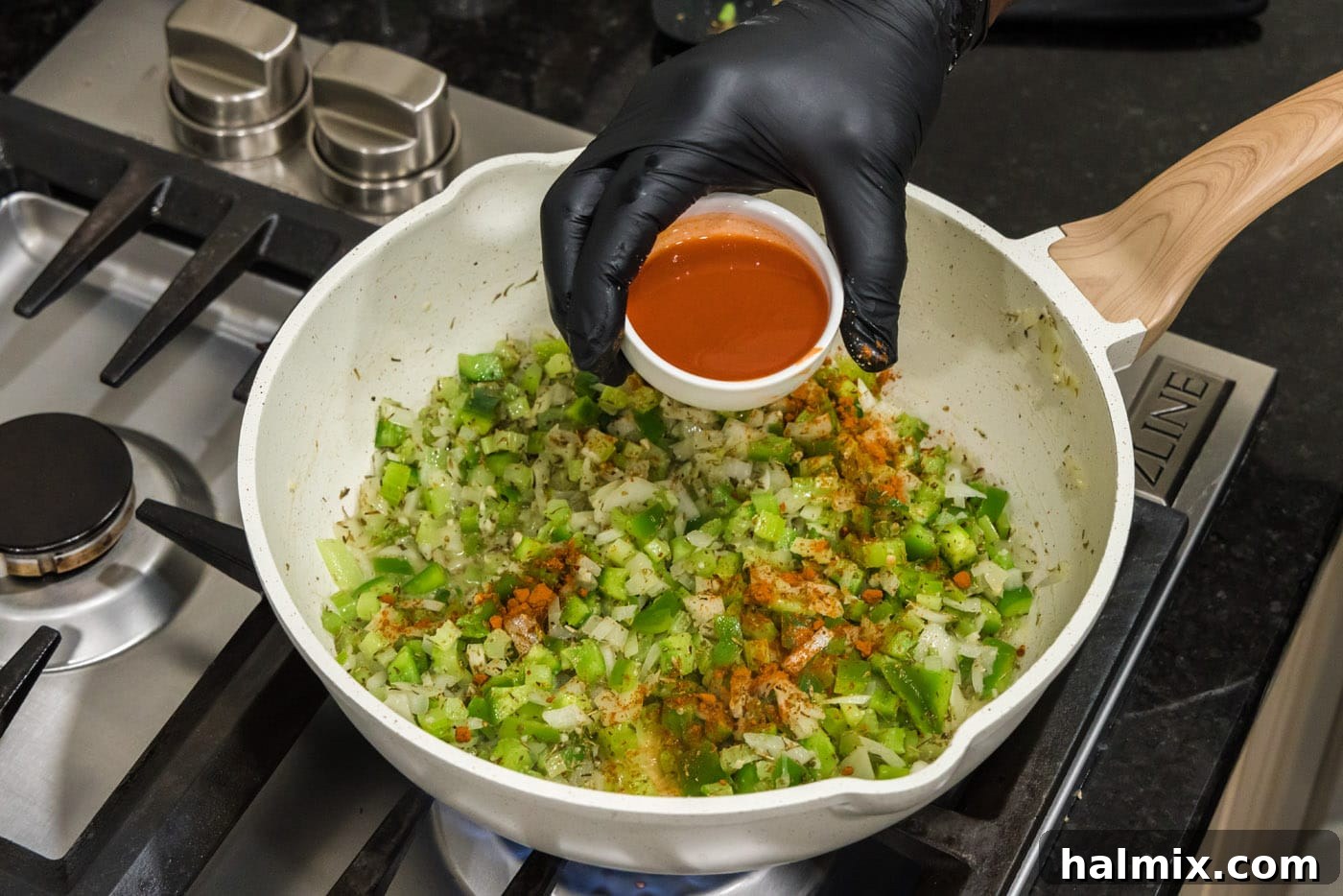
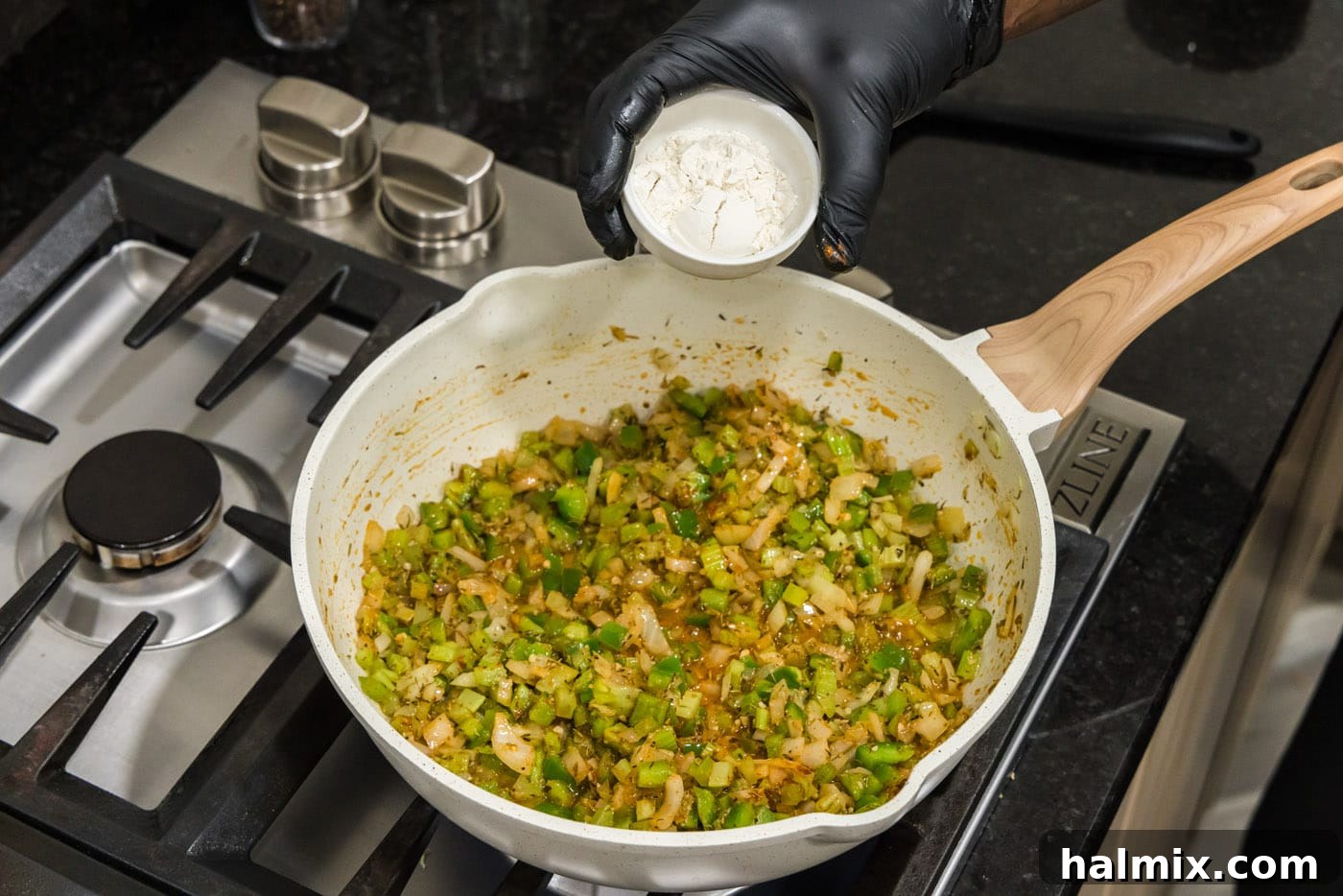
- Incorporate Spice and Thickener: Stir in 2 teaspoons of cayenne pepper, 2 tablespoons of Frank’s red hot sauce, and 1 tablespoon of all-purpose flour. Mix thoroughly for about 1 minute, ensuring the flour is completely incorporated with the butter and spices. This step creates a quick, flavorful paste, a roux-like base that will effectively thicken your sauce to the perfect consistency.
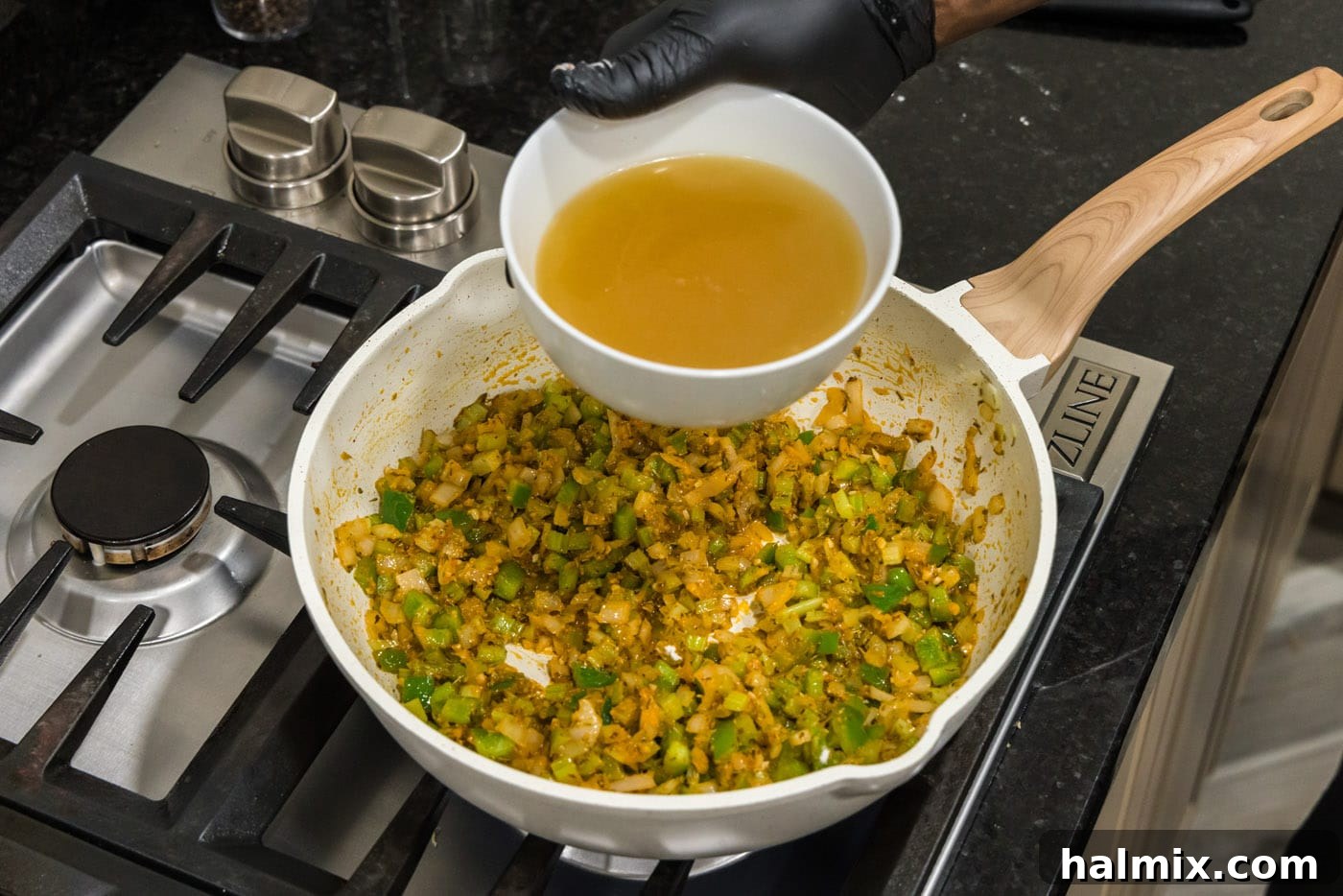
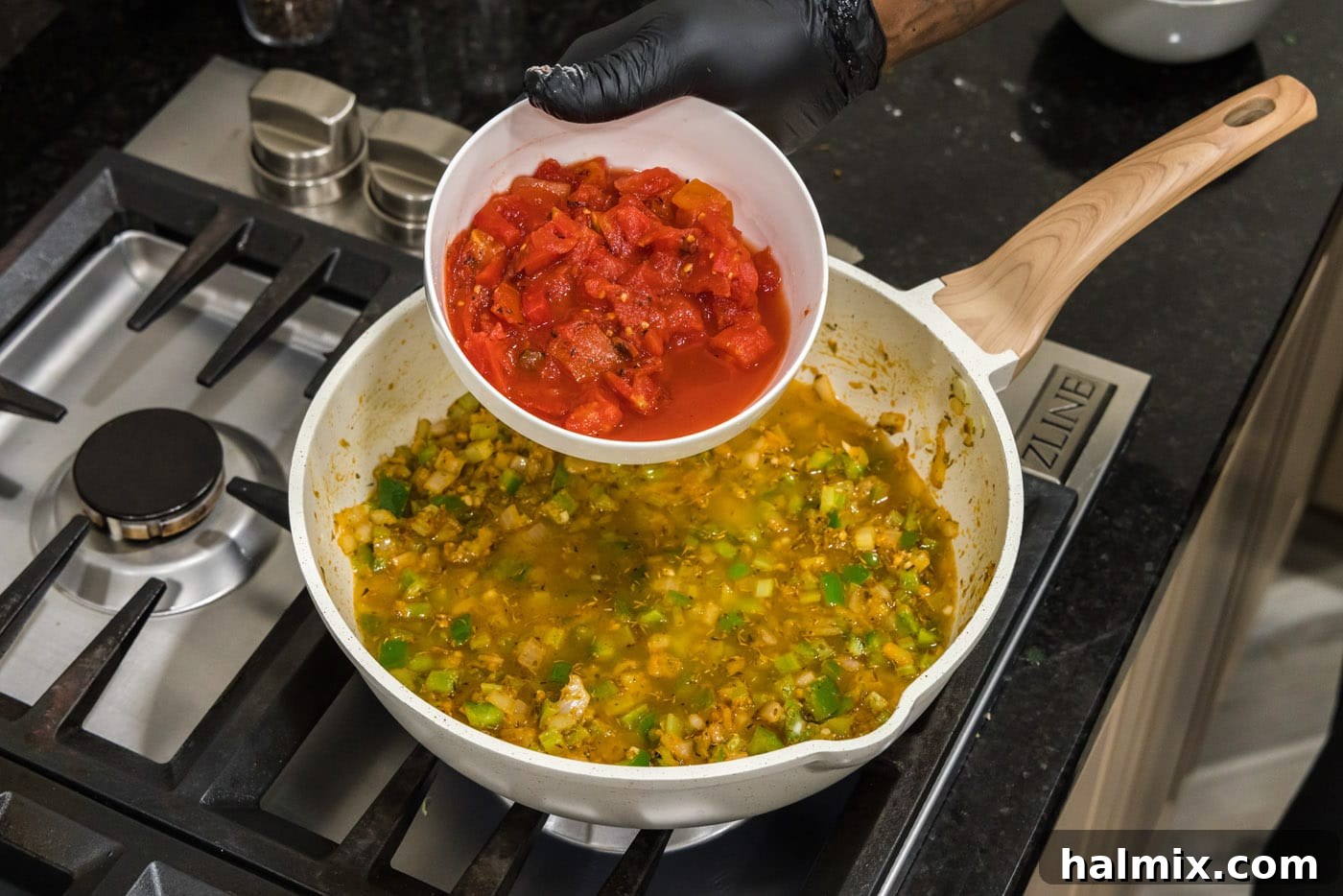
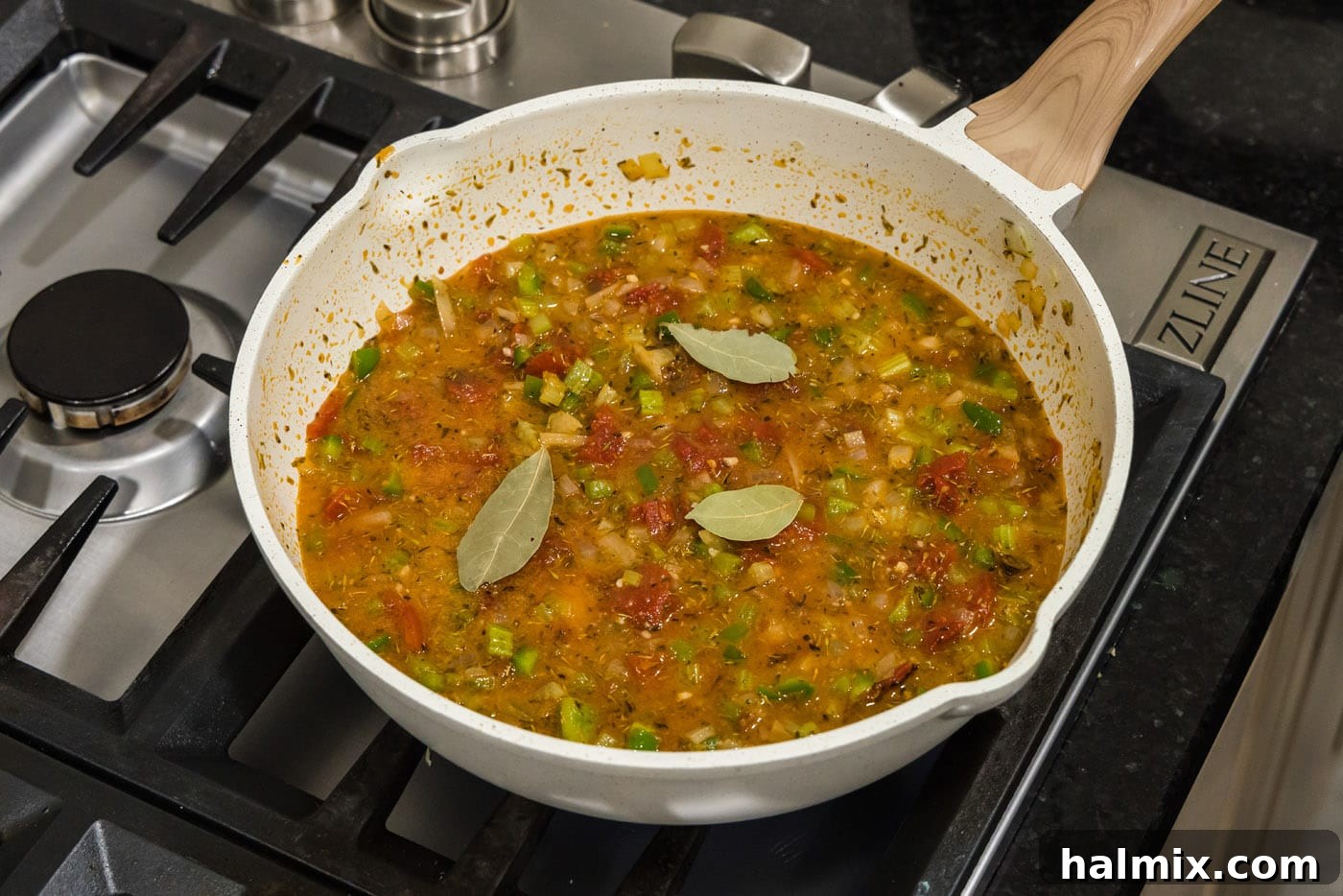
- Build and Simmer the Sauce: Pour in 1 ½ cups of chicken stock and the 14 ounces of canned diced tomatoes (fire-roasted if you’re using them for extra depth). Stir continuously to combine all ingredients smoothly, ensuring no lumps from the flour remain. Add the 3 bay leaves to the simmering sauce. Bring the mixture to a gentle boil, then immediately reduce the heat to a low simmer. Allow it to cook for about 5-7 minutes, giving the flavors ample time to meld harmoniously and the sauce to thicken slightly to a luscious consistency.
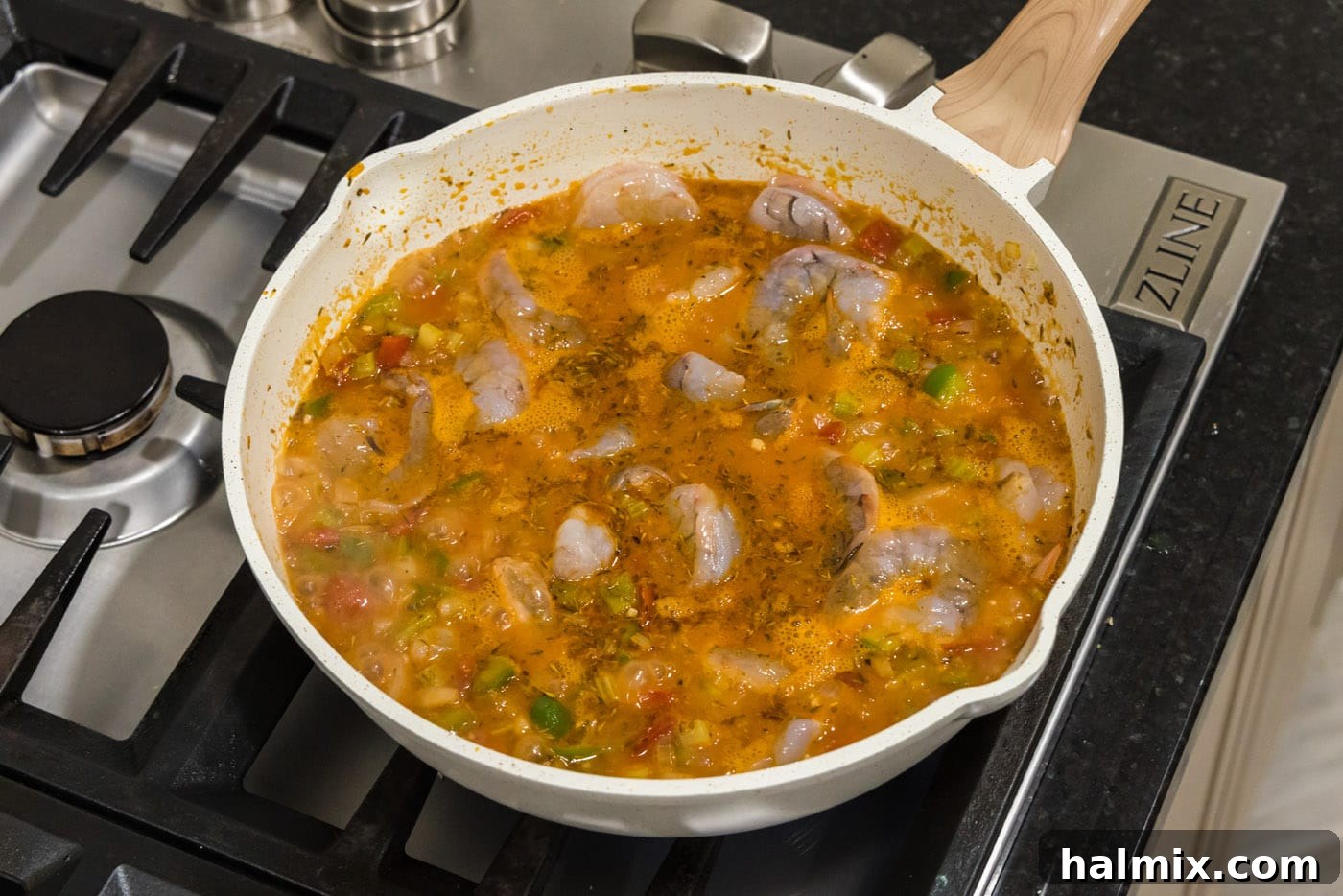
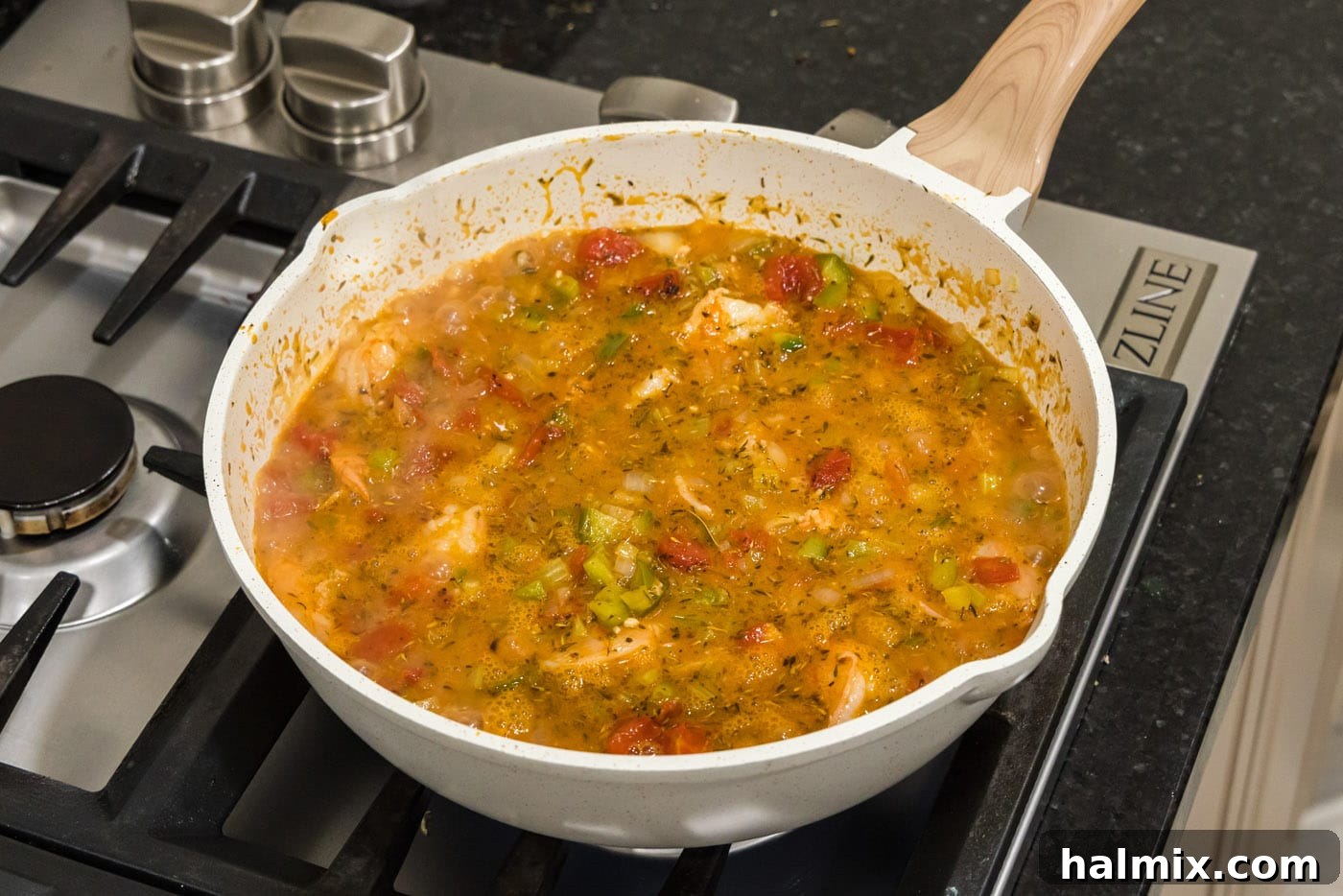
- Add Shrimp and Finish Cooking: Gently stir in the prepared 1 pound of raw shrimp. Bring the mixture back to a boil, then immediately reduce the heat to a low simmer. Cook for only 3-5 minutes, stirring occasionally. It is absolutely crucial not to overcook the shrimp, as they cook incredibly quickly. They are perfectly done when they curl into a loose “C” shape and turn opaque with vibrant pink and orange hues. Before serving, remember to carefully remove the bay leaves.
Frequently Asked Questions & Expert Tips for Shrimp Creole
Shrimp cooks incredibly fast, which means it can also easily be overcooked, leading to a tough, rubbery texture. The key is to watch for precise visual cues: shrimp will quickly curl into a loose “C” shape and turn opaque with vibrant pink and orange hues. If they curl into a tight “O” shape, they are likely overcooked. Aim for that perfect C-shape for tender, succulent, and juicy results every time.
To preserve its deliciousness, store any leftover Shrimp Creole in an airtight container immediately after it has cooled completely. Keep it refrigerated for 2-3 days. For best reheating results, gently warm it on the stovetop over medium-low heat or in the microwave until just heated through. If the sauce appears too thick, you can add a small splash of chicken stock or water to loosen it up.
While the tomato-based sauce freezes well on its own, freezing the entire dish with cooked shrimp is generally not recommended. Cooked shrimp tend to become tough, rubbery, and lose their delicate texture when thawed and reheated. If you wish to prepare this dish ahead, we suggest making the sauce, cooling it, and freezing it separately. When you’re ready to serve, thaw the sauce, bring it to a simmer, and then add fresh (or freshly thawed) shrimp to cook until just done.
Both are iconic Louisiana dishes, but they possess distinct characteristics. Shrimp Creole is a vibrant, tomato-based stew, featuring the “Holy Trinity” of vegetables and often a lighter, spicier profile. Shrimp Etouffee, conversely, is typically characterized by a richer, darker roux, resulting in a thicker, gravy-like consistency, and a more concentrated, buttery seafood flavor with less emphasis on tomatoes (though regional variations exist). Creole is generally considered more “saucy” and brightly flavored, while Etouffee is richer and more velvety.
Adjusting the heat level of your Shrimp Creole is incredibly simple and entirely up to your preference! For a spicier stew, feel free to increase the amount of cayenne pepper and/or add more Louisiana-style hot sauce to your liking. A pinch of red pepper flakes added during the sautéing of the vegetables can also boost the heat. For a milder version, simply reduce the cayenne pepper and hot sauce, or omit the hot sauce entirely. A small touch of sugar (about half a teaspoon) can also help to balance the acidity and reduce the perceived heat if it turns out too spicy for your taste.
Serving Your Delicious Shrimp Creole
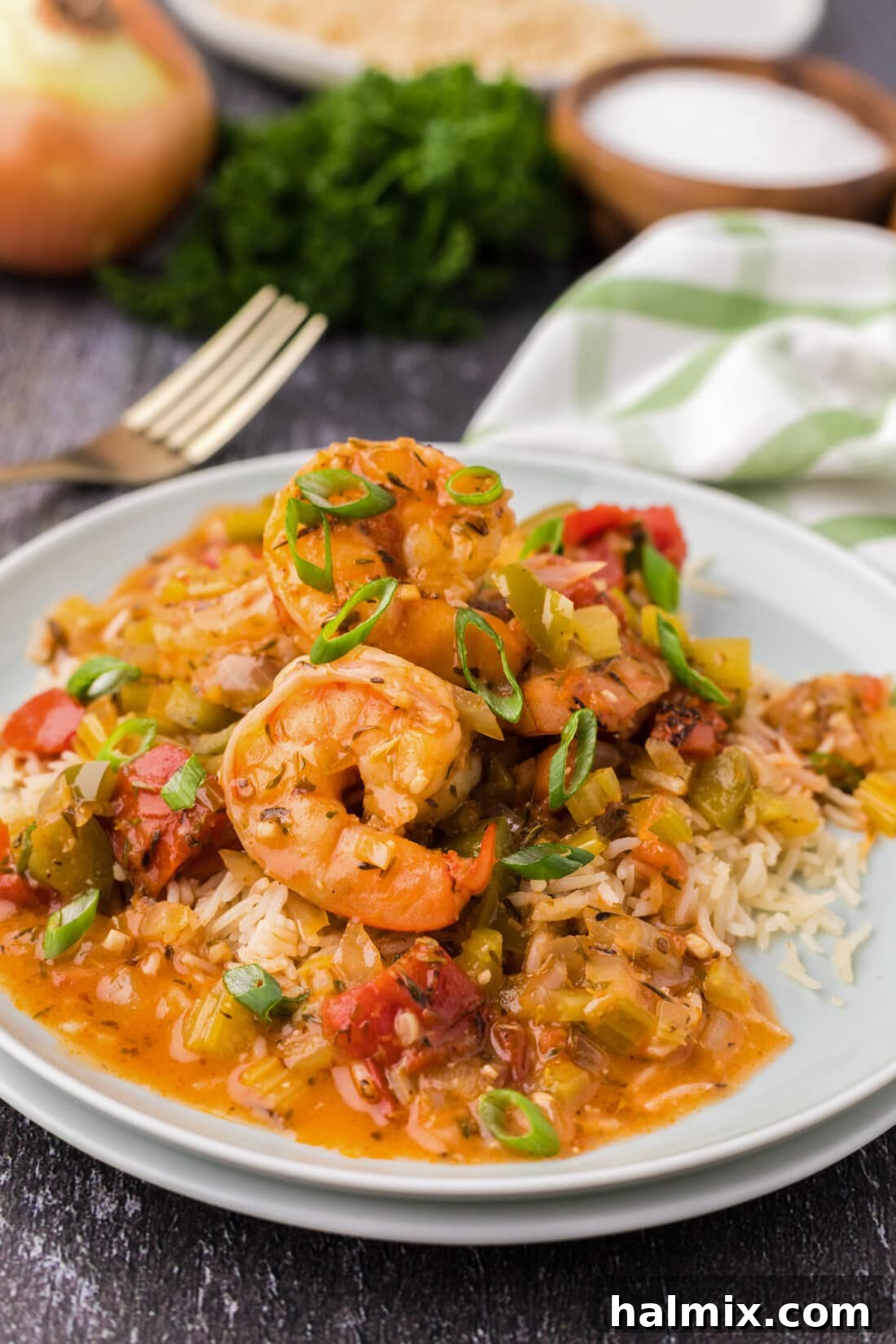
The traditional and arguably most delightful way to enjoy Shrimp Creole is served generously over a bed of hot, fluffy white rice. The rice acts as a perfect canvas, soaking up all the rich, spicy tomato sauce and creating a truly comforting and satisfying experience. To elevate your presentation and add bursts of fresh flavor, consider garnishing your individual servings with:
- Freshly sliced green onions (scallions) for a mild oniony crunch and vibrant color.
- A lemon wedge on the side, offering a bright, acidic squeeze that beautifully cuts through the richness of the stew.
- A sprinkle of fresh parsley or cilantro for an added touch of herbaceousness and a pop of green.
Beyond rice, Shrimp Creole is incredibly versatile and can be served with other delicious accompaniments:
- Creamy grits for a true Southern comfort twist, where the grits absorb the flavorful sauce.
- Crusty French bread, ideal for dipping and ensuring you don’t miss a single drop of the exquisite sauce.
- A simple side salad with a light vinaigrette, offering a refreshing contrast to the richness of the main dish.
Always enjoy warm, allowing the comforting, layered flavors to truly shine.
More Soulful Southern & Seafood Recipes to Explore
If you’ve fallen in love with the vibrant flavors of this Shrimp Creole, we highly recommend exploring these other authentic and equally flavorful Southern-inspired dishes. Each offers a unique taste of Louisiana’s rich culinary landscape:
- Shrimp Etouffee: A rich, buttery, and velvety seafood classic.
- Crawfish Etouffee: Another exquisite etouffee, starring succulent crawfish.
- Blackened Shrimp: Spicy and smoky, a quick way to enjoy perfectly cooked shrimp.
- Cajun Red Beans and Rice: A Monday tradition, hearty and deeply flavorful.
- Chicken Etouffee: A comforting and rich alternative to seafood etouffee.
I love to bake and cook and share my kitchen experience with all of you! Remembering to come back each day can be tough, that’s why I offer a convenient newsletter every time a new recipe posts. Simply subscribe and start receiving your free daily recipes!
Shrimp Creole
Juicy shrimp, the classic “Holy Trinity” of celery, onion, and bell peppers, all bathed in a robust tomato sauce – it’s easy to see why this Shrimp Creole earns such high praise. A quick and authentic taste of Louisiana!
5 from 3 votes
IMPORTANT: Don’t miss the Frequently Asked Questions & Expert Tips section higher up in the blog post for additional helpful information!
Pin It
Rate It
Course: Dinner
Cuisine: American, Creole
Servings: 5 servings
Total Time: 30 mins
Calories: 228
Author: Amanda Davis
Ingredients
- 4 Tablespoons unsalted butter
- 1 Tablespoon minced garlic
- 1 cup chopped green bell pepper
- 1 cup chopped celery
- 1 cup chopped onion
- 1 Tablespoon garlic salt
- 2 Tablespoons dried thyme
- 1 Tablespoon dried oregano
- 2 teaspoons cayenne pepper
- 2 Tablespoons Franks red hot sauce
- 1 Tablespoon all-purpose flour
- 1 ½ cups chicken stock
- 14 ounces fire roasted tomatoes, canned
- 3 bay leaves
- 1 pound large raw shrimp, peeled, deveined, tails removed
Things You’ll Need
- Large deep-sided skillet
Before You Begin
- This dish offers a pleasant warmth that enhances the flavors without being overwhelmingly hot. You can easily adjust the hot sauce and cayenne pepper levels to suit your personal preference, making it milder or spicier as desired.
- If using frozen shrimp, it’s essential to thaw them completely before starting the recipe to ensure even cooking and prevent dilution of the sauce. For quick thawing, place the shrimp in a sealed ziptop bag and submerge it in a bowl of cold water for approximately 20 minutes. Avoid using warm or hot water, as this can partially cook the shrimp and affect their texture.
- Fire-roasted diced tomatoes contribute a wonderful smoky note and a subtle extra layer of heat to this dish. However, if you prefer, regular diced tomatoes can be easily substituted for a classic, bright tomato flavor.
Instructions
- Melt 4 tablespoons of unsalted butter in a deep-sided skillet over medium-high heat.
- Add 1 tablespoon of minced garlic, 1 cup of chopped green bell pepper, 1 cup of chopped celery, and 1 cup of chopped onion. Cook for 2-3 minutes, stirring occasionally, until the vegetables begin to soften and become fragrant.
- Sprinkle in 1 tablespoon of garlic salt, 2 tablespoons of dried thyme, and 1 tablespoon of dried oregano. Stir well to combine all the herbs and spices with the sautéed vegetables.
- Add 2 teaspoons of cayenne pepper, 2 tablespoons of Frank’s red hot sauce, and 1 tablespoon of all-purpose flour. Stir vigorously to fully incorporate the flour and spices, cooking for about 1 minute to create a flavorful base.
- Pour in 1 ½ cups of chicken stock and 14 ounces of canned diced tomatoes (fire-roasted if using). Stir thoroughly to combine, ensuring the sauce is smooth. Add 3 bay leaves. Bring the mixture to a gentle boil, then reduce the heat and simmer for 5-7 minutes, allowing the sauce to thicken and flavors to meld.
- Stir in 1 pound of peeled, deveined, tails-removed large raw shrimp. Bring the mixture back to a boil, then immediately reduce the heat to a low simmer. Cook for only 3-5 minutes, stirring occasionally, until the shrimp curl into a C-shape and turn opaque with pink/orange hues. Remove bay leaves before serving.
Expert Tips & FAQs (from Recipe Card)
- Shrimp Doneness: Overcooking shrimp can lead to a rubbery texture. Watch for them to turn opaque and curl into a C-shape for perfect tenderness.
- Storage: Store leftovers in an airtight container in the refrigerator for 2-3 days for optimal freshness.
Nutrition Facts
Serving: 1 serving | Calories: 228kcal | Carbohydrates: 16g | Protein: 16g | Fat: 11g | Saturated Fat: 6g | Polyunsaturated Fat: 1g | Monounsaturated Fat: 3g | Trans Fat: 0.4g | Cholesterol: 141mg | Sodium: 2339mg | Potassium: 383mg | Fiber: 3g | Sugar: 5g | Vitamin A: 1379IU | Vitamin C: 30mg | Calcium: 148mg | Iron: 4mg
Tried this Recipe? Pin it for Later!
Follow on Pinterest @AmandasCookin or tag #AmandasCookin!
The recipes on this blog are tested with a conventional gas oven and gas stovetop. It’s important to note that some ovens, especially as they age, can cook and bake inconsistently. Using an inexpensive oven thermometer can assure you that your oven is truly heating to the proper temperature. If you use a toaster oven or countertop oven, please keep in mind that they may not distribute heat the same as a conventional full sized oven and you may need to adjust your cooking/baking times. In the case of recipes made with a pressure cooker, air fryer, slow cooker, or other appliance, a link to the appliances we use is listed within each respective recipe. For baking recipes where measurements are given by weight, please note that results may not be the same if cups are used instead, and we can’t guarantee success with that method.