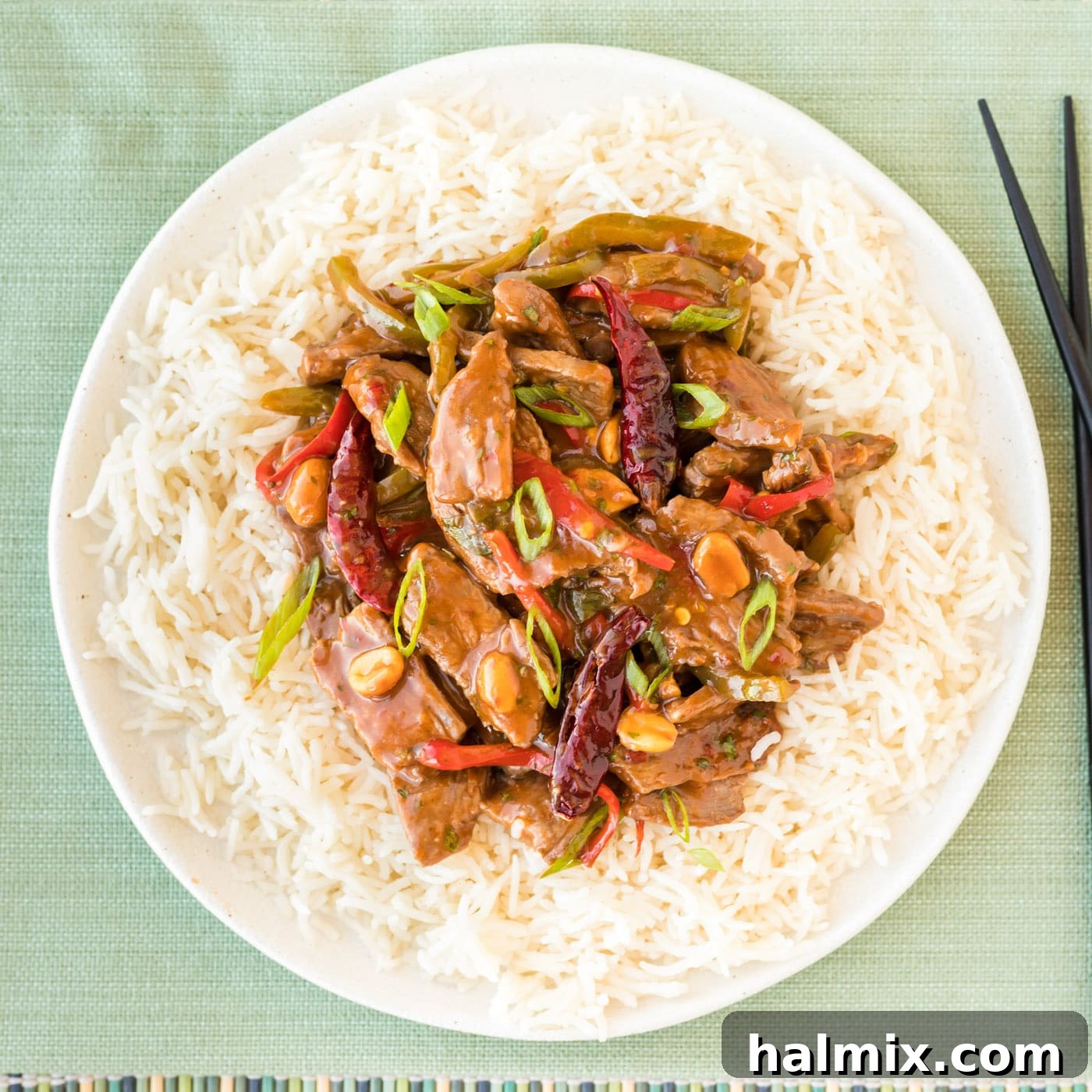
Unlock the secrets to crafting a truly unforgettable Kung Pao Beef right in your own kitchen! This exceptional recipe features thinly sliced flank steak, infused with vibrant ginger, a kick from fresh jalapenos, crisp green pepper, and the delightful crunch of roasted peanuts. Every component is expertly tossed in a rich, spicy, and savory sauce that promises a burst of flavor with every bite. Forget takeout; this homemade version delivers authentic tastes with a freshness that’s simply unparalleled.
Why This Kung Pao Beef Recipe is a Must-Try
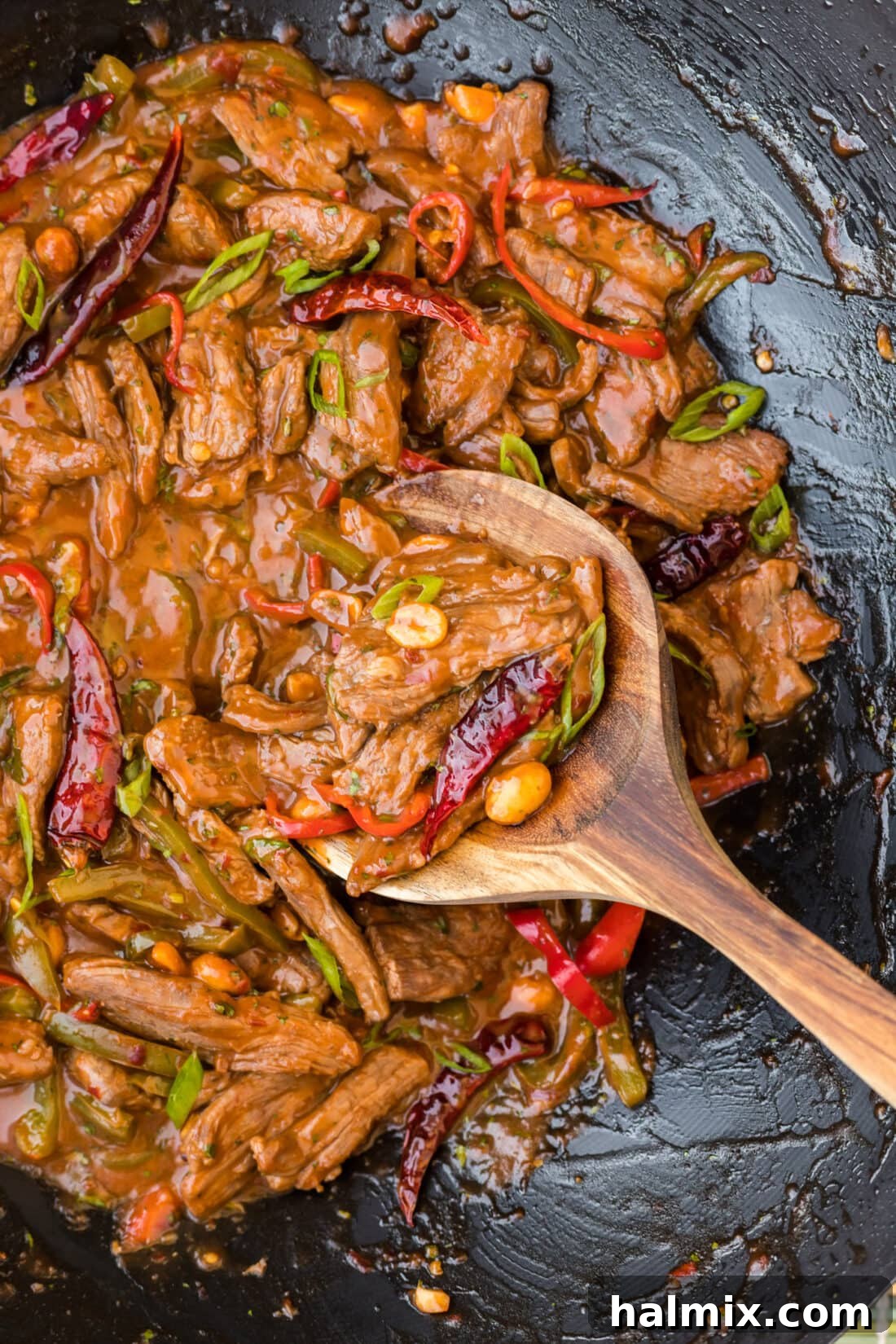
Kung Pao Beef stands out as a beloved spicy stir-fry, a savory staple that many of us associate with our favorite Chinese restaurants. While traditional versions often feature dried chilies or numbing Sichuan peppercorns, our rendition takes a slightly different, yet equally delicious, approach. We’ve opted for fresh, vibrant red jalapenos, which contribute not just heat but also a delightful peppery flavor and a satisfying texture that can be enjoyed in every mouthful, unlike dried chilies that are often discarded after flavoring.
This recipe truly shines with its thoughtfully curated blend of ingredients. Flank steak, known for its rich beefy flavor and ability to absorb marinades, is sliced thinly and coated in cornstarch, a technique that ensures each piece is wonderfully tender and creates a silken texture once cooked. The aromatic combination of fresh ginger, fragrant cilantro, and sharp green onions, coupled with the satisfying crunch of roasted peanuts, adds layers of complexity and freshness that elevate the dish beyond the ordinary. The sauce, a harmonious symphony of Asian garlic chili, sweet ketchup, rich sesame garlic, savory soy sauce, and tangy Thai sweet chili with a hint of rice vinegar, is designed to deliver a perfectly balanced sweet, spicy, and umami experience that coats every ingredient beautifully, making this Kung Pao Beef an irresistible culinary adventure.
Essential Ingredients for Your Kung Pao Beef
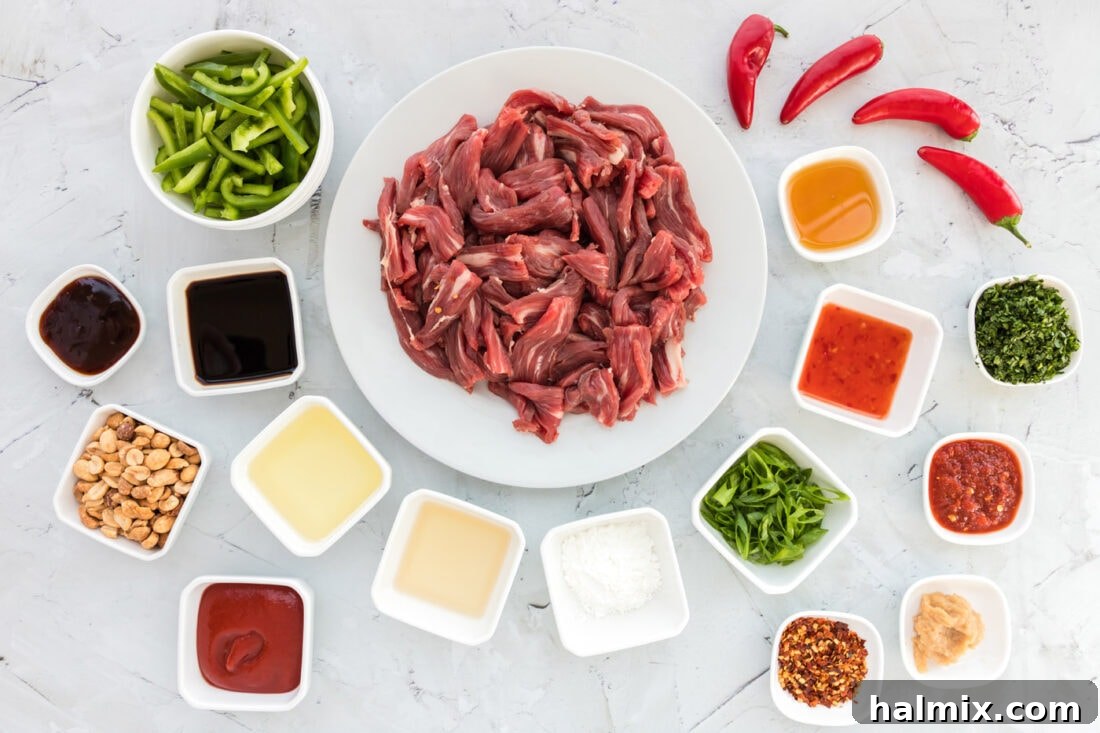
To create this mouthwatering Kung Pao Beef, you’ll need a selection of fresh produce, quality beef, and pantry staples for the signature sauce. Below is a detailed list of what you’ll gather to bring this vibrant stir-fry to life. For precise measurements and step-by-step instructions, please refer to the printable recipe card at the end of this article.
Ingredient Spotlight & Expert Substitution Tips
Understanding each ingredient’s role is key to mastering this recipe and confidently making adjustments. Here’s a closer look at the stars of our Kung Pao Beef:
FLANK STEAK: This cut is excellent for stir-fries because of its lean profile and robust flavor. The trick to keeping it tender is slicing it very thinly against the grain. This shortens the muscle fibers, making the beef exceptionally tender and easy to chew. Coating it in cornstarch, a technique often called “velveting,” further protects the meat from overcooking, locks in moisture, and creates a silky texture that’s characteristic of restaurant-quality stir-fries. If flank steak isn’t available, skirt steak or even sirloin can be used, just be sure to slice them correctly.
PEPPERS: Our recipe uniquely calls for red jalapeno peppers instead of the traditional dried chilies. Red jalapenos are simply mature green jalapenos, meaning they’ve had more time to ripen and, consequently, develop more capsaicin, making them inherently spicier than their green counterparts. We love them because they add a fresh, edible heat and a beautiful color. If you prefer the heat of dried chilies, you can certainly use them – simply soak them in warm water for about 15 minutes to rehydrate before draining and adding to the wok. For those who crave an authentic Sichuan numbing sensation, consider adding 1 to 1½ teaspoons of whole Sichuan peppercorns, lightly toasted and crushed, or a pinch of Sichuan peppercorn powder to the stir-fry. This will introduce that distinct tingling “mala” flavor that defines many Sichuan dishes.
GREEN PEPPER: A classic stir-fry vegetable, green bell pepper adds a refreshing crunch and a slightly bitter-sweet note that complements the other flavors. Feel free to experiment with other bell pepper colors like red, yellow, or orange for a sweeter flavor profile and a vibrant visual appeal. Ensure they are cut into strips similar in size to the jalapenos for even cooking.
FRESH GINGER: Ginger is a cornerstone of Asian cuisine, offering a pungent, spicy, and aromatic warmth. We recommend using fresh ginger, finely chopped or grated, for the best flavor. While ginger paste or dried ginger powder can be used in a pinch, they won’t quite capture the brightness and complexity of fresh ginger. It’s a key player in lifting the overall flavor of the stir-fry.
SAUCE INGREDIENTS: The sauce is where the magic truly happens. Our blend includes sesame oil for nutty depth, Asian garlic chili sauce for a rich, spicy kick, ketchup for a touch of sweetness and tang, additional sesame garlic sauce for even more aromatic richness, classic soy sauce for umami, Thai sweet chili sauce for a sweet and tangy heat, and rice vinegar to balance the richness with a bright acidity. Each component plays a vital role in creating the layered and complex flavor profile of this Kung Pao Beef. Don’t skimp on these ingredients, as they are crucial for the authentic taste.
ROASTED PEANUTS: These aren’t just for garnish; roasted peanuts provide an essential textural contrast – a satisfying crunch against the tender beef and crisp vegetables – and a delicious nutty flavor that is hallmark to Kung Pao dishes. Ensure they are unsalted or adjust the soy sauce accordingly.
CILANTRO AND GREEN ONIONS: Added at the end, these fresh herbs bring a burst of freshness and a vibrant aroma that brightens the entire dish. They provide a final aromatic flourish that perfectly rounds out the savory and spicy elements.
Mastering Your Homemade Kung Pao Beef: Step-by-Step Guide
These step-by-step photos and detailed instructions are designed to help you visualize each stage of making this incredible Kung Pao Beef recipe. For a convenient printable version, complete with all measurements and essential instructions, simply refer to the recipe card located at the very bottom of this post.
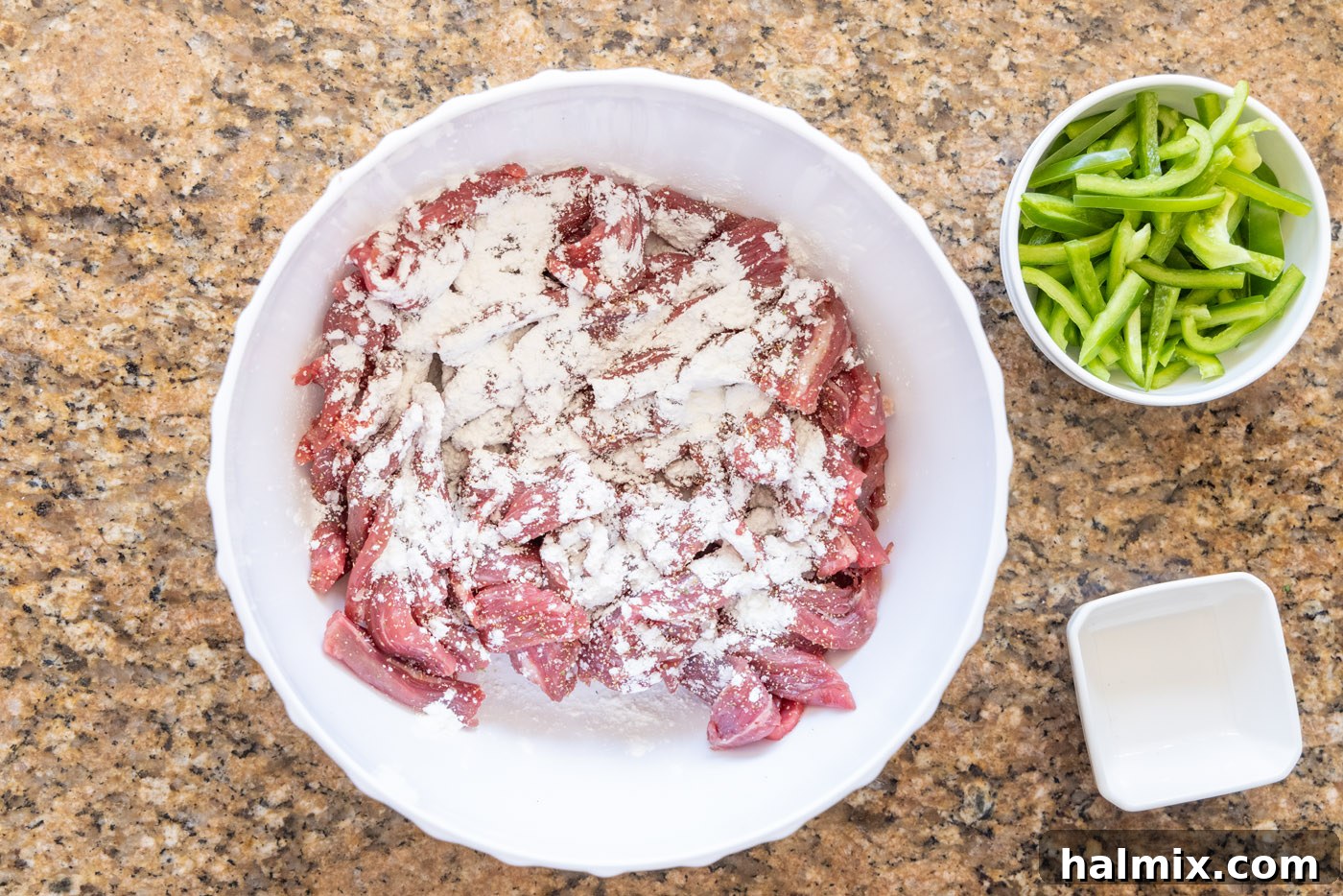
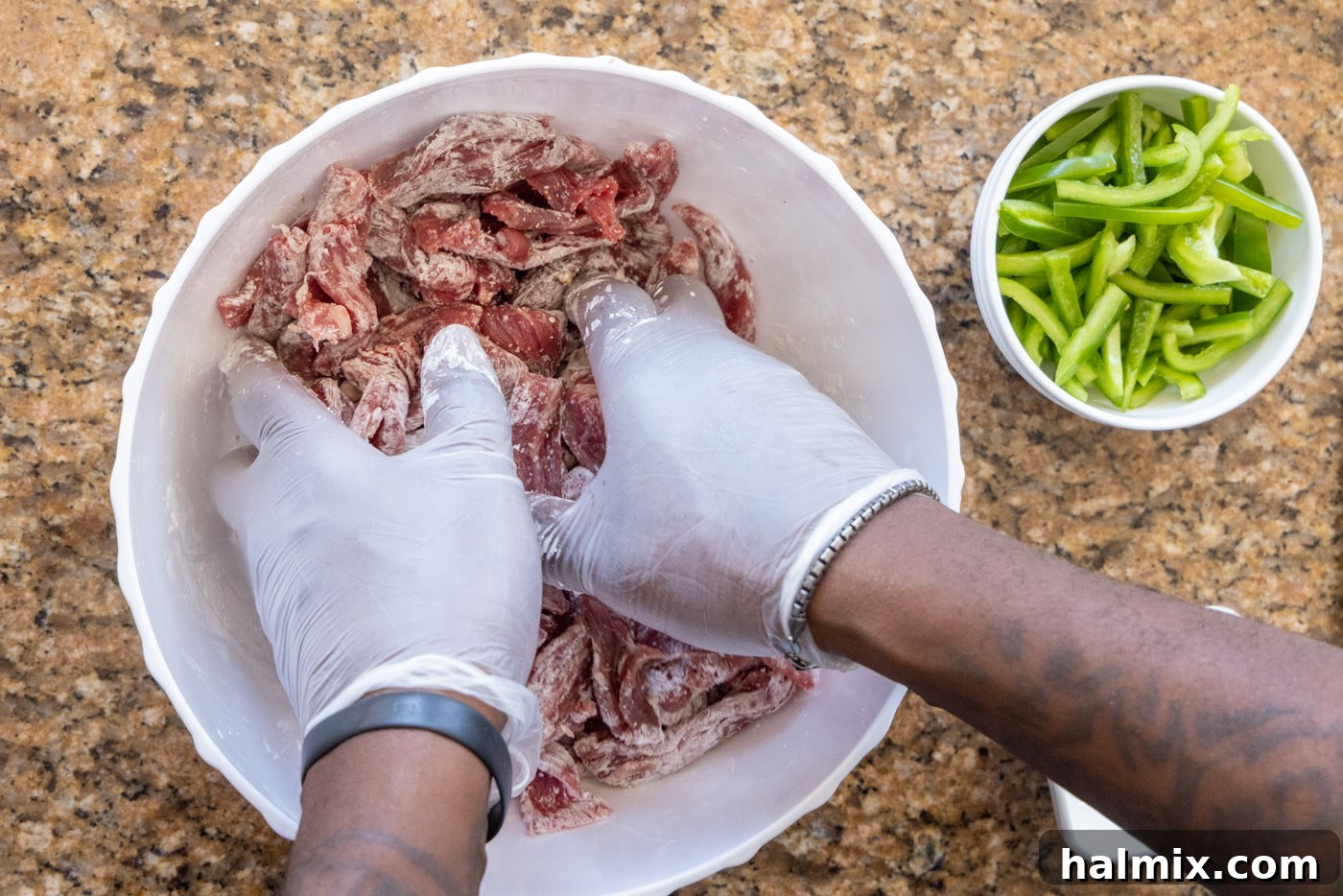
- Prepare the Beef: Begin by thinly slicing the flank steak against the grain. This is a crucial step for tender beef. Place the sliced beef into a large mixing bowl and evenly sprinkle the cornstarch over the meat. Using gloved hands (this prevents sticky fingers and ensures thorough coating), gently toss and massage the cornstarch into the beef until each piece is fully coated. Set the beef aside to allow the cornstarch to adhere while you prepare the sauce and vegetables.

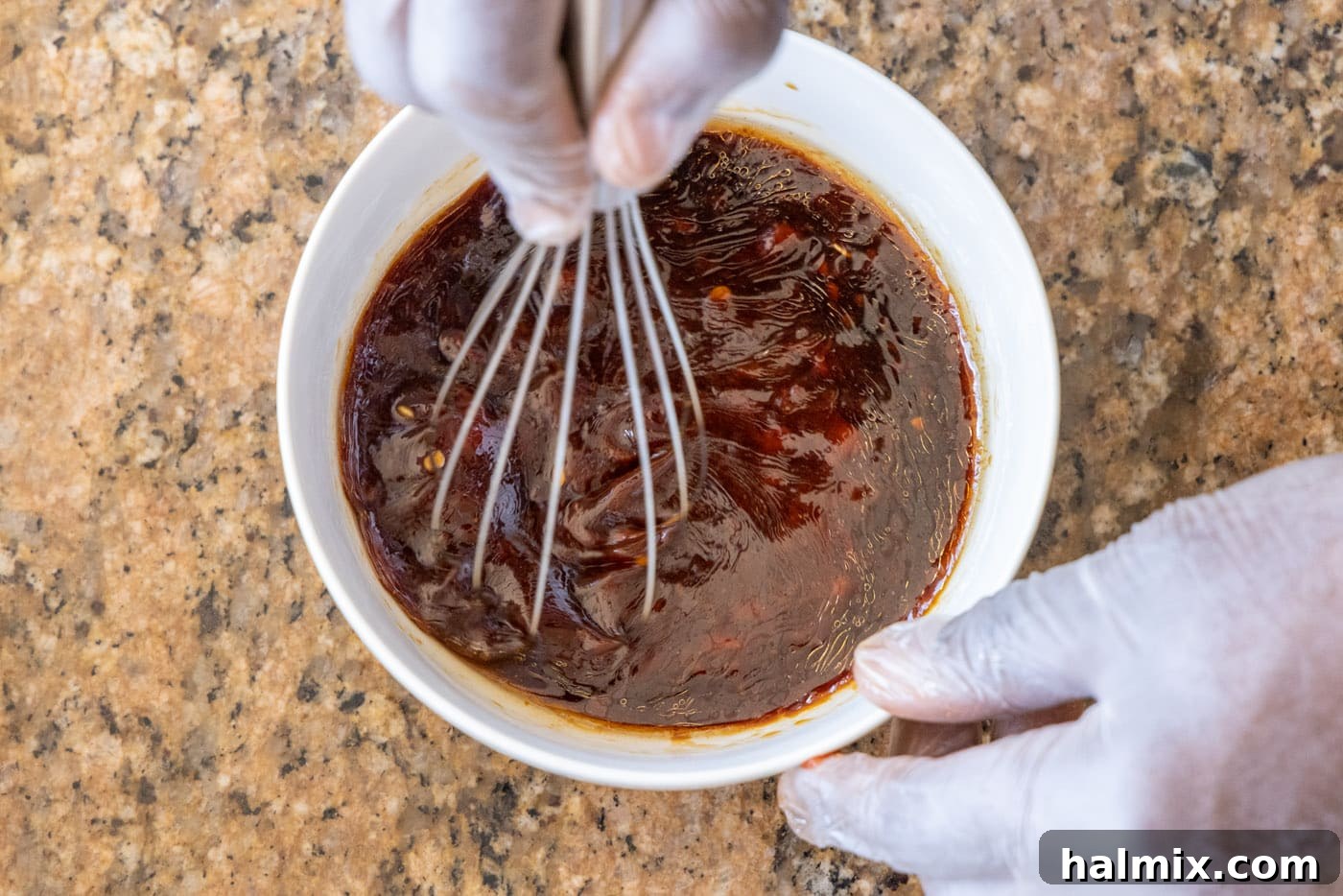
- Whisk the Sauce: In a medium-sized bowl, combine all the sauce ingredients: sesame oil, Asian garlic chili, ketchup, sesame garlic, soy sauce, Thai sweet chili, and rice vinegar. Whisk everything together thoroughly until the sauce is well-combined and homogenous. This ensures all flavors are evenly distributed.
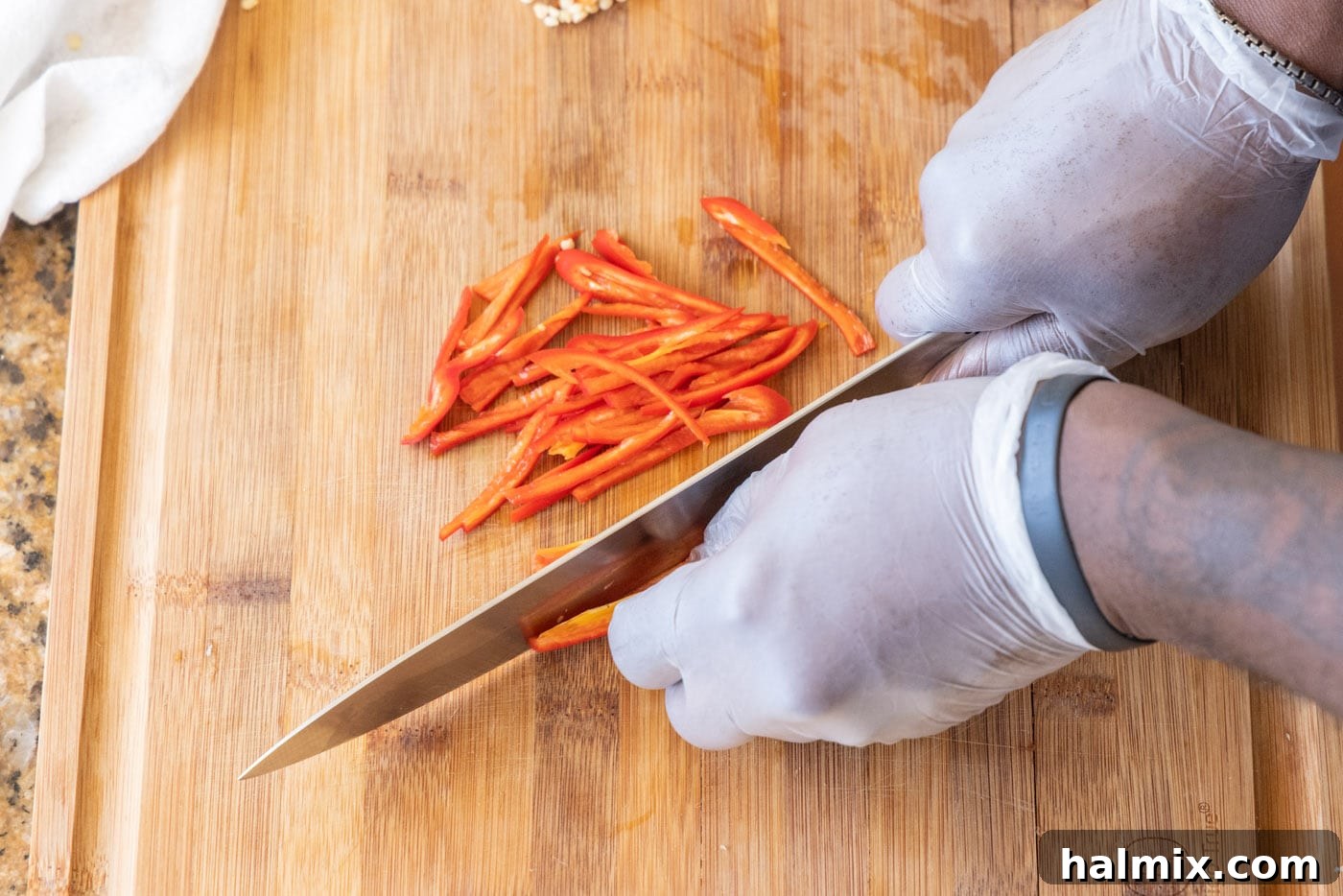
- Prepare the Peppers: Carefully cut the green pepper and red jalapeno peppers into uniform strips. Remember to remove the pith and seeds from the jalapenos if you want to reduce their heat, or leave some in for an extra fiery kick. Uniform cuts ensure even cooking and a beautiful presentation.
- Heat the Wok: Add the vegetable oil to your wok (or a large, deep skillet) and heat it over medium-high heat. Wait until the oil is hot and shimmering, almost to the point of lightly smoking. This high heat is essential for proper stir-frying, ensuring a quick cook and flavorful caramelization without steaming the vegetables.
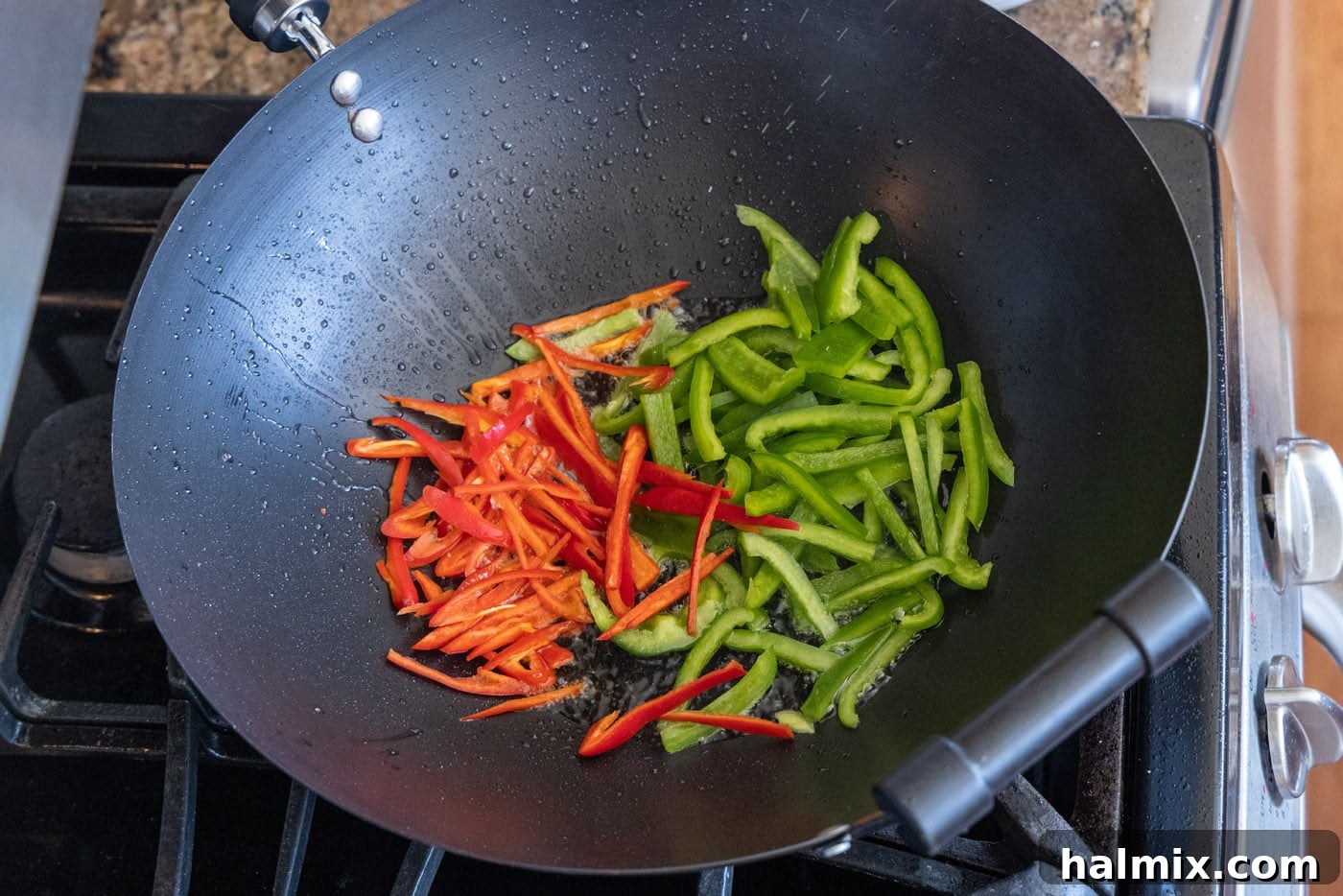
- Stir-fry Peppers: Add the prepared green pepper and red jalapeno pepper strips to the hot oil. Stir-fry them for about 2 minutes. You want them to become slightly tender-crisp, not soft and mushy, retaining some of their vibrant color and fresh bite.
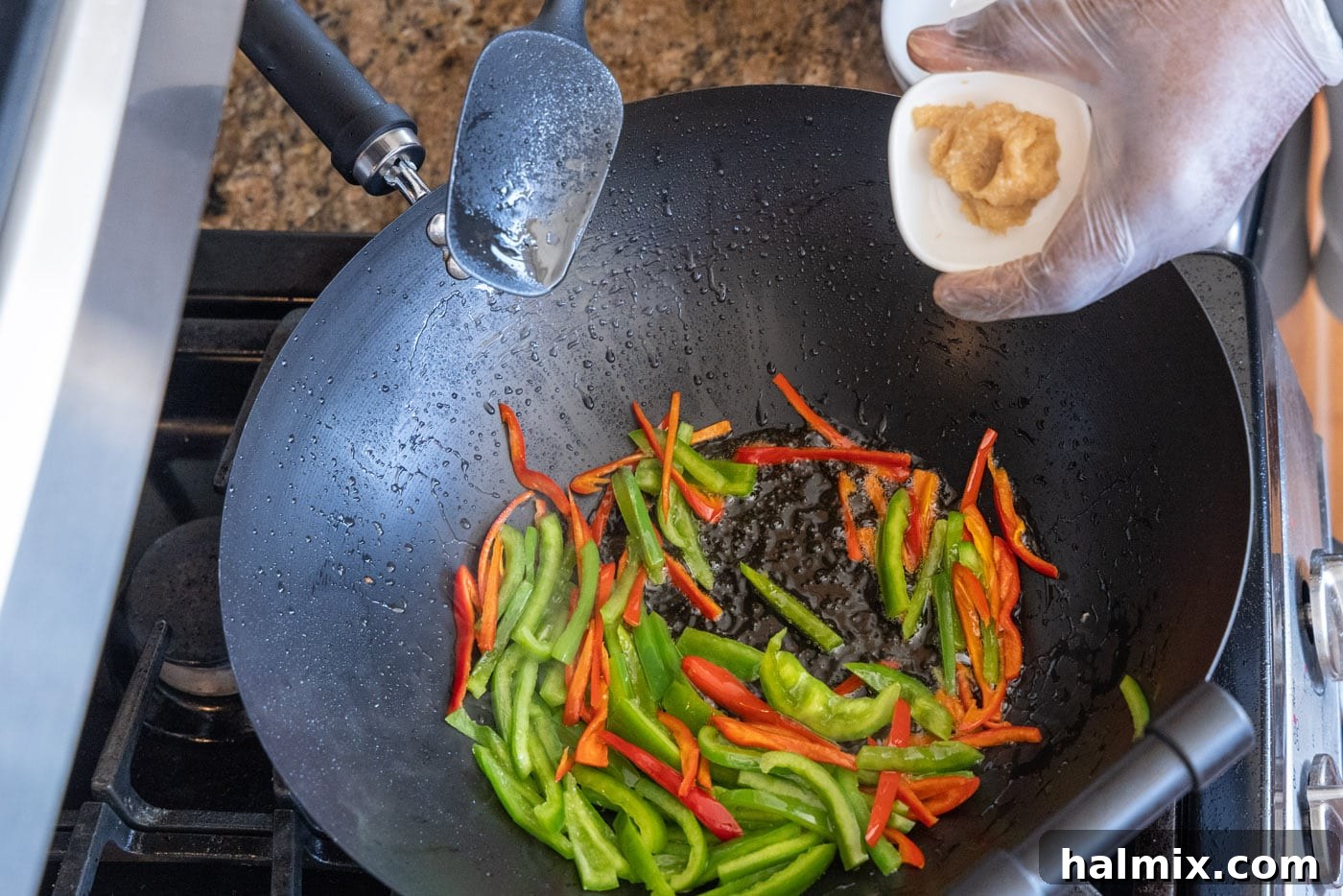
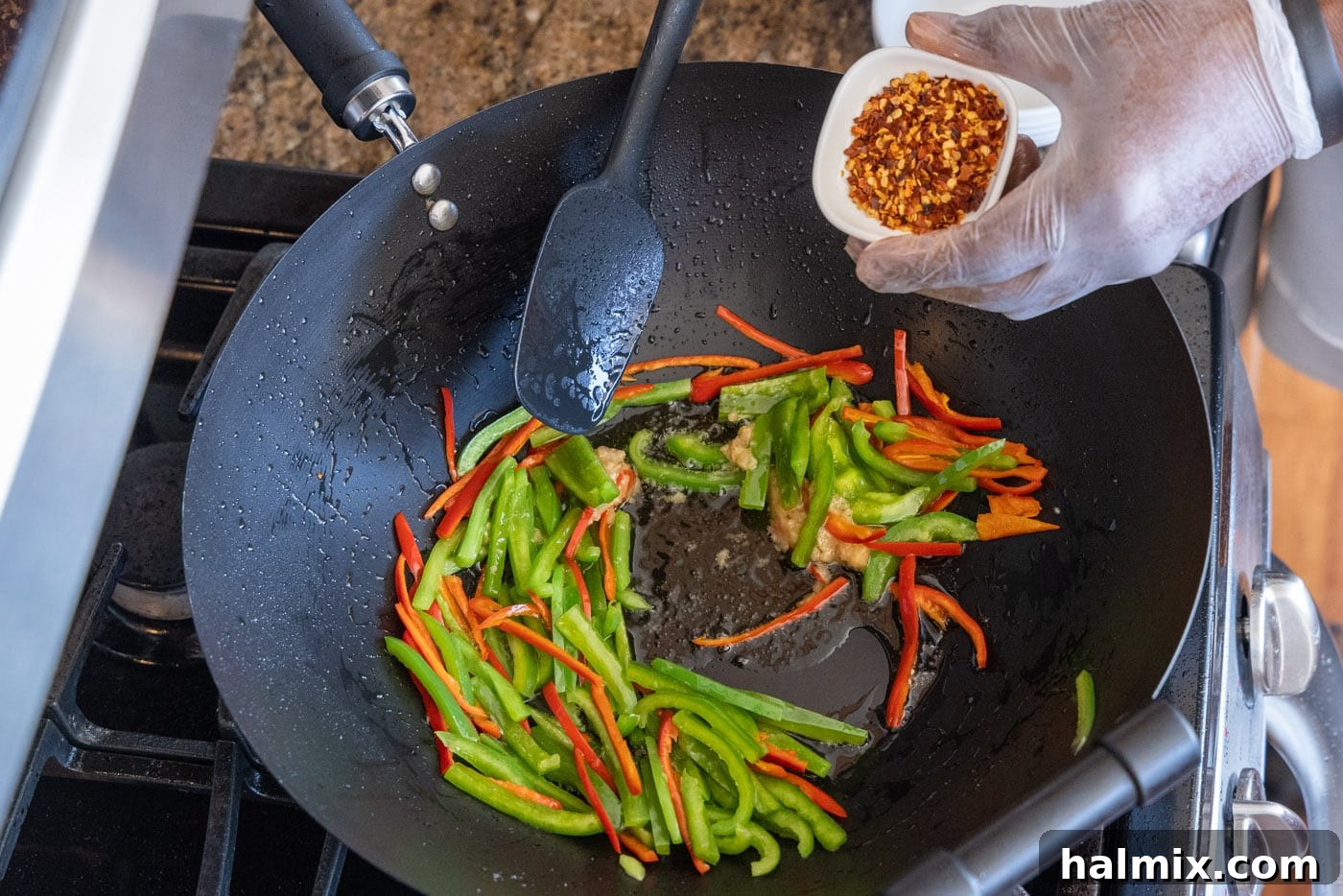
- Add Aromatics: Introduce the chopped ginger and red pepper flakes to the wok. Toss them with the peppers for about 1 minute. This brief cooking time allows the ginger to release its fragrant oils and the pepper flakes to infuse the dish with a pleasant heat. Be careful not to burn the ginger.
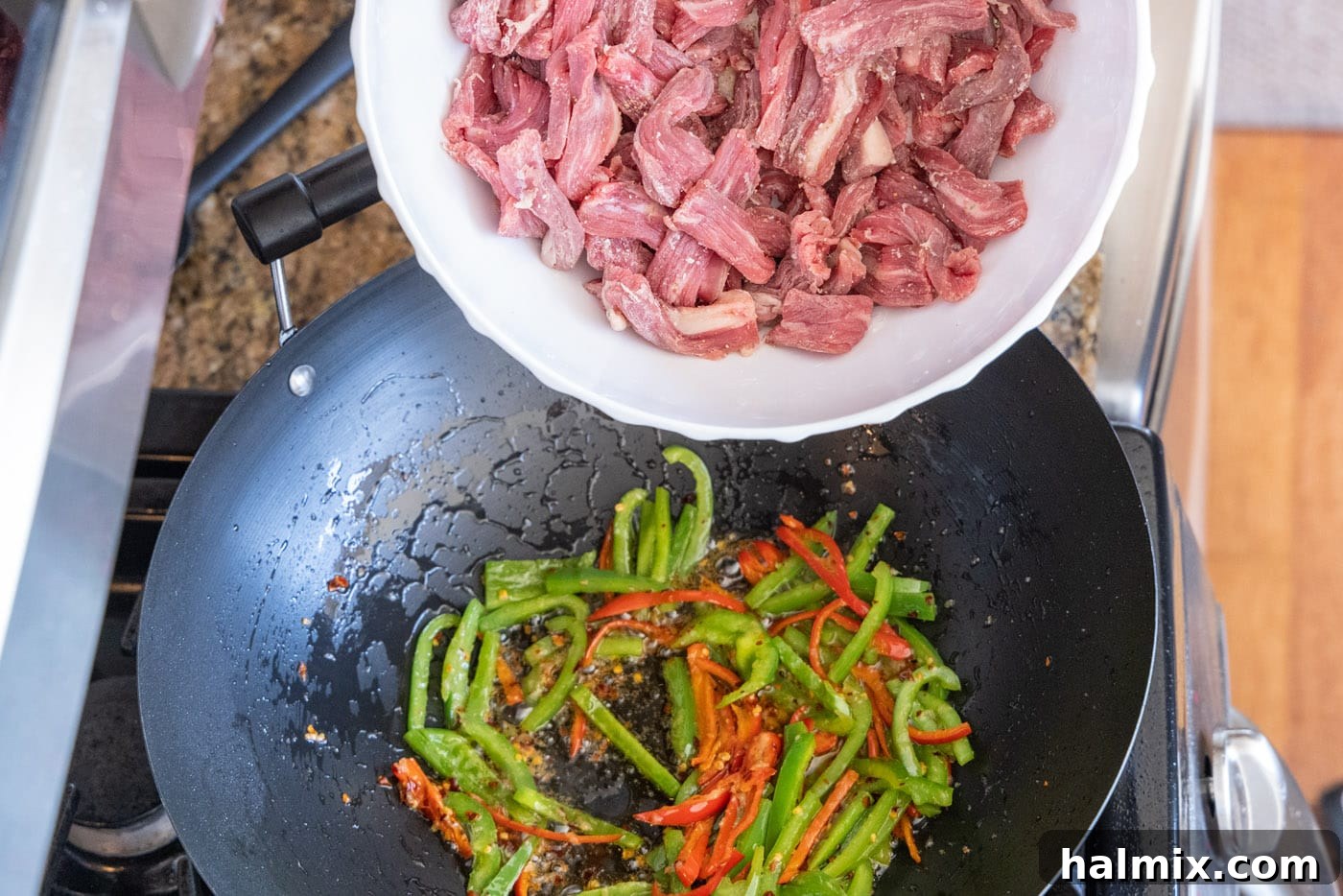
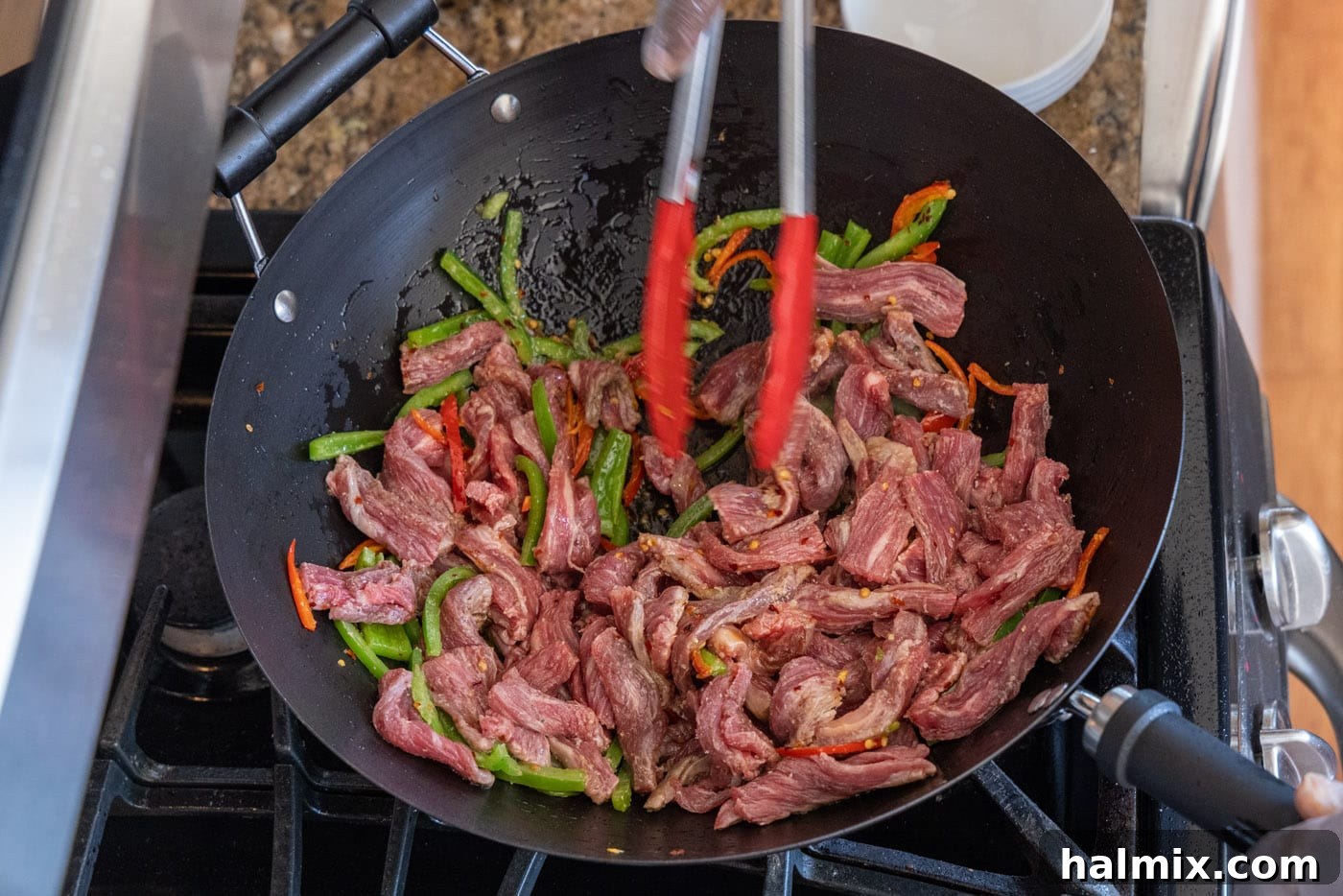
- Cook the Beef: Add the cornstarch-coated flank steak to the wok with the vegetables. Stir-fry for approximately 5-6 minutes, or until most of the pink color in the beef has disappeared and it is nicely browned. Break up any clumps of beef to ensure even cooking. The cornstarch will help create a beautiful, tender texture.
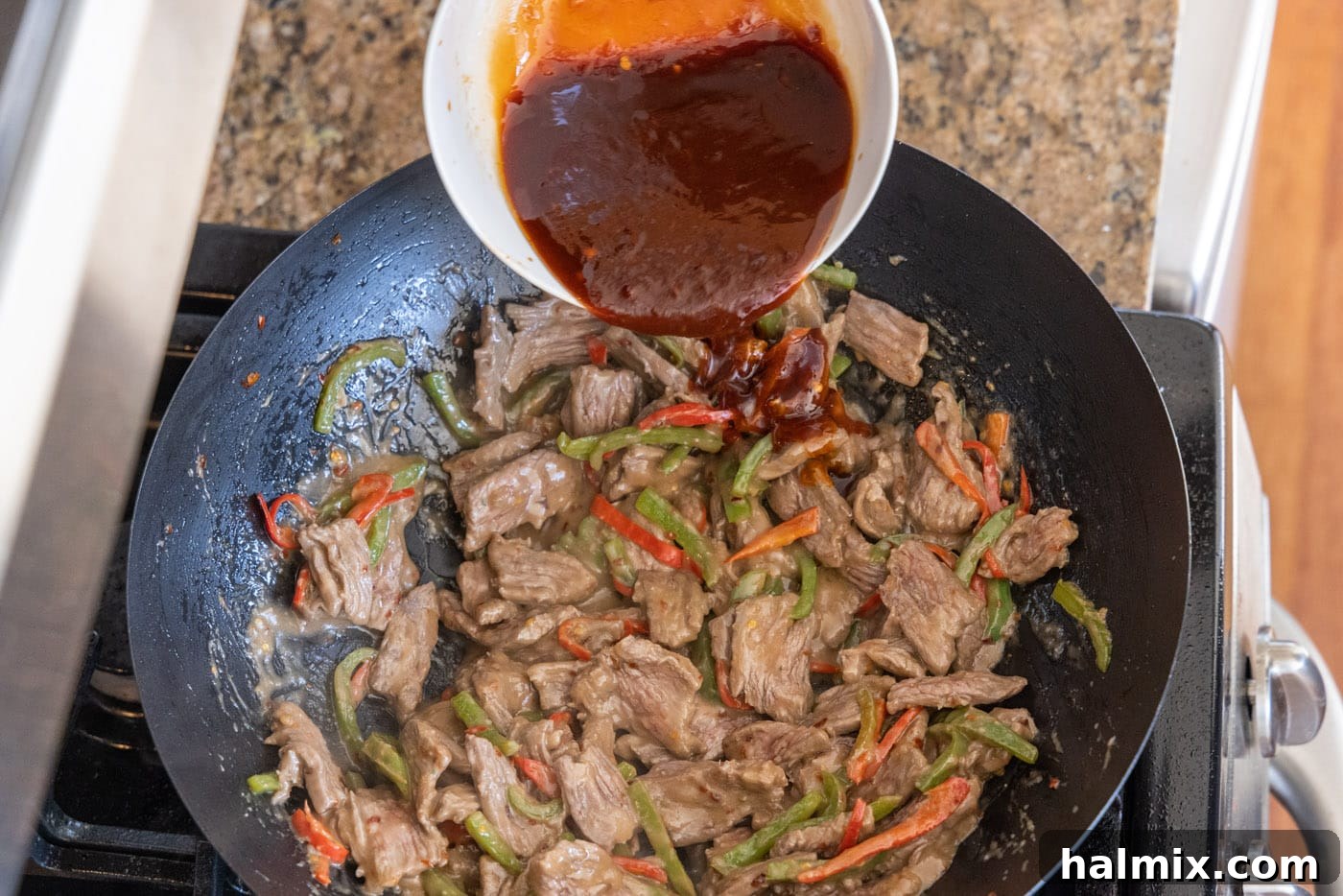
- Pour in the Sauce: Give your prepared sauce another quick whisk, then pour it directly into the wok. Stir vigorously to ensure the sauce thoroughly coats all the meat and vegetables. The sauce will thicken slightly as it heats, creating that desirable glossy finish.
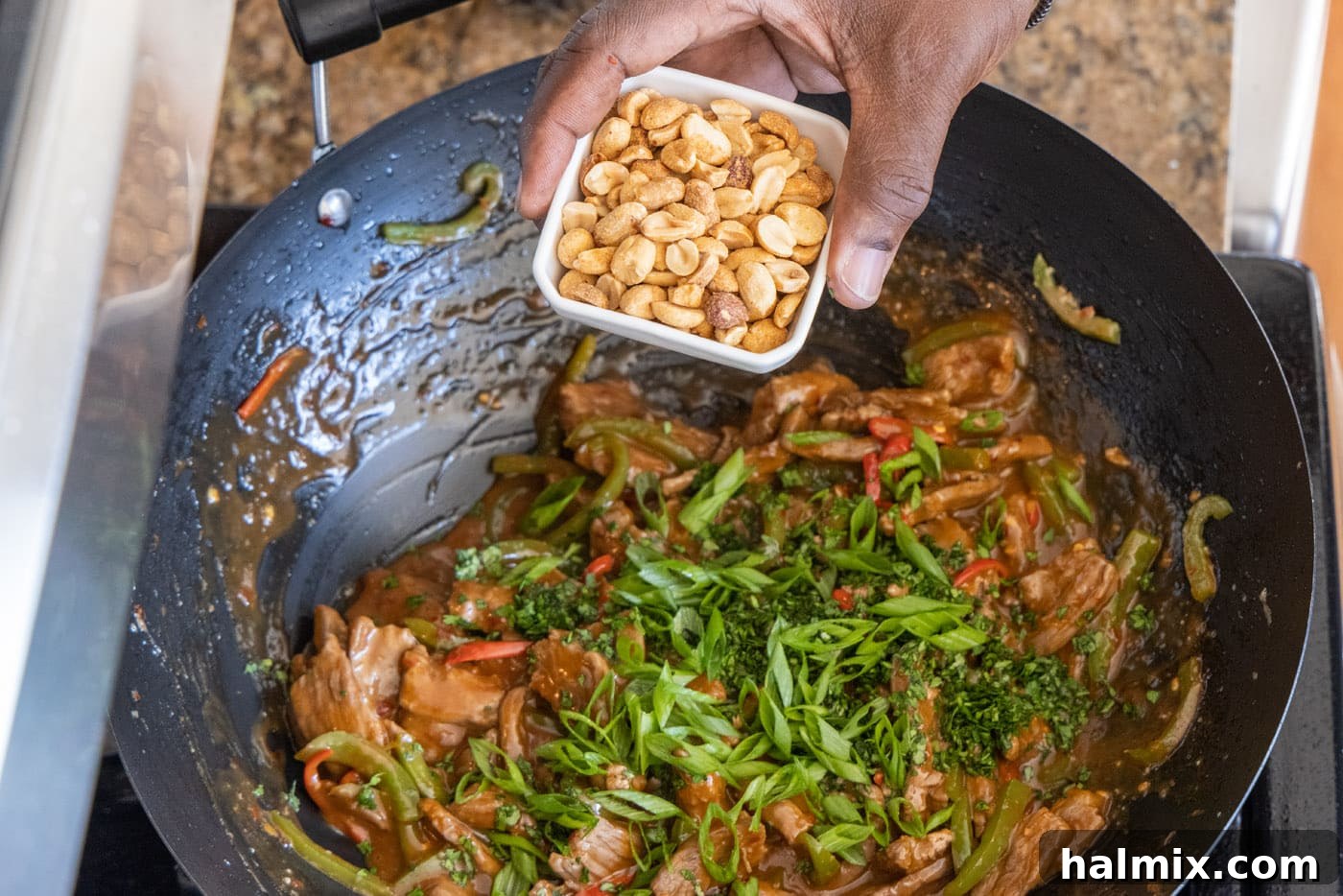
- Add Final Garnishes: Add the fresh cilantro, sliced green onions, and dry roasted peanuts to the wok. Stir gently to combine these last additions, allowing their fresh flavors and textures to integrate into the dish.
- Finish Cooking: Reduce the heat to medium and continue to cook the Kung Pao Beef for an additional 3-4 minutes. This allows the flavors to meld beautifully and the sauce to reach its perfect consistency. Serve immediately and enjoy!
Frequently Asked Questions & Expert Tips for Success
Store any leftover Kung Pao Beef in an airtight container in the refrigerator for up to 3-4 days. When reheating, use a microwave or a skillet over medium heat. If the sauce has thickened too much, add a dash of water or chicken broth to loosen it up and restore its texture.
Absolutely! To make it less spicy, use fewer red jalapenos or remove all their seeds and pith. For more heat, add an extra jalapeno, increase the red pepper flakes, or incorporate a teaspoon of chili oil with the sauce. Remember, the red jalapenos in this recipe provide a good medium heat, and you can always add more chili sauce at the table if desired.
While a wok is ideal for stir-frying due to its high heat retention and curved shape, a large, heavy-bottomed skillet or a cast-iron pan will work perfectly well. Just ensure your pan is spacious enough to accommodate all the ingredients without overcrowding, which can lead to steaming instead of stir-frying. Cook in batches if necessary to maintain high heat.
Yes, several steps can be done in advance. You can slice the flank steak and coat it with cornstarch a few hours before cooking, storing it in the refrigerator. The sauce ingredients can be whisked together and kept in an airtight container in the fridge for up to 2-3 days. You can also julienne the peppers and chop the ginger in advance. This prep work makes dinner assembly much faster!
The key to tender beef lies in two things: slicing against the grain and coating with cornstarch (velveting). Slicing against the grain shortens the tough muscle fibers, and cornstarch creates a protective barrier that locks in moisture during high-heat cooking. Also, avoid overcooking the beef; stir-fry just until no pink remains.
Delightful Serving Suggestions for Kung Pao Beef
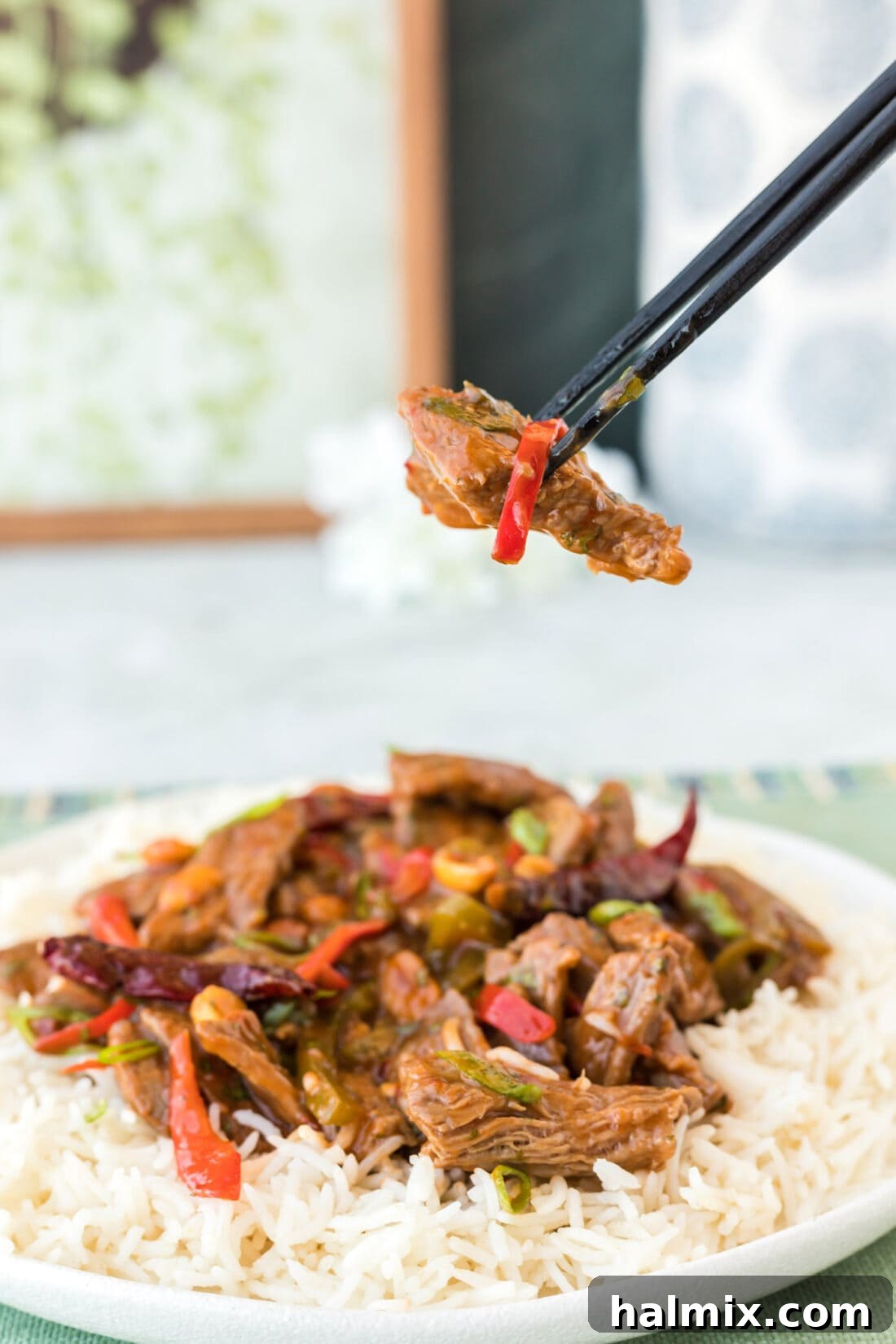
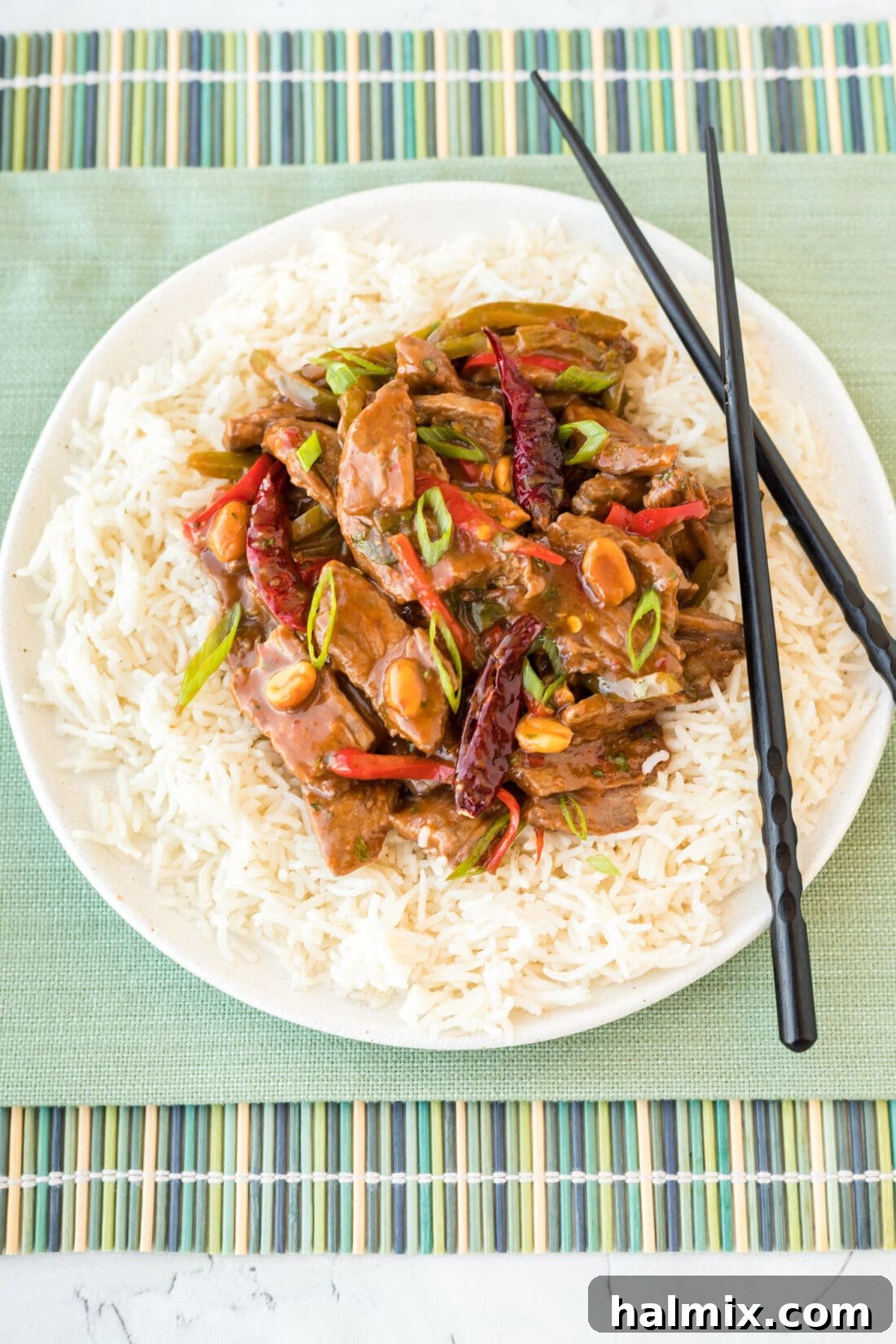
Kung Pao Beef is a complete meal on its own, but it truly shines when served over a fluffy bed of freshly steamed rice. Jasmine rice is a classic choice, offering a fragrant and slightly sticky texture that perfectly soaks up the savory sauce. Brown rice can also be an excellent, healthier alternative, providing a nutty flavor and satisfying chew.
For those looking to expand their meal, consider pairing your Kung Pao Beef with a variety of complementary side dishes. A simple stir-fried green vegetable like bok choy or gai lan with a touch of garlic can add freshness and balance. You could also serve it alongside some light and crispy spring rolls or a refreshing cucumber salad to cut through the richness. Feel free to customize the vegetables in the stir-fry itself to suit your preferences – sugar snap peas, sliced carrots, red or yellow bell peppers, broccoli florets, or even mushrooms make wonderful additions or substitutes for the green pepper, allowing you to create a stir-fry tailored to your taste buds. No matter how you serve it, this vibrant and flavorful dish is sure to be a crowd-pleaser!
Discover More Irresistible Asian-Inspired Dishes
If you loved this Kung Pao Beef recipe, you’re in for a treat! Explore these other fantastic Asian-inspired dishes that promise equally exciting flavors and satisfying meals:
- Szechuan Beef: For another fiery and aromatic beef dish with bold flavors.
- Mongolian Beef: A popular sweet and savory stir-fry that’s quick to make and universally loved.
- General Tso Chicken: A takeout classic featuring crispy chicken in a sticky, sweet, and spicy sauce.
- Stir Fried Spicy Beef: A versatile recipe that lets you control the heat and incorporate your favorite vegetables.
- Chinese Pepper Steak: Tender beef and colorful bell peppers in a rich, savory sauce.
I am passionate about cooking and baking, and I love sharing my culinary adventures with all of you! To make sure you never miss a new recipe, consider subscribing to my convenient newsletter. You’ll receive free daily recipes delivered straight to your inbox, making it easy to discover new favorites and expand your kitchen repertoire. Simply subscribe here and join our community of food lovers!
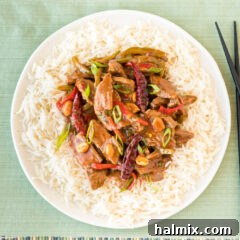
Kung Pao Beef
IMPORTANT – Don’t forget to check the Frequently Asked Questions section within the blog post for helpful tips and answers!
Print It
Pin It
Rate It
Course:
Dinner
Cuisine:
American, Chinese
5
servings
35 minutes
450
Amanda Davis
Ingredients
-
1 ½ pounds flank steak -
1 ½ Tablespoons cornstarch -
3 Tablespoons vegetable oil -
4 red jalapeno peppers julienned -
1 medium green pepper julienned -
2 teaspoons chopped ginger -
1 Tablespoon red pepper flakes -
2 Tablespoons chopped fresh cilantro -
½ cup sliced green onions -
½ cup dry roasted peanuts
Sauce
-
1 Tablespoon sesame oil -
1 Tablespoon Asian garlic chili -
3 Tablespoons ketchup -
1 Tablespoon sesame garlic -
4 Tablespoons soy sauce -
2 Tablespoons Thai sweet chili -
1 ½ Tablespoons rice vinegar
Things You’ll Need
-
Wok
-
Large mixing bowl
-
Vinyl gloves
Before You Begin
- We chose to use red Jalapeno peppers instead of dried chilies. If using dried chili peppers, you can soak them in water for about 15 minutes before draining and adding them to the wok. We like using the jalapeños because they can be eaten rather than just being used for heat like dried chilies.
- Store leftovers in an air-tight container kept in the refrigerator for 3-4 days. Reheat in the microwave, adding a dash of water to loosen it up if needed.
Instructions
-
Slice flank steak thin against the grain. Place sliced beef in a large bowl and sprinkle cornstarch over the meat. Using gloved hands, combine cornstarch with the meat and set aside while you make the sauce.
-
In a medium bowl, combine all sauce ingredients and whisk together until combined well.
-
Cut green pepper and red Jalapeno peppers into strips, removing pith and seeds.
-
Add vegetable oil to wok and heat over medium-high until hot and shimmering.
-
Add green pepper and red Jalapeno pepper strips to the hot oil and stir fry for 2 minutes.
-
Add ginger and red pepper flakes, tossing with peppers, cooking for about 1 minute.
-
Add meat to the wok and stir fry for approximately 5-6 minutes until most pink is gone.
-
Pour sauce into the wok and stir to combine with meat and vegetables.
-
Add cilantro, green onion, and peanuts and stir to combine.
-
Reduce heat to medium and cook for an additional 3-4 minutes.
Nutrition
Serving:
1
serving
|
Calories:
450
cal
|
Carbohydrates:
17
g
|
Protein:
35
g
|
Fat:
27
g
|
Saturated Fat:
6
g
|
Polyunsaturated Fat:
9
g
|
Monounsaturated Fat:
10
g
|
Trans Fat:
0.1
g
|
Cholesterol:
82
mg
|
Sodium:
1317
mg
|
Potassium:
766
mg
|
Fiber:
3
g
|
Sugar:
9
g
|
Vitamin A:
827
IU
|
Vitamin C:
38
mg
|
Calcium:
59
mg
|
Iron:
3
mg
Tried this Recipe? Pin it for Later!
Follow on Pinterest @AmandasCookin or tag #AmandasCookin!
All recipes on this blog are tested using a conventional gas oven and stovetop. Oven performance can vary, especially with age; an inexpensive oven thermometer can confirm proper heating. If using smaller countertop appliances like toaster ovens, air fryers, or slow cookers, please note that cooking times and heat distribution may differ, and adjustments might be necessary. For baking recipes specifying weight measurements, using volumetric cups instead may alter results, and success cannot be guaranteed with that method.