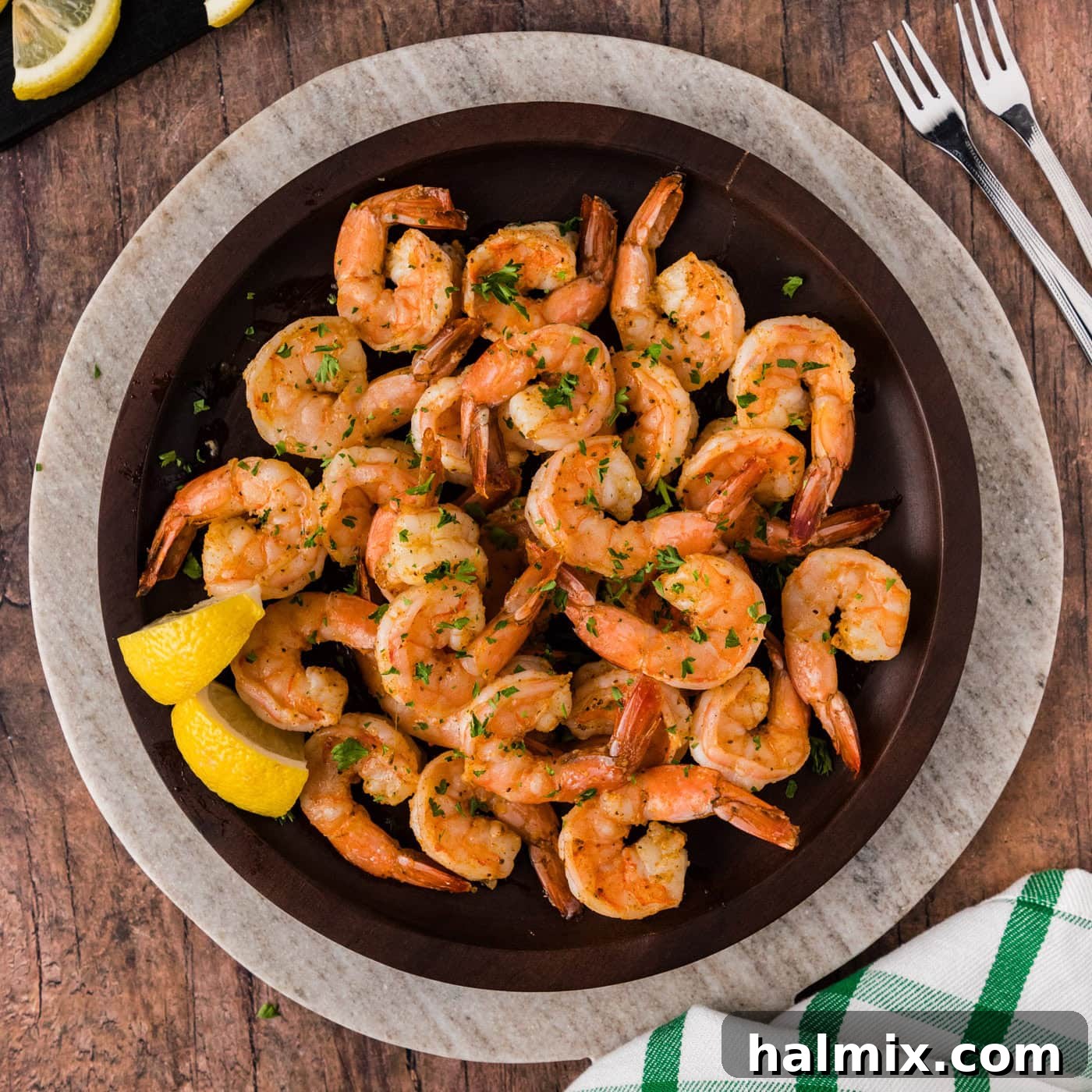
Perfectly Steamed Shrimp: A Quick, Healthy & Delicious Seafood Delight
Unlock the secret to flawlessly tender and incredibly flavorful steamed shrimp with this incredibly simple recipe. Requiring just four essential ingredients and a mere 10 minutes of your time, this foolproof method promises plump, juicy shrimp every single time. Whether you’re a seasoned chef or a kitchen novice, preparing this light and healthy seafood dish is surprisingly easy, making it an ideal choice for a speedy weeknight dinner or a delightful addition to any meal.
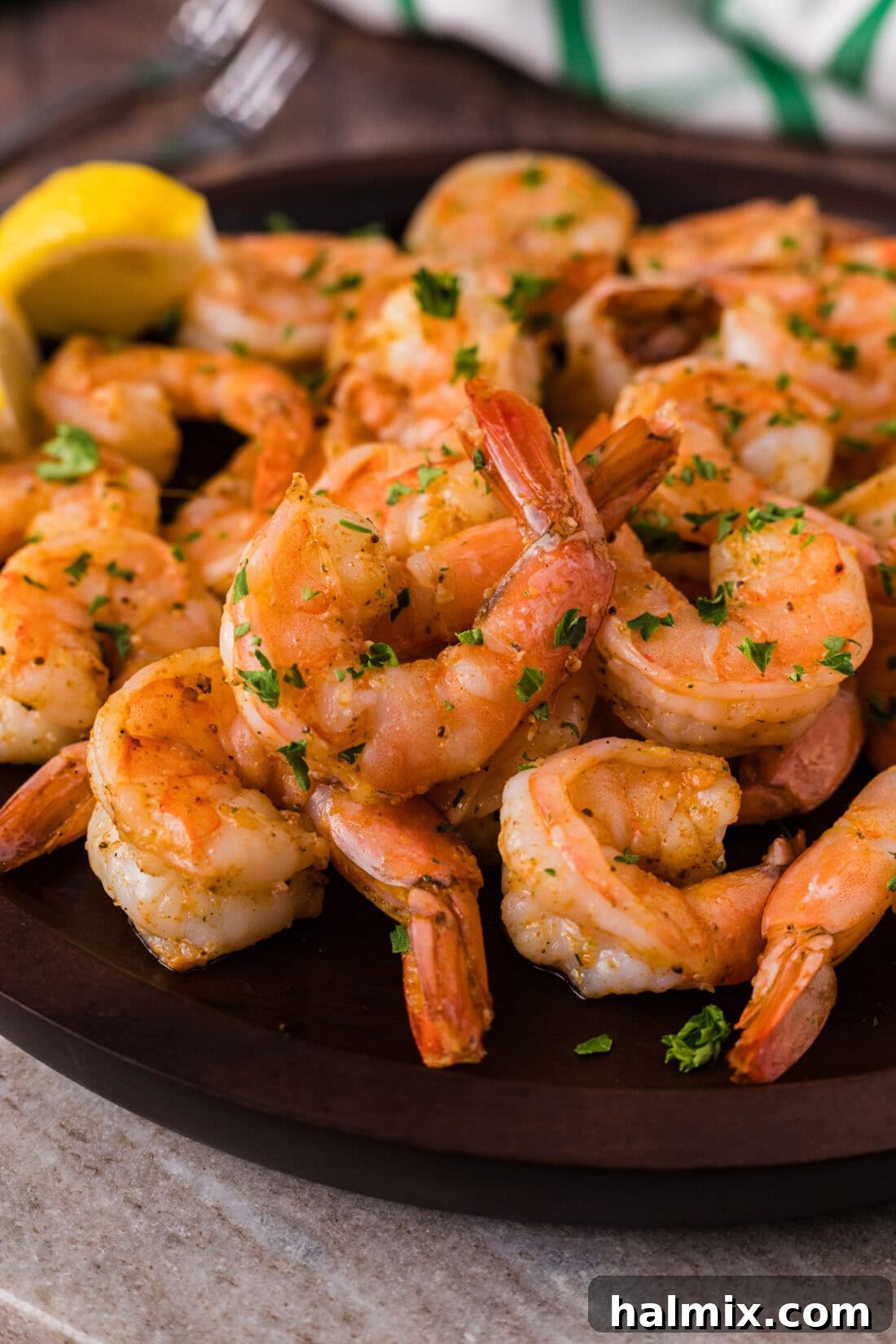
Why This Easy Steamed Shrimp Recipe Is a Must-Try
Steamed shrimp stands out as one of the most effortless and rewarding seafood dishes you can prepare. Its simplicity is truly its greatest strength. With minimal fuss and a few key seasonings, you can transform raw shrimp into a succulent delicacy. A splash of olive oil, a generous sprinkle of Old Bay, and a touch of garlic salt are all it takes to enhance the natural sweetness of the shrimp without ever overwhelming its delicate flavor profile. Placed in a steam basket over boiling water, the shrimp cooks quickly and evenly, retaining its moisture and achieving that perfect tender-crisp bite.
This method is a true lifesaver for those busy evenings when you crave a delicious, home-cooked meal but lack the time or energy for elaborate preparations. It’s a testament to the fact that extraordinary flavor doesn’t always require complicated techniques or a long list of ingredients. Beyond its speed, steaming offers significant health benefits, preserving nutrients and keeping the dish wonderfully light. While there are countless ways to prepare shrimp – from sautéed to baked, and even grilled – the steaming method is arguably one of the healthiest, locking in moisture and flavor without added fats.
The beauty of this steamed shrimp recipe lies in its versatility. It serves as a fantastic standalone appetizer, a lean protein for salads, or a flavorful component in a variety of main dishes. Its mild yet seasoned profile makes it a crowd-pleaser, appealing to a wide range of palates. Plus, the quick cooking time means less time in the kitchen and more time enjoying your meal, which is precisely what most home cooks are looking for.
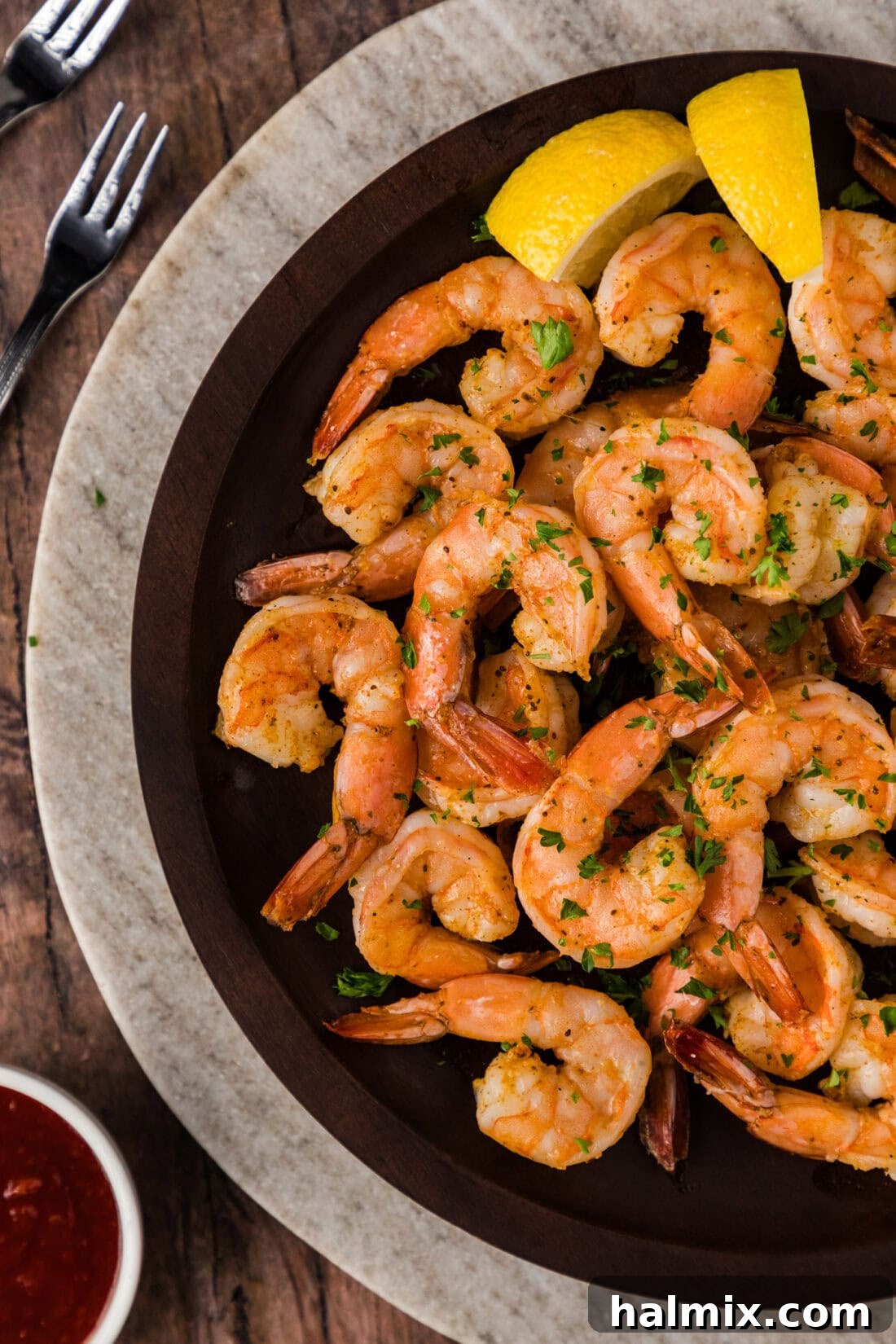
Essential Ingredients for Flavorful Steamed Shrimp
Crafting delicious steamed shrimp requires only a handful of ingredients, emphasizing freshness and quality over quantity. Each component plays a vital role in creating a balanced and delightful flavor. Below, we break down what you’ll need and offer some helpful insights for each.
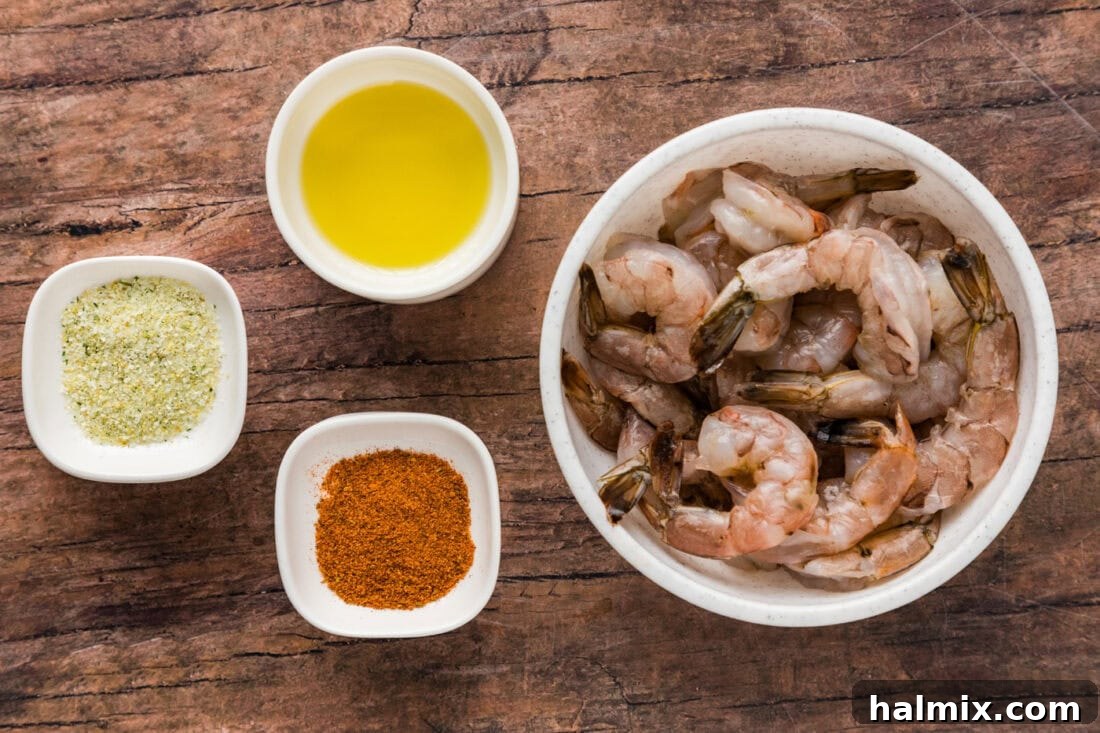
Decoding Your Ingredients: Tips for Best Results
SHRIMP: For this recipe, you’ll need one pound of large raw shrimp. It’s crucial that they are already peeled and deveined for ease of preparation and optimal texture. Large shrimp tend to hold up better to steaming and remain plump. While fresh shrimp are always fantastic, frozen shrimp are perfectly acceptable and widely available. Just ensure you thaw them completely before you begin the seasoning process. Thawing allows the seasonings to properly adhere to the shrimp, preventing them from washing off during steaming. Look for responsibly sourced shrimp if possible, supporting sustainable fishing practices.
SEASONING: The star seasonings here are classic Old Bay seasoning and garlic salt. This combination delivers a quintessential coastal flavor that complements shrimp beautifully without being overpowering. Old Bay is a unique blend of spices, including celery salt, paprika, and various peppers, giving the shrimp a distinct, savory kick. Garlic salt provides a foundational layer of aromatic garlic and salt. Feel free to experiment with other seasonings if you wish; a sprinkle of smoked paprika, a pinch of cayenne for heat, or even a squeeze of fresh lemon juice can elevate the flavors. You can also explore our classic homemade shrimp seasoning blend for a customized approach.
OLIVE OIL: A tablespoon of olive oil helps the seasonings stick to the shrimp and also contributes a subtle richness to the final dish. You can use extra virgin olive oil for its robust flavor or a lighter olive oil if you prefer a more delicate touch. If you don’t have olive oil, a neutral-flavored oil like avocado oil or grapeseed oil would also work, though olive oil offers the best flavor contribution for this recipe.
WATER: Essential for generating the steam. While tap water is generally fine, for an extra layer of flavor, consider adding a lemon wedge, a few sprigs of fresh parsley, or a bay leaf to the steaming water. This infuses a subtle aroma into the shrimp as it cooks.
Step-by-Step Guide: How to Steam Shrimp Perfectly Every Time
These step-by-step photos and instructions are here to help you visualize how to make this recipe. For a printable version of this recipe, complete with measurements and detailed instructions, please find the full recipe card at the bottom of this post.
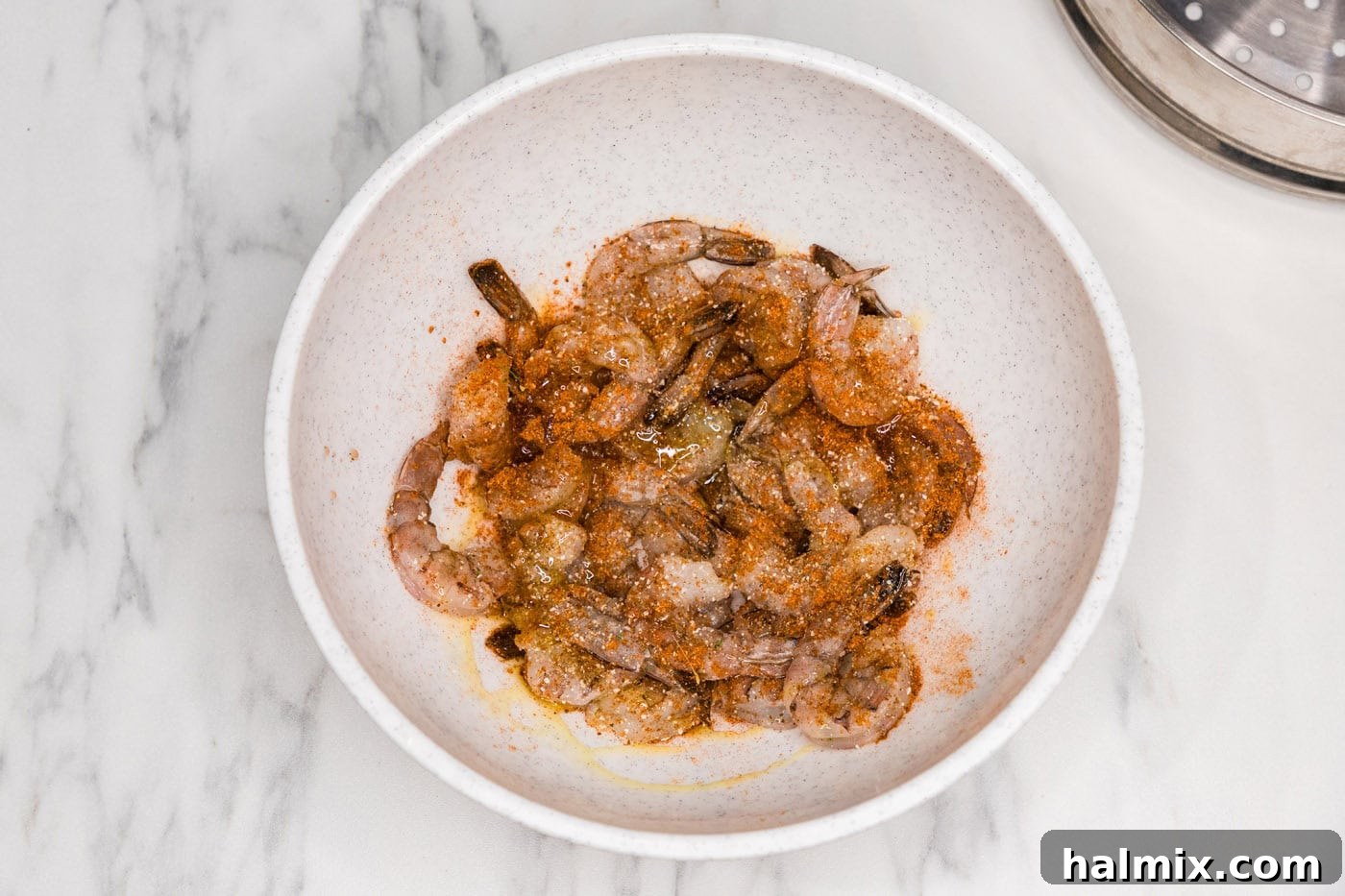
- Prepare and Season the Shrimp: In a medium bowl, combine the peeled and deveined raw shrimp with garlic salt and Old Bay seasoning. Ensure the shrimp are evenly coated with the spices.
- Add Olive Oil: Drizzle the seasoned shrimp with olive oil. Toss gently to ensure every piece of shrimp is lightly coated, helping the seasonings adhere and promoting even cooking.

- Set Up Your Steamer: Pour enough water into the bottom of your steam pot to create about an inch of depth. Be careful not to add so much water that it touches the bottom of the steamer basket. Bring this water to a rapid boil over medium-high heat.
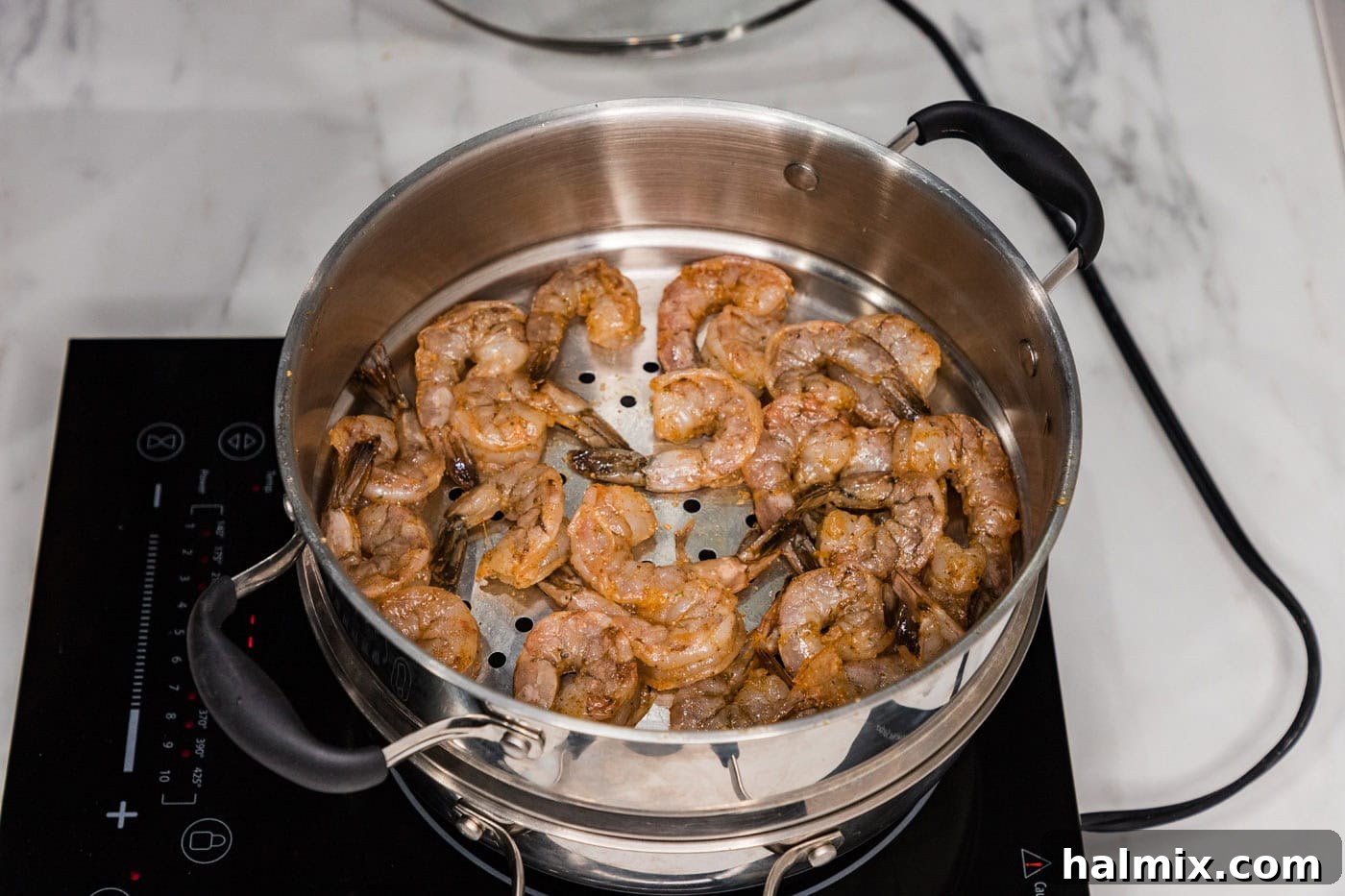
- Load the Steamer Basket: Carefully place the seasoned shrimp into the top basket of your steam pot, arranging them in a single layer if possible to ensure even steam circulation. Avoid overcrowding the basket.
- Begin Steaming: Once the water is boiling vigorously, place the steamer basket with the shrimp over the boiling water. Cover the pot tightly with its lid.
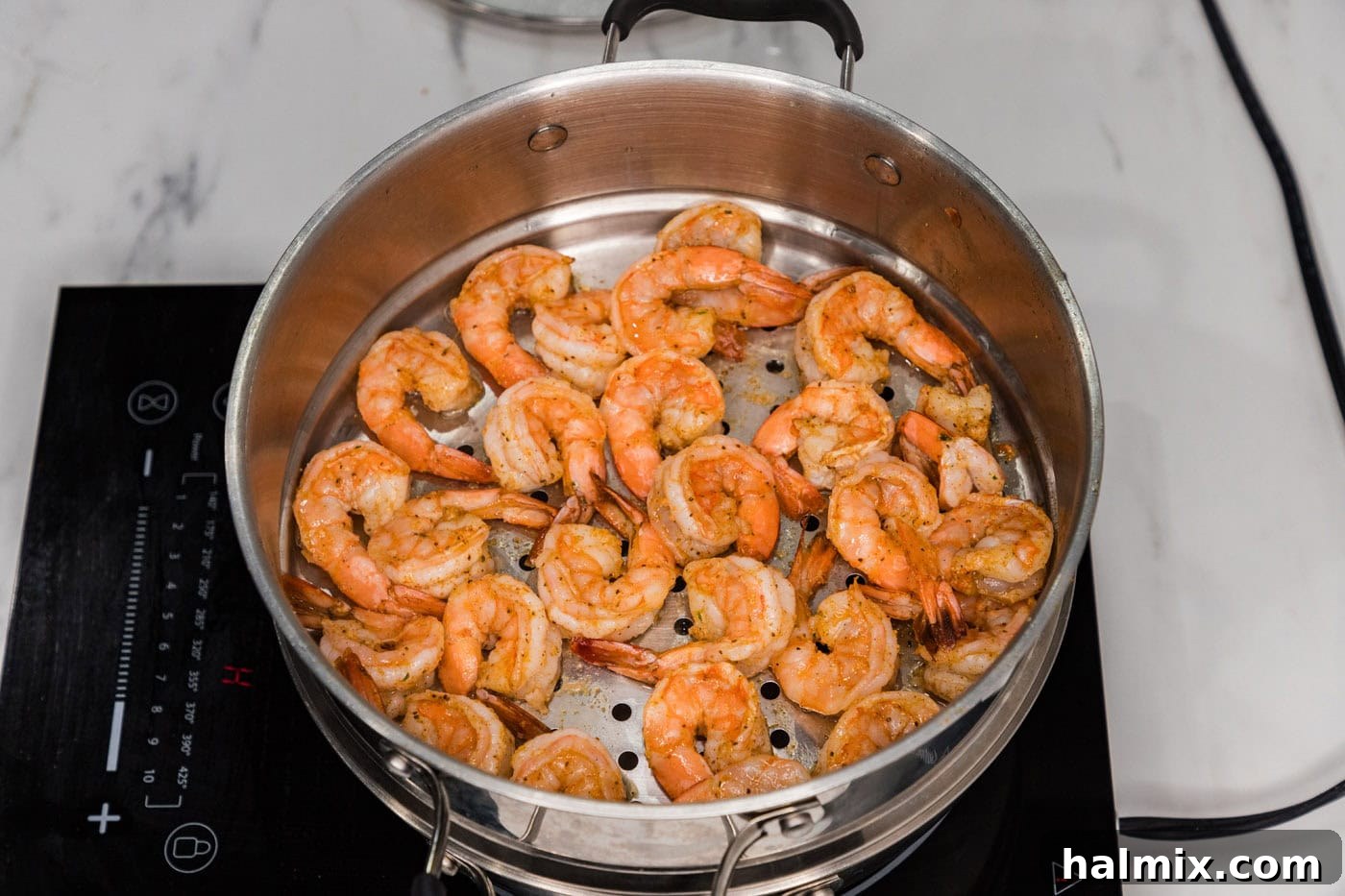
- Cook to Perfection: Steam the shrimp for approximately 5-7 minutes. Shrimp cooks very quickly, and you’ll know it’s done when it turns opaque pink and curls into a C-shape. Overcooked shrimp becomes tough and rubbery, so keep a close eye on it!
- Serve Immediately: Once cooked, remove the shrimp from the steamer and serve hot with your favorite dipping sauces or as part of a larger meal.
Frequently Asked Questions & Expert Tips for Steamed Shrimp
Absolutely! Frozen shrimp is perfectly fine to use and often very convenient. However, it’s essential to thaw the shrimp completely before you begin the seasoning process. This allows the garlic salt, Old Bay, and olive oil to adhere properly to the shrimp. If you season frozen shrimp, the “goodness” will simply slip off as it steams, leading to a less flavorful result. To quickly thaw frozen shrimp, place it in a sealed zip-top bag and submerge it in a bowl of cool water. Your shrimp should be thawed in about 40 minutes to an hour. Change out the water every 15-20 minutes to keep it cool. Never thaw shrimp in warm or hot water, as this can begin to cook it and affect its texture.
No steamer? No problem! You can easily create a makeshift steamer using equipment you likely already have. Simply place a heat-safe colander (metal ones work best) inside a large pot. Ensure the pot is large enough to accommodate the colander with the lid firmly in place. Add water to the pot, making sure it doesn’t touch the bottom of the colander. Bring the water to a boil, then place your seasoned shrimp in the colander, cover the pot, and steam as directed. Alternatively, you can purchase individual steamer baskets that fit into various pot sizes, offering a budget-friendly solution.
Cooked shrimp will undergo a noticeable transformation. They will turn from translucent gray to an opaque pink color and typically curl into a loose C-shape. Avoid overcooking, as this is the primary cause of rubbery shrimp. As soon as all the shrimp pieces have turned pink, they are ready to be removed from the heat.
To maintain freshness and safety, store any leftover steamed shrimp in an airtight container in the refrigerator. Properly stored, it will remain delicious for up to 3 days. Beyond that, the quality and safety can diminish.
Reheating shrimp can be a bit tricky, as it’s easy to overcook and turn it rubbery. The key is low and slow heat. The best method is to reheat it gently in a skillet with a splash of water or a tiny pat of butter. Cover with a lid and cook for just a few minutes over low heat until warmed through. You can also reheat it in an oven preheated to 275°F (135°C) for around 10 minutes or until just heated. Avoid the microwave if possible, as it tends to unevenly cook and toughen shrimp.
Absolutely! Infusing your steaming water is a fantastic way to add subtle layers of flavor to your shrimp. Consider adding a few slices of lemon, some fresh herbs like parsley or dill, a bay leaf, or even a splash of white wine or beer (especially for a classic Old Bay seafood boil flavor). These aromatics will gently perfume the shrimp as it steams, enhancing its taste.
Delicious Serving Suggestions for Steamed Shrimp
Steamed shrimp, with its tender texture and delightful seasoning, is incredibly versatile and pairs well with a variety of accompaniments. It can be served hot straight from the steamer or chilled for refreshing cold dishes.
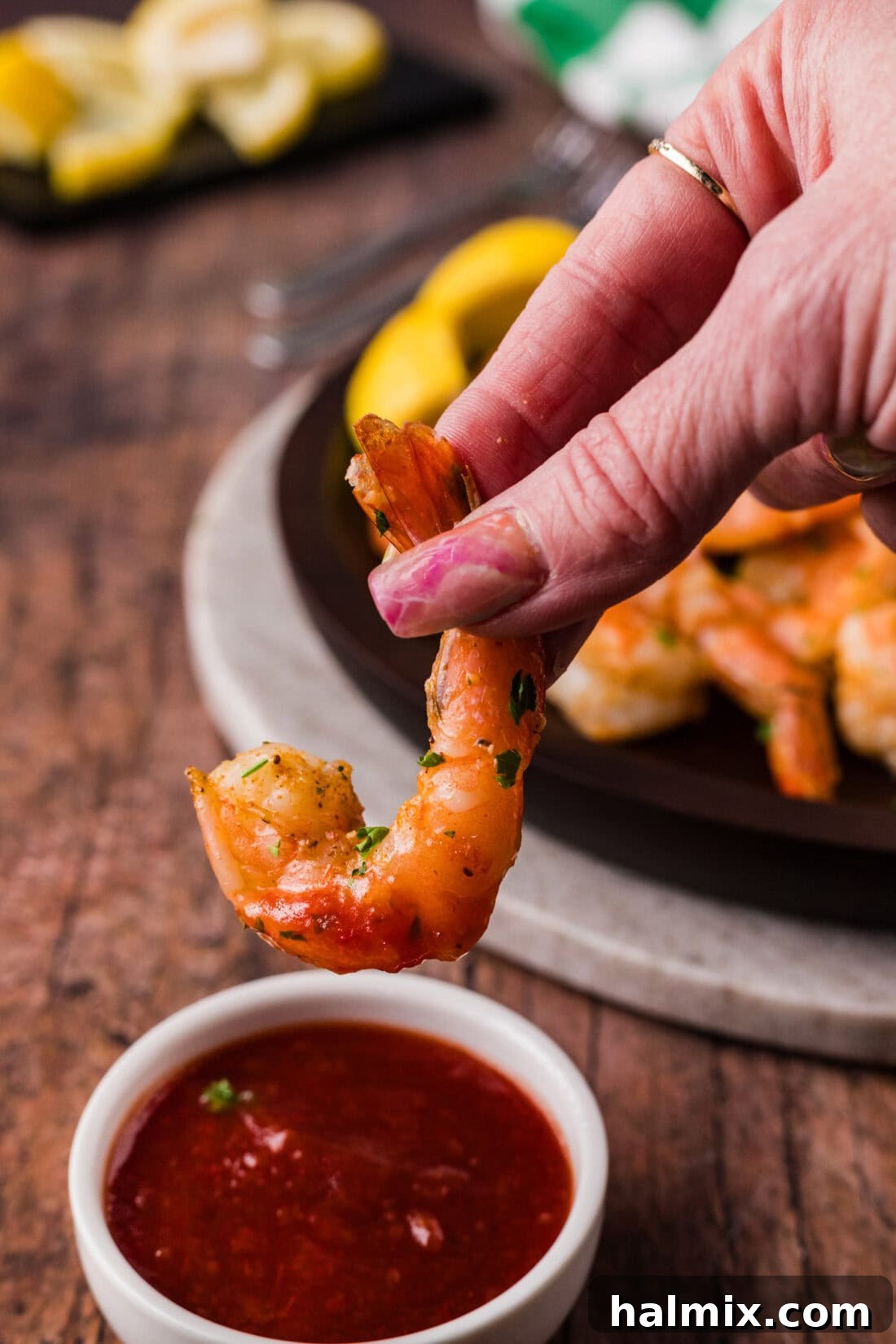
For dipping, classic cocktail sauce is always a winner, offering a tangy and slightly spicy kick. Other excellent choices include creamy garlic aioli, melted garlic butter for a richer experience, or a sweet and spicy Asian chili sauce. A squeeze of fresh lemon juice is also a simple yet effective way to brighten the flavors.
Beyond dipping, steamed shrimp is a fantastic protein to incorporate into numerous meals. Serve it alongside fluffy white rice or buttered noodles for a complete and satisfying dinner. It’s excellent when wrapped in warm tortillas for quick burritos or tacos, providing a light and flavorful filling. For a healthy and vibrant meal, toss chilled steamed shrimp into fresh green salads, pasta salads, or grain bowls. It’s also an ideal base for shrimp scampi, shrimp cocktail, or any recipe that calls for already cooked shrimp, saving you a step in more complex preparations. The possibilities are truly endless!
Explore More Irresistible Shrimp Recipes
If you loved this steamed shrimp recipe, you’re in for a treat! Shrimp is one of the most versatile and beloved types of seafood, offering endless possibilities for delicious meals. Explore some of our other favorite shrimp recipes that cater to various tastes and cooking styles:
- Crispy Shrimp: For those who love a satisfying crunch.
- Butterfly Shrimp: Elegant and flavorful, perfect for appetizers.
- Blackened Shrimp: A bold and spicy option with a rich, smoky crust.
- Garlic Butter Shrimp: A classic, indulgent dish that’s always a hit.
- Broiled Shrimp: Quick cooking method for tender, juicy results.
As an avid home cook, I love experimenting in the kitchen and sharing my culinary experiences with you! To make sure you never miss out on new recipes, I offer a convenient newsletter. Simply subscribe to receive delicious new recipes directly in your inbox.
The Ultimate Steamed Shrimp Recipe Card
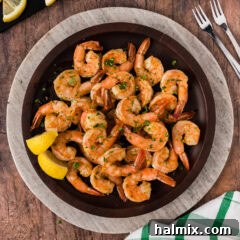
Steamed Shrimp
This recipe for perfectly steamed shrimp is incredibly easy to make! With just a bit of olive oil, classic Old Bay seasoning, and garlic salt, you’ll create magic in your steamer basket for tender, flavorful results.
Course: Dinner, Appetizer
Cuisine: American, Seafood
Servings: 4 servings (1/4 pound per serving)
Prep Time: 5 minutes
Cook Time: 5-7 minutes
Total Time: 10-12 minutes
Calories: 84 kcal per serving
Author: Amanda Davis
IMPORTANT – There are often Frequently Asked Questions within the blog post that you may find helpful. Simply scroll back up to read them!
Pin It
Ingredients
- 1 pound large raw shrimp, peeled and deveined (fresh or thawed frozen)
- 2 teaspoons garlic salt
- 2 teaspoons Old Bay seasoning
- 1 Tablespoon olive oil
Equipment You’ll Need
- Large mixing bowl
- Steam pot with basket (or a large pot with a heat-safe colander)
Before You Begin
- If you don’t have a dedicated steamer, create a makeshift one by placing a heat-safe metal colander inside a large pot that can be covered with a lid. Ensure the water in the pot does not touch the bottom of the colander.
- When using frozen shrimp, always thaw them completely before seasoning. Place sealed frozen shrimp in cool water for about 40-60 minutes, changing the water as needed, until fully thawed. Never use warm or hot water for thawing.
Instructions
- Season Shrimp: In a large mixing bowl, combine the peeled and deveined raw shrimp with garlic salt and Old Bay seasoning.
- Drizzle with Olive Oil: Add the olive oil to the seasoned shrimp and toss gently to ensure an even coating.
- Prepare Steamer: Pour approximately 1 inch of water into the bottom of your steam pot (or large pot for makeshift steamer). Bring the water to a rapid boil over medium-high heat.
- Place Shrimp in Basket: Carefully arrange the seasoned shrimp in a single layer within the top basket of the steam pot.
- Steam: Place the steamer basket over the boiling water and cover tightly with a lid.
- Cook: Steam the shrimp for 5-7 minutes, or until the shrimp turn opaque pink and curl into a C-shape. Remove immediately to prevent overcooking.
Expert Tips & FAQs
- Store leftover steamed shrimp in an airtight container in the refrigerator for up to 3 days.
- To reheat, gently warm shrimp in a covered skillet with a splash of water or in an oven at 275°F (135°C) for about 10 minutes. Avoid microwaving to prevent a rubbery texture.
- Shrimp is done when it turns pink and opaque throughout. Overcooking will make it tough.
Nutrition Facts (per serving)
Serving Size: 1 serving (approx. 1/4 pound)
- Calories: 84 kcal
- Carbohydrates: 2g
- Protein: 16g
- Fat: 1g
- Saturated Fat: 0.2g
- Polyunsaturated Fat: 0.2g
- Monounsaturated Fat: 0.1g
- Trans Fat: 0.01g
- Cholesterol: 143mg
- Sodium: 642mg
- Potassium: 135mg
- Fiber: 0.1g
- Sugar: 0.03g
- Vitamin A: 230 IU
- Vitamin C: 0.1mg
- Calcium: 71mg
- Iron: 1mg
Tried this Recipe? Pin it for Later!
Follow on Pinterest @AmandasCookin or tag #AmandasCookin!
The recipes on this blog are tested with a conventional gas oven and gas stovetop. Please note that cooking times and results can vary depending on your appliance, especially with older ovens. Using an inexpensive oven thermometer can help ensure your oven is heating to the proper temperature. If using a toaster oven, countertop oven, pressure cooker, air fryer, or other specialized appliance, adjustments to cooking times may be necessary, as heat distribution can differ significantly from a full-sized conventional oven. For baking recipes where measurements are provided by weight, using volume (cups) instead may yield different results, and we cannot guarantee success with alternate measurement methods.