
Indulge in the vibrant flavors of our Homemade Lemon Pound Cake, a delightful dessert that promises a perfect balance of zesty lemon and sweet, tender crumb. This recipe delivers a moist, buttery cake, beautifully crowned with a luscious lemon glaze that elevates every bite. Whether you’re a seasoned baker or just starting, our easy-to-follow guide ensures a show-stopping result that will impress family and friends alike. Prepare to fill your kitchen with the irresistible aroma of fresh lemon and enjoy a slice of pure bliss!

The Secret to the Best Lemon Pound Cake
If life hands you lemons, forget the lemonade and bake this extraordinary lemon pound cake! This isn’t just any cake; it’s a celebration of citrus. Our recipe stands out for several compelling reasons:
- Unrivaled Moisture: We’ve perfected the balance of ingredients, including the crucial addition of sour cream and room-temperature butter and eggs, to guarantee a pound cake that is incredibly moist and never dry. Each slice melts in your mouth, leaving you craving another.
- Explosive Lemon Flavor: We harness the power of fresh lemon juice and zest, not just in the cake batter but also in the delicate glaze. This dual infusion ensures a bright, tangy flavor that truly shines, without being overpowering. The zest provides that aromatic ‘zing’ that makes lemon desserts so captivating.
- Perfectly Tender Crumb: The careful measurement of flour, coupled with precise mixing techniques, results in a fine, tender crumb that is characteristic of a classic pound cake. It’s dense enough to be satisfying but light enough to be utterly delightful.
- Effortless Elegance: Despite its gourmet taste and appearance, this lemon pound cake is surprisingly simple to make. With our step-by-step instructions and expert tips, even novice bakers can achieve professional-quality results.
- Versatile Treat: This lemon loaf transcends occasion. Enjoy it as a sunny breakfast alongside your morning coffee, a refreshing afternoon snack, or a sophisticated dessert to conclude any meal. Its timeless appeal makes it a beloved staple.
Lemon is undoubtedly our favorite citrus to bake with. From lemon cake to lemon brownies and various lemon loaves, the versatility of this fruit is unmatched. The natural acidity and vibrant aroma infuse baked goods with an unparalleled freshness. This lemon pound cake captures the very essence of lemon, making it an absolute must-try.

Essential Ingredients for Your Lemon Pound Cake
Crafting the perfect lemon pound cake begins with selecting the right ingredients. Below, you’ll find a detailed list of what you’ll need, along with crucial tips for each component to ensure your baking success. For precise measurements and step-by-step instructions, be sure to scroll down to the printable recipe card at the end of this article.
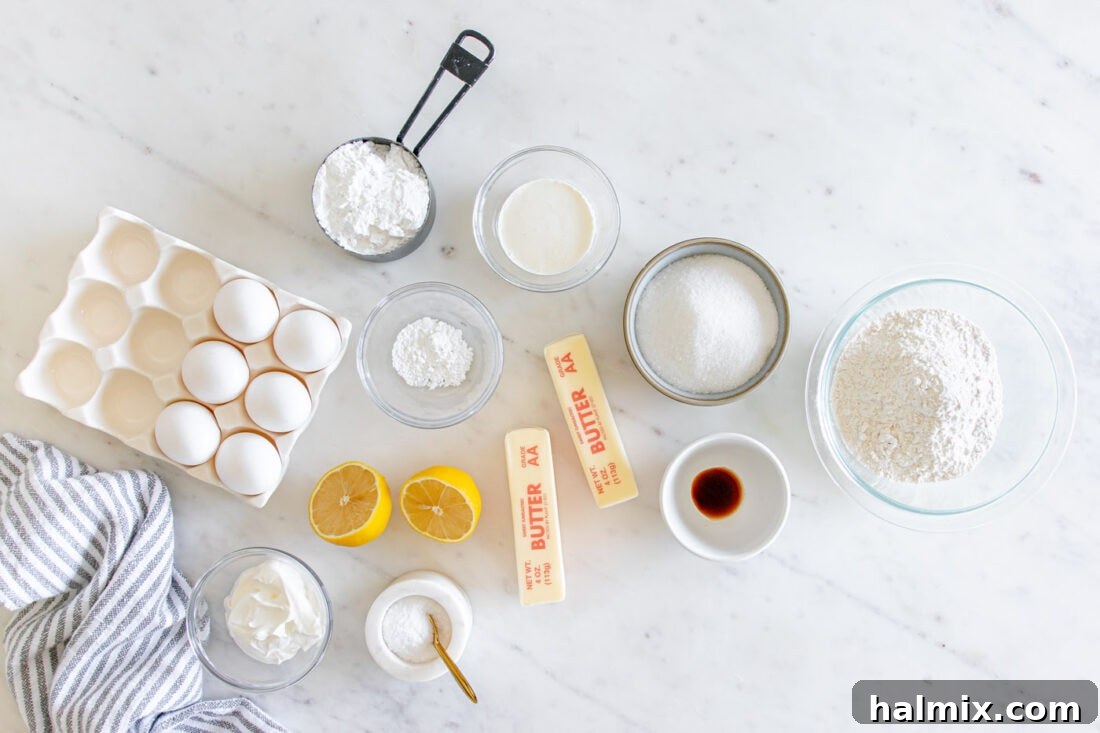
Detailed Ingredient Insights and Expert Tips
Understanding each ingredient’s role is key to achieving bakery-quality results. Here’s what you need to know:
FLOUR: The foundation of any great cake. Achieving a tender, moist crumb largely depends on properly measuring your flour. Always use the “scoop and sweep” method: aerate the flour in its container with a spoon, then gently spoon it into a dry measuring cup until it overflows. Use the flat edge of a butter knife or a straight spatula to sweep across the top, leveling the flour perfectly. Avoid scooping flour directly from the bag, as this compacts it, leading to an excess amount that can result in a dry, dense, or crumbly pound cake – a common baking pitfall we definitely want to avoid.
LEMON: The star of the show! You will typically need two medium-sized fresh lemons for this recipe to yield enough zest and juice. It’s always a good idea to have a third lemon on hand, just in case one doesn’t yield as much juice as expected. For the most vibrant flavor, fresh lemons are indispensable; bottled lemon juice simply won’t provide the same bright, authentic taste. A microplane grater is ideal for efficiently zesting the lemons, capturing only the fragrant yellow part and avoiding the bitter white pith. A handheld lemon squeezer will make juicing a breeze. For an even more intense lemon kick, consider substituting a portion of the vanilla extract with lemon extract, though vanilla still offers a beautiful complementary note.
EGGS: Eggs play a crucial role in binding the ingredients, adding richness, and contributing to the cake’s structure and rise. It is paramount that your eggs are at room temperature before you begin baking. Room temperature eggs emulsify better with other ingredients, creating a smoother, more uniform batter and a lighter, airier texture in the finished cake.
BUTTER: We recommend using unsalted butter to maintain precise control over the overall saltiness of your pound cake. Like eggs, your butter must be at room temperature. Softened butter creams beautifully with sugar, incorporating air that contributes to the cake’s light texture. To quickly bring butter to room temperature, slice it into smaller pieces and let it rest on your counter for 30-40 minutes. Avoid microwaving, as this can melt it unevenly.
SOUR CREAM: This ingredient is a game-changer for moisture and tenderness. Sour cream adds a delightful tang that complements the lemon and ensures an incredibly moist crumb. As with butter and eggs, ensure your sour cream is at room temperature. Cold sour cream can cause the batter to curdle and become lumpy, affecting the final texture of your cake.
ICING: This simple yet elegant glaze brings all the flavors together in perfect harmony. It’s a classic combination of sifted powdered sugar, fresh lemon juice, and a touch of heavy cream. Sifting the powdered sugar is essential to prevent lumps and achieve a silky-smooth glaze. For an extra pop of citrus, don’t hesitate to add a teaspoon or two of fresh lemon zest to the icing mixture.
Step-by-Step Guide to Baking Lemon Pound Cake
These step-by-step photos and instructions are here to help you visualize how to make this recipe. For the complete, printable version of this recipe, including all measurements and detailed instructions, please jump to the recipe card at the bottom of this post.
- Prepare your Pan and Oven: Begin by preheating your oven to 350°F (175°C). Lightly grease and flour an 8×4 inch loaf pan with nonstick cooking spray, ensuring all surfaces are covered to prevent sticking. Set the prepared pan aside.
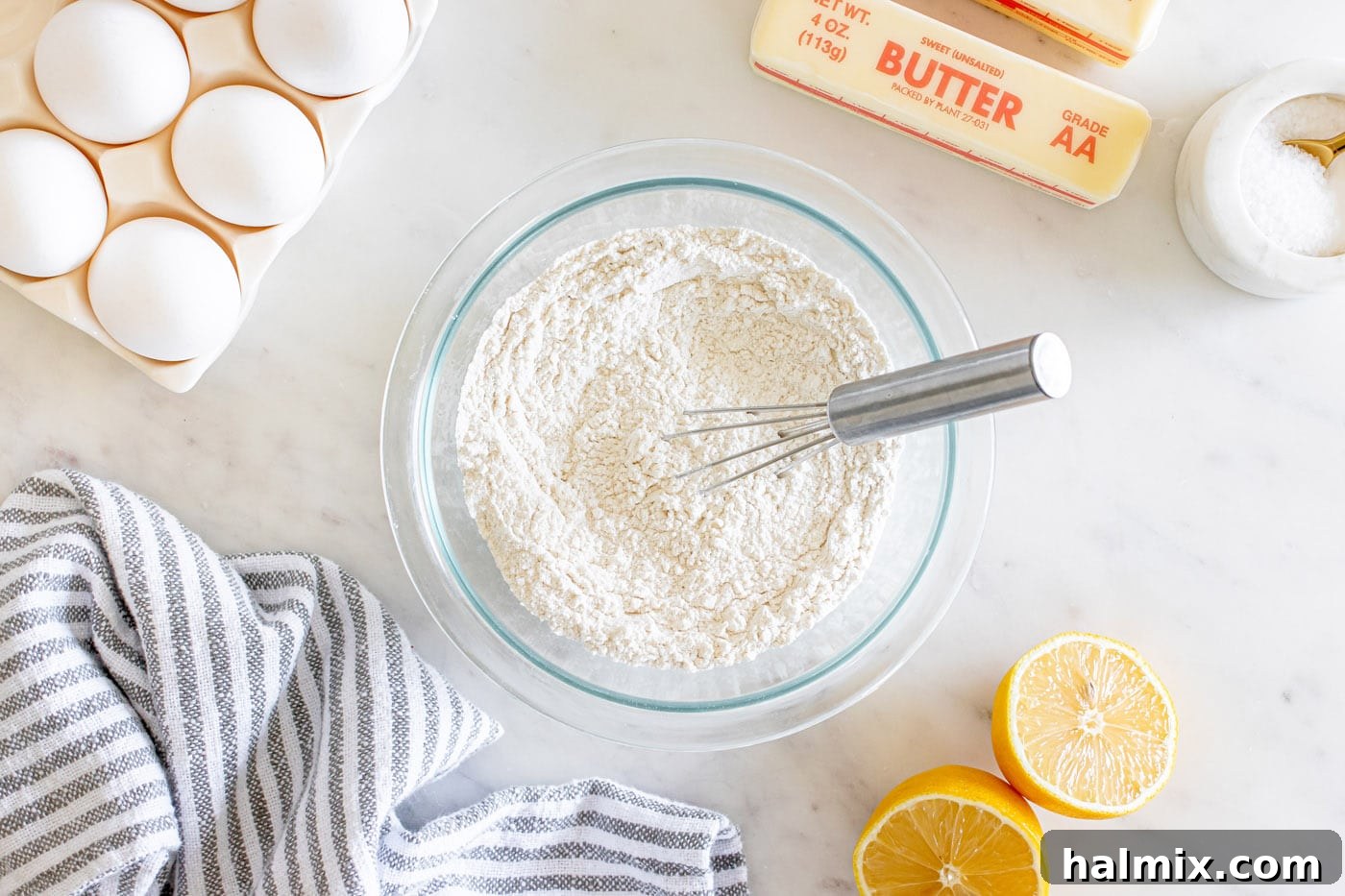
- Combine Dry Ingredients: In a medium-sized mixing bowl, whisk together the all-purpose flour, baking powder, salt, and fresh lemon zest. Whisk well to ensure the leavening agents and zest are evenly distributed throughout the flour. Set this bowl aside.

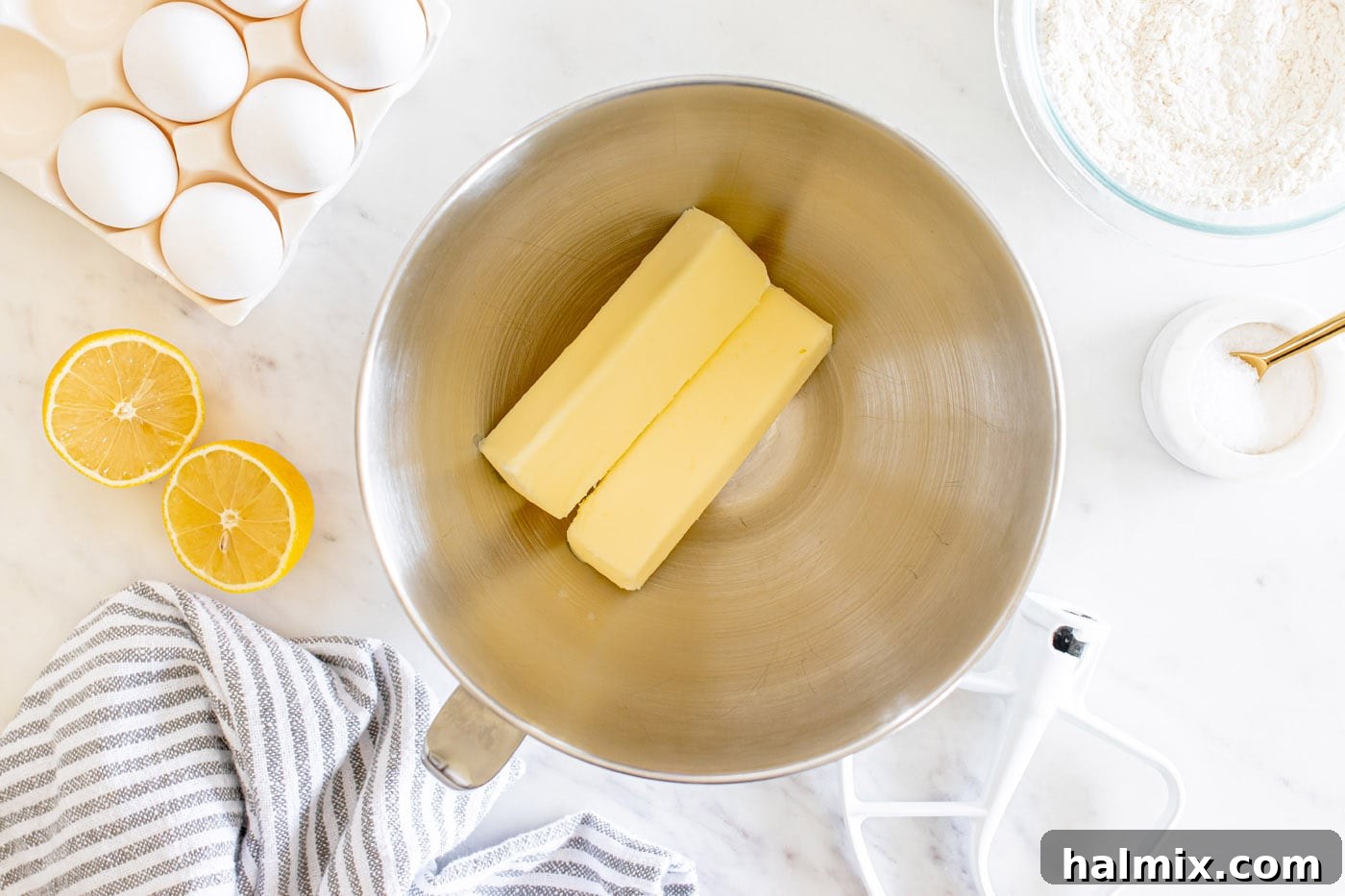
- Cream the Butter: Using a stand mixer fitted with a paddle attachment (or a hand mixer), beat the softened unsalted butter on medium speed until it becomes light and creamy, approximately 1 minute. Scrape down the sides of the bowl as needed to ensure even creaming.
- Add Sugar and Cream: Gradually add the granulated sugar to the creamed butter. Continue beating on medium speed for another 2 minutes until the mixture is light, fluffy, and pale in color. This step is crucial for incorporating air, which contributes to the pound cake’s texture. Remember to scrape down the sides of the bowl periodically.
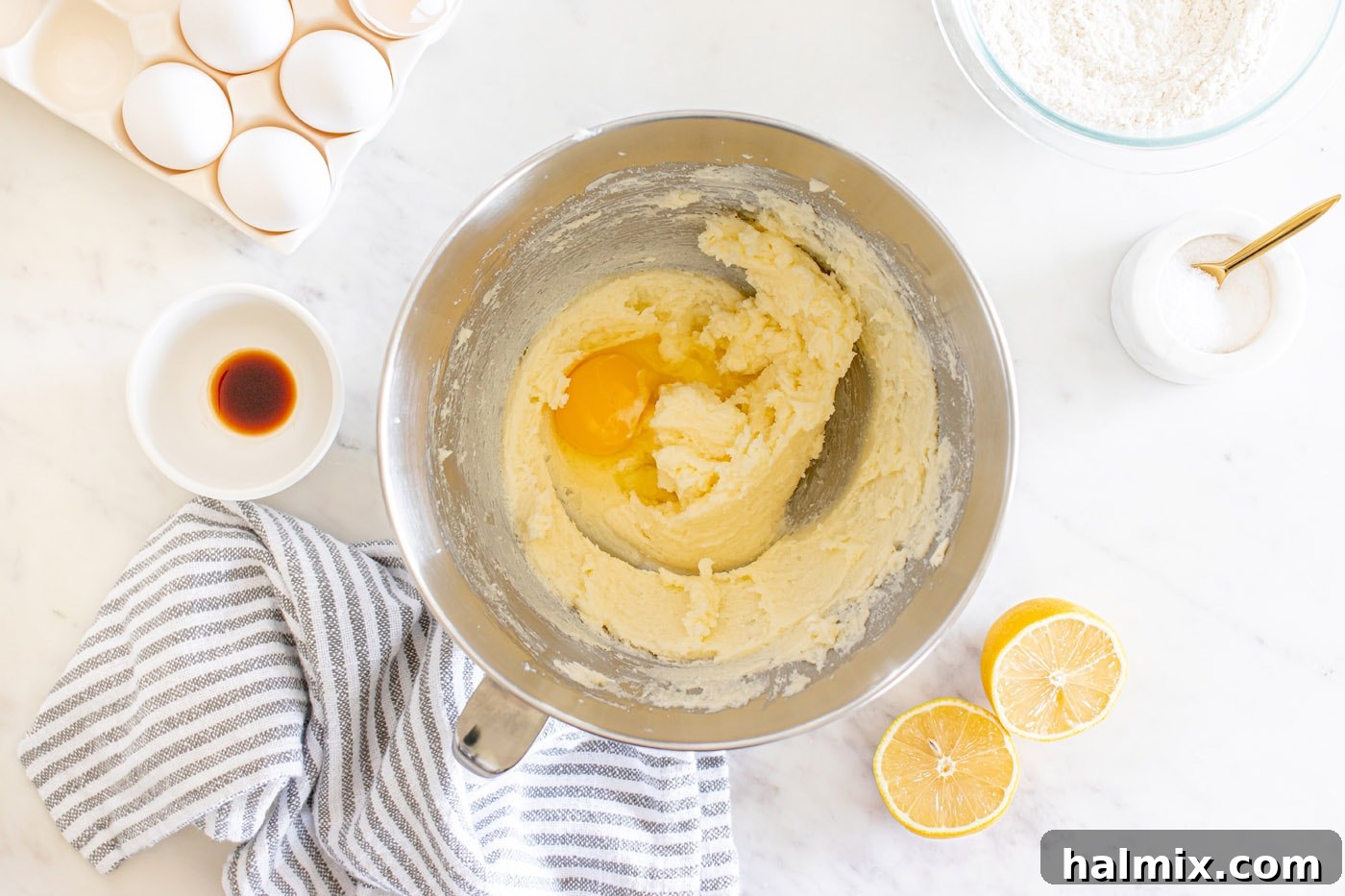
- Incorporate Eggs: Reduce the mixer speed to low. Add the room-temperature eggs one at a time, mixing thoroughly after each addition until just combined. Overmixing at this stage can lead to a tough cake. Once the eggs are incorporated, turn off the mixer.
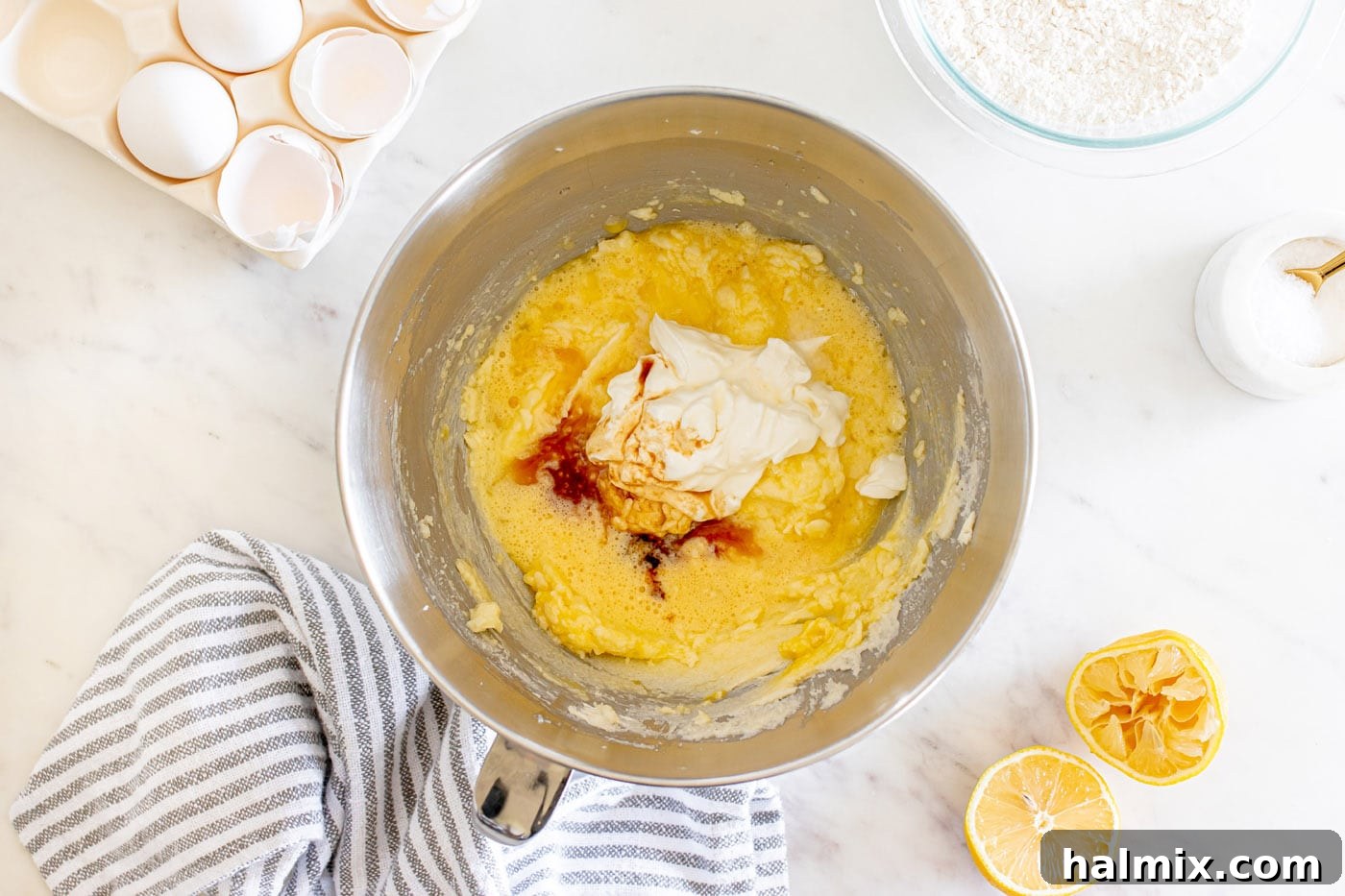
- Add Wet Ingredients: Introduce the room-temperature sour cream, vanilla extract, and fresh lemon juice to the butter-egg mixture. Beat on medium speed until all ingredients are well combined and the mixture appears smooth. Don’t worry if the batter looks slightly curdled at first; it will smooth out once the flour is added. Scrape down the sides of the bowl to ensure everything is fully incorporated.
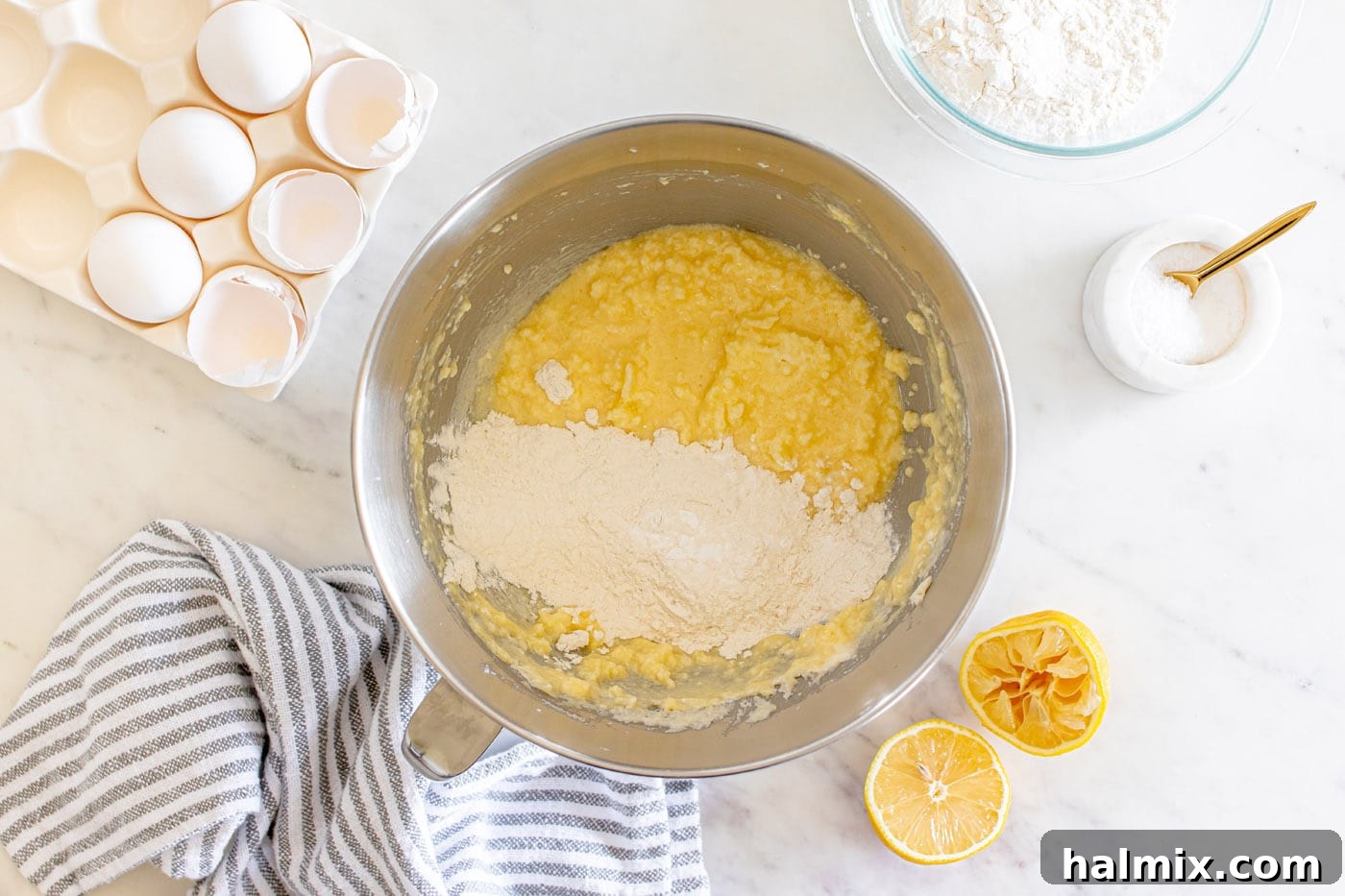
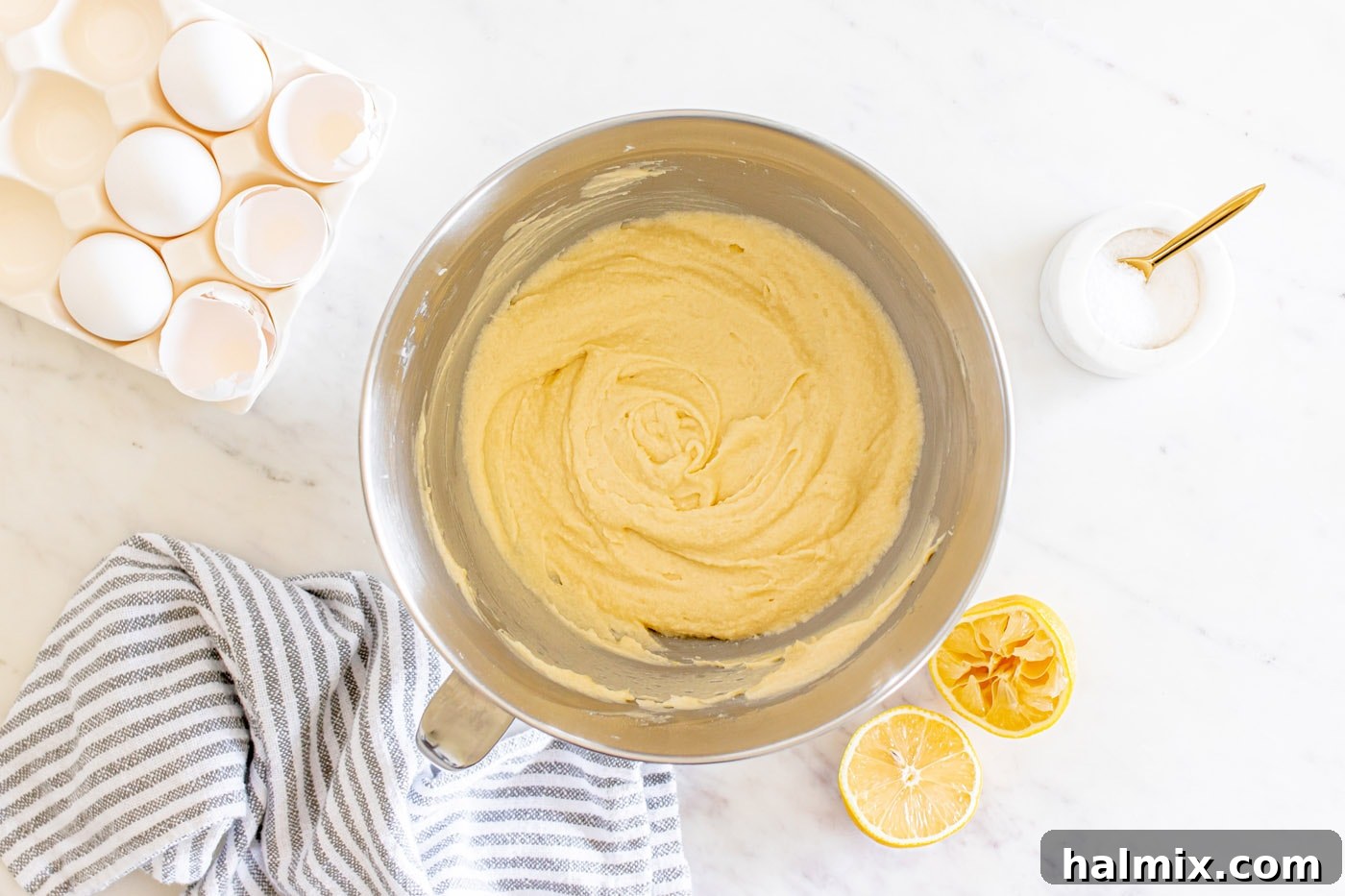
- Fold in Dry Ingredients: With the mixer on its lowest speed, gradually add the reserved flour mixture to the wet ingredients. Mix until just combined, being careful not to overmix the batter. Overmixing develops gluten, which can make your pound cake tough and chewy. Stop mixing as soon as no dry streaks of flour are visible.
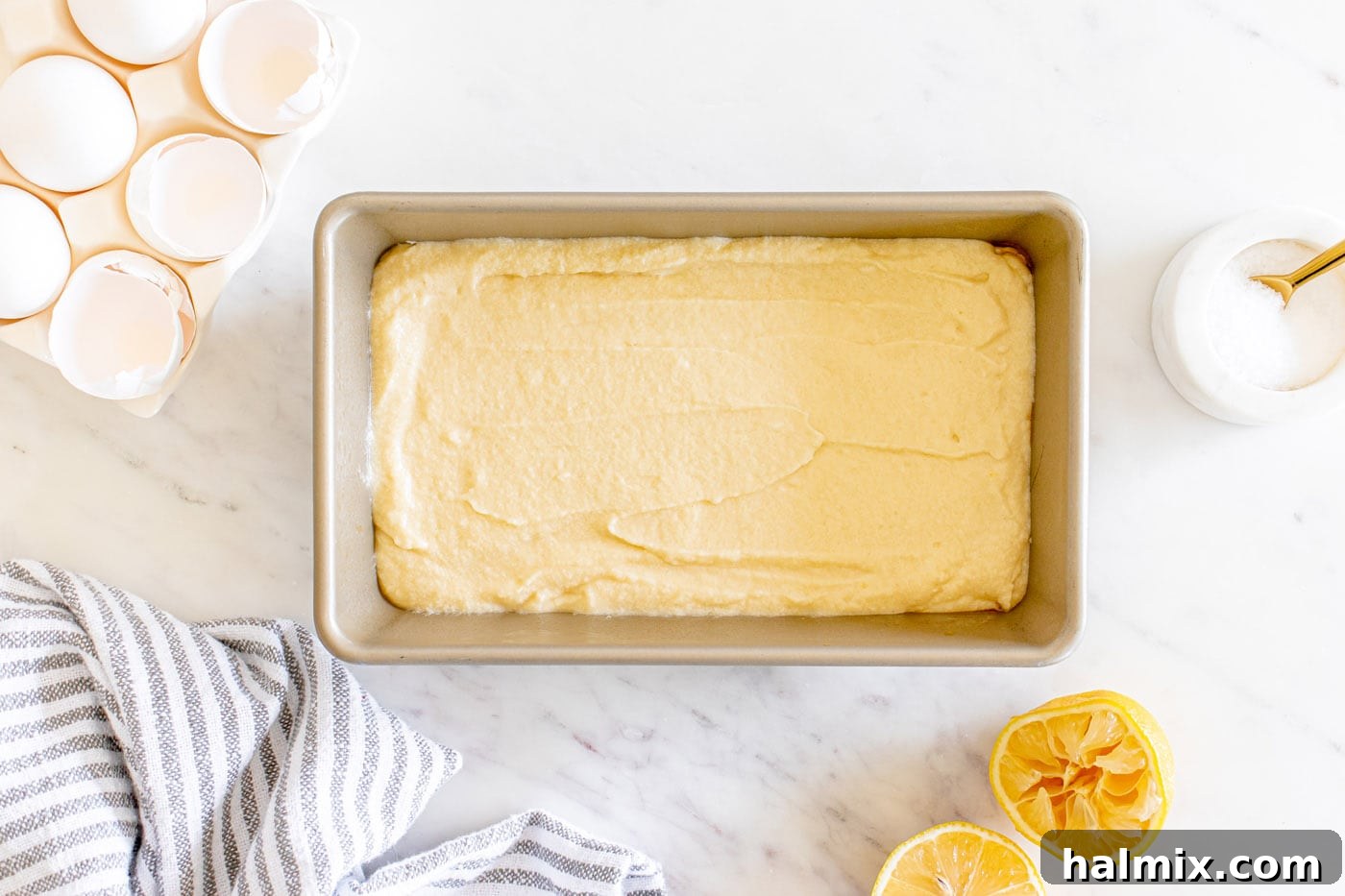
- Bake the Loaf: Pour the batter evenly into your greased loaf pan. Bake in the preheated oven for 50-65 minutes, or until a wooden skewer or toothpick inserted into the center of the cake comes out clean. Baking times may vary depending on your oven, so keep an eye on it.
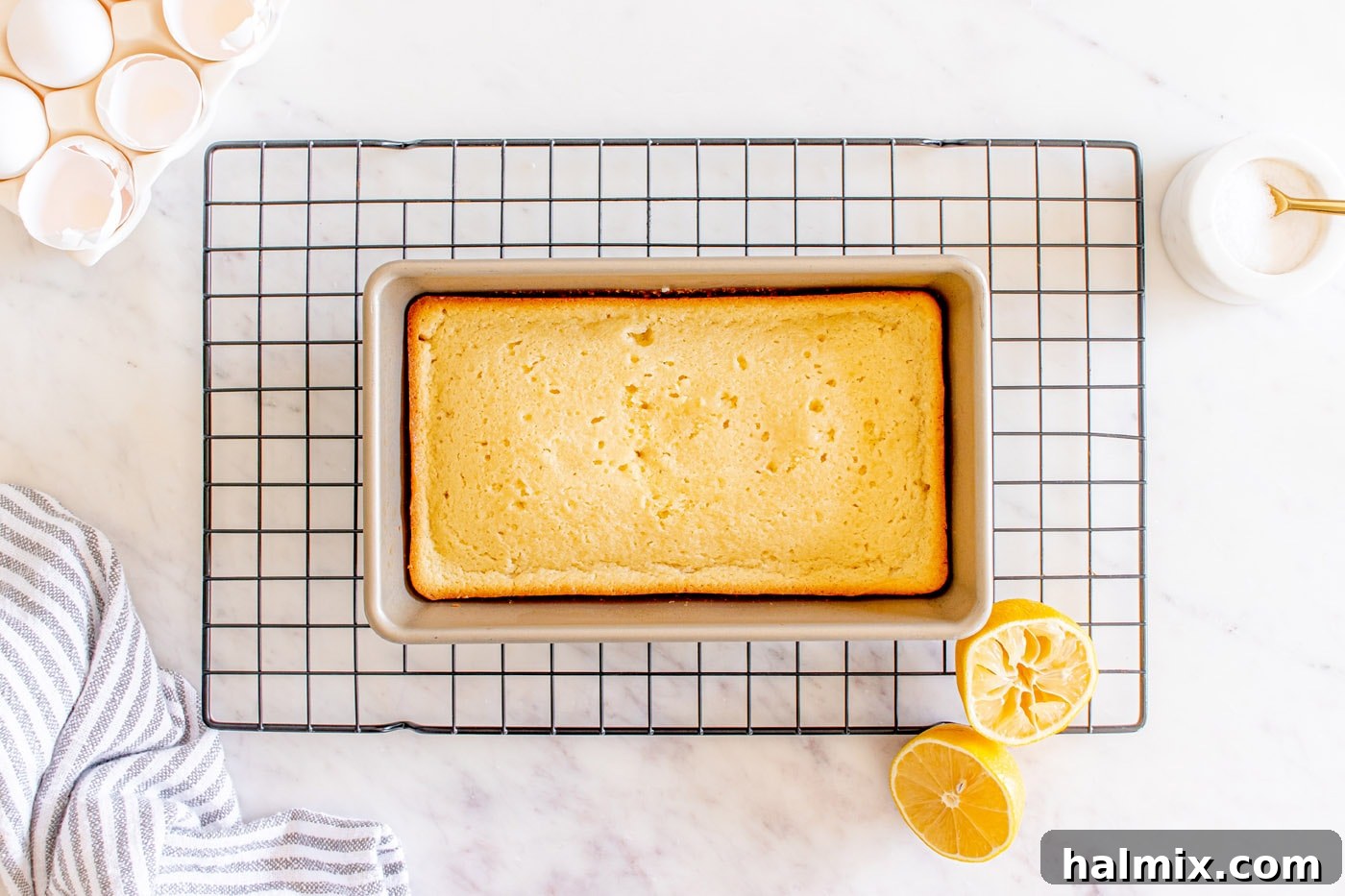
- Cool Completely: Once baked, remove the loaf pan from the oven and allow the cake to cool in the pan for about 10-15 minutes. Then, carefully invert the cake onto a wire cooling rack to cool completely. This is a crucial step; attempting to glaze a warm cake will result in the icing melting off.
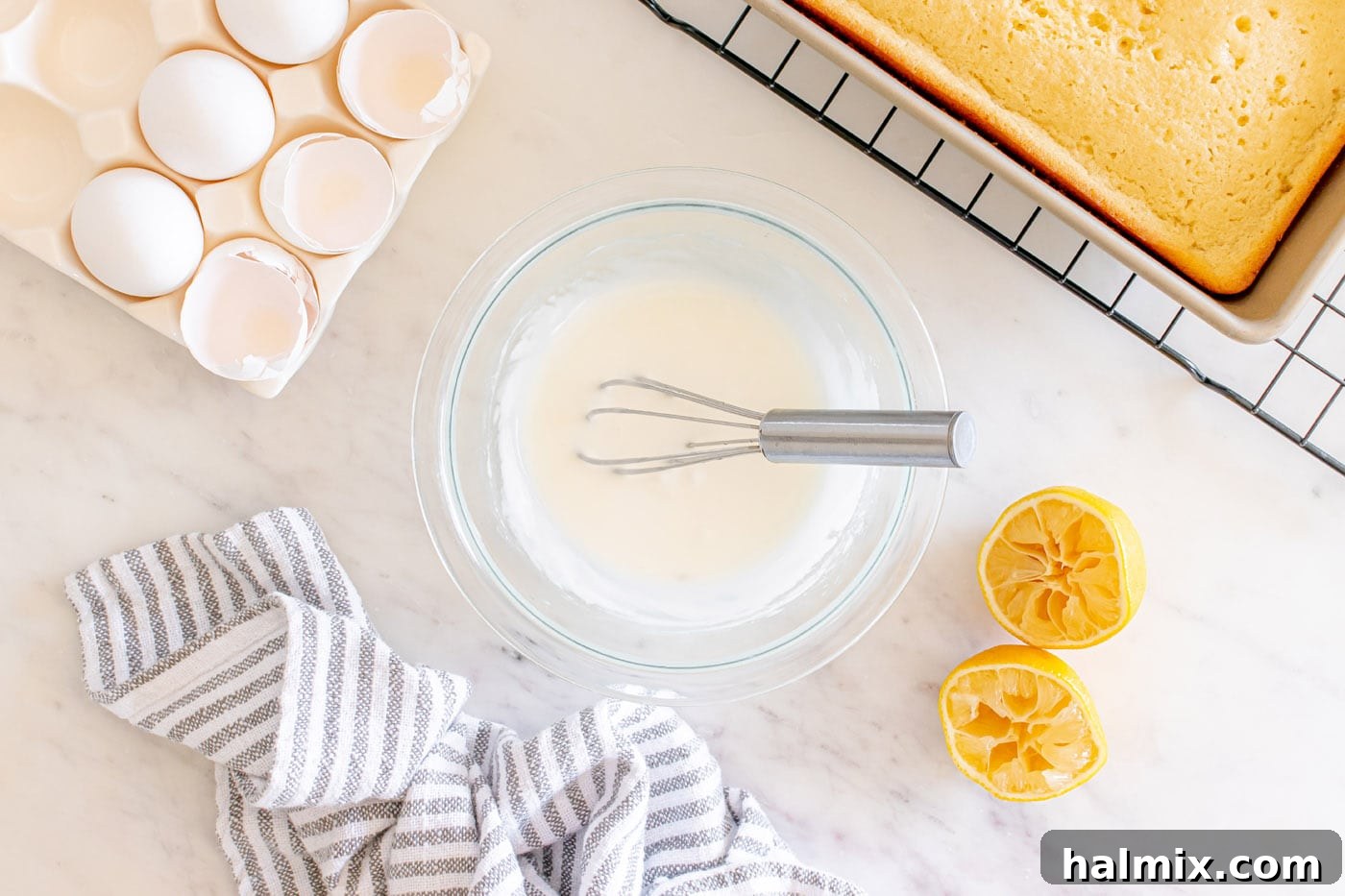
- Prepare the Glaze: While the cake cools, prepare the luscious lemon glaze. In a medium-sized mixing bowl, combine the sifted powdered sugar, fresh lemon juice, and heavy whipping cream. Whisk vigorously until the mixture is smooth, thick, and pourable. If it’s too thick, add a tiny bit more lemon juice or cream; if too thin, add a touch more powdered sugar.
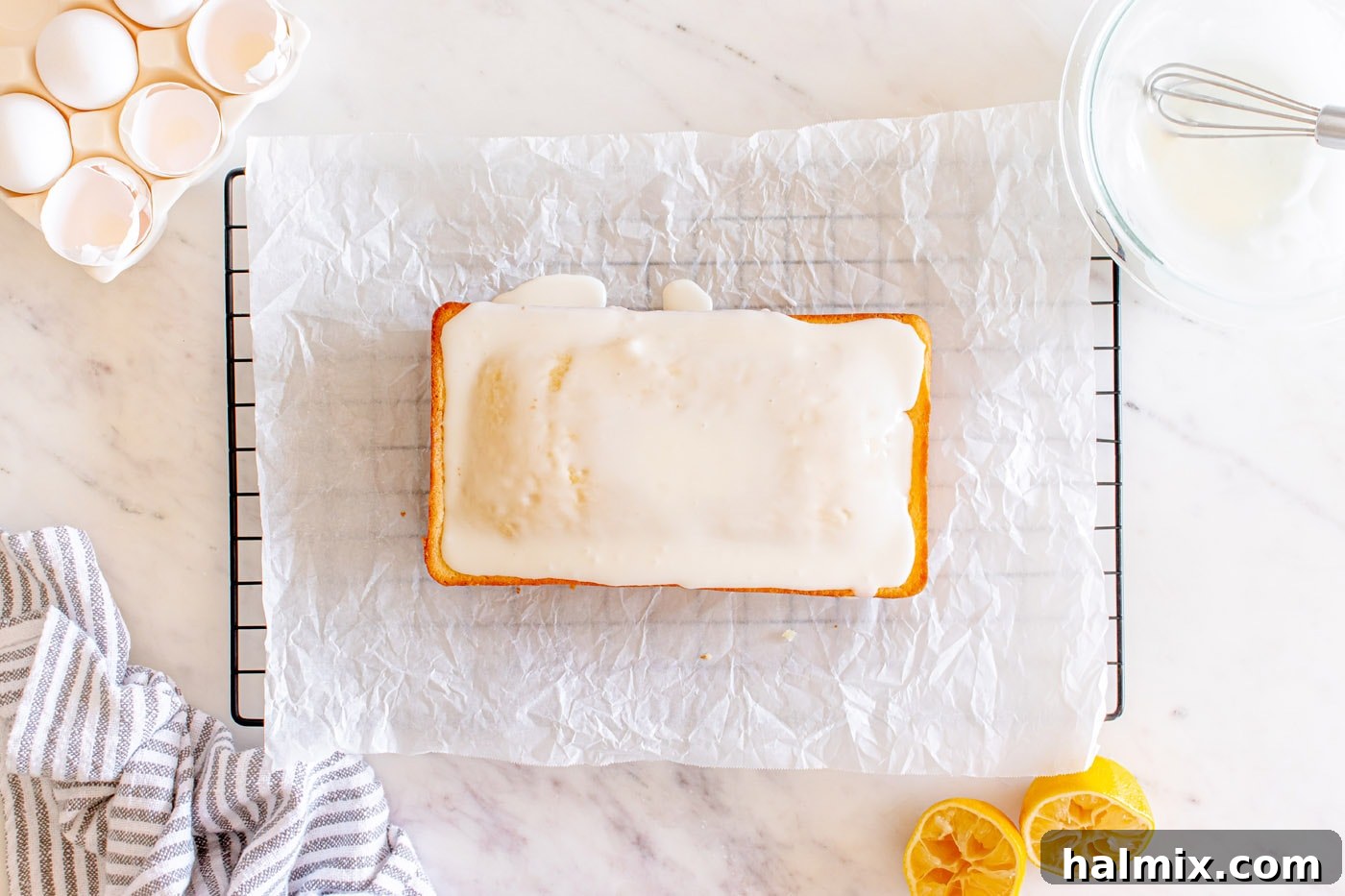
- Glaze and Serve: Once the pound cake is completely cool, pour the prepared lemon glaze evenly over the top, allowing it to drip down the sides for an appealing finish. Let the cake sit for 30 minutes to an hour to allow the glaze to set firmly. Slice, serve, and savor the bright, sweet, and tangy flavors!
Frequently Asked Questions & Expert Tips for Success
To maintain its freshness and moisture, store leftover lemon pound cake in an airtight container at room temperature. Alternatively, you can wrap individual slices tightly in plastic wrap. It will stay delicious for up to 7 days.
Absolutely! Pound cake freezes exceptionally well, making it perfect for meal prepping or enjoying later. To freeze, ensure the cake is completely cooled. Wrap the whole loaf or individual slices tightly in a double layer of plastic wrap, then place in a large freezer-safe ziptop bag or an airtight container. It can be frozen for up to 3 months. Thaw overnight on your kitchen countertop before serving.
Several factors can contribute to a dense or chewy pound cake, but the main culprits are often related to flour measurement and overmixing. Firstly, incorrect flour measurement (often from compacting it) can add too much flour, leading to a dry, dense texture. Always use the “scoop and sweep” method. Secondly, overmixing the batter, especially after adding the eggs and flour, develops gluten excessively, which results in a tough, chewy cake. Mix only until ingredients are just combined and no dry streaks remain. Room temperature ingredients are also vital for proper emulsification and a lighter crumb.
For the most aromatic zest and juiciest pulp, choose bright yellow, firm lemons that feel heavy for their size. Meyer lemons are also a fantastic choice if available; they offer a slightly sweeter, less acidic flavor with a floral aroma, which can add another layer of complexity to your pound cake.
While this lemon pound cake is perfect as is, you can certainly experiment! Consider adding a handful of fresh blueberries or raspberries to the batter for a fruity twist. A sprinkle of poppy seeds can also add a subtle crunch and classic visual appeal. Just be sure to lightly flour any fruit before adding it to the batter to prevent it from sinking to the bottom.

Delightful Serving Suggestions
Our lemon pound cake is a versatile treat that can be enjoyed in numerous ways. Its vibrant citrus flavor makes it suitable for almost any time of day:
- Classic Pairing: Serve a generous slice at room temperature alongside a steaming cup of coffee or a comforting mug of hot tea for a perfect breakfast or afternoon pick-me-up.
- Elegant Dessert: Transform it into a more elaborate dessert by serving it with a dollop of freshly whipped cream, a scoop of vanilla bean ice cream, or a medley of fresh berries. A sprig of mint adds a touch of sophistication.
- Lemon Lover’s Dream: For an extra layer of lemon goodness, mix an additional dash or two of fresh lemon zest directly into the icing before pouring it over the cake.
- Picnic or Potluck Star: Its robust structure and delightful flavor make it an excellent choice for picnics, potlucks, or any gathering. It travels well and is always a crowd-pleaser.
Explore More Zesty Lemon Recipes
If you can’t get enough of that refreshing lemon flavor, be sure to try some of our other favorite citrus-infused recipes:
- Tangy Lemon Bars with Sweet Sour Cream Topping
- Refreshing Homemade Frozen Lemonade
- Copycat Starbucks Lemon Loaf
- Delicious Lemon Streusel Squares
- Irresistible Lemon Meringue Pie Bars
- Moist Lemon Poppy Seed Cake
We are passionate about baking and cooking, and we love sharing our kitchen adventures and perfected recipes with you! To make sure you never miss a new recipe, consider subscribing to our convenient newsletter. Simply subscribe here and start receiving your free daily recipes straight to your inbox!

Lemon Pound Cake
IMPORTANT – Don’t miss the Frequently Asked Questions and Expert Tips section within the blog post above for additional helpful insights!
Print It
Pin It
Rate It
Course: Breads, Dessert
Cuisine: American
Ingredients
Lemon Loaf
- 1 ½ cups all-purpose flour spooned into a measuring cup and leveled off with a knife
- ½ teaspoon baking powder
- ½ teaspoon salt
- 1 Tablespoon lemon zest
- 1 cup unsalted butter two sticks, at room temperature
- 1 cup granulated sugar
- 3 large eggs at room temperature
- ½ cup sour cream at room temperature
- 1 teaspoon vanilla extract
- 1 lemon juiced
Icing
- 1 cup powdered sugar sifted
- 2 Tablespoons lemon juice
- 1 Tablespoon heavy whipping cream
Things You’ll Need
-
8×4 loaf pan
-
Stand mixer or hand mixer
-
Lemon juicer
-
Microplane grater
-
Whisk
-
Wire cooling racks
Before You Begin & Storage Tips
- Room Temperature Ingredients: For the best results, ensure all cold ingredients (butter, eggs, sour cream) are brought to room temperature before you begin mixing. This allows for proper emulsification and a smoother, more uniform batter, contributing to a superior cake texture.
- Lemon Selection: You’ll need two to three fresh lemons to obtain the required zest and juice. Always opt for fresh lemons over bottled juice for an authentic, vibrant flavor. A microplane grater and a handheld juicer will make the process much easier.
- Accurate Flour Measurement: Precision is crucial in baking. Use the “scoop and sweep” method for measuring flour: aerate with a spoon, scoop into a measuring cup until overflowing, then level with a straight edge. Avoid packing the flour, as this can lead to a dry, dense cake.
- STORING: Leftover lemon pound cake should be stored in an airtight container or wrapped tightly in plastic wrap at room temperature. It will remain fresh and delicious for up to 7 days.
- FREEZING: This pound cake freezes beautifully. Once completely cooled, wrap the entire cake or individual slices securely in a double layer of plastic wrap, then place in a freezer-safe container or heavy-duty ziptop bag. Freeze for up to 3 months. To serve, simply thaw overnight on the countertop.
Instructions
-
Preheat your oven to 350°F (175°C). Prepare an 8×4 inch loaf pan by lightly coating it with nonstick cooking spray. Set aside.
-
In a medium bowl, whisk together the all-purpose flour, baking powder, salt, and lemon zest. Ensure all dry ingredients are well combined, then set aside.
-
Using a stand mixer fitted with a paddle attachment, beat the room-temperature butter on medium speed until creamy, about 1 minute.
-
Add the granulated sugar to the butter and continue beating for 2 minutes until the mixture is light, fluffy, and well creamed. Remember to scrape down the sides of the bowl to ensure everything is incorporated.
-
Reduce the mixer speed to low. Add the large eggs one at a time, mixing only until each is just combined before adding the next. Avoid overmixing. Turn off the mixer once eggs are incorporated.
-
Add the room-temperature sour cream, vanilla extract, and fresh lemon juice to the batter. Beat on medium speed until all ingredients are thoroughly combined and the mixture is smooth, scraping down the sides of the bowl as needed. The mixture may appear slightly curdled at this point, which is normal and will resolve once the flour is added.
-
Gradually add the whisked flour mixture to the wet ingredients. Mix on low speed until just combined. It’s crucial to avoid overmixing at this stage, as it can lead to a tough cake. Stop mixing as soon as no dry streaks of flour are visible.
-
Pour the prepared batter evenly into the greased loaf pan. Bake for 50-65 minutes, or until a wooden skewer inserted into the center comes out clean.
-
Once baked, let the cake cool in the loaf pan for 10-15 minutes before carefully inverting it onto a wire cooling rack. Allow the cake to cool completely before applying the icing.
For The Icing
-
In a medium mixing bowl, combine the sifted powdered sugar, fresh lemon juice, and heavy whipping cream. Whisk until the icing is thick, smooth, and pourable. Adjust consistency as needed by adding a tiny bit more liquid or powdered sugar.
-
Evenly pour the prepared glaze over the top of the completely cooled cake, allowing it to drip attractively down the sides. Let the cake sit for approximately 30 minutes to 1 hour to allow the glaze to set. Slice, serve, and enjoy your delightful homemade Lemon Pound Cake!
Nutrition
Tried this Recipe? Pin it for Later!Follow on Pinterest @AmandasCookin or tag #AmandasCookin!
The recipes on this blog are developed and tested using a conventional gas oven and stovetop. Please be aware that oven performance can vary, especially with older appliances, leading to inconsistent cooking and baking. We recommend using an inexpensive oven thermometer to verify your oven’s true temperature. If you use a toaster oven, countertop oven, pressure cooker, air fryer, slow cooker, or any other appliance, kindly note that heat distribution and cooking times may differ; adjustments to your cooking or baking times may be necessary. For baking recipes where measurements are provided by weight, please understand that using cup measurements instead may yield different results, and we cannot guarantee success with alternative measurement methods.