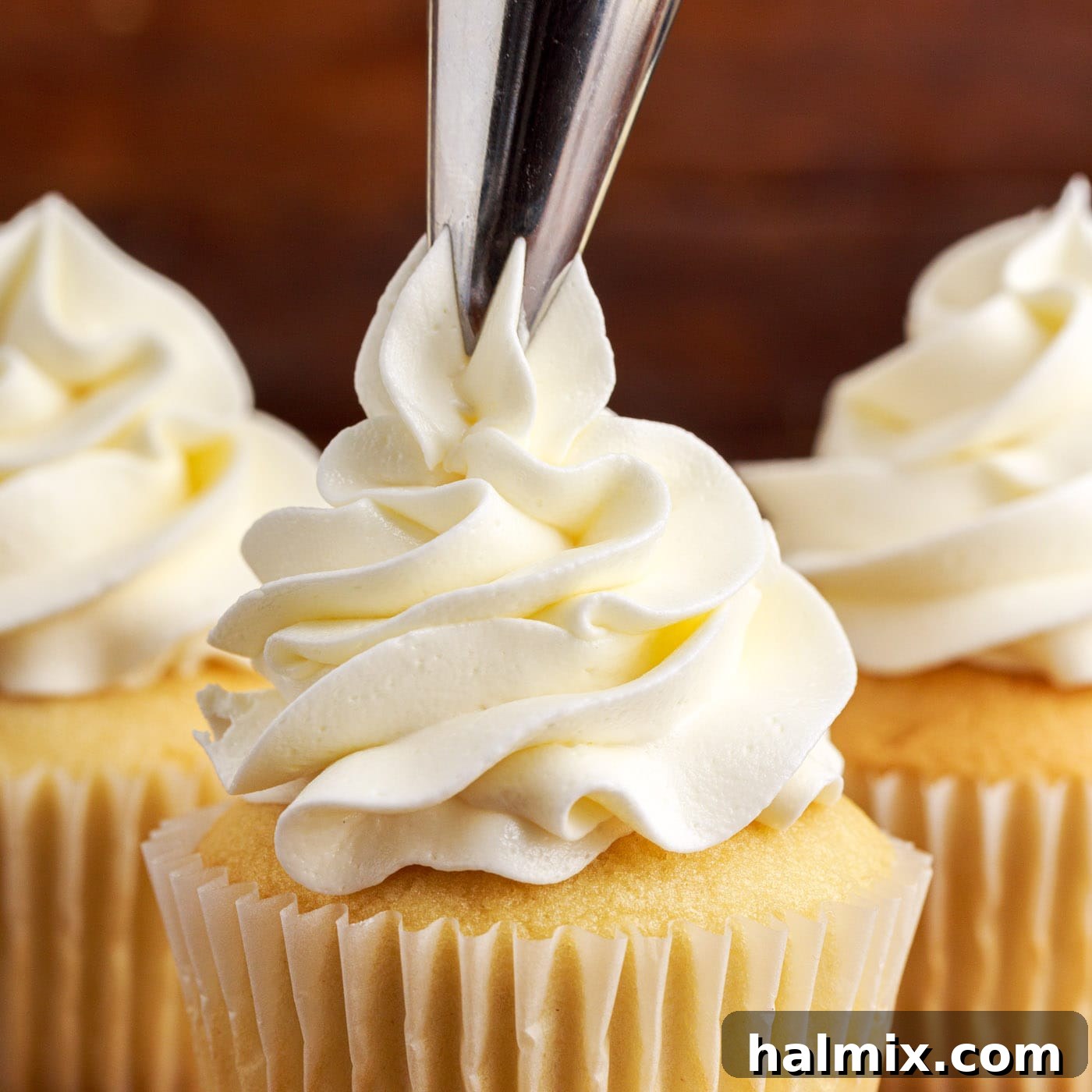
There’s nothing quite like the irresistible charm of a perfectly smooth, fluffy, and richly flavored buttercream frosting. This classic recipe stands as a testament to simplicity and deliciousness, requiring just four essential ingredients to transform your desserts into edible masterpieces. With softened butter, pure vanilla extract, fine powdered sugar, and rich heavy cream, you can whip up a batch of light and airy frosting that elevates everything from humble cupcakes to elaborate layer cakes. It’s the quintessential frosting that brings a touch of magic to any sweet treat it graces.
Why This Classic Buttercream Recipe Is a Must-Try
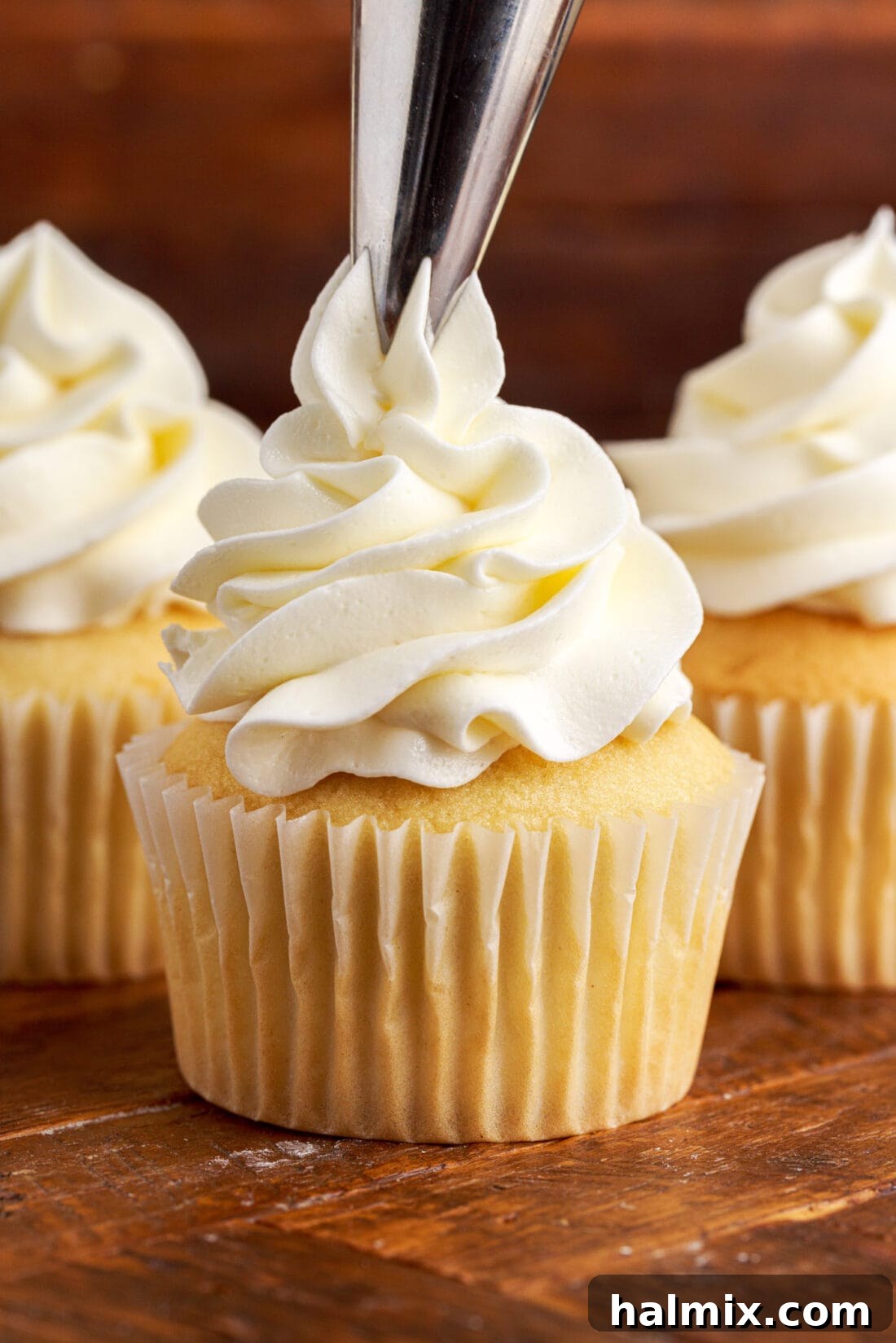
When it comes to dessert enhancements, few things offer the versatility and universal appeal of a well-made buttercream. This particular recipe for classic vanilla buttercream is a true kitchen hero, delivering consistent results every time. Its inherent simplicity belies its incredible versatility, making it perfect for novice bakers and seasoned decorators alike. Whether you’re aiming for elegant piping, a simple spread, or a delightful filling, this sweet buttercream frosting is a timeless classic you can rely on to elevate any baked good.
The beauty of this recipe lies not only in its ease but also in its adaptability. You can effortlessly transform your basic vanilla buttercream into a vibrant, colorful frosting for any occasion. A few drops of gel food coloring can create stunning hues to match birthday party themes, holiday celebrations, or seasonal treats. Looking for something a little different? While this recipe focuses on classic vanilla, it serves as an excellent base for numerous flavor variations. For those craving a rich chocolate experience, be sure to explore our chocolate fudge frosting recipe.
Compared to other frosting types, American buttercream, like this recipe, is incredibly stable and holds its shape beautifully for intricate piping work. Its rich, buttery flavor and smooth texture make it a crowd-pleaser that complements a wide array of baked goods, ensuring your creations are not only beautiful but also incredibly delicious. From elegant wedding cakes to fun birthday cupcakes, this vanilla buttercream provides the perfect canvas for your culinary creativity.
Related Recipe: For a tangy alternative, consider our delightful Cream Cheese Frosting.
Essential Ingredients for Perfect Buttercream Frosting
Crafting the perfect buttercream requires just a handful of quality ingredients. Each component plays a crucial role in achieving that sought-after smooth, fluffy, and stable consistency that makes this frosting so beloved. Using high-quality ingredients will always yield the best flavor and texture in your homemade buttercream.
Ingredient Spotlight & Smart Substitutions
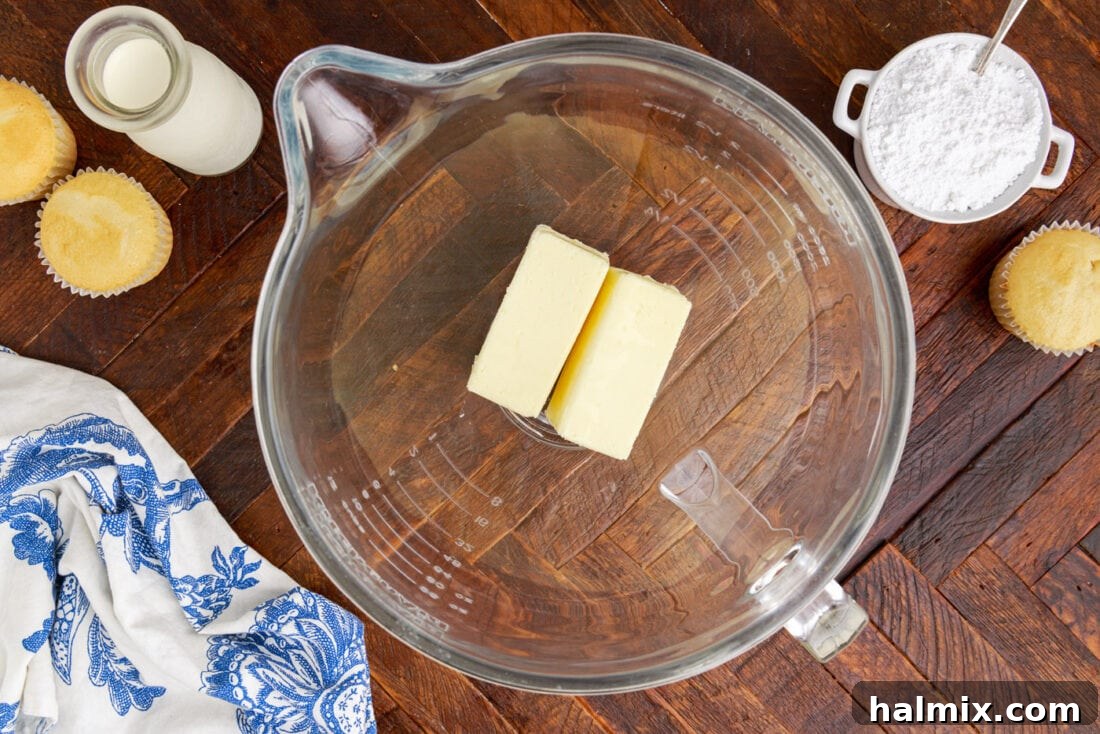
- Butter: Unsalted butter is typically preferred for baking as it gives you control over the overall saltiness of your recipe. For this buttercream, using unsalted butter allows the vanilla flavor to truly shine. The most critical aspect of butter for buttercream is its temperature. It absolutely must be softened to room temperature. This means it should be pliable enough to leave an indentation when gently pressed, but not melted or greasy. Cold butter won’t cream properly, resulting in a lumpy frosting, while melted butter will lead to a greasy, runny mess. To achieve perfectly softened butter, slice it into 1-inch cubes and let it sit on your counter for 30-45 minutes. Avoid microwaving, as this often softens unevenly and can melt parts of the butter, compromising the frosting’s texture. If you only have salted butter, you can use it, but omit any extra pinch of salt you might have considered adding to avoid an overly salty taste. The quality of your butter will significantly impact the flavor of your final buttercream, so choose wisely.
- Powdered Sugar (Confectioners’ Sugar): This is the backbone of American buttercream. Its fine texture dissolves easily into the butter, creating a silky-smooth consistency without any grittiness. Always sift your powdered sugar, especially if it’s been sitting for a while, to remove any lumps and ensure a light, airy frosting. Lumps in powdered sugar can lead to a grainy buttercream, which is far from ideal for decorating or eating. Sifting also helps incorporate air, contributing to the fluffy texture.
- Vanilla Extract: Pure vanilla extract is key to the classic flavor profile of this buttercream. It adds warmth and depth that complements a wide variety of desserts. For the best taste, opt for a high-quality pure vanilla extract over imitation vanilla. The difference in flavor is noticeable and worth the investment. You can also experiment with other extracts like almond, lemon, coffee, or peppermint for different flavor variations, adding them in the final mixing stage.
-
Heavy Cream (Heavy Whipping Cream): This is what gives our buttercream its signature fluffy, smooth texture and rich mouthfeel. Heavy cream has a high-fat content (typically 36% or more), which helps it emulsify with the butter and powdered sugar, resulting in a stable and luxurious frosting that pipes beautifully and holds its shape.
Substitution Suggestion: While heavy cream is highly recommended for the best results, you can use whole milk, regular milk, or even almond milk as a substitute. However, be aware that these alternatives have a lower fat content and will yield a thinner consistency. The frosting may not whip up as light and fluffy, and it might be slightly runnier and less stable for intricate piping. If substituting, add the milk gradually, starting with half the amount called for, and use your best judgment to reach the desired consistency. You want a stable frosting, not a pourable glaze (unless that’s your intention!). Adjusting the amount of liquid is crucial when using milk to avoid an overly thin buttercream.
Simple Steps to Crafting Delicious Buttercream Frosting
These step-by-step instructions, complemented by visuals, will guide you through making this incredible buttercream. Follow these straightforward steps to achieve a perfectly smooth and fluffy frosting every time. For a printable version of the full recipe with precise measurements, please see the comprehensive recipe card below.
-
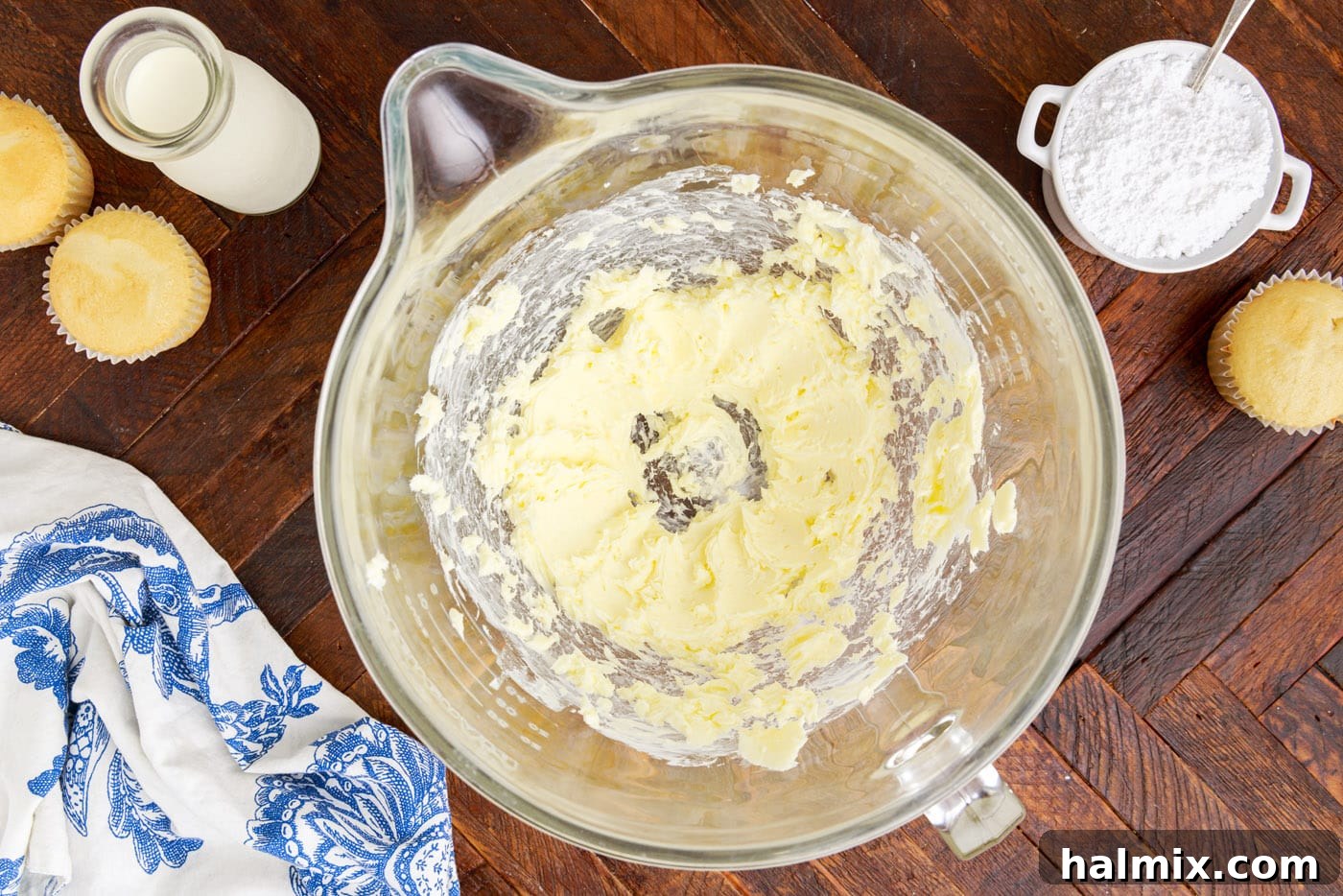
Cream the Butter: In the bowl of a standing mixer fitted with the whisk attachment (or using a hand mixer in a large mixing bowl), beat the properly softened unsalted butter on medium-high speed until it becomes noticeably light, pale yellow, and fluffy. This crucial step incorporates air into the butter, which is essential for a light and airy buttercream texture. Continue beating for 3-5 minutes, stopping occasionally to scrape down the sides of the bowl with a rubber spatula to ensure even creaming.

-
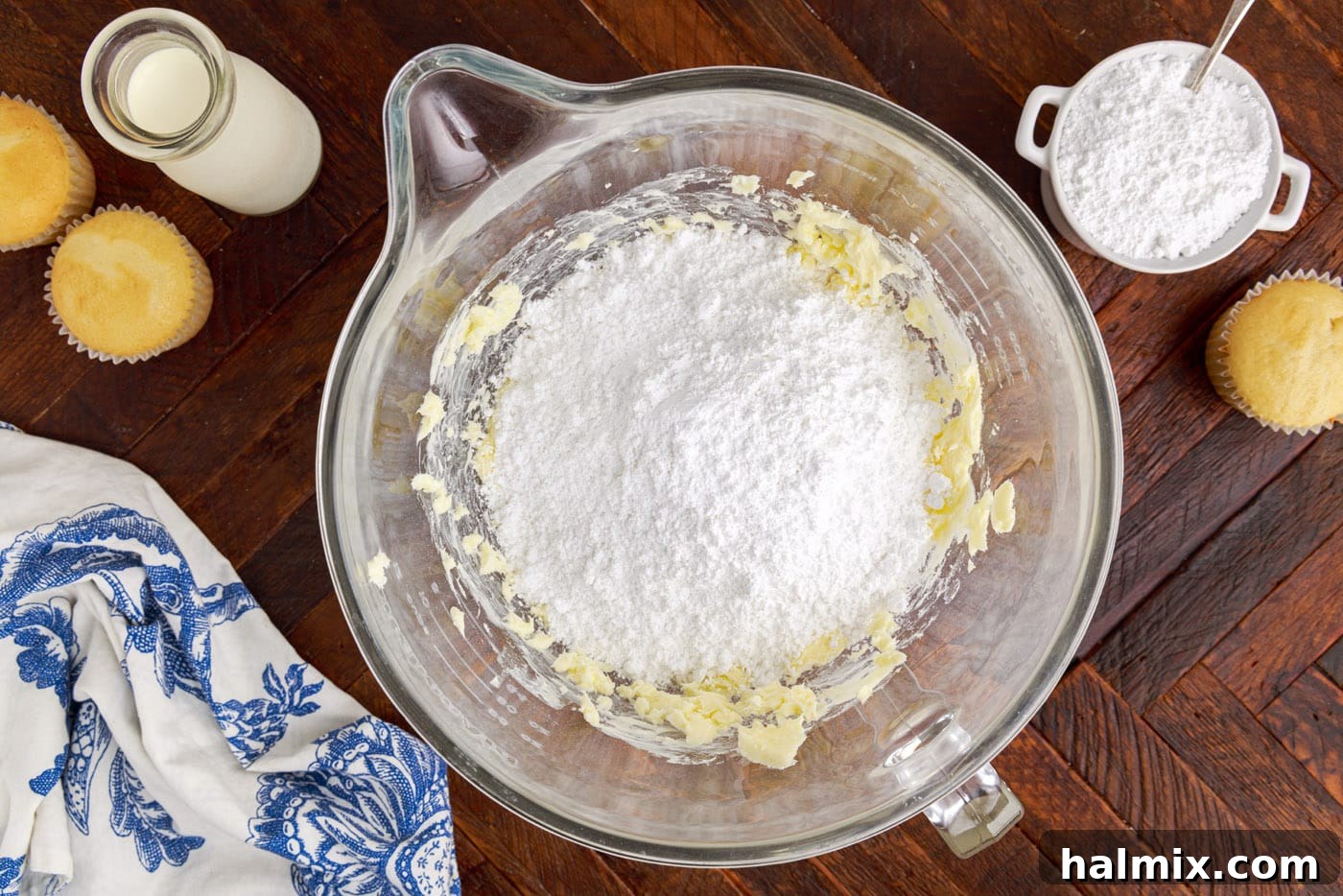
Gradually Add Powdered Sugar: With the mixer on its lowest speed (to prevent a powdered sugar cloud!), slowly add the sifted powdered sugar, one cup at a time. Allow each addition to be fully incorporated into the butter mixture before adding the next. Once all the sugar is added, gradually increase the speed to medium-high and beat until the mixture is well combined and smooth. This slow addition prevents lumps and ensures a silky consistency. Remember to scrape down the sides of the bowl as needed to catch any unmixed sugar.
-
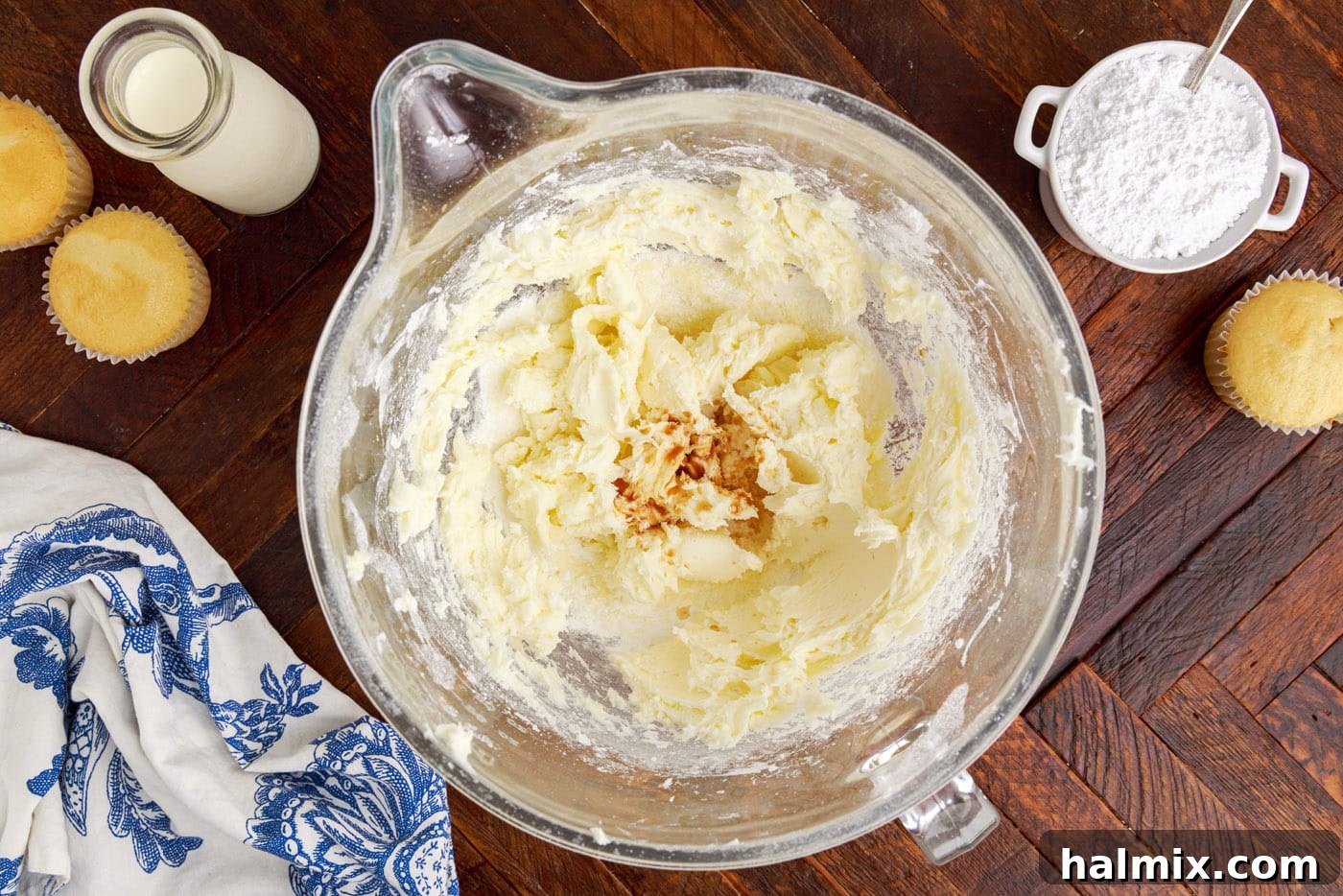
Stir in Vanilla Extract: Pour in the pure vanilla extract. Beat on medium speed for about 30 seconds to 1 minute until it is fully incorporated and the fragrant aroma fills your kitchen. This step infuses the buttercream with its signature classic flavor.
-
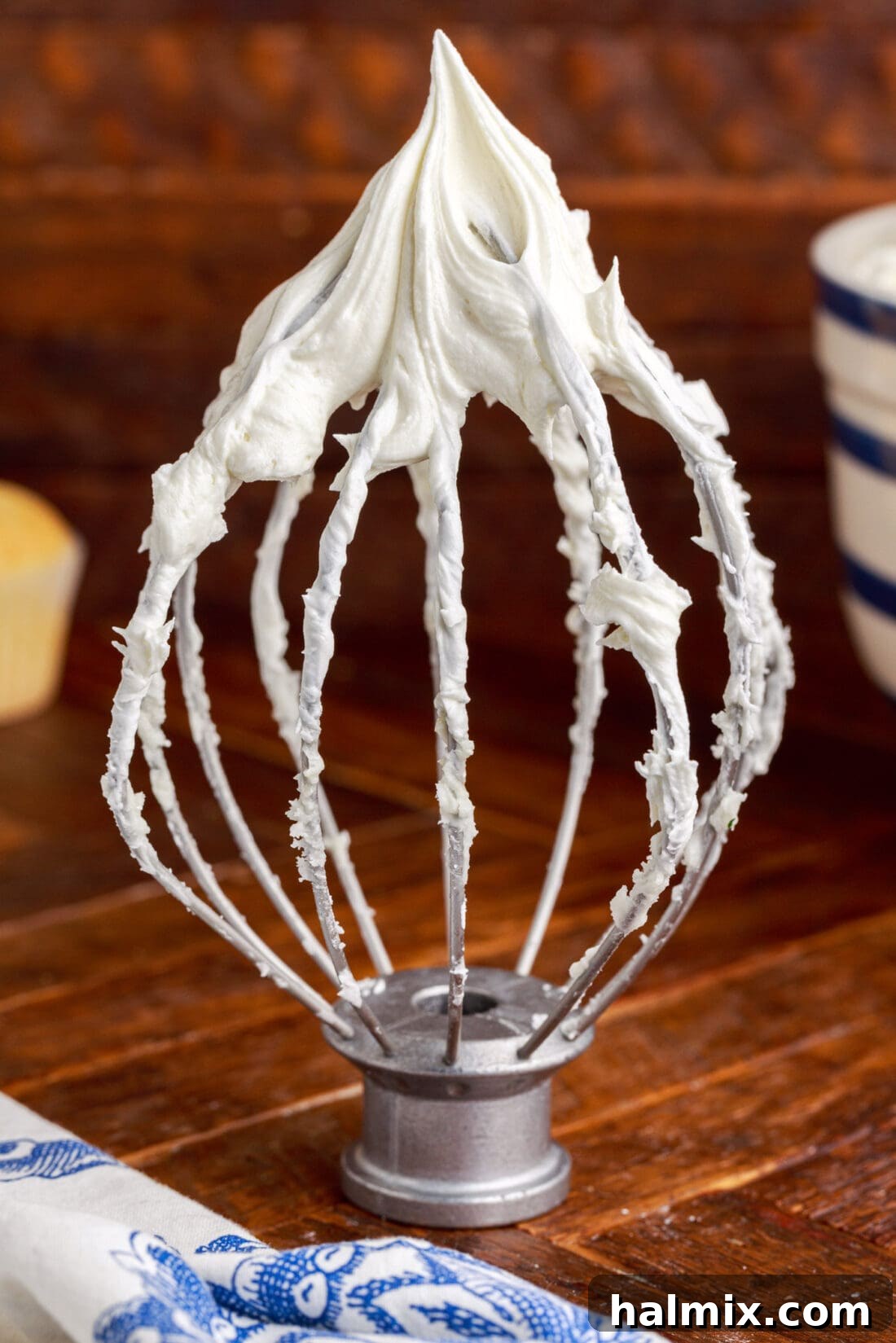
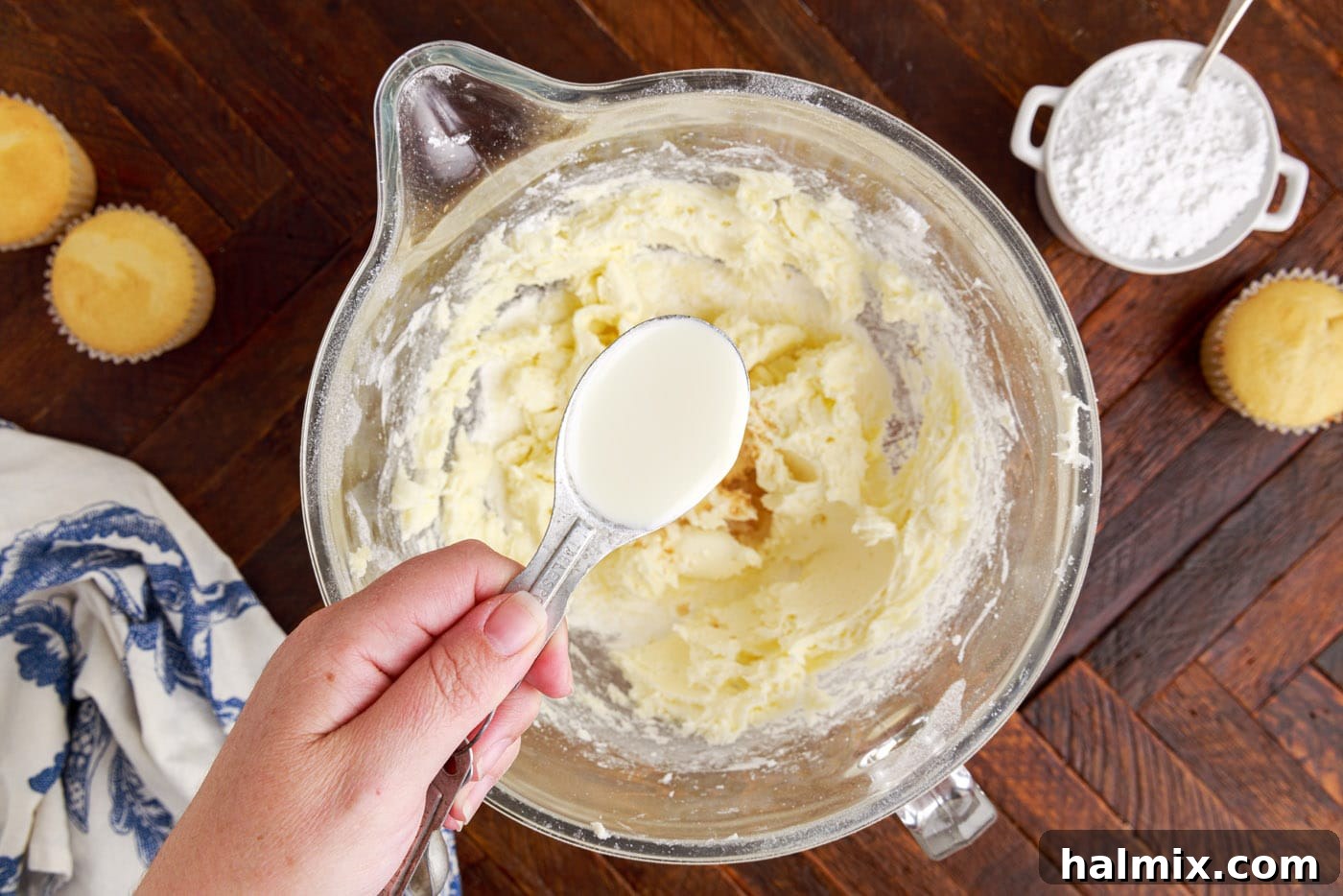
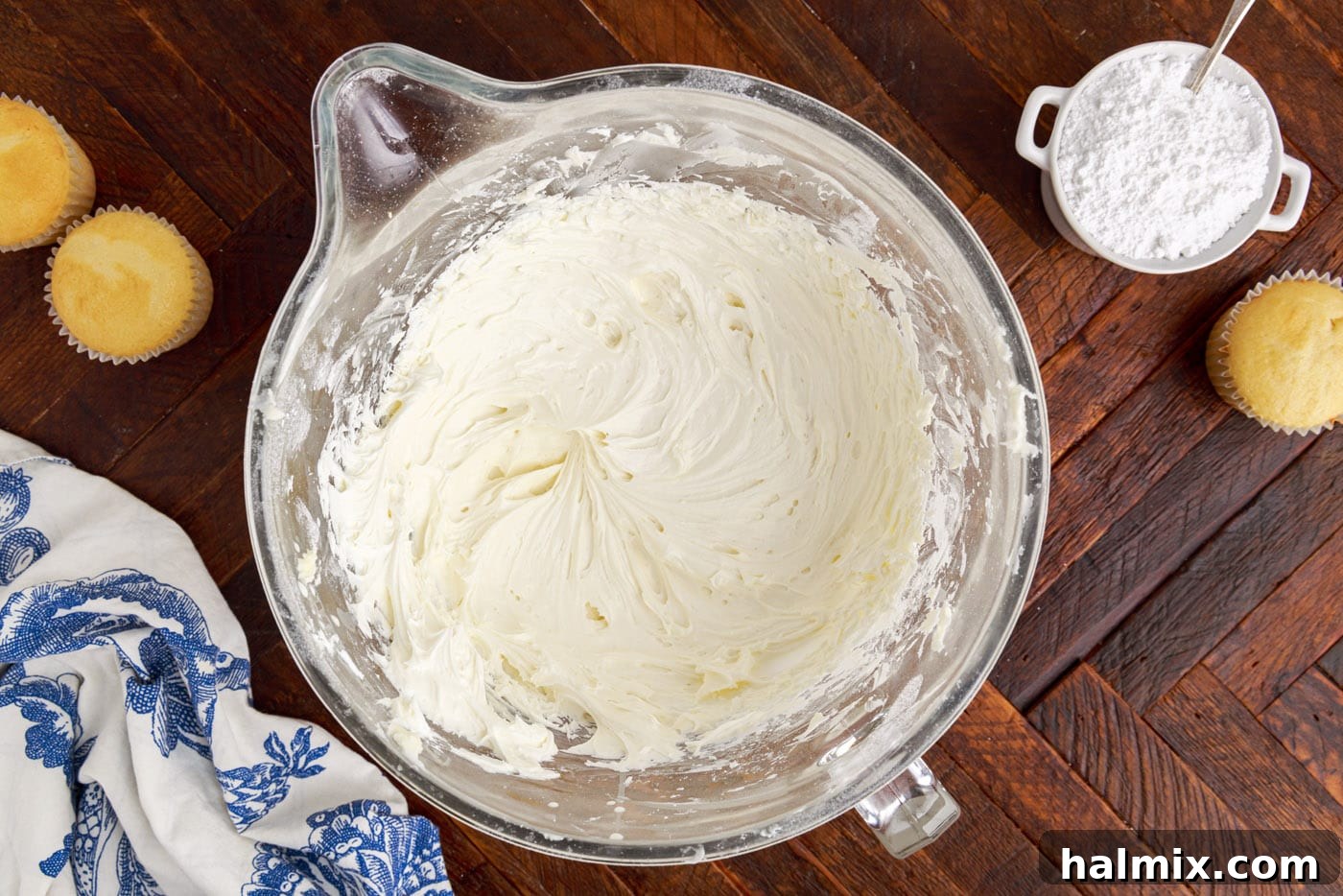
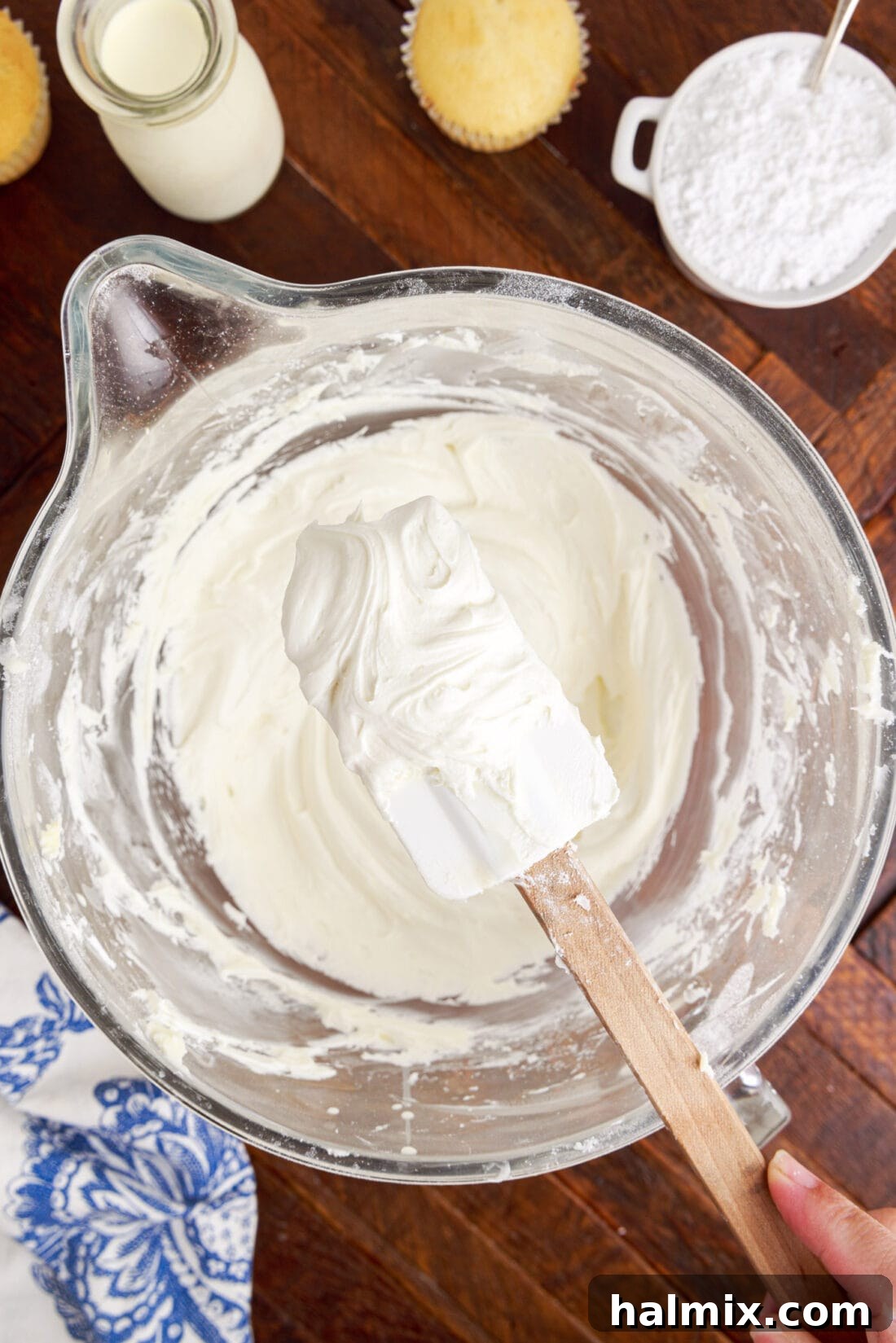
Achieve Desired Consistency with Heavy Cream: Begin by adding 2 tablespoons of heavy cream to the mixture. Increase the mixer speed to high and whisk vigorously. As the frosting whips, it will become noticeably lighter and fluffier. Scrape down the sides and bottom of the bowl to ensure everything is evenly mixed. If the frosting seems too thick for your preference or intended use (e.g., piping intricate designs), add the remaining heavy cream, 1 tablespoon at a time, beating for about 1-2 minutes after each addition. Continue beating on high speed for approximately 3-5 minutes until the buttercream reaches your desired light, airy, and spreadable consistency. Be mindful not to overbeat, as this can sometimes lead to a slightly greasy texture. Stop once it’s perfectly smooth and fluffy, ready for decorating!
Frequently Asked Questions & Expert Tips for Perfect Buttercream
This single batch of buttercream frosting is quite generous. It will typically provide enough frosting to generously cover a 13×9 inch sheet cake, frost a standard 9-inch round layer cake, or decorate approximately 24 cupcakes with a simple, flat spread of frosting. If you’re planning on using a piping bag to create swirls, rosettes, or more intricate designs on cupcakes, you will use a significantly larger quantity. For decorative piping on 24 cupcakes, or for frosting a beautiful two-tiered 9-inch cake, we highly recommend doubling this recipe. It’s always better to have a little extra buttercream than to run short mid-decoration! Any leftover frosting can be easily stored for future use, so don’t hesitate to make a bigger batch.
Storing buttercream correctly is crucial for its freshness and texture. When kept in an airtight container, this homemade buttercream frosting will last beautifully in the refrigerator for up to 2 weeks. For longer storage, it can be frozen for up to 3 months. To use after storage, simply transfer the buttercream from the refrigerator or freezer to your counter and allow it to come to room temperature completely. This can take several hours depending on the quantity. Once at room temperature, re-beat it in your stand mixer (or with a hand mixer) on medium-high speed for a few minutes until it regains its smooth, fluffy consistency. You might need to add a tiny splash (half a teaspoon) of heavy cream if it seems too stiff or a spoonful of powdered sugar if too thin.
Achieving perfect buttercream is easy once you know a few tricks. The most common mistakes include: 1) Using cold butter, which results in a lumpy, unincorporated mess. Always start with properly softened room-temperature butter. 2) Not sifting powdered sugar, leading to a grainy texture in your final product. 3) Adding too much liquid at once, making the frosting too thin and unstable. Always add cream gradually, tablespoon by tablespoon. 4) Overbeating after adding all ingredients and liquid, which can sometimes incorporate too much air or make it greasy. Beat until fluffy and smooth, then stop.
The possibilities are endless! To color, add gel food coloring (a little goes a long way) after the buttercream is fully mixed and has reached its desired consistency, beating until the desired shade is achieved. Gel colors are concentrated and won’t thin out your frosting. For flavoring, consider adding different extracts (almond, lemon, coffee), citrus zests, fruit purees (be careful not to add too much liquid, and consider freeze-dried fruit powder for intense flavor without excess moisture), melted and cooled chocolate, or even a dash of espresso powder for depth. Add these additions during the final mixing stage, adjusting to taste.
Grainy buttercream is almost always due to unsifted powdered sugar. Powdered sugar can clump up in storage. Sifting it thoroughly before adding to the butter mixture ensures that only fine sugar crystals are incorporated, leading to a perfectly smooth frosting. If your buttercream is still grainy after sifting, try beating it longer on medium-high speed to help dissolve any remaining sugar crystals, or add another splash of heavy cream and continue beating.
Greasy buttercream can happen if your butter was too warm to begin with, or if it was over-beaten. To fix it, try chilling the entire bowl of buttercream in the refrigerator for 10-15 minutes (don’t let it get too hard). Then, return it to the mixer and beat it again on medium-high speed. The slight chilling helps the butter firm up, allowing it to re-emulsify with the other ingredients. If it’s still greasy, add a tablespoon or two more of sifted powdered sugar and re-whip.
Versatile Serving Suggestions for Vanilla Buttercream
Buttercream frosting is incredibly versatile and can enhance a wide variety of desserts. Its rich flavor and smooth texture make it a perfect companion for almost any sweet treat you can imagine. Here are just a few ideas for how to use your freshly made buttercream, transforming simple bakes into extraordinary delights:
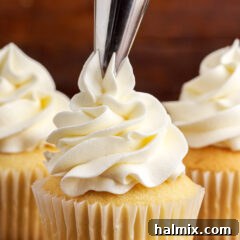
- Frosting Cakes & Cupcakes: The most obvious and beloved use! Pipe beautiful swirls onto cupcakes or spread a luxurious, even layer over sheet cakes and intricate multi-tiered layer cakes for a professional finish.
- Filling Pastries: Add a sweet and creamy surprise by piping buttercream inside homemade donuts, éclairs, cream puffs, or even delicate macarons, creating a delightful contrast in texture and flavor.
- Decorating Cookies & Brownies: Transform simple sugar cookies or fudgy brownies into festive treats with a decorative swirl, a smooth spread, or even intricate piped designs using various nozzles.
- As a Base for Cake Pops or Cake Balls: Use it to bind crumbled cake, creating perfectly moist and flavorful cake pops or balls ready for dipping in chocolate or other coatings. Its binding properties are excellent for these bite-sized desserts.
- Delicious Drizzle or Glaze: For a thinner consistency, whisk in an extra tablespoon or two of heavy whipping cream or milk until it reaches a pourable glaze consistency. This makes a fantastic drizzle for scones, quick breads, muffins, or even fresh fruit tarts, adding an extra layer of sweetness and elegance. It’s also an excellent way to use up any leftover buttercream!
- Dessert Enhancer: Serve a dollop alongside fruit tarts, warm apple pies, cobblers, or even fresh berries for an added touch of indulgence and a beautiful presentation.
- Cupcake Cones: Pipe generous amounts into ice cream cones for a fun, playful treat, perfect for children’s parties.
Recipes That Shine with Vanilla Buttercream Frosting
This classic vanilla buttercream pairs beautifully with so many of our other delicious recipes. Its balanced sweetness and creamy texture complement a wide range of flavors, making it the perfect finishing touch. Here are some of our favorites where this frosting truly makes the dish complete:
- Cake Balls – Essential for binding and adding rich vanilla flavor.
- Fudge Brownies – A rich, fudgy base needs a light, sweet topping to balance the intensity.
- Classic White Cake – The quintessential pairing for any celebration, creating an elegant and timeless dessert.
- American Flag Cupcakes – Perfect for patriotic decoration, holding vibrant red and blue colors beautifully.
- Confetti Cake Mix Cookies – Adds an extra layer of sweetness and fun, making these cookies even more festive.
- Double Chocolate Cupcakes – A smooth vanilla contrast to the intense chocolate, creating a perfect flavor harmony.
- Baked Cake Donuts – Ideal for filling the center or generously topping these tender, homemade treats.
I love to bake and cook and share my kitchen experience with all of you! Remembering to come back each day can be tough, that’s why I offer a convenient newsletter every time a new recipe posts. Simply subscribe and start receiving your free daily recipes!
Classic Buttercream Frosting
This effortless classic buttercream frosting is renowned for its smooth, fluffy texture and rich vanilla flavor. Made with just four pantry staples, it’s perfect for decorating, piping, or filling your favorite cakes, cupcakes, and pastries. A truly foolproof recipe that guarantees delicious results every time.
Overall Rating: ★★★★★ (5/5 from 23 votes)
IMPORTANT – Many helpful tips, storage advice, and serving suggestions are detailed within the blog post above. Scroll up to read them!
Pin It
Ingredients
- 1 cup unsalted butter, softened
- 1 teaspoon vanilla extract
- 4 cups powdered sugar (confectioners’ sugar), sifted
- 4 Tablespoons heavy whipping cream (plus more if needed)
Equipment You’ll Need
- Stand mixer or hand mixer
- Rubber spatula
- Large mixing bowl (if using a hand mixer)
- Sifter (for powdered sugar)
- Measuring cups and spoons
Chef’s Notes & Pro Tips
- Ensure butter is at perfect room temperature (softened but not melted) for best results. Cut into cubes to speed up the process if needed.
- Sift your powdered sugar to prevent lumps and achieve a super smooth buttercream.
- Adjust the amount of heavy cream gradually to achieve your desired consistency for spreading or piping. Start with 2 tablespoons and add more in 1-tablespoon increments.
- To prevent over-aeration (which can lead to air bubbles when piping), after achieving desired fluffiness, you can switch to a paddle attachment and beat on low for 1-2 minutes to “smoothen” the frosting.
- For a slightly different flavor profile, a pinch of fine salt can be added with the powdered sugar, especially if using unsalted butter.
- This recipe yields enough for generous frosting on a 9×13 inch cake or 24 cupcakes (flat-spread). Double the recipe for piping intricate designs or frosting a two-tiered cake.
- Store leftover buttercream in an airtight container in the fridge for up to 2 weeks or freezer for up to 3 months. Re-whip to restore consistency after bringing to room temperature.
Instructions
- Cream Butter: In the bowl of your stand mixer with the whisk attachment (or using a hand mixer in a large bowl), beat the softened unsalted butter on medium-high speed for 3-5 minutes until it is light, pale, and fluffy, scraping down the sides of the bowl as needed.
- Add Powdered Sugar: With the mixer on low speed, gradually add the sifted powdered sugar, one cup at a time, until fully incorporated. Once all sugar is added, increase speed to medium-high and beat until smooth.
- Incorporate Vanilla: Add the vanilla extract and beat on medium speed until well combined.
- Adjust Consistency: Add 2 tablespoons of heavy cream and whisk on high speed for 1-2 minutes. Scrape down the bowl. If a thinner consistency is desired, add 1-2 more tablespoons of heavy cream, beating for another 3-5 minutes until the buttercream is light, airy, and reaches your perfect spreadable or pipeable consistency.
Nutrition Information
Calories: 155 kcal |
Carbohydrates: 20 g |
Protein: 1 g |
Fat: 9 g |
Saturated Fat: 5 g |
Polyunsaturated Fat: 1 g |
Monounsaturated Fat: 2 g |
Trans Fat: 1 g |
Cholesterol: 23 mg |
Sodium: 2 mg |
Potassium: 5 mg |
Sugar: 20 g |
Vitamin A: 273 IU |
Vitamin C: 1 mg |
Calcium: 4 mg |
Iron: 1 mg
Tried this Recipe? Pin it for Later!
Follow on Pinterest @AmandasCookin or tag #AmandasCookin!
The recipes on this blog are tested with a conventional gas oven and gas stovetop. It’s important to note that some ovens, especially as they age, can cook and bake inconsistently. Using an inexpensive oven thermometer can assure you that your oven is truly heating to the proper temperature. If you use a toaster oven or countertop oven, please keep in mind that they may not distribute heat the same as a conventional full sized oven and you may need to adjust your cooking/baking times. In the case of recipes made with a pressure cooker, air fryer, slow cooker, or other appliance, a link to the appliances we use is listed within each respective recipe. For baking recipes where measurements are given by weight, please note that results may not be the same if cups are used instead, and we can’t guarantee success with that method.