The Ultimate 5-Ingredient Slow-Cooked Beef Brisket with Rich Gravy
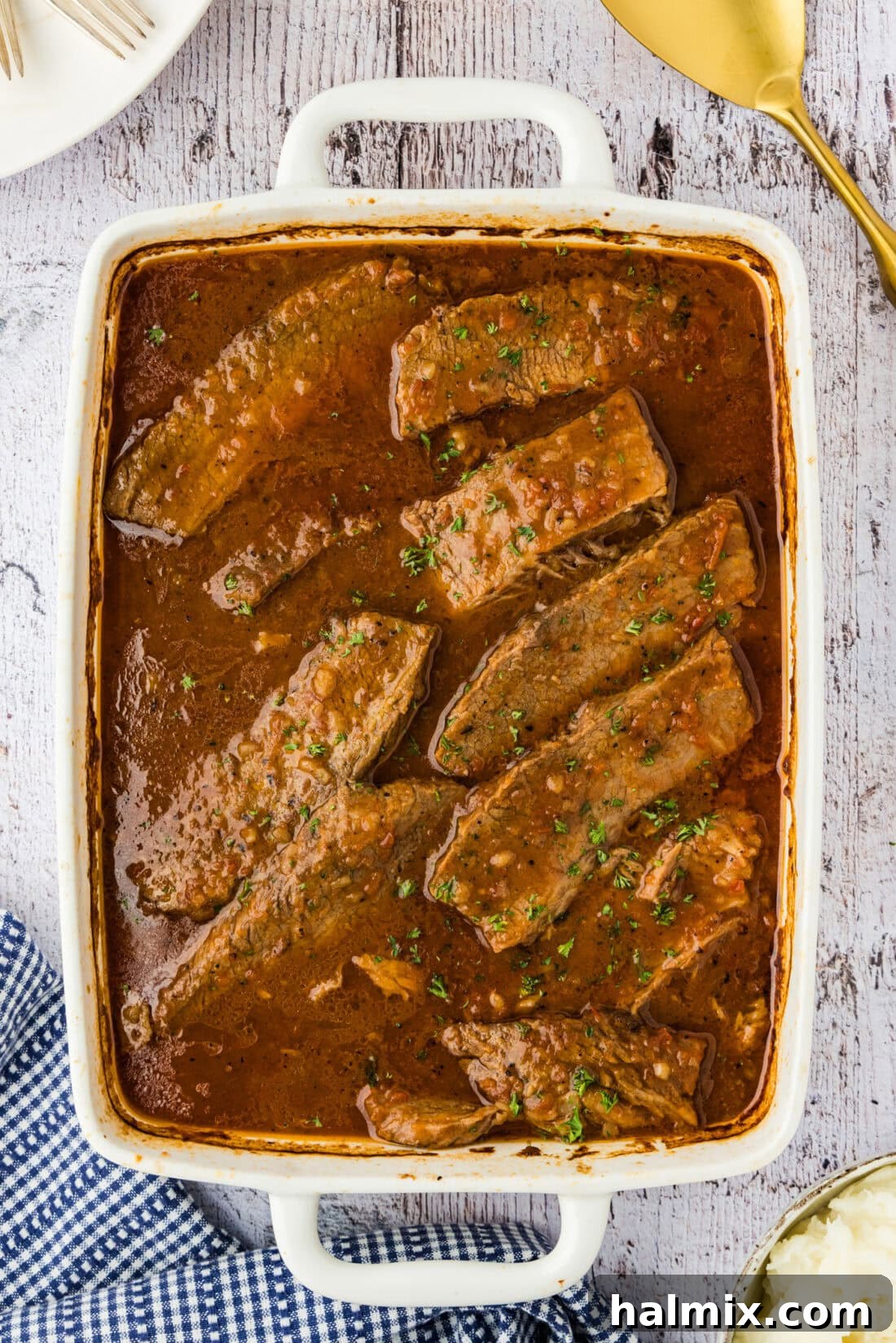
Prepare to savor the most tender, flavorful beef brisket you’ve ever tasted, bathed in a rich, savory gravy. What if we told you this culinary masterpiece requires just five simple ingredients and minimal prep work? Yes, it’s true! This recipe is designed to deliver maximum flavor with impressive ease, making it a perfect dish for cozy family dinners or special gatherings without the stress.
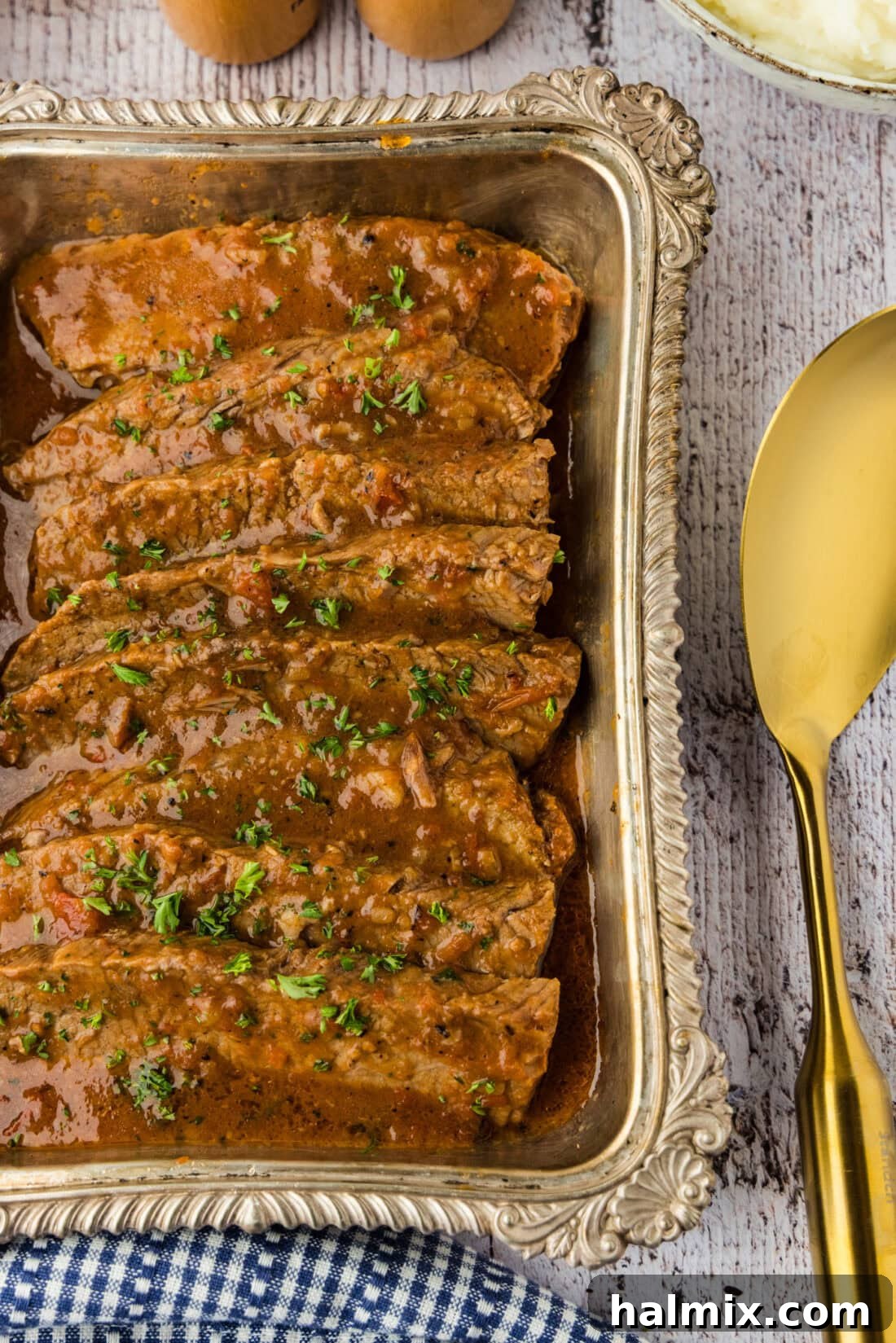
Why This Unforgettable Brisket Recipe Works
This remarkable beef brisket and gravy recipe has been a treasured staple in kitchens for over three decades, and for good reason. Its enduring popularity stems from a brilliant combination of simplicity and depth of flavor, primarily due to its ingenious five-ingredient composition. One of these ingredients is surprisingly unconventional, yet absolutely essential to its unique character.
The core concept is straightforward: a generous cut of beef brisket is slow-braised in the oven, submerged in an incredibly easy, yet robust, tomato-based gravy. The simplicity of the ingredients belies the complexity of the final taste. You’ll need just beef brisket, canned diced tomatoes, water, onion soup mix, and a secret weapon: gingersnap cookies. You read that correctly – gingersnap cookies are the unexpected hero here!
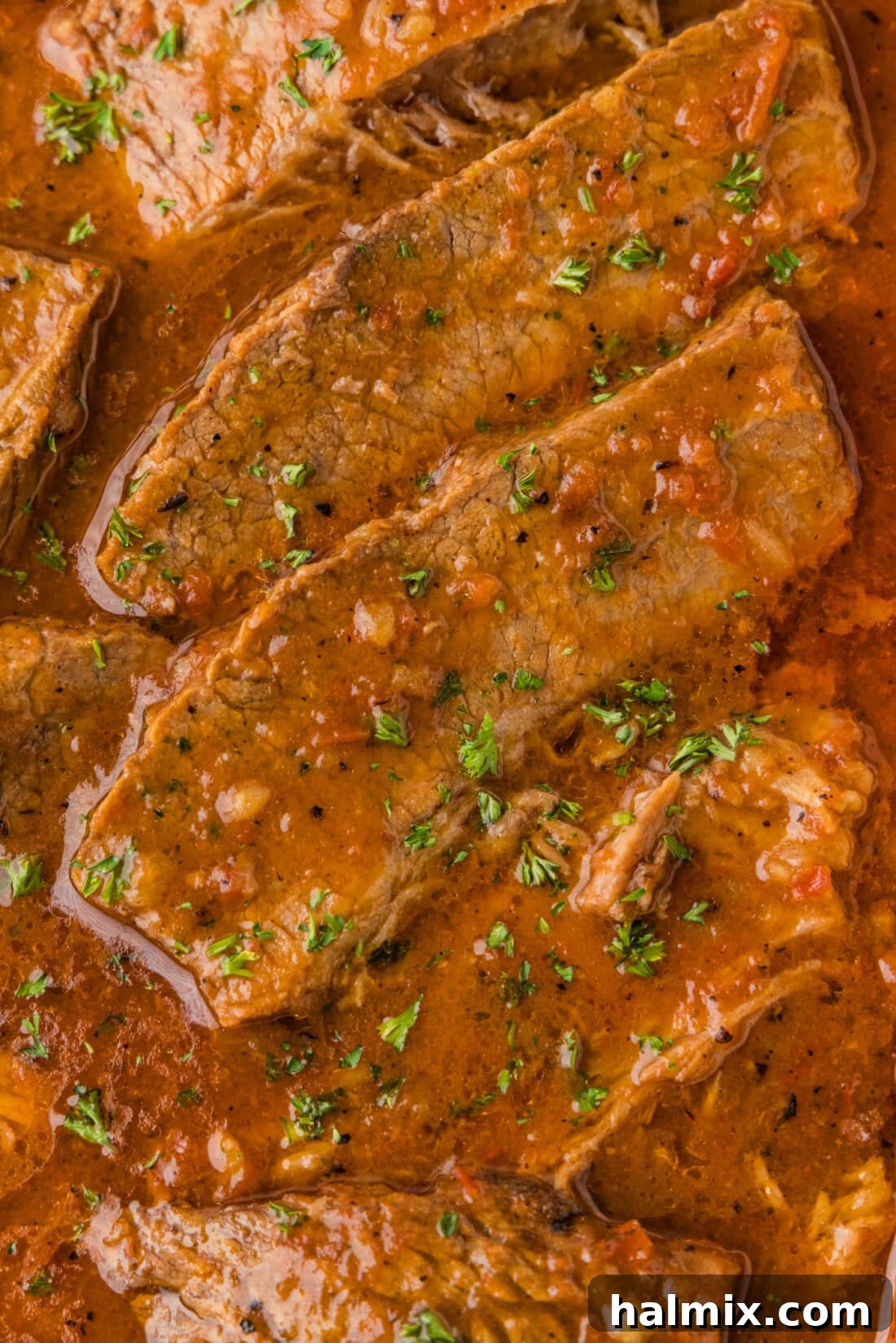
Think about it: an acidic tomato gravy often benefits from a touch of sweetness to balance its profile. Gingersnaps provide this, along with a complex layer of warm spices like ginger, cinnamon, and cloves, which subtly enhance the savory notes of the beef without making the dish taste “sweet” or “like cookies.” Furthermore, the cookies act as a natural thickener for the gravy, contributing to its luxurious, clingy texture. The result is a deeply savory, rich, and robust brisket that will impress even the most discerning palates, all achieved with minimal effort.
Essential Ingredients for Tender Beef Brisket
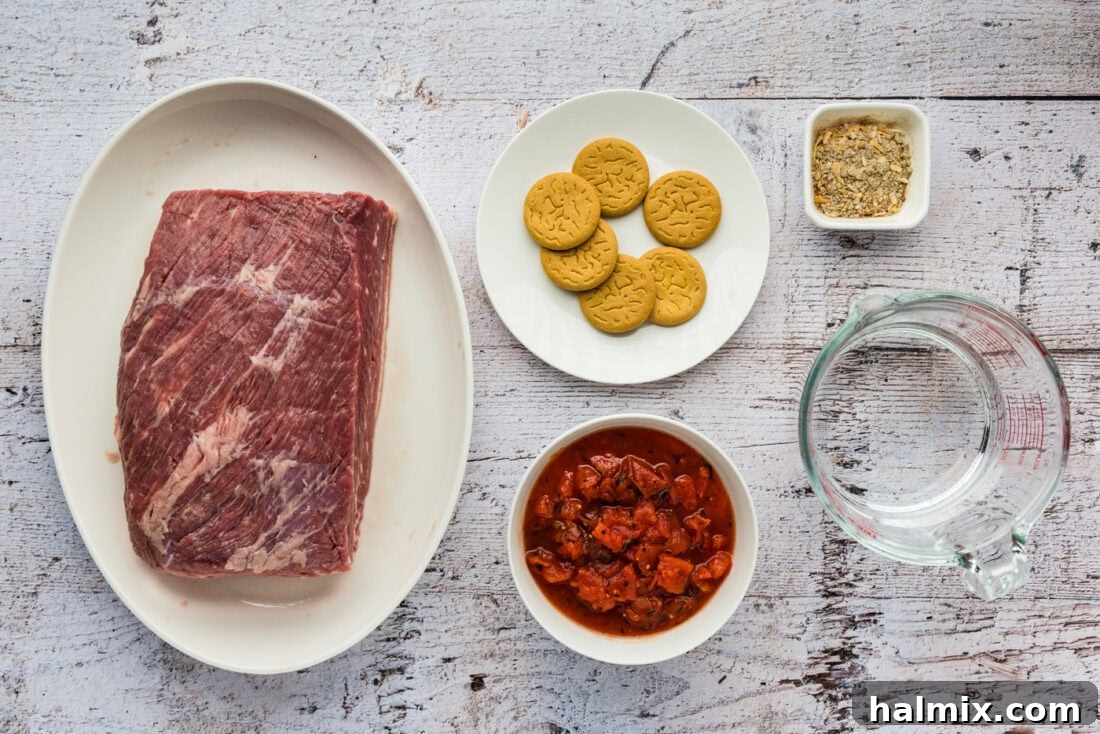
Creating this magnificent beef brisket and gravy masterpiece starts with selecting the right ingredients. Each component plays a vital role in achieving the desired texture and flavor. Below, we delve into each of the five essential ingredients, offering tips and insights for the best possible results.
Ingredient Info and Substitution Suggestions
- BEEF BRISKET: Brisket is renowned for its toughness, thanks to its high amount of connective tissue. This characteristic makes it an ideal candidate for low and slow cooking methods, much like beef short ribs. The extended cooking time at a lower temperature allows the collagen to slowly break down into gelatin, transforming the meat into an incredibly tender, melt-in-your-mouth experience. When selecting your brisket, you might find two main cuts: the flat (leaner) and the point (fattier). For this recipe, either will work beautifully, but a brisket with good marbling throughout will yield the most flavorful and moist results. Aim for a 3-pound cut, which is perfect for most standard baking dishes and serving sizes.
- CANNED DICED TOMATOES (UNDRAINED): These provide the vibrant, acidic base for our rich gravy. Using diced tomatoes offers a slight textural element to the gravy, which is pleasant. The juice from the can is crucial, as it adds liquid and concentrates the tomato flavor. Avoid substituting with tomato paste or crushed tomatoes unless you adjust the liquid content accordingly, as the consistency will differ.
- WATER: A simple yet essential component that helps create the braising liquid. It dilutes the intensity of other ingredients, allowing the flavors to meld without becoming overpowering, and ensures there’s enough liquid for the brisket to cook properly and for the gravy to develop.
- ONION SOUP MIX (1 ENVELOPE): This dry mix is a fantastic shortcut for adding a complex blend of savory, umami-rich flavors, along with aromatic onion and herb notes, without the need for chopping multiple vegetables. It’s a powerhouse of seasoning that forms the backbone of the gravy’s savory profile. Ensure you use a standard dried onion soup mix, not a cream of onion soup.
- GINGERSNAP COOKIES (PLAIN): The unexpected “secret” ingredient! While it might sound unusual, the gingersnaps are instrumental in this recipe’s success. You absolutely want to use plain gingersnaps, free from any icing or coatings. As they dissolve into the gravy during the slow cooking process, they contribute a subtle sweetness that balances the acidity of the tomatoes, and their warm spices (ginger, nutmeg, cloves, cinnamon) add incredible depth and warmth to the overall flavor profile. Crucially, they also help to naturally thicken the gravy, giving it a wonderfully smooth and rich consistency. Rest assured, your delicious beef brisket will not taste like cookies; instead, it will boast a nuanced, complex, and deeply savory flavor that will leave your guests guessing your secret!
How to Master Slow-Cooked Beef Brisket and Gravy
This recipe prides itself on its simplicity, but a few key steps ensure perfection. The beauty of this dish lies in its ‘set it and forget it’ nature, allowing the oven to do most of the work to transform simple ingredients into an extraordinary meal.
- Preheat Oven: Begin by preheating your oven to 325°F (160°C). This moderate temperature is ideal for the long, slow braising process, ensuring the brisket cooks evenly and becomes incredibly tender without drying out.
- Prepare Brisket: Place your 3-pound beef brisket into a sturdy 13×9 inch baking dish. A ceramic or cast-iron dish works wonderfully for even heat distribution. If your brisket has a significant fat cap, you may choose to trim some of it, leaving about 1/4 inch, to render flavor without making the gravy overly greasy.
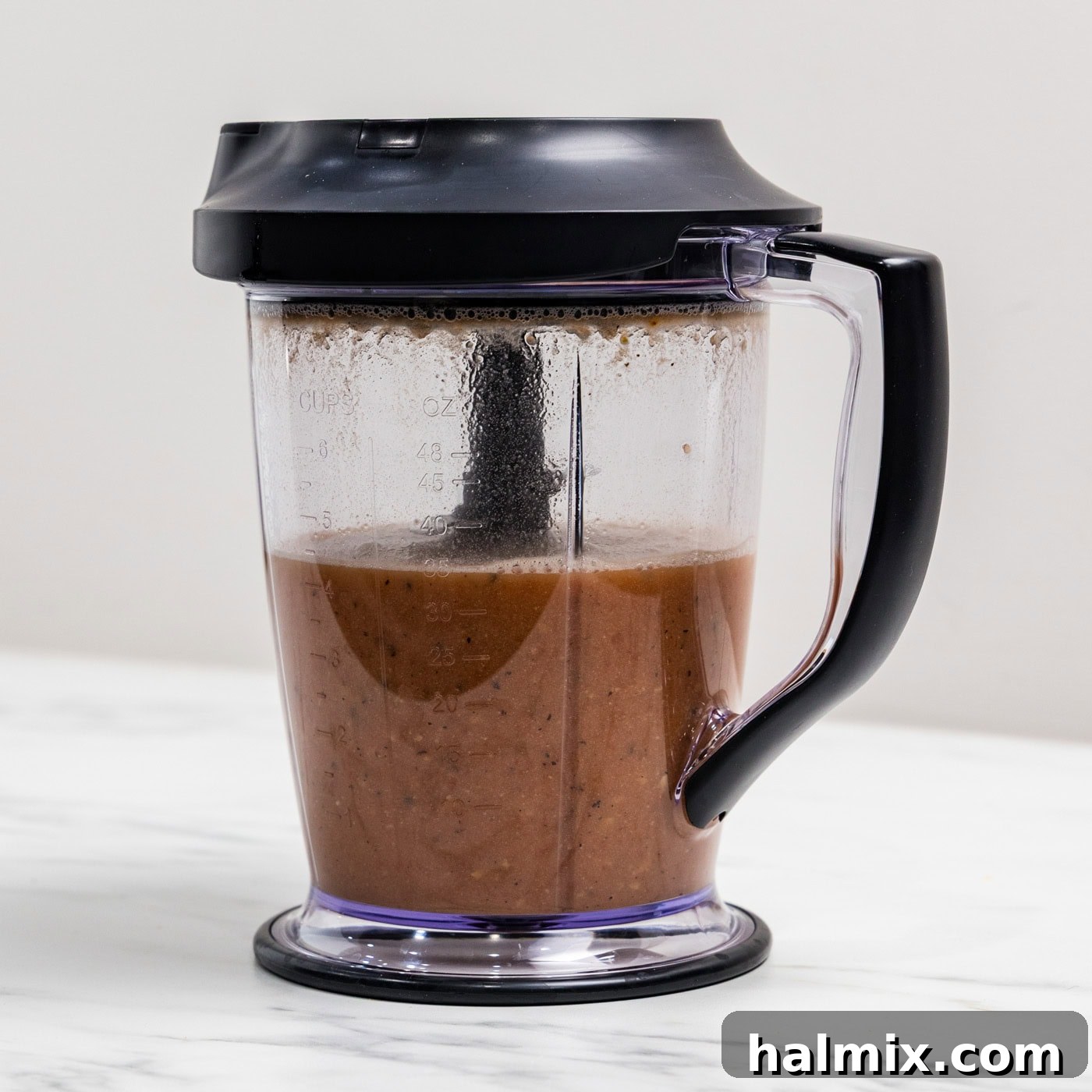
- Blend Gravy Mixture: In a blender, combine the remaining ingredients: canned diced tomatoes (undrained), 2 cups of water, one envelope of onion soup mix, and the 6 plain gingersnap cookies. Blend thoroughly until the mixture is smooth and all the gingersnaps have dissolved, creating a thick, aromatic gravy base.

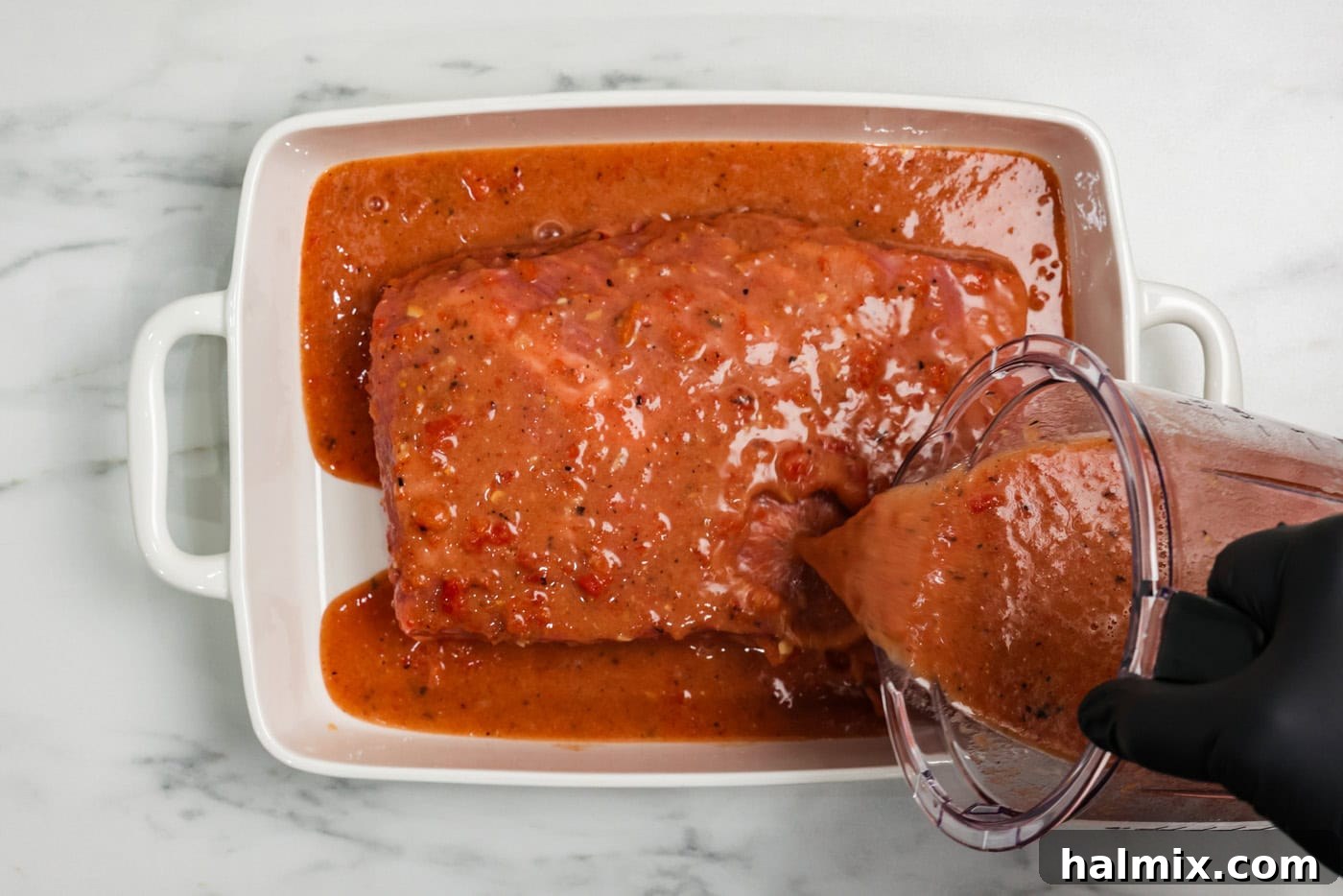
The blended gravy mixture, smooth and ready to infuse the brisket with flavor. - Pour Over Brisket: Carefully pour the blended gravy mixture evenly over the brisket in the baking dish. Ensure the meat is mostly submerged in the liquid.
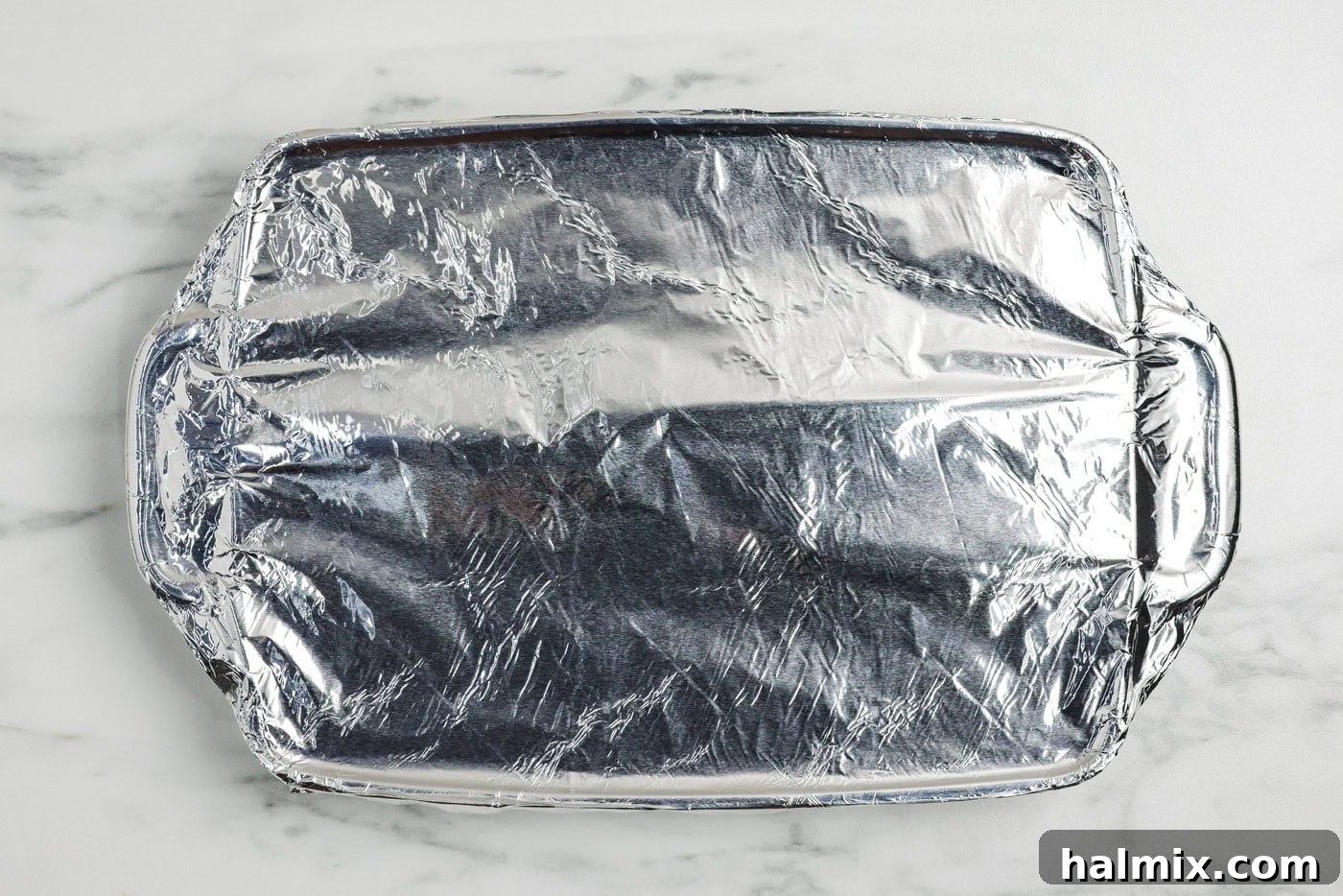
Pouring the rich, blended gravy over the brisket, ensuring full coverage for maximum flavor absorption. - First Bake (No Peeking!): Cover the pan tightly with aluminum foil. A tight seal is critical to trap moisture and create a steamy environment, which is key for tender brisket. Bake in the preheated 325°F oven for 3 hours. Resist the urge to peek during this time; maintaining a consistent temperature and moisture level is vital for the braising process.
The baking dish, tightly sealed with foil, ready for its slow transformation in the oven. - Reduce Oven Temperature: After 3 hours, reduce the oven temperature to 225°F (107°C). This lower temperature allows the brisket to gently finish cooking without over-reducing the gravy, ensuring the meat becomes supremely tender.
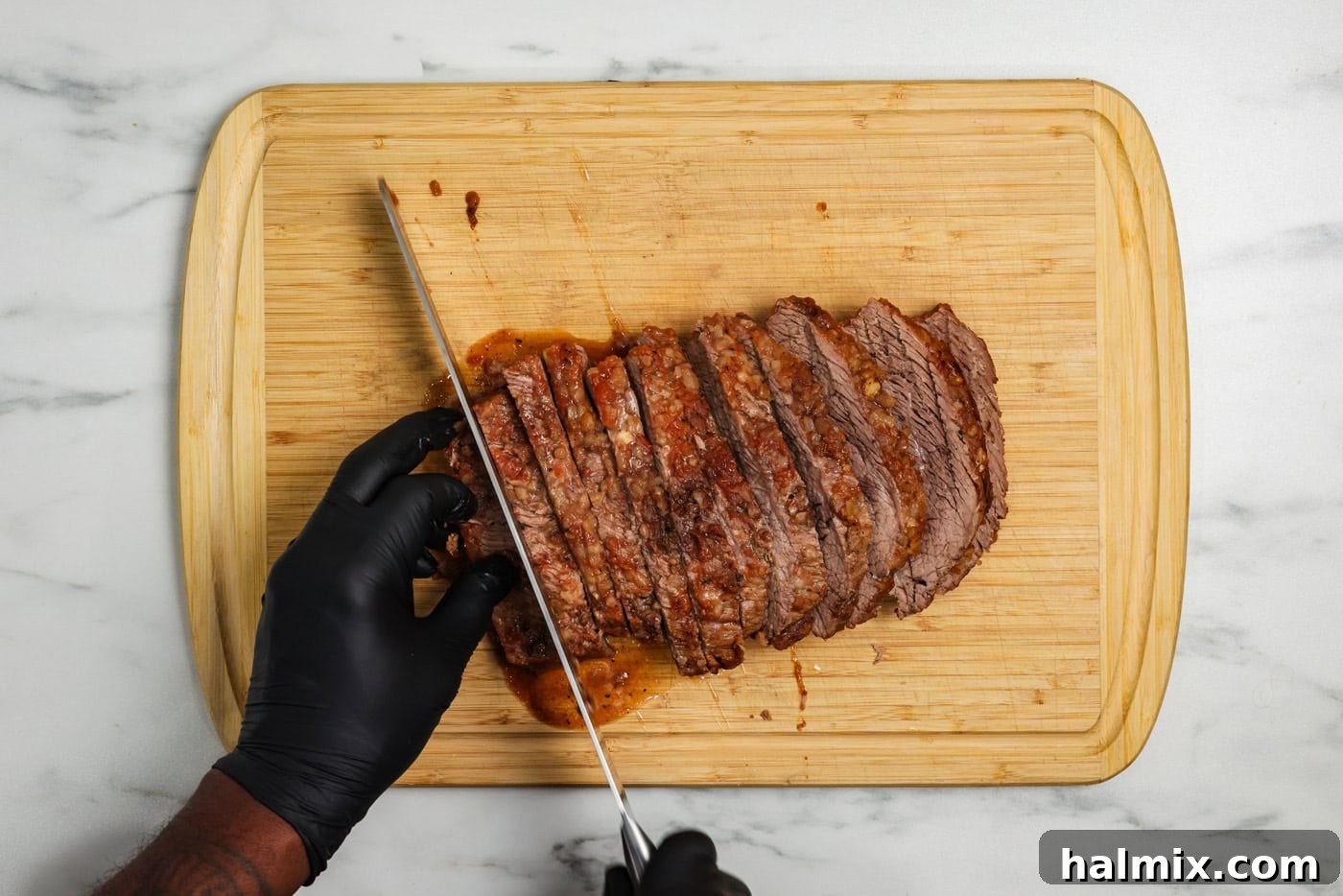
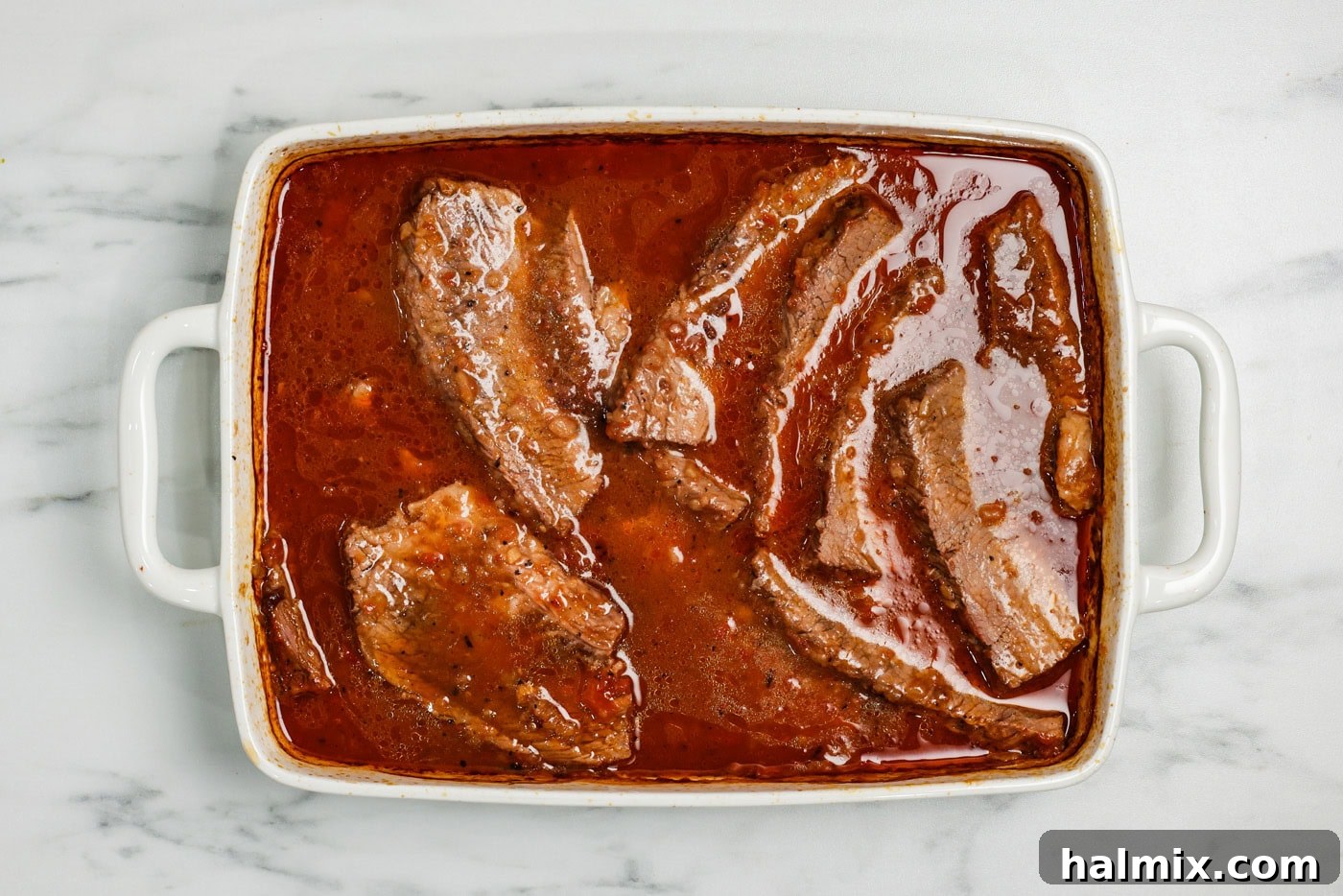
- Slice and Return to Gravy: Carefully remove the pan from the oven. Using tongs, transfer the brisket to a cutting board. With a sharp chef’s knife, slice the brisket AGAINST THE GRAIN. This is a crucial step for tenderness; slicing with the grain can make even perfectly cooked brisket chewy. Once sliced, return the individual slices of brisket back into the warm gravy in the pan, nestling them in. This allows the meat to absorb even more flavor and moisture. Reseal the pan tightly with foil.
The crucial step of slicing the brisket against the grain for maximum tenderness. Sliced brisket pieces returned to the rich gravy, ready for the final bake to absorb all the delicious flavors. - Final Bake: Return the tightly covered pan to the 225°F oven and bake for one more hour. This final hour allows the sliced brisket to become incredibly infused with the gravy’s flavors and achieve ultimate fork-tenderness.
Frequently Asked Questions & Expert Tips
If your brisket isn’t fork-tender by the end of the listed cooking time, it almost certainly needs more time in the oven. While the recipe generally calls for a 4-hour cooking period, individual ovens can vary, and brisket cuts differ. Don’t rely solely on the clock; focus on the texture. Continue braising it, covered, at the lower temperature until it yields easily to a fork. Patience is key with brisket!
Absolutely, covering your brisket tightly with foil while it cooks in the oven is crucial. This creates a moist, steamy environment, preventing the brisket from drying out. The trapped moisture also contributes significantly to the formation of that incredible, flavorful gravy, ensuring both the meat and the sauce are perfectly succulent.
Always slice brisket against the grain. This means identifying the direction of the muscle fibers in the meat and cutting perpendicular to them. Slicing against the grain effectively shortens these fibers, resulting in a much more tender and less chewy bite. Failing to slice against the grain can make even a perfectly cooked brisket seem tough, so take your time to properly orient the meat before cutting.
Once cooled, store any leftover brisket and gravy in an airtight container in the refrigerator for up to 4 days. To reheat, transfer the desired amount of brisket and gravy to a baking dish, cover it tightly with foil, and warm in a 275°F (135°C) oven until heated through. Reheating at a low temperature and keeping it covered helps maintain the brisket’s moisture and tenderness.
Yes, this brisket is excellent for make-ahead meals! In fact, many believe brisket tastes even better the next day as the flavors have more time to meld. Cook the brisket as directed, allow it to cool, then store it in its gravy in an airtight container in the refrigerator. Reheat gently using the instructions above.
A sturdy 13×9 inch baking dish made of ceramic, glass, or cast iron is ideal. These materials conduct and retain heat well, which is beneficial for slow braising and ensuring the brisket cooks evenly and consistently.
Serving Suggestions
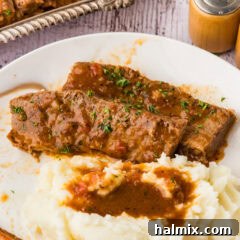
The rich, savory beef brisket and its luscious gravy are a complete meal in themselves, but they truly shine when paired with complementary sides. You simply can’t imagine serving this dish without a generous mound of creamy mashed potatoes. Personally, I love to prepare my mashed potatoes in the crockpot, allowing them to cook slowly and be ready right around the same time as the brisket.
Beyond mashed potatoes, this versatile brisket pairs wonderfully with a variety of other comfort food favorites. Consider serving it with:
- Creamy Macaroni and Cheese: The ultimate comfort food pairing, offering a delightful textural and flavor contrast.
- Slow Cooker Balsamic Carrots: Adds a touch of sweetness and vibrant color, complementing the richness of the beef.
- Fluffy White Rice: An excellent choice for soaking up every last drop of that incredible gravy.
- Crusty Bread: Perfect for dipping into the abundant, flavorful sauce.
- Roasted Green Beans or Asparagus: For a fresh, slightly crisp vegetable component.
More Delicious Beef Recipes to Explore
If you’ve enjoyed the comforting flavors of this beef brisket, you’ll love exploring these other incredible beef recipes:
- Classic Braised Beef
- Perfectly Cooked Beef Tenderloin
- Hearty Beef Stroganoff
- Easy Crockpot Roast Beef
I find immense joy in cooking and sharing my culinary adventures with all of you! To make it easy to stay updated with new and exciting recipes, I offer a convenient newsletter. Simply subscribe here and start receiving your free daily recipes directly to your inbox!
Beef Brisket and Gravy Recipe
This incredibly flavorful beef brisket and gravy recipe, requiring only a handful of ingredients, has been a cherished family favorite for over 30 years. It promises tender beef and a rich, unique gravy that’s surprisingly easy to make.
Rating: 5 out of 5 stars from 7 votes
Course: Dinner | Cuisine: American
Servings: 5 servings | Total Time: 4 hours 10 minutes
Calories: 495 | Author: Amanda Davis
Ingredients
- 3 pound beef brisket
- 15 ounces diced tomatoes, canned, undrained
- 2 cups water
- 1 envelope onion soup mix
- 6 Gingersnap cookies (plain)
Equipment You’ll Need
- 13×9 baking dish
- Blender or food processor
- Aluminum foil
- Chef’s knife
Before You Begin (Important Notes)
- When cutting brisket, always slice against the grain. This crucial technique shortens the muscle fibers, making the meat wonderfully tender instead of chewy. Ignoring this step can significantly impact the texture!
- For the secret ingredient, ensure you use plain gingersnap cookies, not any variety that is iced or coated. Don’t worry, the cookies contribute complex spices and balance the gravy; your brisket and gravy will absolutely not taste like dessert.
Instructions
- Preheat your oven to 325°F (160°C).
- Place the 3-pound beef brisket into a 13×9 inch baking dish.
- In a blender, combine the 15 ounces of undrained diced tomatoes, 2 cups of water, 1 envelope of onion soup mix, and 6 plain gingersnap cookies. Blend until the mixture is completely smooth and well combined.
- Pour the contents of the blender evenly over the brisket in the baking dish.
- Cover the pan tightly with aluminum foil to create a secure seal. Bake in the preheated oven for 3 hours without opening the oven door or peeking.
- After 3 hours, reduce the oven temperature to 225°F (107°C).
- Carefully remove the pan from the oven. Transfer the brisket to a cutting board and slice it against the grain into desired thickness. Return the sliced brisket pieces into the gravy in the pan, ensuring they are nestled within the sauce. Reseal the pan tightly with foil.
- Return the covered pan to the oven and bake for one additional hour at 225°F.
Nutrition Information
Serving: 1 serving | Calories: 495cal | Carbohydrates: 15g | Protein: 58g | Fat: 21g | Saturated Fat: 7g | Polyunsaturated Fat: 1g | Monounsaturated Fat: 10g | Cholesterol: 169mg | Sodium: 917mg | Potassium: 1145mg | Fiber: 2g | Sugar: 4g | Vitamin A: 101IU | Vitamin C: 8mg | Calcium: 61mg | Iron: 7mg
Tried this Recipe? Pin it for Later!
Follow on Pinterest @AmandasCookin or tag #AmandasCookin!
The recipes on this blog are tested with a conventional gas oven and gas stovetop. It’s important to note that some ovens, especially as they age, can cook and bake inconsistently. Using an inexpensive oven thermometer can assure you that your oven is truly heating to the proper temperature. If you use a toaster oven or countertop oven, please keep in mind that they may not distribute heat the same as a conventional full sized oven and you may need to adjust your cooking/baking times. In the case of recipes made with a pressure cooker, air fryer, slow cooker, or other appliance, a link to the appliances we use is listed within each respective recipe. For baking recipes where measurements are given by weight, please note that results may not be the same if cups are used instead, and we can’t guarantee success with that method.
This post was originally published on October 21, 2009, and has since been extensively updated with new photos, enhanced instructions, and expert tips for an even better culinary experience.