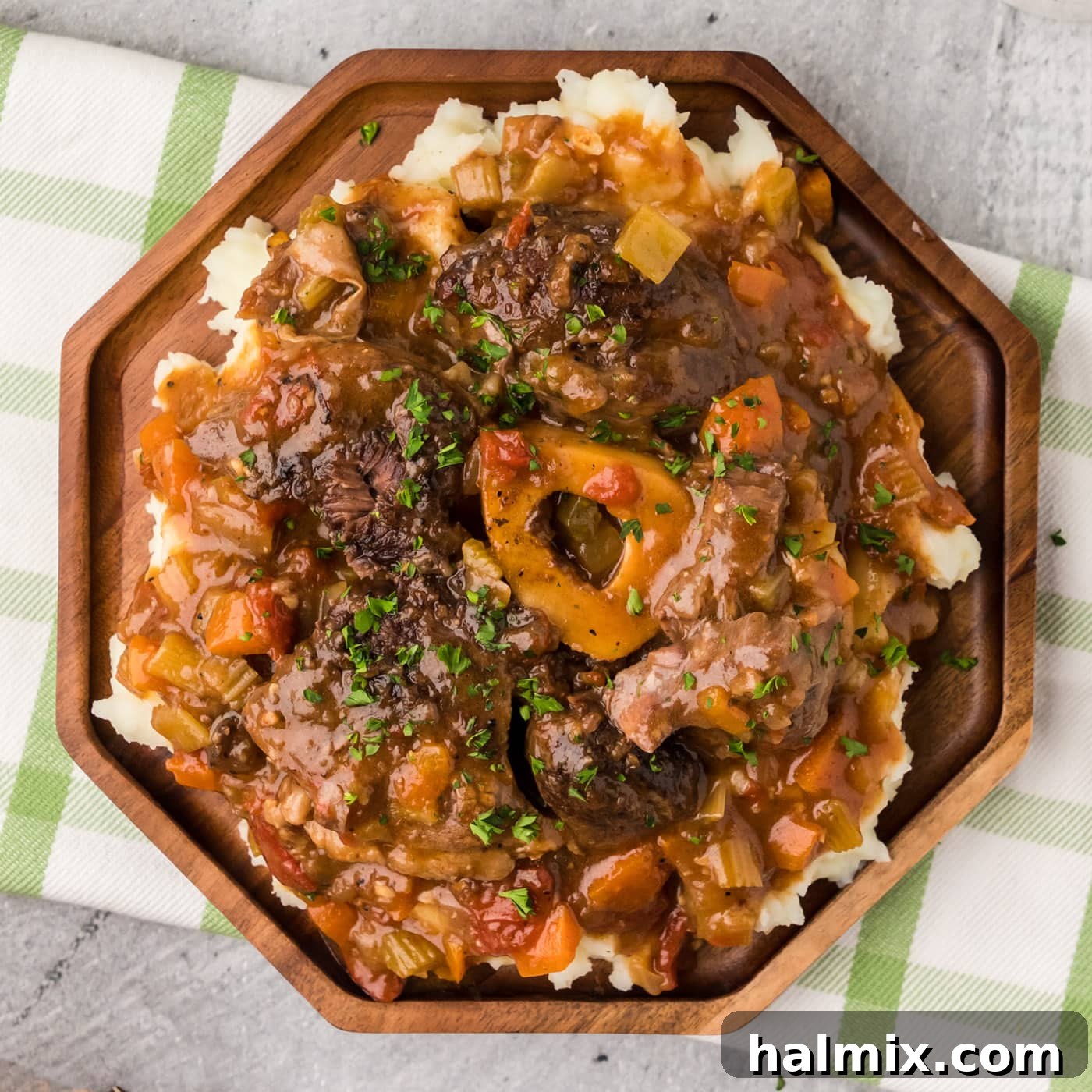
Welcome to a culinary journey that transforms a humble cut of beef into an extraordinary, fall-off-the-bone tender masterpiece. This exquisite braised beef shanks recipe promises a symphony of flavors, where succulent beef is slow-cooked to perfection in a rich, aromatic base of garlic, onions, celery, carrots, and tomatoes, all enhanced by the delicate notes of white wine. It’s a dish that embodies comfort, warmth, and the timeless appeal of slow-cooked cuisine, perfect for a cozy family dinner or an impressive gathering.
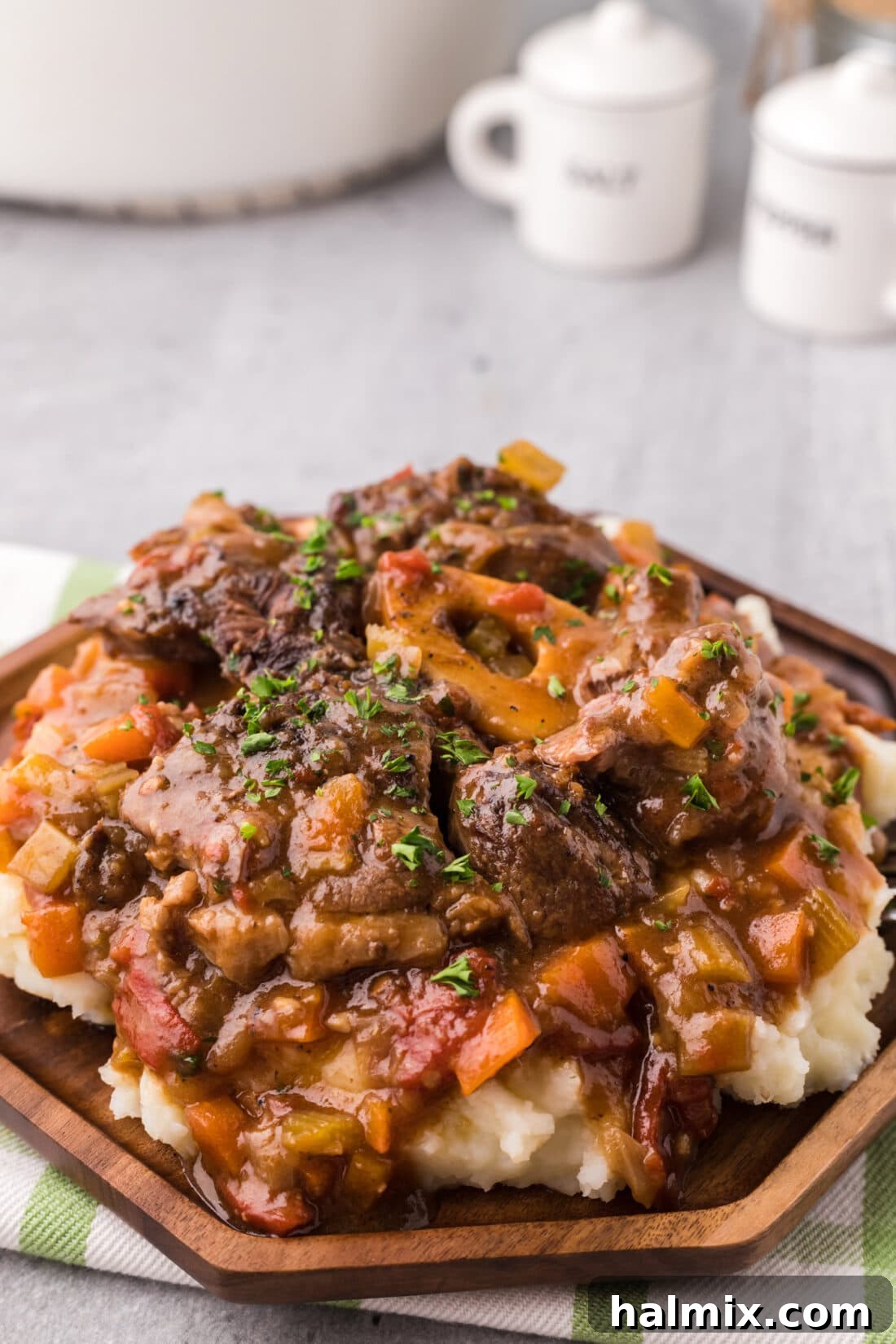
Why This Braised Beef Shanks Recipe Is a Must-Try
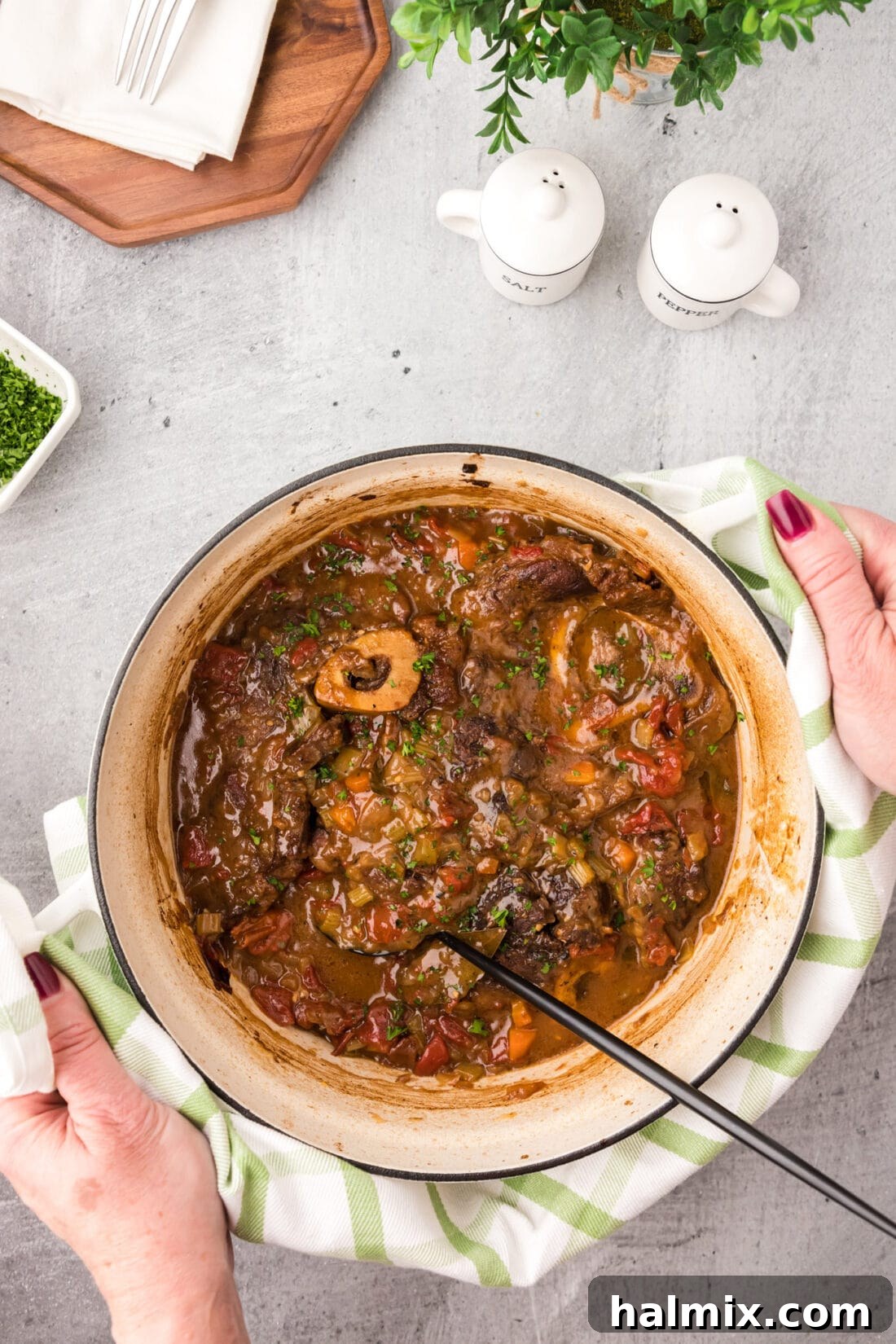
Braised beef shanks are a testament to the magic of low-and-slow cooking. This technique is precisely what transforms an inherently tough, collagen-rich cut of beef into an incredibly tender, melt-in-your-mouth experience. By searing the shanks first, we build a foundational layer of flavor, creating a beautiful caramelized crust that locks in juices. The pan is then deglazed with white wine, capturing all those precious browned bits (fond) and contributing depth and acidity to the braising liquid. Following this, an aromatic medley of vegetables is softened before the beef shanks are returned to the pot, fully submerged in a luscious liquid, and gently cooked in the oven for hours.
The beauty of braising lies in its ability to break down the connective tissues in the beef shanks, resulting in meat so tender it practically dissolves. Furthermore, beef shanks contain a section of leg bone with bone marrow, which slowly releases its rich, umami flavor into the sauce during cooking. This not only enriches the braising liquid with unparalleled depth but also adds a luxurious, velvety texture. While this recipe requires patience and a bit of time for the optimal outcome, the process itself is straightforward and the results are consistently rewarding, yielding a dish that tastes far more complex than the effort involved.
You might recognize this magnificent dish by another name: beef osso buco. It is indeed the hearty, beefier cousin to the more traditional veal osso buco. Both preparations celebrate the art of braising bone-in shanks in a rich, flavorful liquid. However, many home cooks and chefs prefer beef osso buco due to beef shanks being more widely accessible and often more budget-friendly than veal, without compromising on the robust, satisfying flavor that defines this classic dish.
Essential Ingredients for Perfect Braised Beef Shanks
Crafting exceptional braised beef shanks begins with selecting high-quality ingredients. Each component plays a crucial role in developing the deep, layered flavors of this comforting dish. Below, we’ll delve into the specific ingredients you’ll need, along with insights into their purpose and potential substitutions.
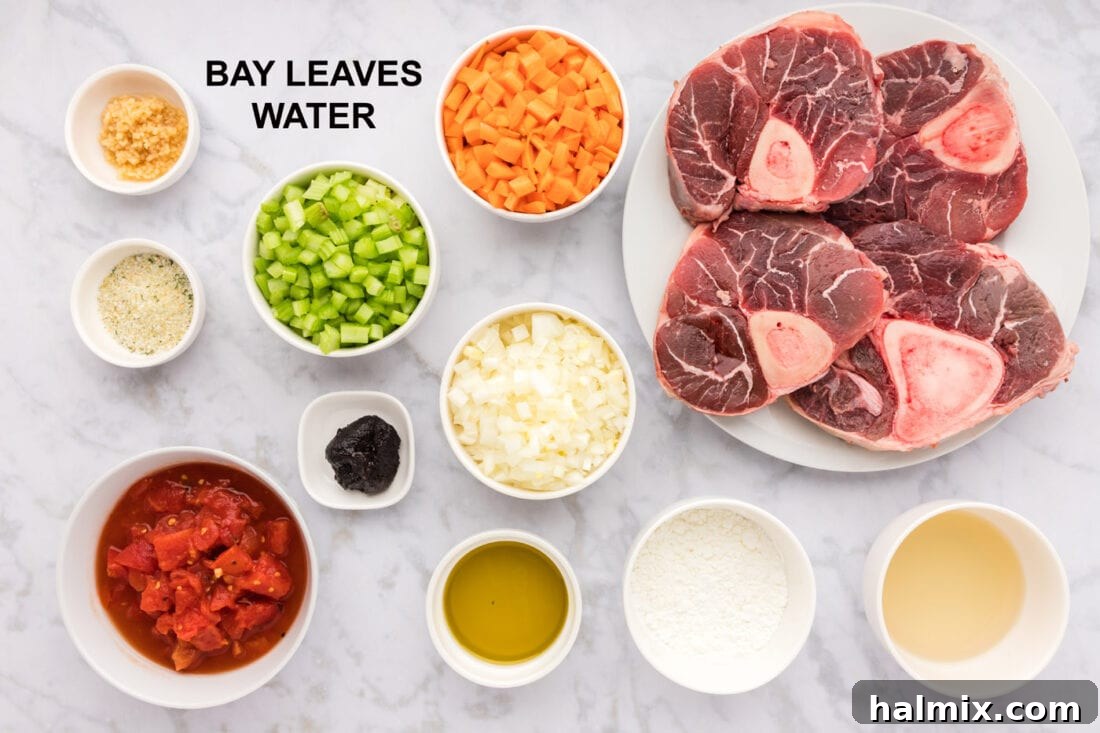
Ingredient Spotlight & Expert Tips
BEEF SHANKS – This recipe truly shines with beef shanks, which are cross-cut sections of the leg. As a tougher cut of meat, beef shanks are ideal for slow-cooking methods like braising. The prolonged, gentle heat breaks down the rich collagen, transforming it into gelatin and infusing the meat with incredible tenderness and moisture. The presence of the leg bone and its marrow is not just for show; the marrow slowly melts into the braising liquid, adding a profound depth of savory flavor and richness that cannot be replicated with boneless cuts. Look for shanks that are at least 1-2 inches thick for the best results.
GARLIC SALT – A simple yet effective seasoning to enhance the beef’s natural flavor. You can adjust the amount to your personal preference. If you don’t have garlic salt, a blend of kosher salt and garlic powder can be used.
CORNSTARCH – Used for dredging the beef shanks before searing. This creates a beautifully browned crust, helps to thicken the braising liquid, and ensures the seasoning adheres well. We reserve a portion of the cornstarch to help thicken the sauce later, contributing to its luscious consistency. Do not substitute with flour for dredging unless you adjust cooking times as cornstarch provides a crispier sear and glossier sauce.
OLIVE OIL – Essential for searing the beef shanks and sautéing the vegetables. Use a good quality olive oil that can withstand medium-high heat.
DRY WHITE WINE – Crucial for deglazing the pan and building the foundation of the braising liquid. A dry white wine, such as Pinot Grigio, Sauvignon Blanc, or an unoaked Chardonnay, works best. Its acidity helps scrape up the flavorful browned bits from the bottom of the pan and adds a bright, complex note to the sauce. If you prefer not to cook with wine, you can substitute with an equal amount of beef broth, though the flavor profile will be slightly different.
MINCED GARLIC, CHOPPED ONION, CARROTS, AND CELERY (Mirepoix) – This classic aromatic base is indispensable for building flavor in braised dishes. These vegetables sweeten and deepen the overall taste of the sauce as they cook down. Ensure they are uniformly chopped for even cooking. For extra flavor, you can roast these vegetables lightly before adding them to the pot.
JARRED BEEF BASE – A concentrated beef flavor enhancer that adds significant umami and robustness to the braising liquid. Beef bouillon or beef broth can be used as alternatives, but adjust the seasoning accordingly. For the deepest flavor, a high-quality beef base is recommended.
CANNED DICED TOMATOES – Un-drained diced tomatoes provide acidity, sweetness, and a lovely texture to the sauce. They break down during the long cooking process, melding into the braising liquid. Crushed tomatoes can also be used for a smoother sauce, or whole peeled tomatoes can be hand-crushed for a rustic feel.
WATER – Used to supplement the braising liquid, ensuring the shanks are adequately submerged for even cooking and tenderization. Beef broth can be substituted for water to add even more beefy flavor.
BAY LEAVES – These aromatic leaves impart a subtle, herbaceous, and slightly floral note that beautifully complements the richness of the beef. Remember to remove them before serving, as they are not meant to be eaten.
Step-by-Step Guide: How to Make Tender Braised Beef Shanks
Follow these detailed steps to achieve perfectly braised beef shanks. These instructions are designed to guide you through the process, ensuring a tender and flavorful result. For a printable version of the full recipe with exact measurements, please scroll down to the recipe card at the end of this post.
- Preheat Oven: Begin by preheating your oven to 325°F (160°C). This low and consistent temperature is key to the slow braising process.
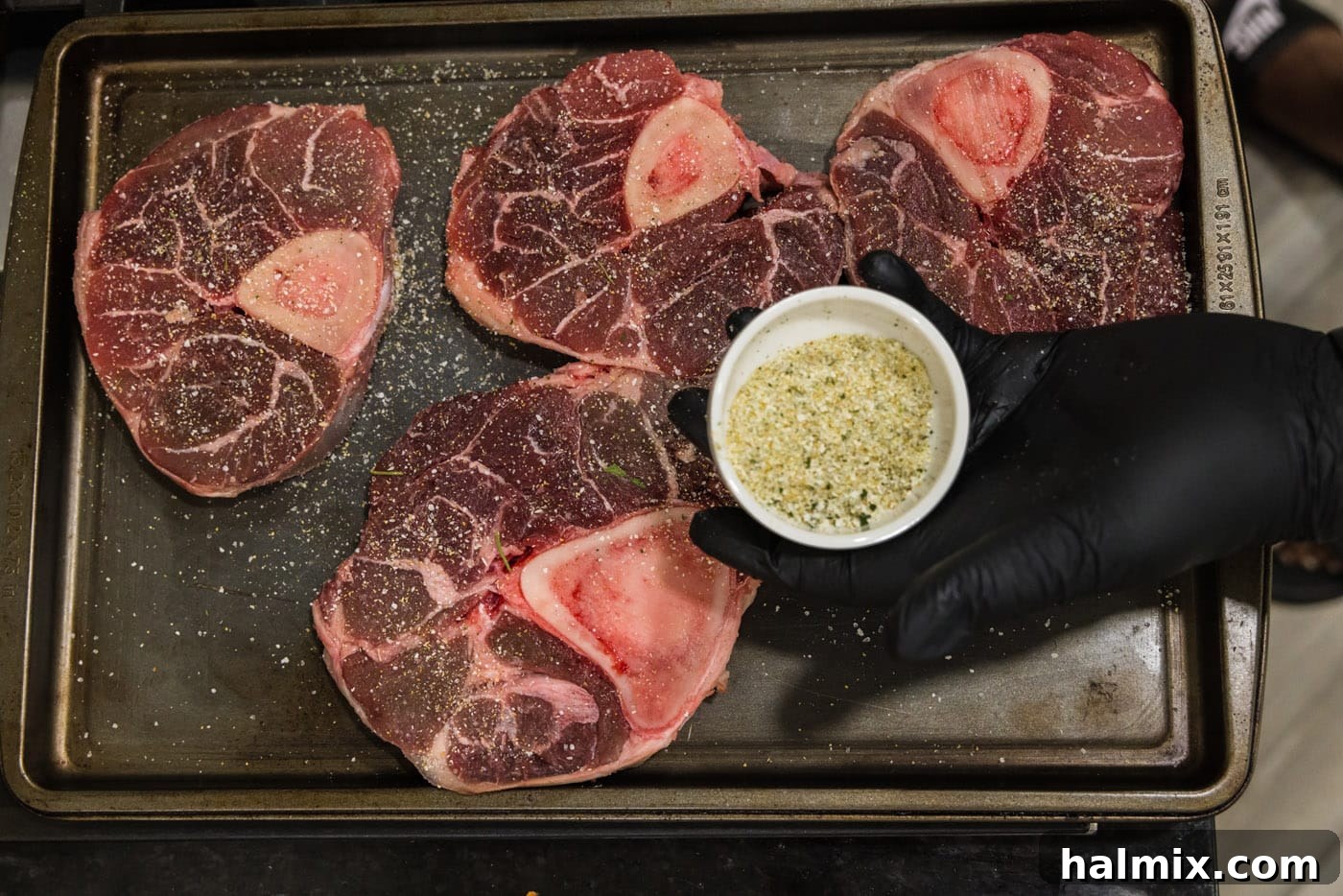
- Season the Beef: Generously season both sides of your beef shanks with garlic salt. Ensure an even coating, as this first layer of seasoning is crucial for flavor development.
-

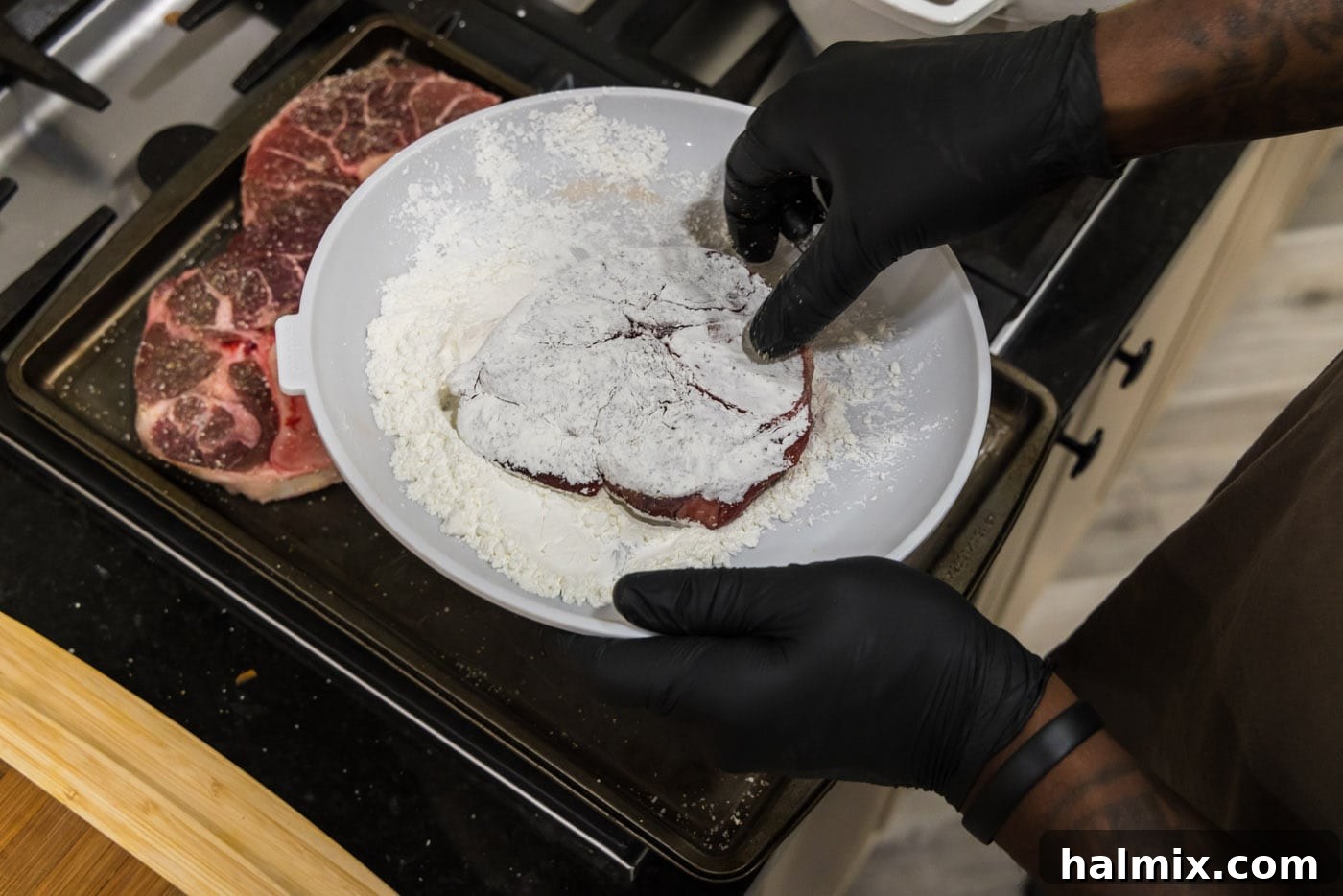
- Dredge in Cornstarch: Place ½ cup of cornstarch in a shallow dish or on a plate. Press both sides of each seasoned beef shank into the cornstarch, ensuring they are well coated. Set aside the remaining cornstarch, as it will be used later.
-
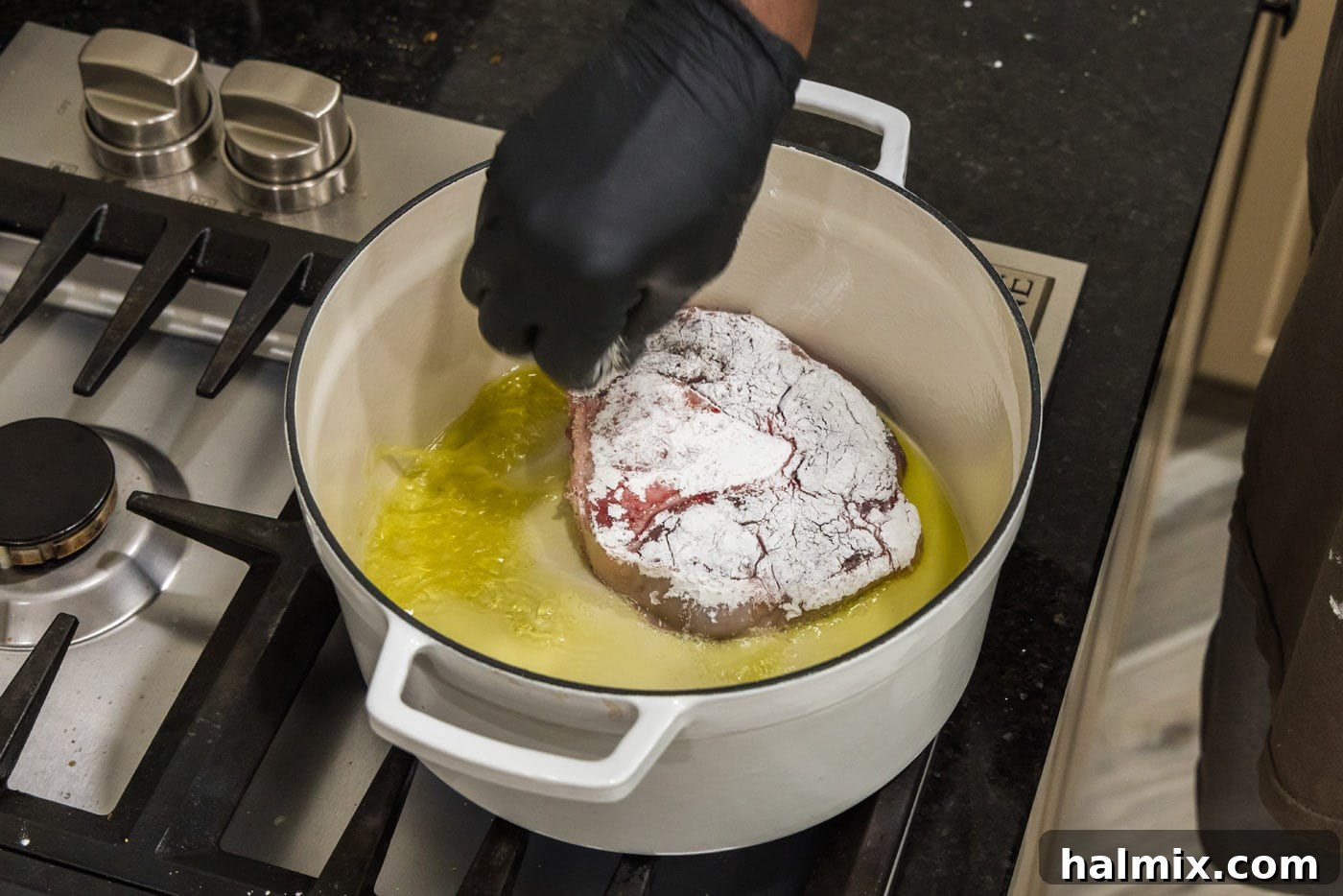
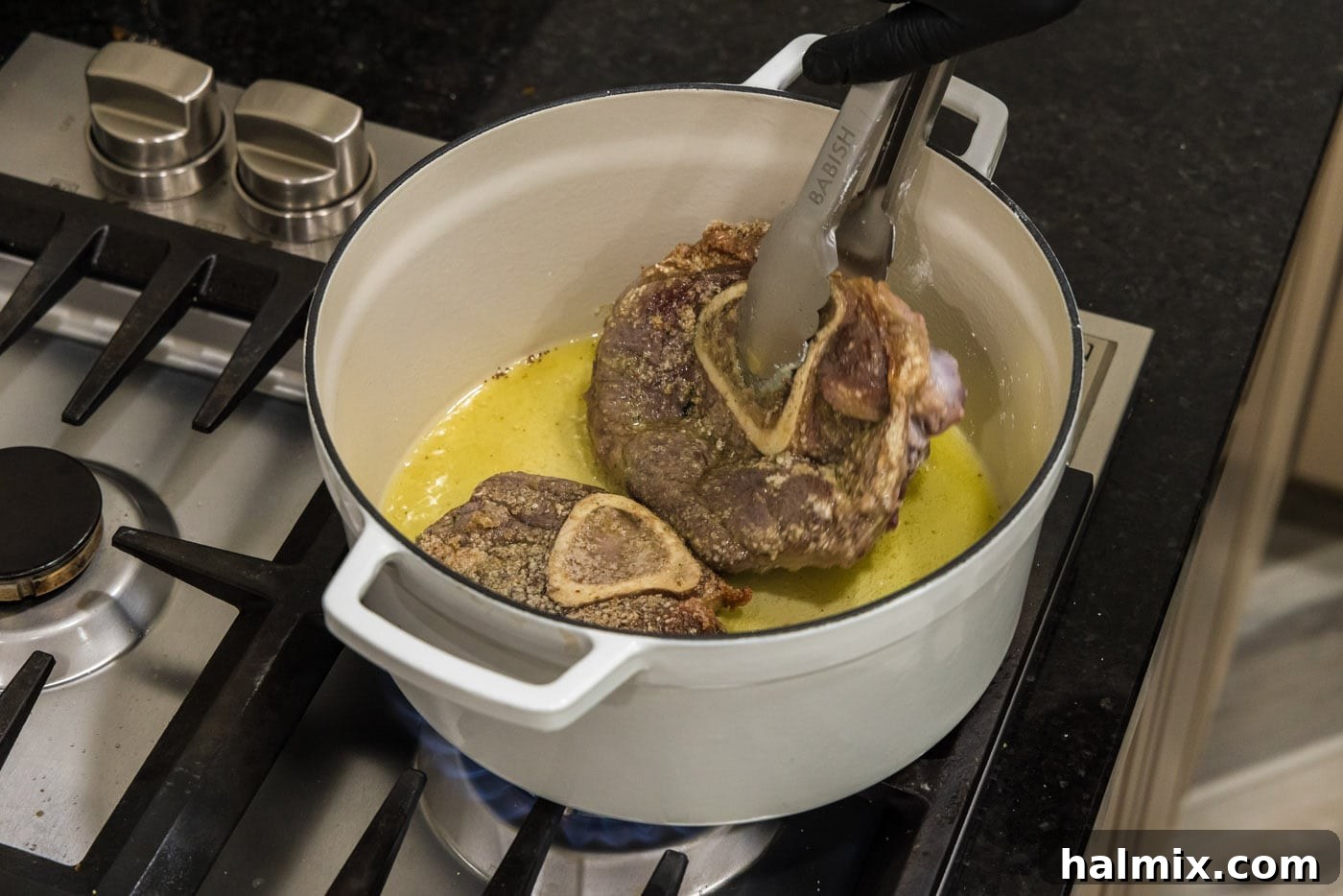
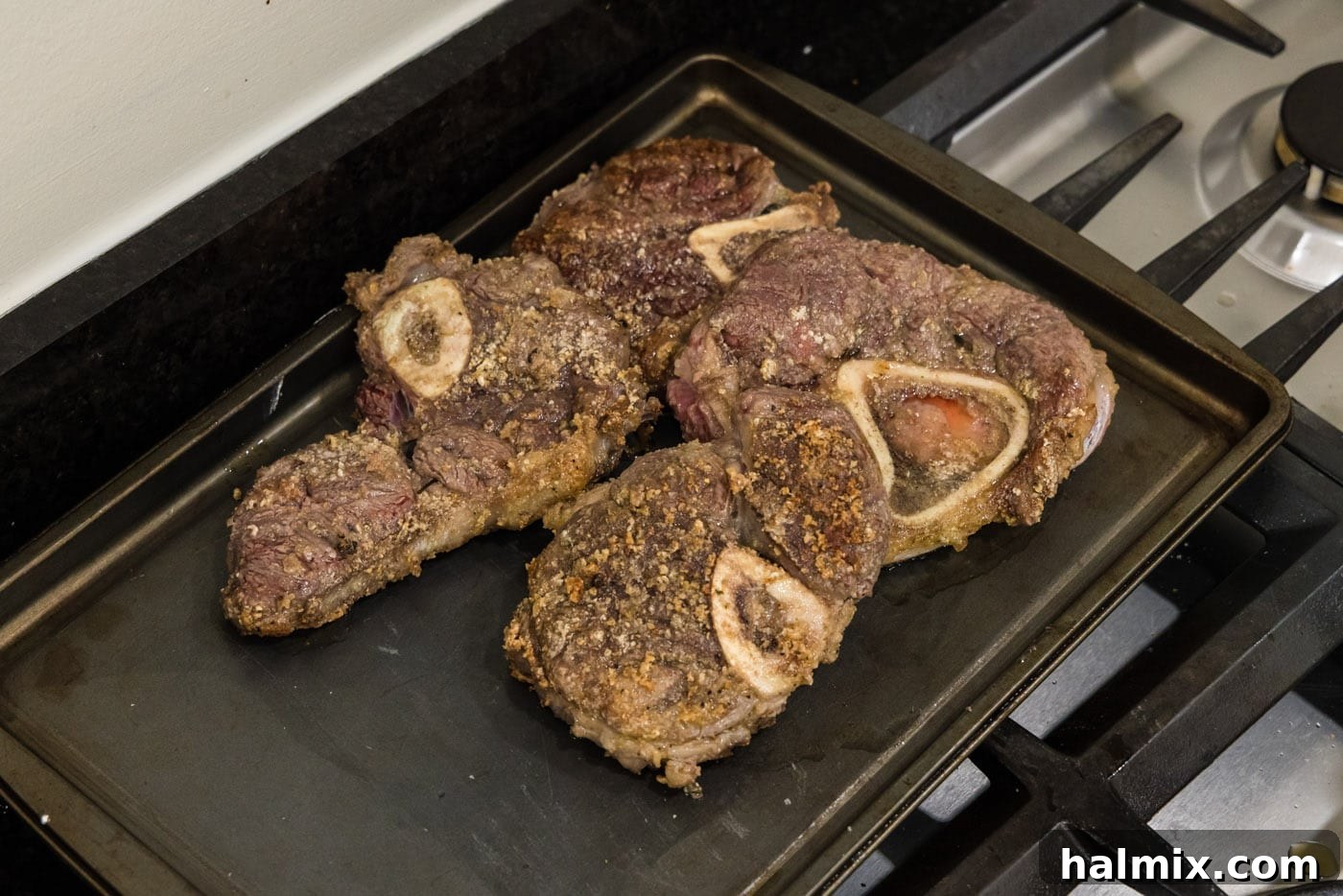
- Sear the Shanks: Heat 4 tablespoons of olive oil in a Dutch oven or heavy-bottomed, oven-safe pot over medium-high heat until it shimmers. Carefully place the cornstarch-coated shanks into the hot oil. You will likely need to work in batches to avoid overcrowding the pan, which would prevent proper searing. Cook each side for approximately 3 minutes, or until deeply browned and caramelized. Remove the seared shanks and set them aside. Repeat this process for any remaining shanks. Searing is vital for building a rich, deep flavor profile.
-
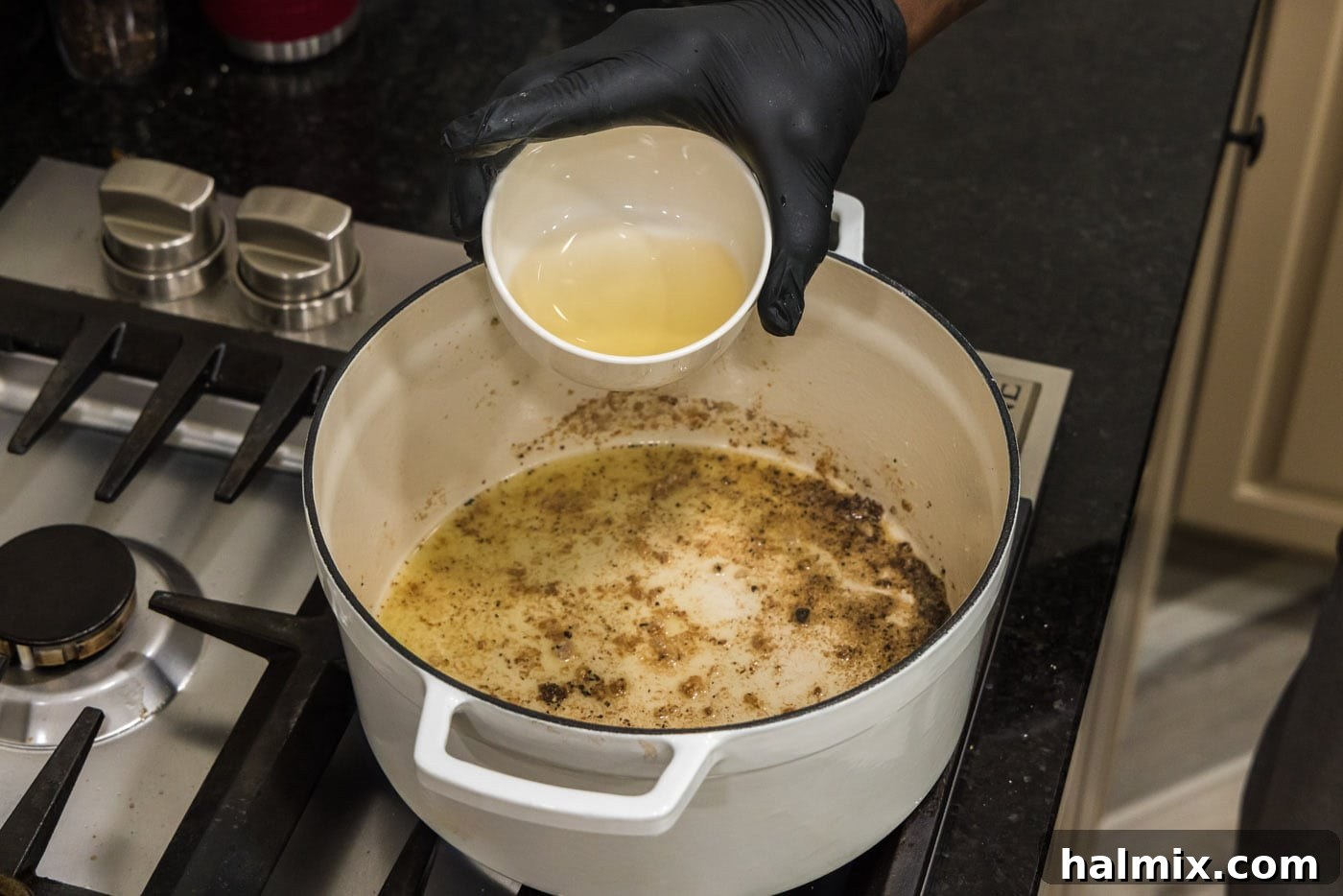
- Deglaze the Pan: Carefully pour ¼ cup of dry white wine into the hot Dutch oven. Use a wooden spoon or spatula to scrape up all the flavorful brown bits (fond) stuck to the bottom of the pan. This process of deglazing adds immense depth to your braising liquid.
-
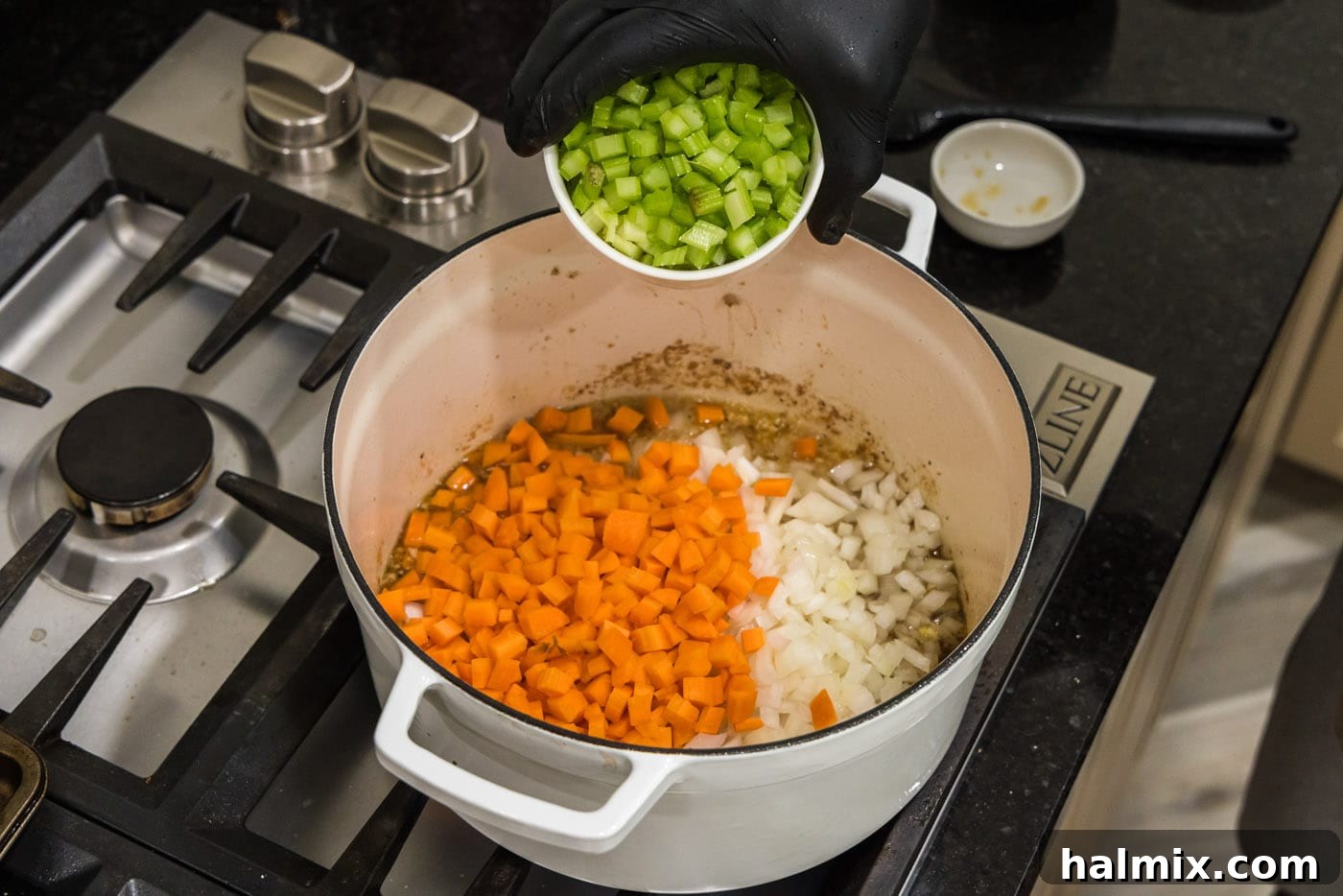
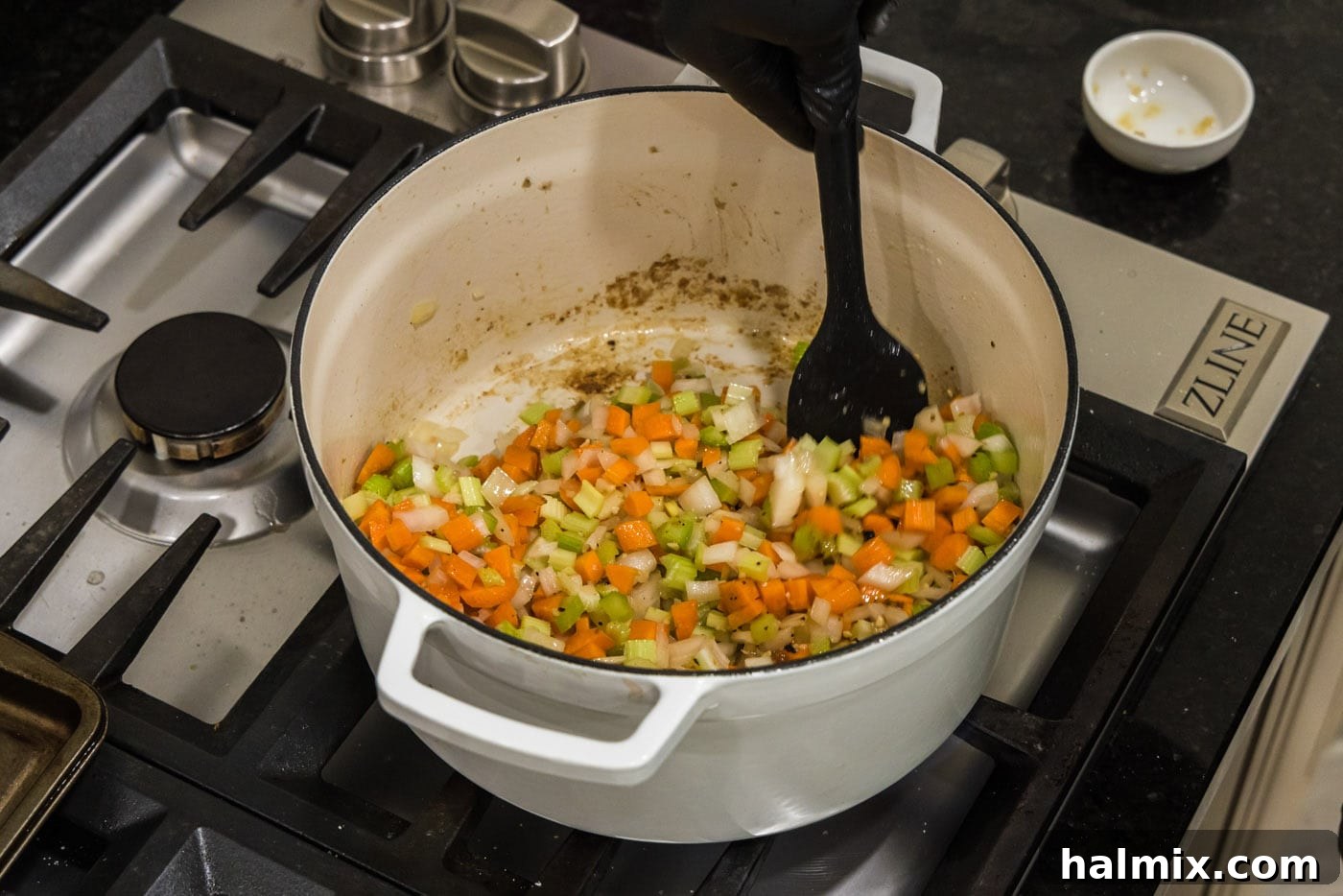
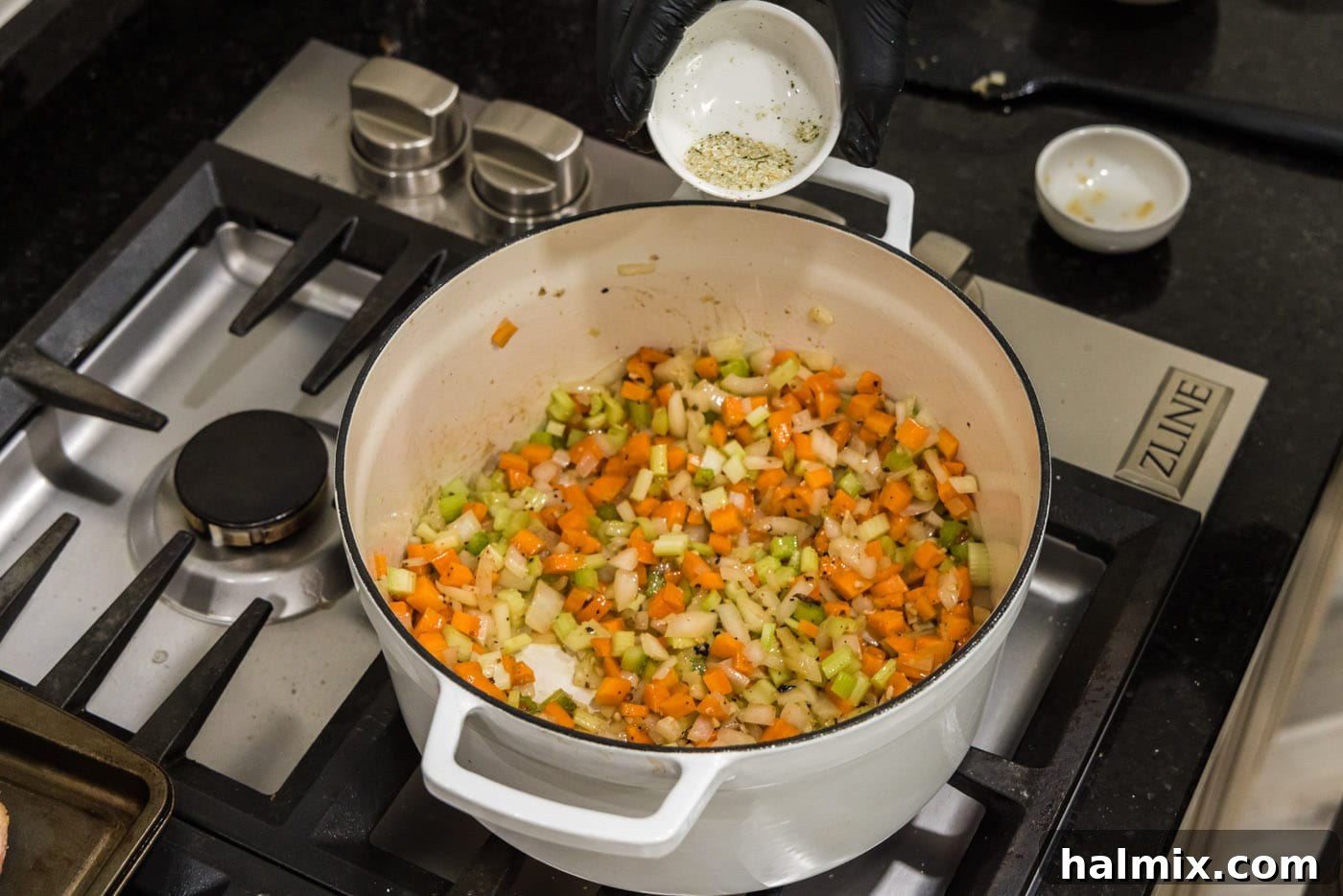
- Sauté Aromatics: As the wine gently boils, add 1 tablespoon of minced garlic, 1 cup of chopped onion, 1 cup of chopped carrots, and 1 cup of chopped celery to the pan. Stir the vegetables well, allowing them to cook for 4-5 minutes, or until they begin to soften and become fragrant.
-
- Season Vegetables: Season the sautéed vegetables with additional garlic salt to taste.
-
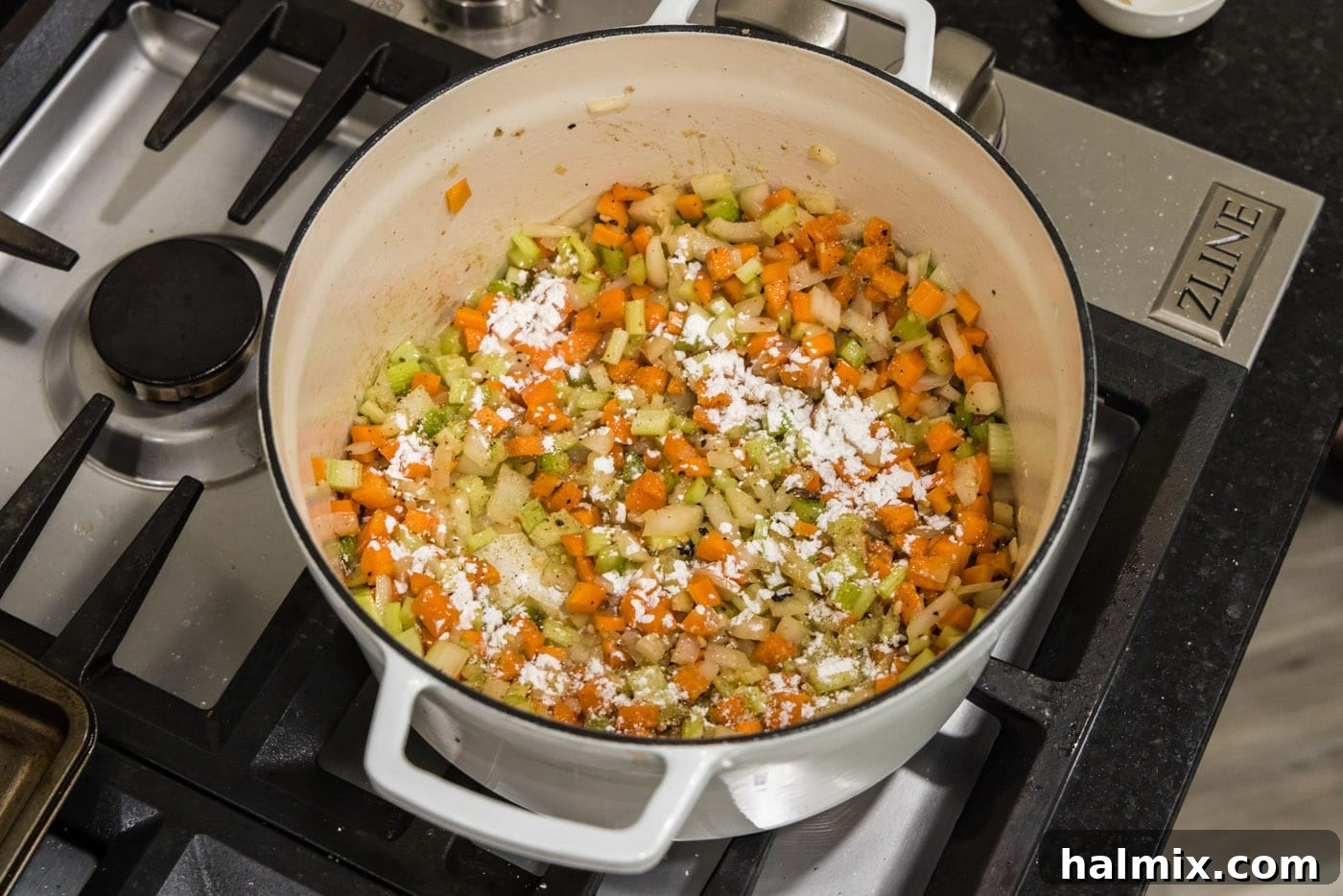
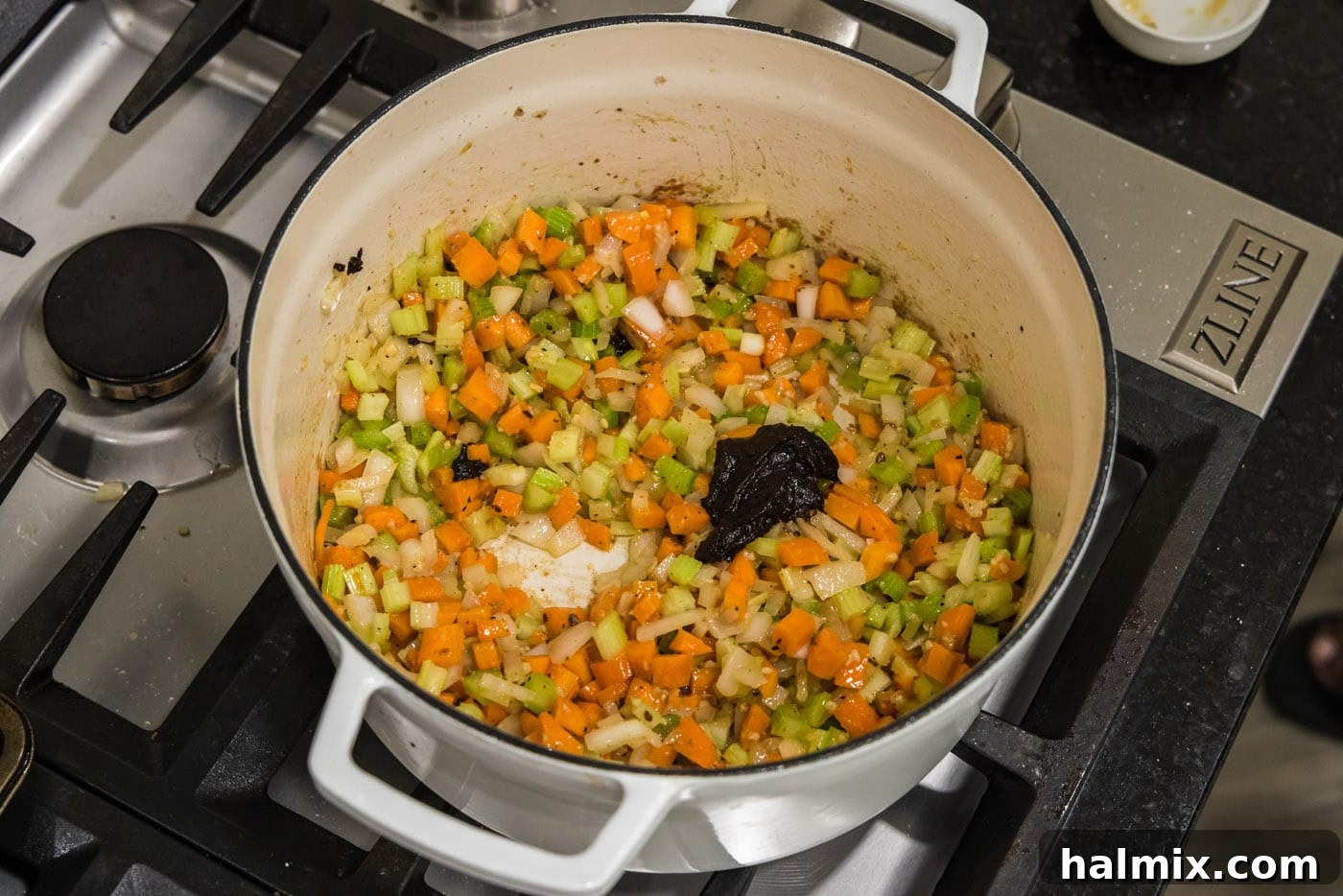
- Thicken and Flavor the Sauce Base: Sprinkle the remaining cornstarch over the vegetables and stir to combine thoroughly. Then, add 1 tablespoon of jarred beef base, stirring well to ensure it dissolves and is evenly distributed. This will help thicken the sauce and infuse it with a rich beef flavor.
-
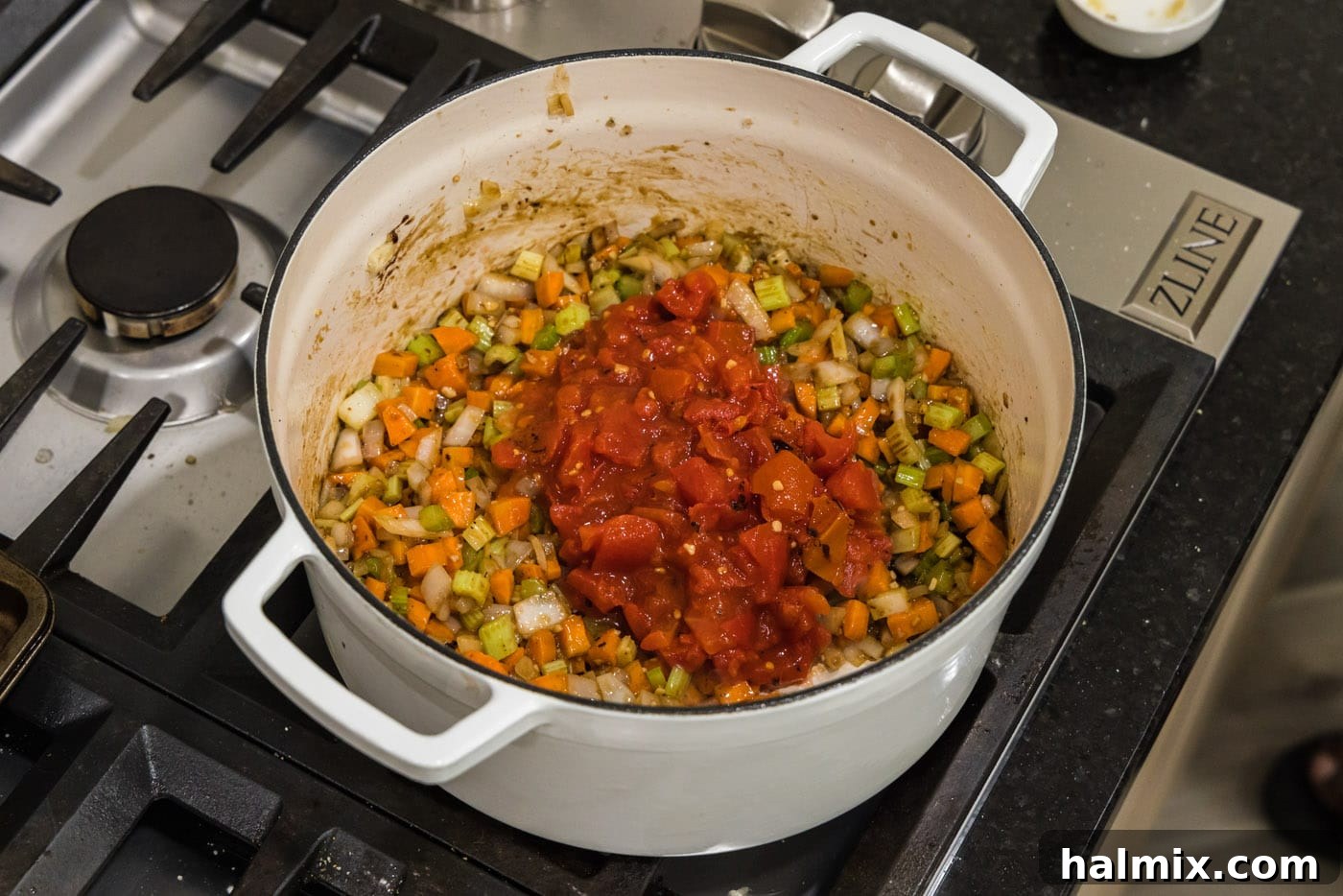
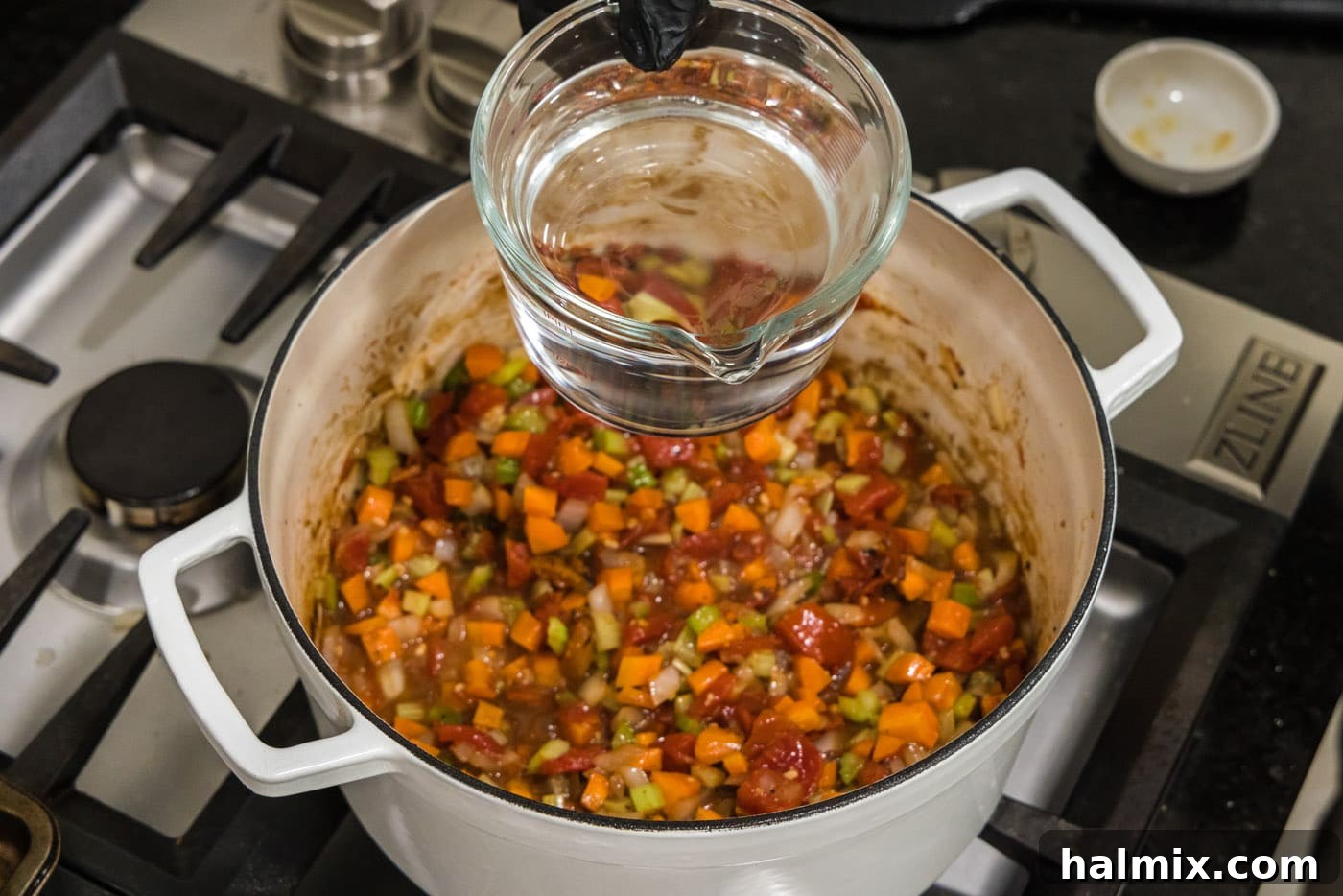
- Add Liquids and Return Beef: Stir in 14 ounces of canned diced tomatoes (do not drain) and ¾ cup of water. Bring the mixture to a gentle simmer. Carefully nestle the seared beef shanks back into the pan, ensuring they are mostly submerged in the liquid.
-
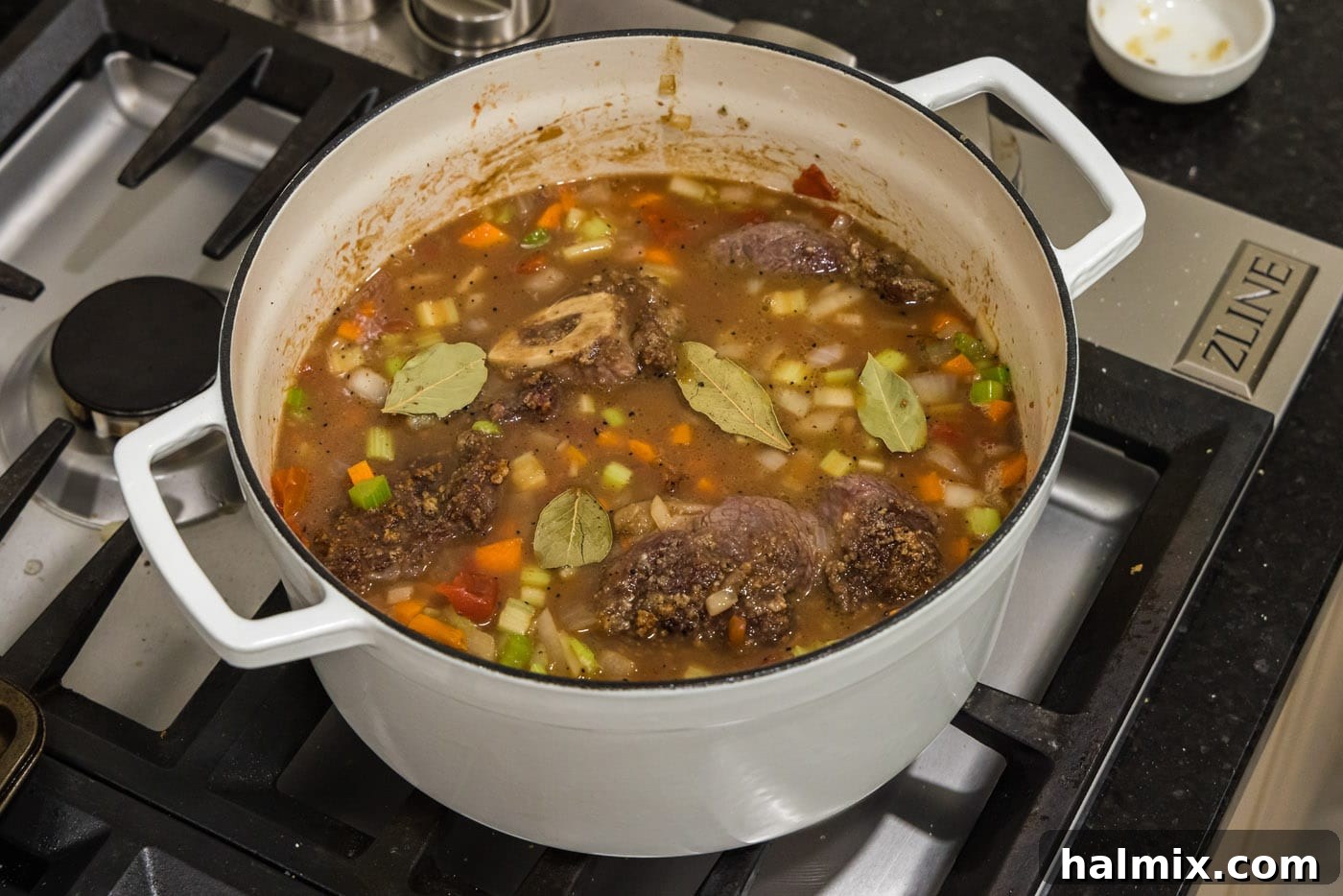
- Braise in Oven: Add 4 bay leaves to the pan, then securely place the lid on the Dutch oven. Transfer the pot to your preheated oven and bake for 3 hours. The long, slow cooking time will ensure the beef shanks become incredibly tender and infused with flavor.
-
Frequently Asked Questions & Expert Tips
Once cooled, any leftover braised beef shanks should be transferred to an airtight container and stored in the refrigerator. They will remain delicious for 3-4 days. The flavors often deepen overnight, making them even better the next day!
Absolutely! Veal shanks are an excellent alternative and are used in the classic osso buco recipe. If using veal, you might find the cooking time to be slightly shorter as veal can be more delicate. For a dedicated recipe, you may want to check out our veal osso buco recipe, which requires mostly the same ingredients with a slightly adjusted cook time.
Yes, this recipe can be adapted for a slow cooker or Instant Pot. For a slow cooker, follow the searing and deglazing steps on the stovetop, then transfer everything to the slow cooker and cook on low for 6-8 hours or on high for 3-4 hours, until the meat is fork-tender. For an Instant Pot, use the sauté function to sear the beef and cook the aromatics, deglaze, then add all ingredients, seal, and cook on high pressure for about 60-70 minutes, followed by a natural pressure release. Always ensure the liquid level is appropriate for your appliance.
The cornstarch used in the recipe should provide a good consistency. However, if you prefer a thicker sauce, after the braising is complete and you’ve removed the shanks, you can create a slurry with 1 tablespoon of cornstarch mixed with 2 tablespoons of cold water. Whisk this into the simmering sauce in the Dutch oven on the stovetop and cook for a few minutes until it thickens to your desired consistency.
Yes, braised beef shanks freeze exceptionally well! Allow the dish to cool completely. Transfer the shanks and sauce to freezer-safe containers, ensuring there’s minimal air exposure. It can be stored in the freezer for up to 3 months. Thaw overnight in the refrigerator and reheat gently on the stovetop or in the oven until warmed through.
Delightful Serving Suggestions
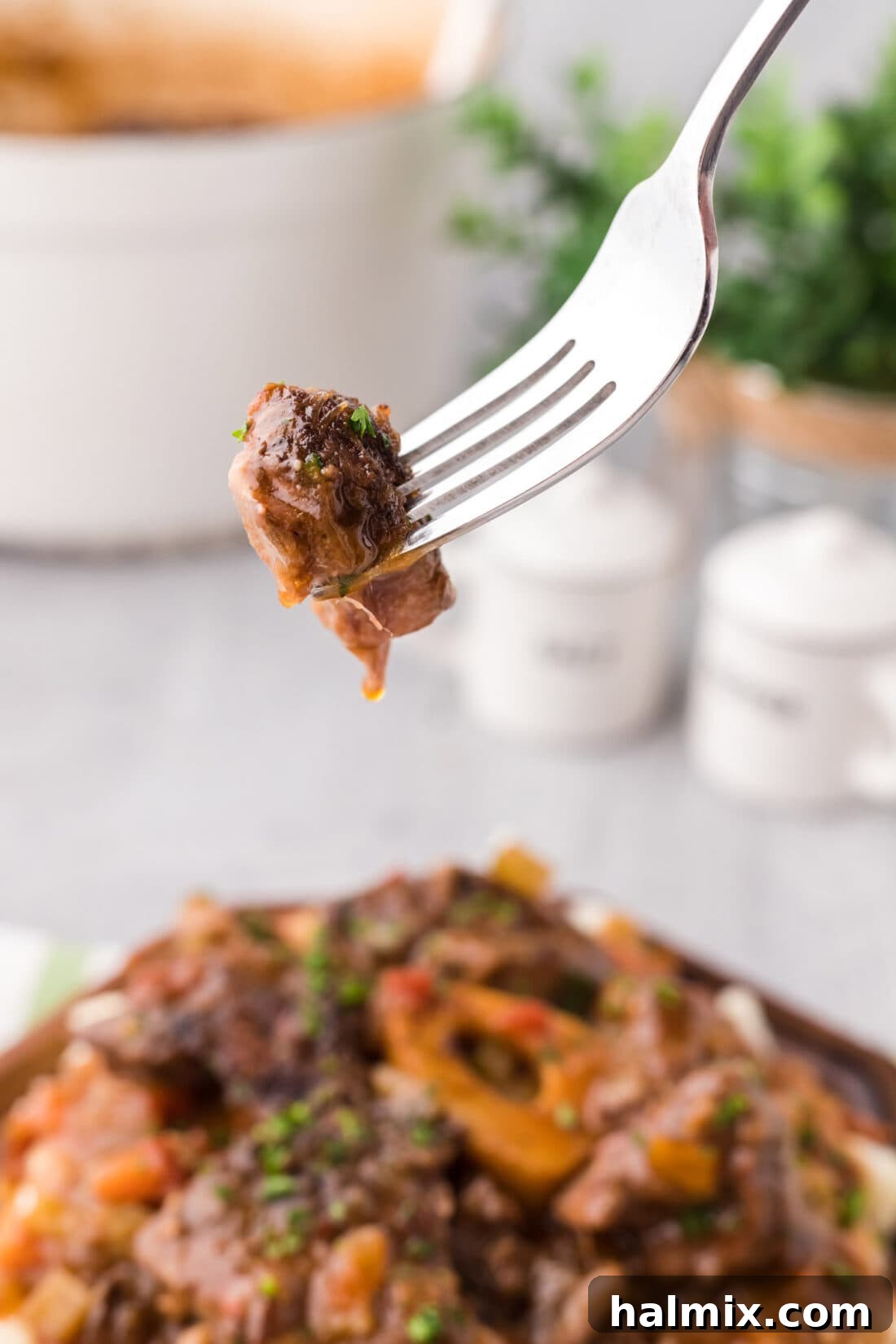
Braised beef shanks, much like traditional osso buco, pair beautifully with a variety of starchy sides that can soak up the rich, savory braising liquid. The most classic accompaniments include creamy polenta or a luxurious saffron risotto, which provide an elegant base for the tender meat and sauce. However, for a comforting and equally delicious meal, consider serving your braised beef shanks over fluffy mashed potatoes, perfectly cooked rice, or even a hearty pasta. Don’t forget to generously spoon that incredible, flavor-packed braising liquid over the top of your finished dish – it’s truly the soul of this meal!
For an added touch of freshness and contrast, a sprinkle of fresh chopped parsley or a gremolata (a zestful condiment made from lemon zest, garlic, and parsley) can brighten the rich flavors. A side of crusty bread is also highly recommended for soaking up every last drop of the glorious sauce.
More Irresistible Beef Recipes to Explore
If you loved the depth of flavor in these braised beef shanks, you’re in for a treat! Discover more of our favorite beef recipes that are sure to impress:
- Classic Braised Beef
- Flavorful Beef Bulgogi
- Elegant Beef Bourguignon
- Hearty Beef Tips and Gravy
- Comforting Beef Stew Biscuit Pot Pie
- Rich Braised Oxtail
I love to bake and cook and share my kitchen experience with all of you! Remembering to come back each day can be tough, that’s why I offer a convenient newsletter every time a new recipe posts. Simply subscribe and start receiving your free daily recipes!
Braised Beef Shanks Recipe
Braised beef shanks take an otherwise tough cut of beef and transform it into a mouth-watering tender experience when cooked low and slow.

Recipe Details
- Course: Dinner
- Cuisine: American, Italian
- Servings: 4 servings
- Total Time: 3 hours 25 minutes
- Calories: 470 per serving
- Author: Amanda Davis
Ingredients
- 2 ½ pounds beef shanks (about 4 shanks)
- Garlic salt, to taste
- ½ cup cornstarch, divided
- 4 Tablespoons olive oil
- ¼ cup dry white wine
- 1 Tablespoon minced garlic
- 1 cup chopped onion
- 1 cup chopped carrots
- 1 cup chopped celery
- 1 Tablespoon jarred beef base
- 14 ounces canned diced tomatoes, do not drain
- ¾ cup water
- 4 bay leaves
Equipment You’ll Need
- Dutch oven (oven safe, 5-6 quarts or larger)
- Tongs
- Vinyl gloves (optional, for handling meat)
Before You Begin: Helpful Notes
- Braised beef shanks are traditionally served over polenta or risotto, but are also excellent with mashed potatoes or rice.
- The meat will be incredibly tender and will easily fall off the bone when done. Use a spatula or large slotted spoon to carefully remove the meat from the pan.
- Store any cooled leftovers in an airtight container in the refrigerator for 3-4 days.
Instructions
- Preheat oven to 325 F.
- Season both sides of beef shanks with garlic salt, to taste.
- Place cornstarch in a shallow dish or on a plate. Press both sides of the shanks into the cornstarch. Do not discard remaining cornstarch.
- Heat olive oil in a Dutch oven over medium-high heat until shimmering. Place prepared shanks into the hot oil (you will likely have to work in batches) and cook for about 3 minutes per side, turning to brown evenly. Remove and set aside, repeating for additional shanks.
- Deglaze the pan by adding white wine and stirring to remove any brown bits from the bottom.
- As contents of the pan begin to boil, add the minced garlic, chopped onion, chopped carrots, and chopped celery. Stir together and cook for 4-5 minutes, or until tender.
- Season the vegetables to taste with garlic salt.
- Sprinkle with remaining cornstarch. Add beef base, stir to combine well.
- Stir in canned diced tomatoes and water. Add beef shanks back to the pan, nestling them in so that they are mostly submerged.
- Add bay leaves and place the lid on the pan. Bake for 3 hours.
Nutrition Information (Approximate)
Serving: 1 serving (1 shank)
- Calories: 470 cal
- Carbohydrates: 27 g
- Protein: 39 g
- Fat: 21 g
- Saturated Fat: 4 g
- Polyunsaturated Fat: 2 g
- Monounsaturated Fat: 13 g
- Cholesterol: 66 mg
- Sodium: 598 mg
- Potassium: 1096 mg
- Fiber: 3 g
- Sugar: 6 g
- Vitamin A: 5583 IU
- Vitamin C: 16 mg
- Calcium: 103 mg
- Iron: 5 mg
Tried this Recipe? Pin it for Later!
Follow on Pinterest @AmandasCookin or tag #AmandasCookin!
The recipes on this blog are tested with a conventional gas oven and gas stovetop. It’s important to note that some ovens, especially as they age, can cook and bake inconsistently. Using an inexpensive oven thermometer can assure you that your oven is truly heating to the proper temperature. If you use a toaster oven or countertop oven, please keep in mind that they may not distribute heat the same as a conventional full-sized oven and you may need to adjust your cooking/baking times. In the case of recipes made with a pressure cooker, air fryer, slow cooker, or other appliance, a link to the appliances we use is listed within each respective recipe. For baking recipes where measurements are given by weight, please note that results may not be the same if cups are used instead, and we can’t guarantee success with that method.