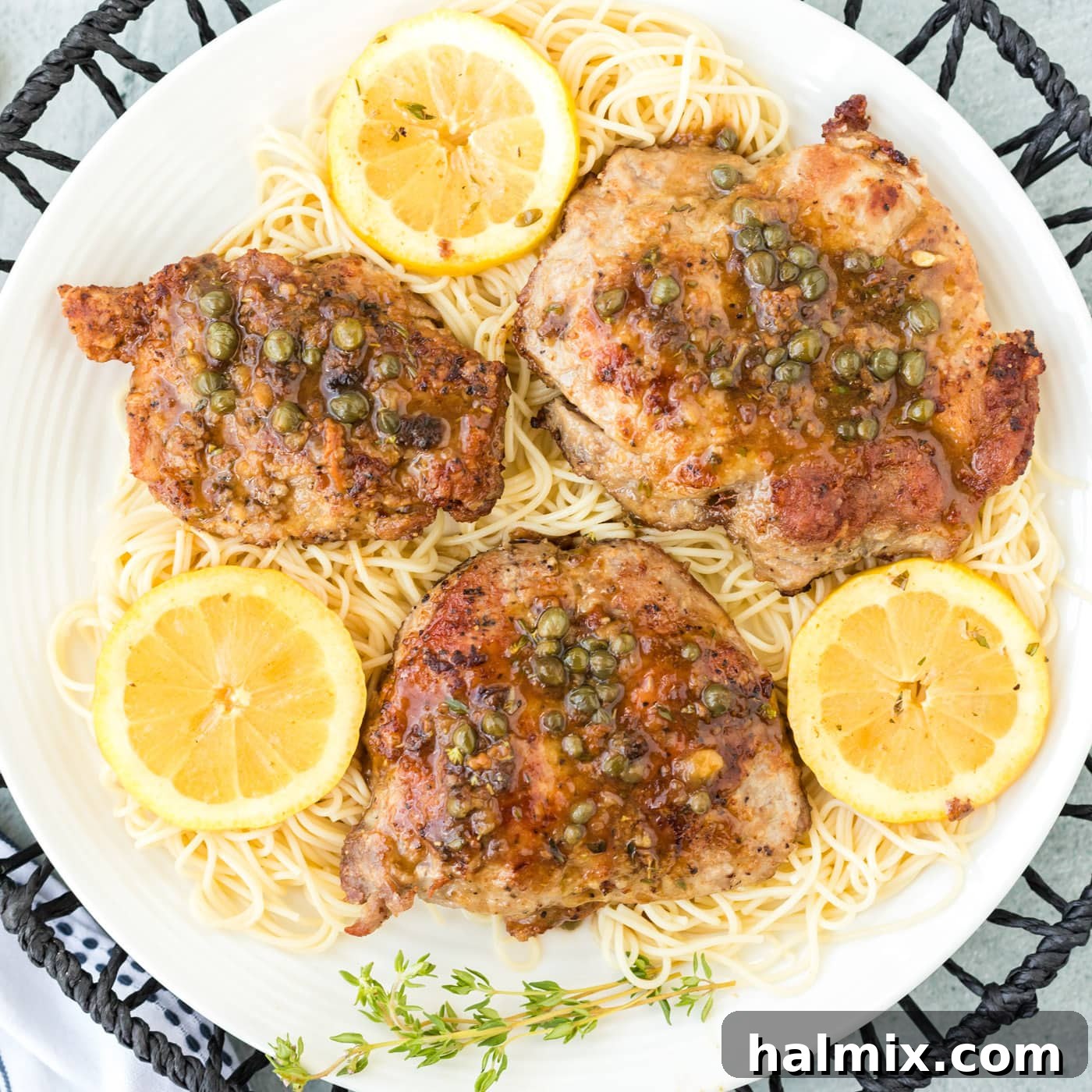
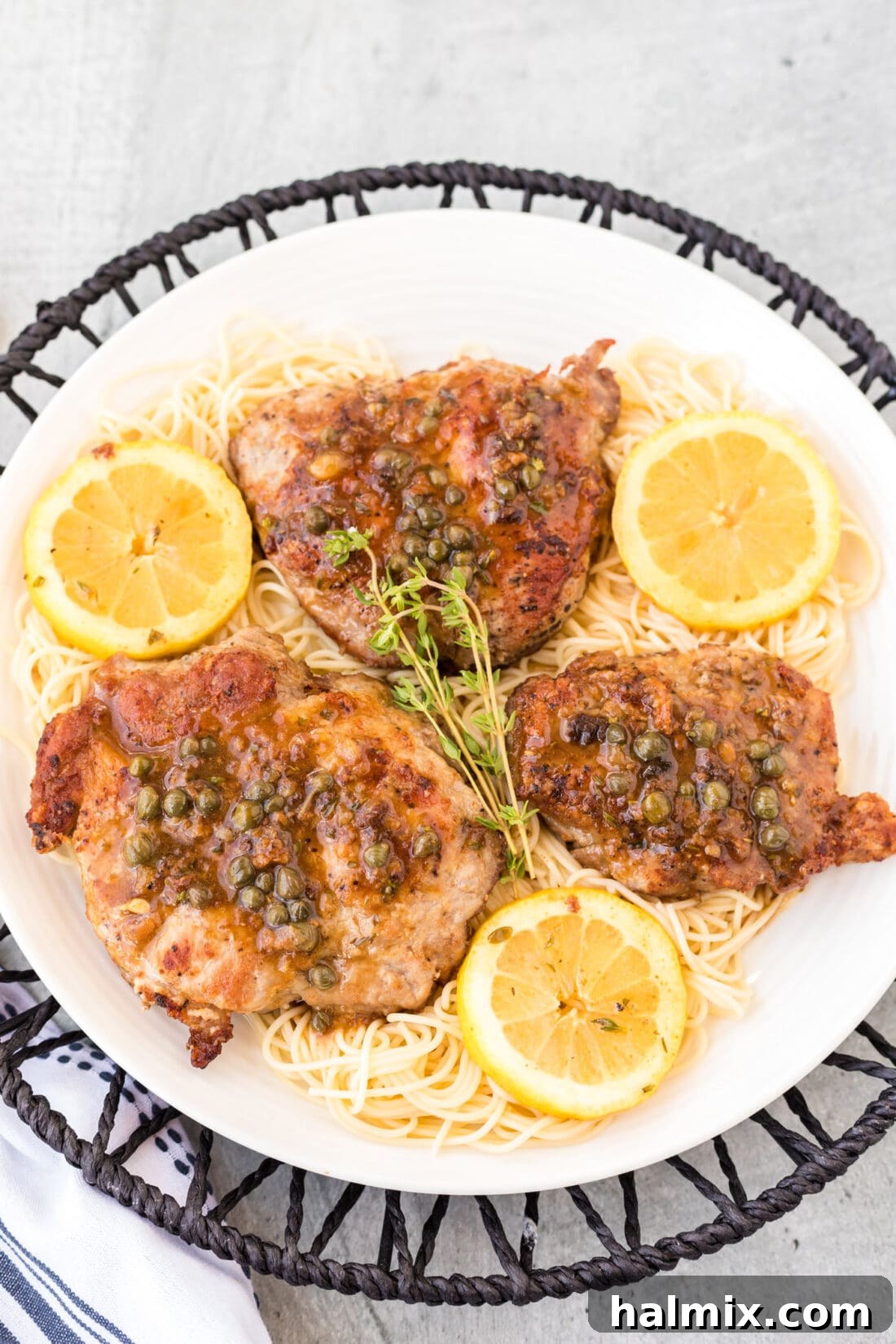
Welcome to the enchanting world of Veal Piccata, a classic Italian-American dish that effortlessly transforms any meal into a gourmet experience. This recipe promises tender veal, pan-seared to golden perfection, then bathed in a luxurious sauce bursting with the zesty brightness of lemon, the briny punch of capers, and the aromatic warmth of fresh thyme and white wine. It’s a dish that sounds sophisticated, but we’re here to show you just how simple and satisfying it is to create right in your own kitchen.
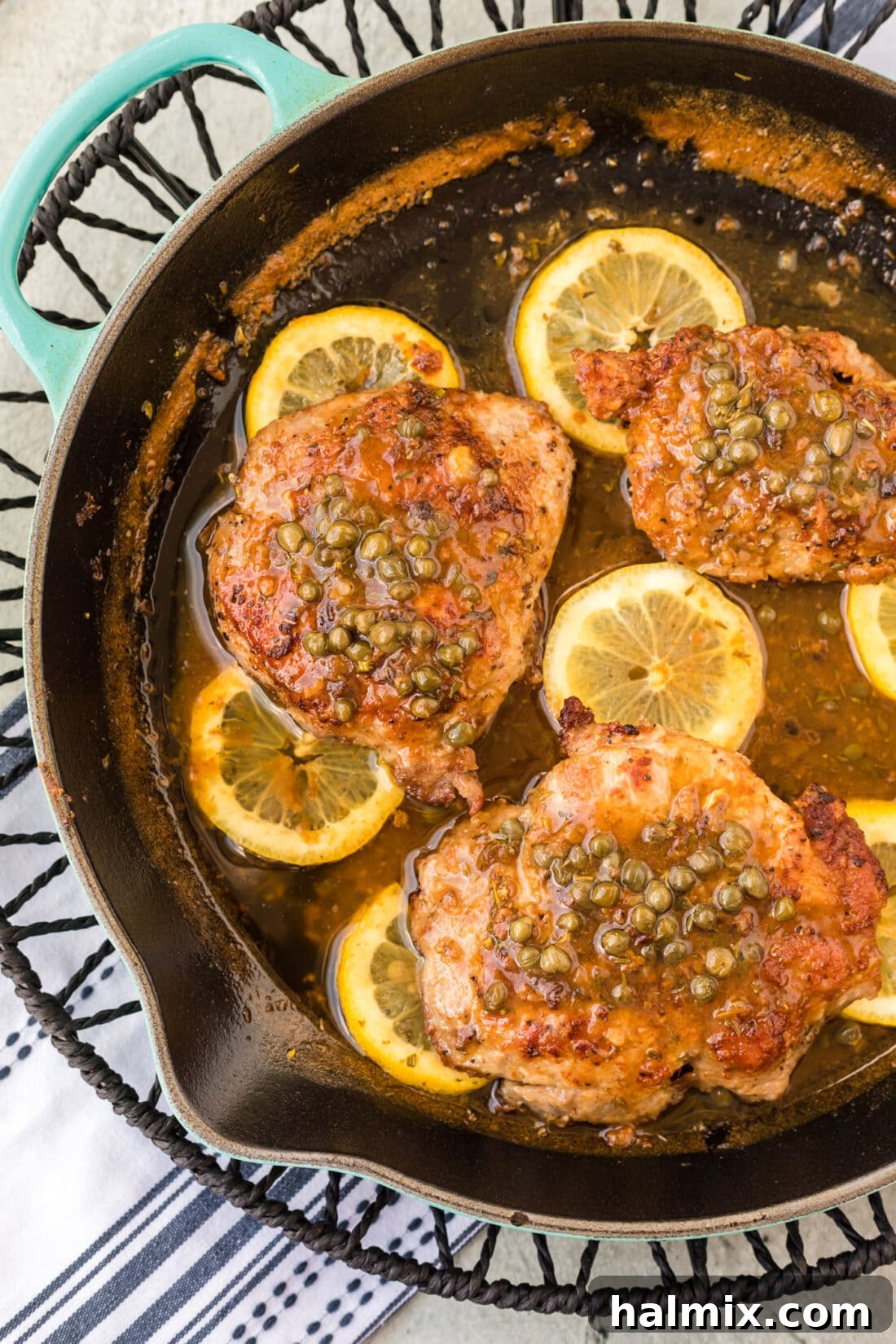
The Allure of Veal Piccata: A Gourmet Dish Made Simple
Veal Piccata stands as a testament to the idea that truly impressive meals don’t have to be complicated. Originating from Italy, the term “piccata” refers to a dish prepared by slicing meat, often veal, chicken, or fish, pounding it thin, and then pan-frying it before serving it in a sauce containing lemon, butter, and capers. Over time, particularly in Italian-American cuisine, this dish evolved into the beloved staple we recognize today, often enjoyed as a centerpiece for celebratory dinners or simply as an elevated weeknight meal.
Our rendition of Veal Piccata celebrates its inherent elegance while emphasizing ease of preparation. We guide you through creating a dish that’s rich in flavor, visually appealing, and comes together remarkably quickly. The magic happens as delicate veal cutlets are lightly floured and seared to a beautiful golden brown, locking in their natural juiciness. This initial step is crucial for building a flavorful foundation for the exquisite sauce. Following this, the pan is deglazed, and a symphony of ingredients – savory capers, bright lemon juice, a touch of rich butter, fragrant white wine, and robust chicken stock – are introduced. These ingredients simmer down with fresh thyme, marrying together to form a buttery, tangy, and deeply satisfying sauce that perfectly complements the tender veal.
You might be surprised at how effortlessly this restaurant-quality meal comes together. It’s a dish that truly works for busy home cooks who want to achieve professional results without spending hours in the kitchen. For those who prefer chicken, don’t miss our equally delicious chicken piccata recipe, offering a fantastic alternative with the same vibrant flavors!
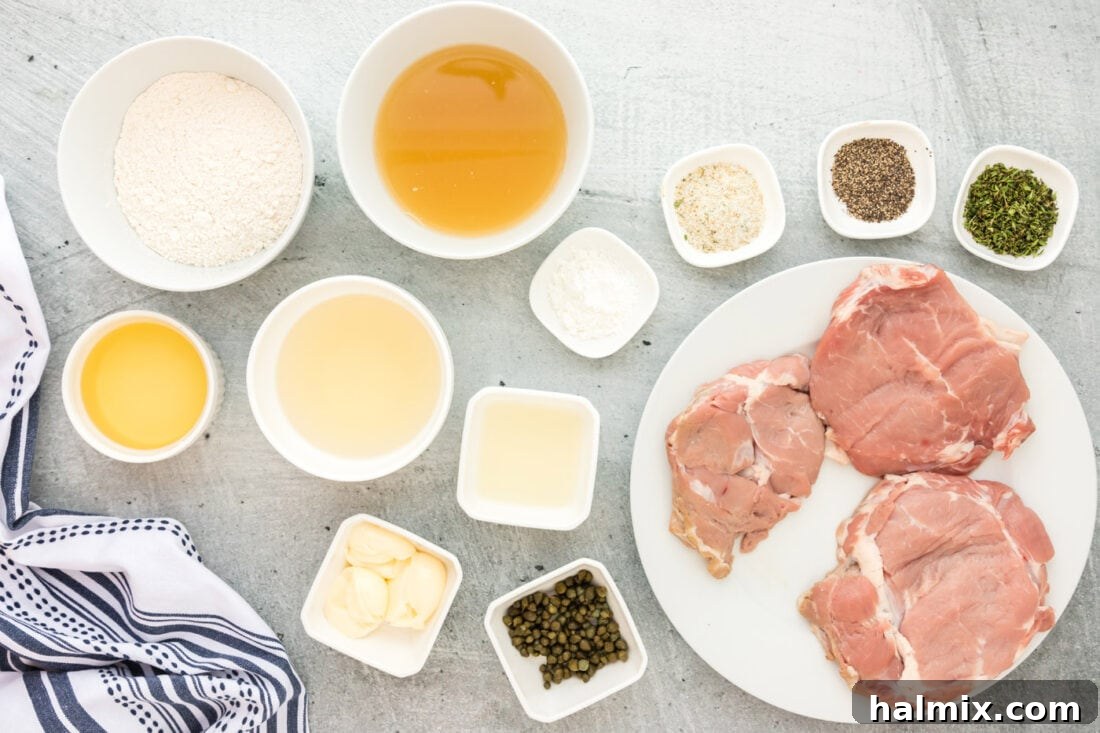
Understanding Your Ingredients: What You Will Need for Perfection
The beauty of Veal Piccata lies in the quality and interaction of a few simple ingredients. Choosing the best components ensures a truly exceptional dish. Here’s a closer look at what you’ll need to create this culinary masterpiece:
Ingredient Info and Substitution Suggestions
- VEAL: We recommend using thinly sliced veal cutlets, typically from the leg or shoulder. While many traditional piccata recipes call for pounding the veal cutlets flat, we prefer ours a bit thicker for a more substantial bite and to retain maximum juiciness. If you like your veal very thin and tender, feel free to use a meat mallet to gently pound the cutlets to about ¼-inch thickness. This isn’t a strict requirement for “piccata,” which more broadly refers to the cooking method in a lemon-butter-caper sauce.
- SEASONING: A simple blend of garlic salt and freshly ground black pepper is all you need to enhance the veal’s natural flavor. For a more robust garlic flavor, you can use garlic powder and regular salt separately.
- FLOUR: All-purpose flour is used to dredge the veal. This light coating helps create a beautiful golden crust when seared and also aids in slightly thickening the sauce. For a gluten-free option, you can substitute with a gluten-free all-purpose flour blend.
- OLIVE OIL: Used for searing the veal cutlets. Choose a good quality extra virgin olive oil for best flavor, but any high-quality olive oil will work.
- CHICKEN BROTH: This forms the savory base of our piccata sauce. We prefer chicken broth for its mild flavor that doesn’t overpower the veal or the brighter elements of the sauce. However, if you prefer a richer, deeper flavor, beef stock can be used as a substitute. Ensure you use a low-sodium broth to control the overall saltiness of the dish.
- DRY WHITE WINE: The wine adds a crucial layer of acidity and complexity to the sauce. Excellent choices include Chardonnay, Pinot Grigio, Sauvignon Blanc, or other crisp, unoaked dry white wines. Always use a wine you would enjoy drinking, as “cooking wines” often contain added salt and preservatives that can detract from the dish’s flavor. If you prefer to omit alcohol, a good quality non-alcoholic white wine or additional chicken broth with a splash of white wine vinegar can be used.
- CAPERS: These small, briny flower buds are a signature ingredient in piccata, providing a delightful burst of salty, tangy flavor that cuts through the richness of the butter and veal. Use capers packed in brine, and be sure to drain them well before adding them to the sauce.
- LEMON JUICE: Freshly squeezed lemon juice is paramount for that bright, zingy finish that defines piccata. Bottled lemon juice simply won’t yield the same vibrant flavor. Don’t forget to zest a lemon for garnish if you wish, adding another layer of aromatic citrus.
- FRESH THYME: We opt for fresh thyme leaves for their delicate, earthy, and slightly floral notes, which are often more fragrant and complementary than traditional parsley in this context. If fresh thyme isn’t available, you can use about half the amount of dried thyme, but fresh is highly recommended for its superior aroma and flavor.
- UNSALTED BUTTER: Butter adds incredible richness and helps to emulsify the sauce, giving it a silky texture. Using unsalted butter allows you to control the seasoning precisely.
- CORNSTARCH: A small amount of cornstarch mixed into the sauce helps to thicken it slightly, giving it a beautiful, glossy consistency that clings perfectly to the veal.
How to Make Veal Piccata: A Step-by-Step Guide
These step-by-step photos and instructions are here to help you visualize how to make this recipe. You can jump to the full printable recipe card at the end of this post to get the complete list of measurements and instructions.
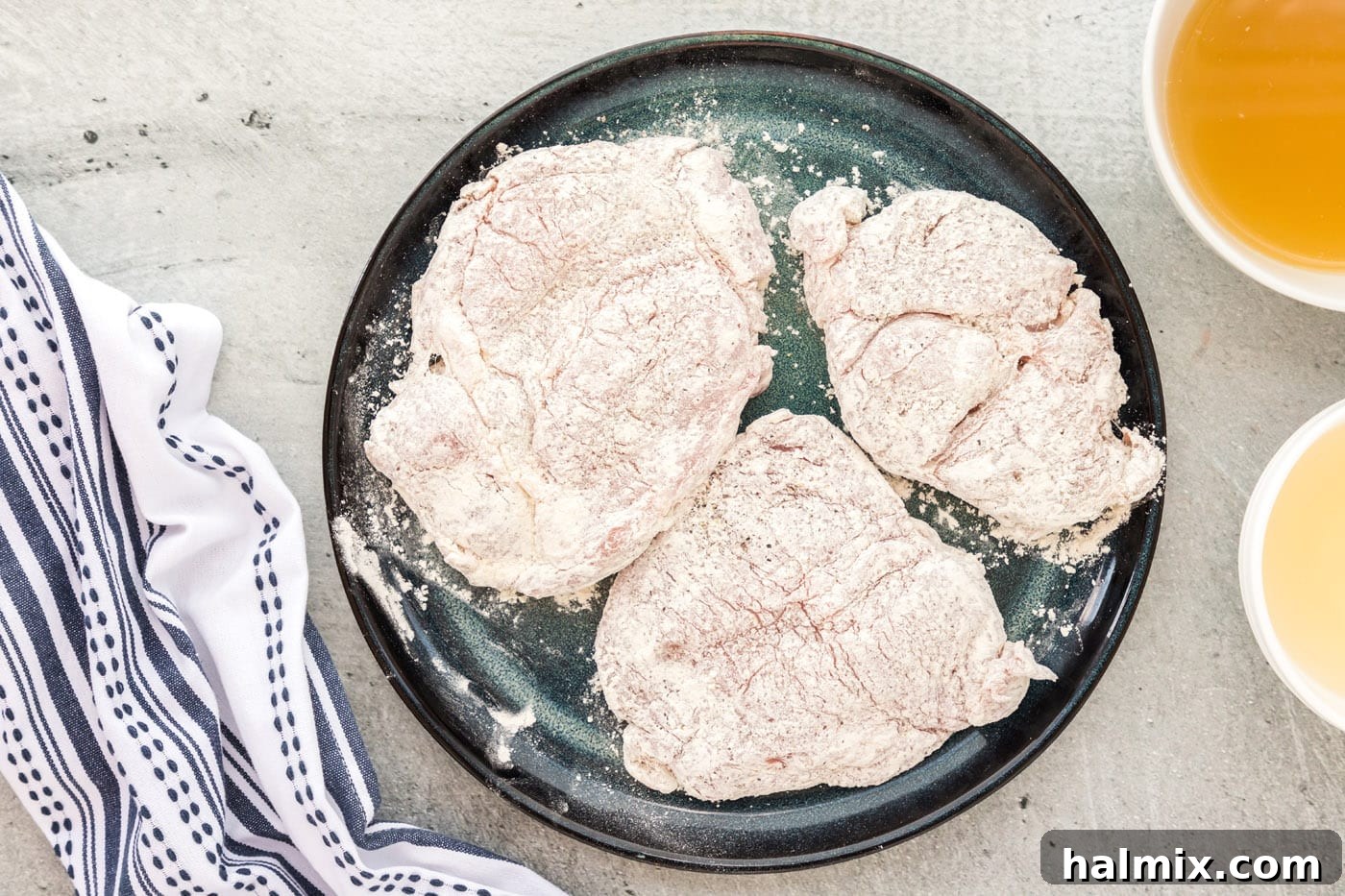
- Prepare the Veal: Begin by seasoning your veal cutlets generously on both sides with garlic salt and black pepper. Next, lightly dredge each cutlet in all-purpose flour, shaking off any excess. This thin coating helps create a crispy exterior and contributes to the sauce’s body.

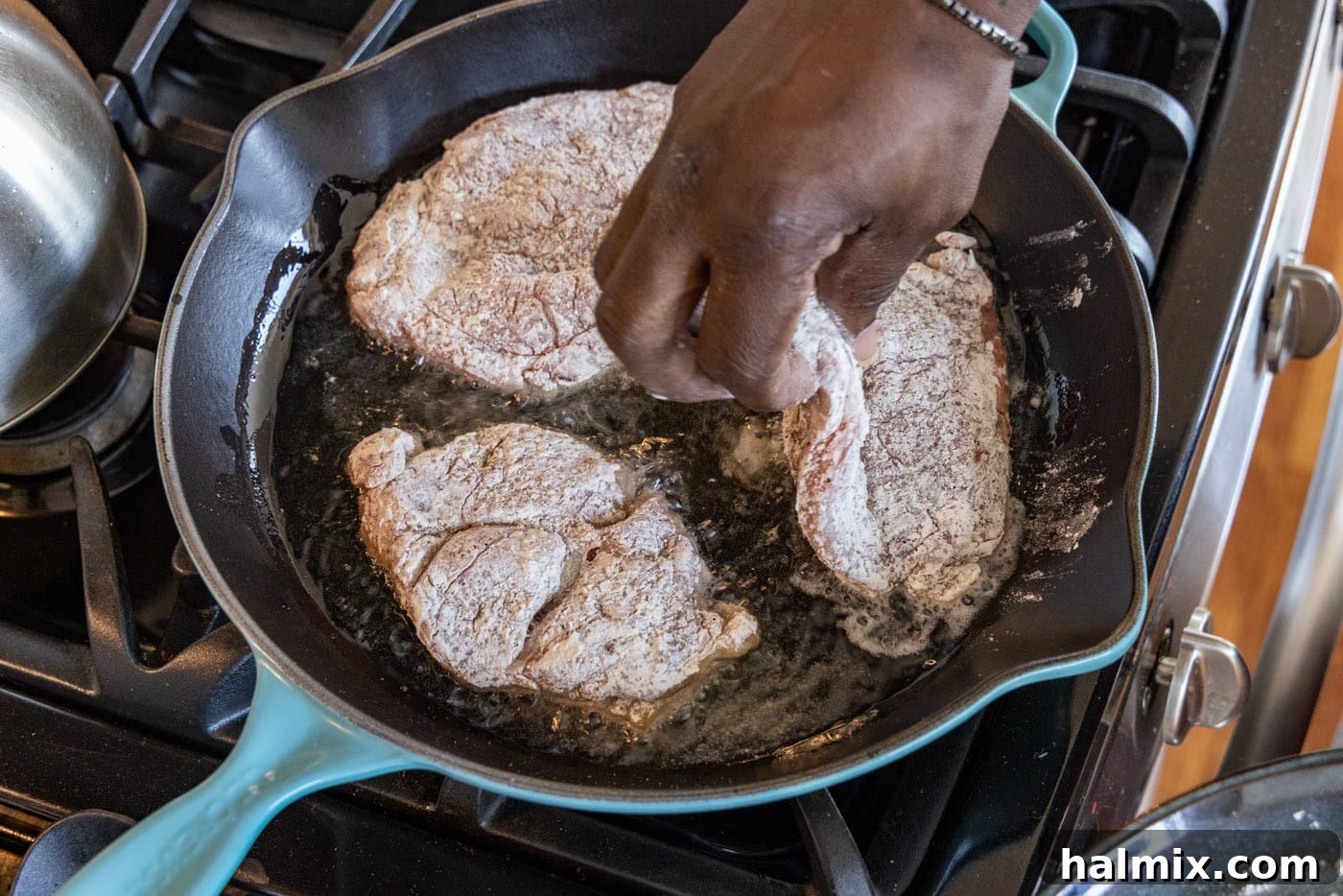
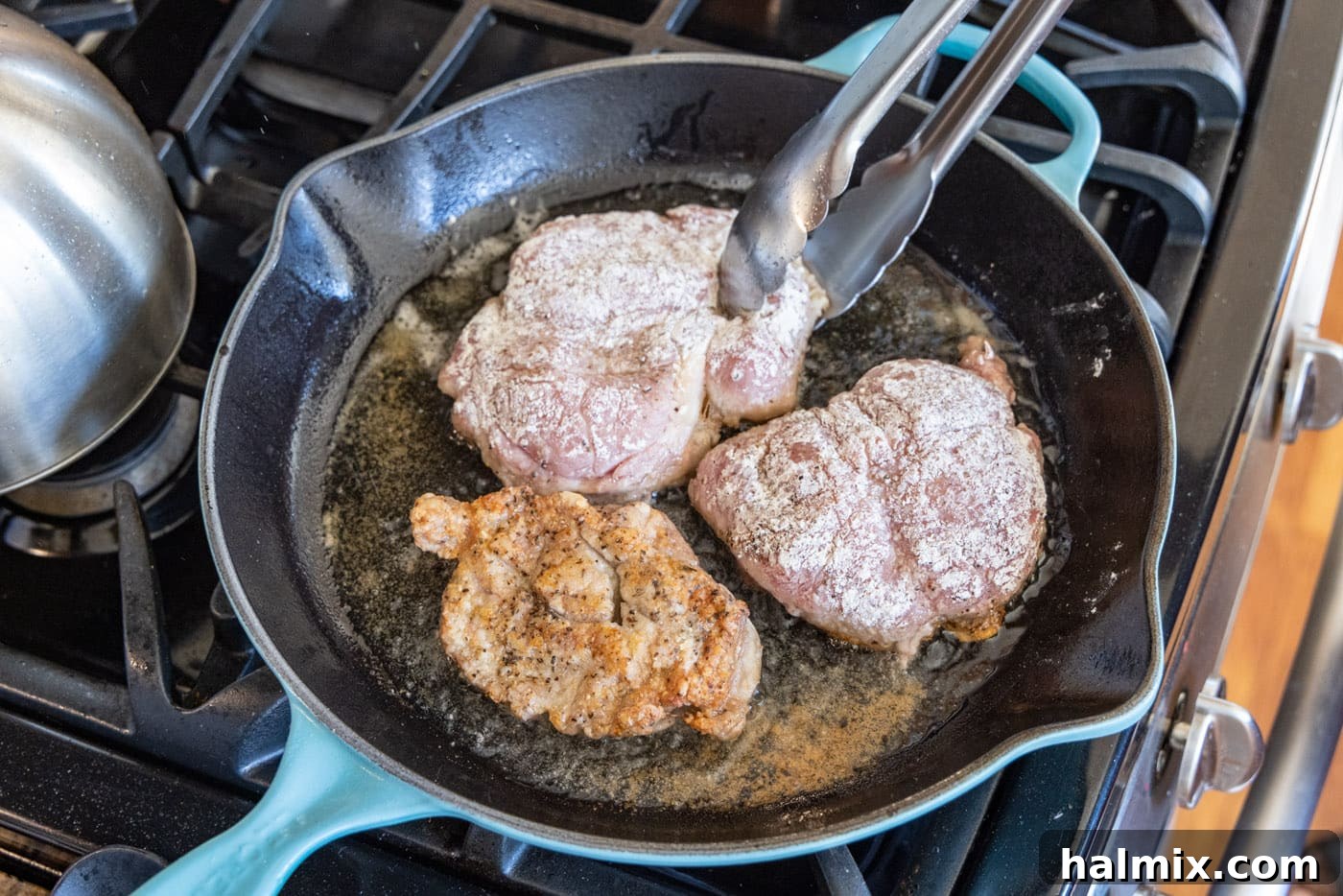
- Sear the Veal: Heat the olive oil in a large heavy-bottomed skillet over medium-high heat until it shimmers. Carefully add the floured veal cutlets to the hot oil in a single layer, making sure not to overcrowd the pan. Cook for 4-5 minutes per side, or until they are beautifully golden brown and cooked through. Remove the seared veal cutlets from the skillet and set them aside on a plate, keeping them warm while you prepare the sauce.
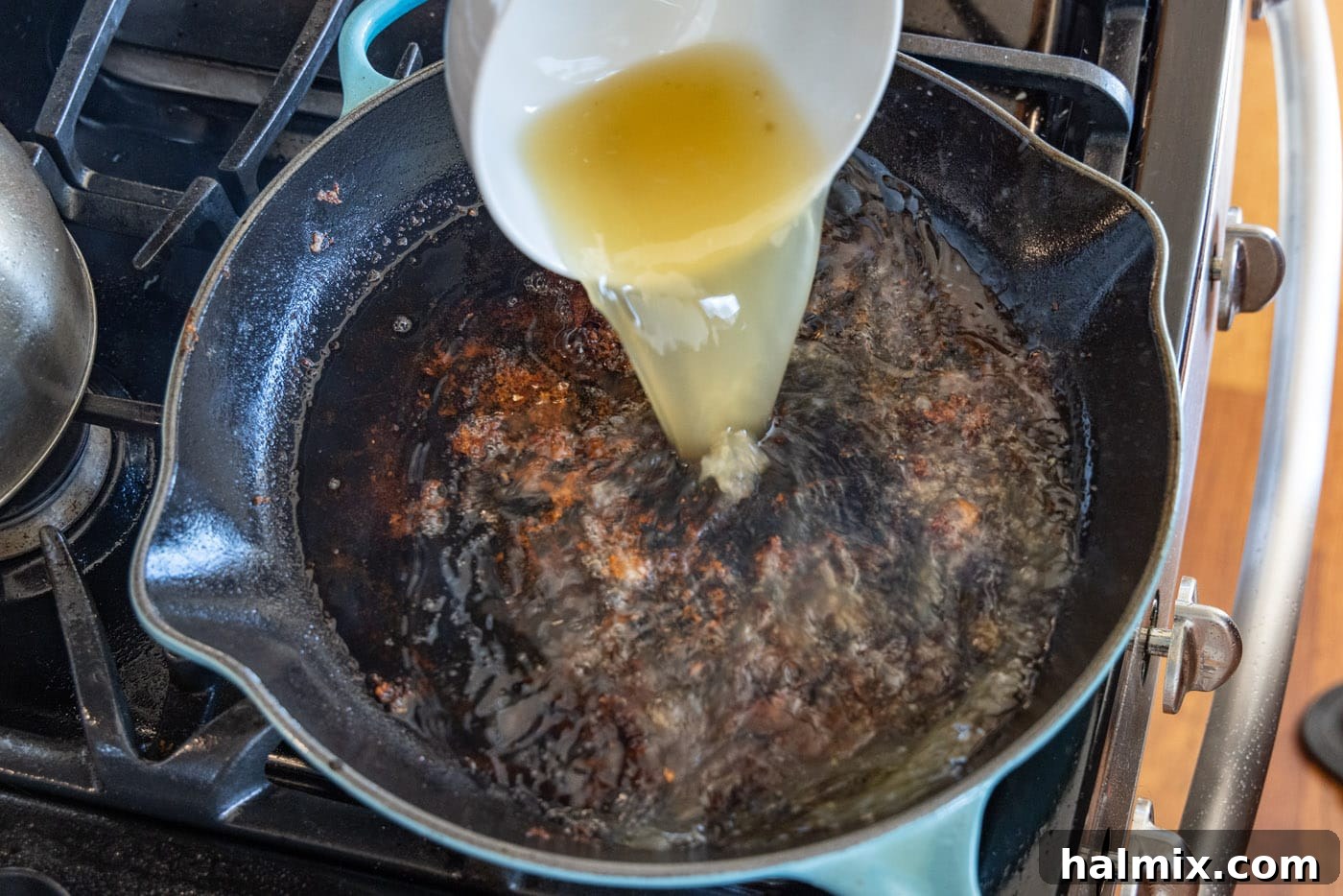
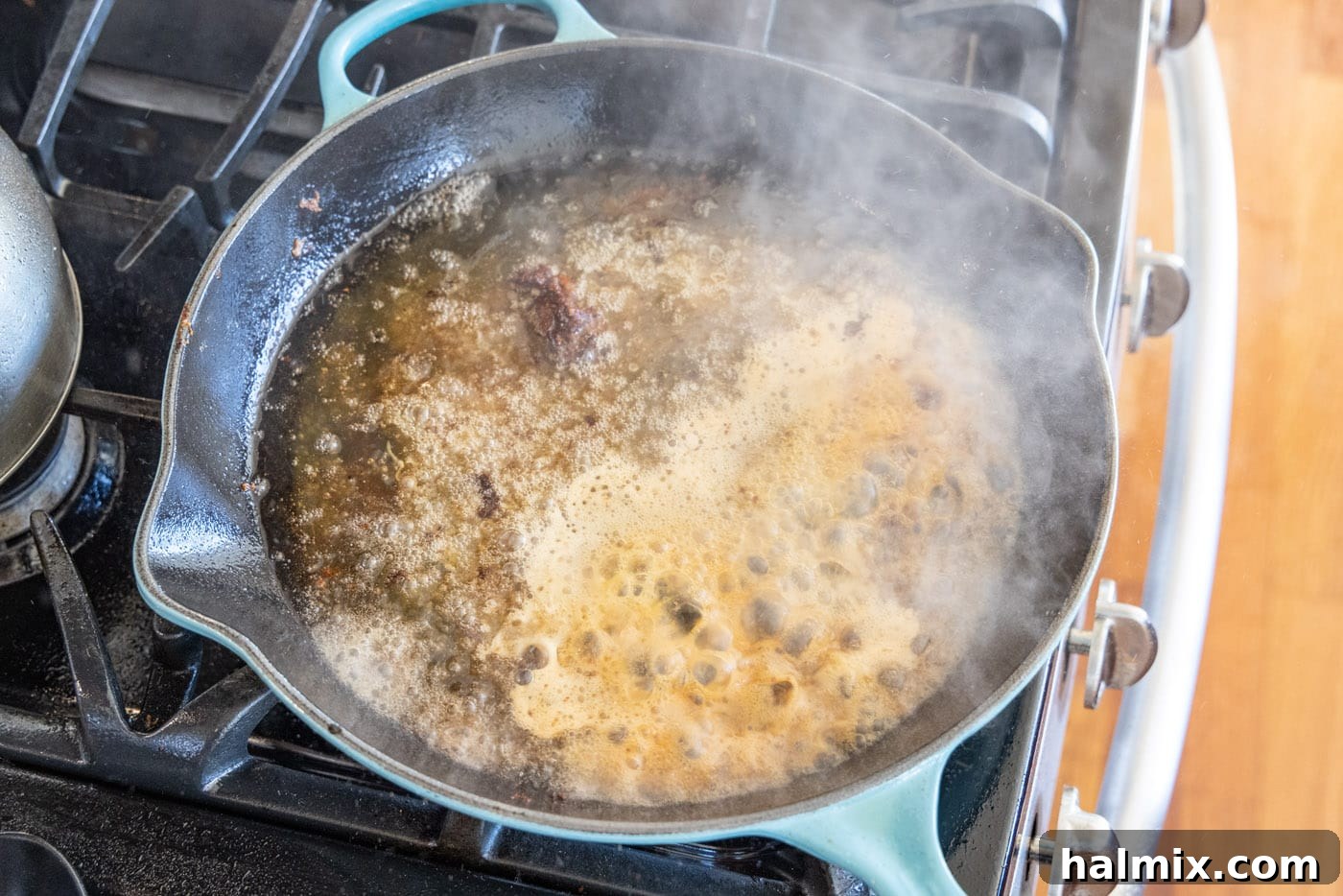
- Build the Sauce Base: Carefully pour out about half of the oil from the skillet, leaving behind any flavorful brown bits (fond) stuck to the bottom of the pan – these are key for a rich sauce. Add the chicken broth to the skillet, scraping up the browned bits with a wooden spoon or spatula. Bring the broth to a boil, allowing it to deglaze the pan and absorb all those delicious flavors.
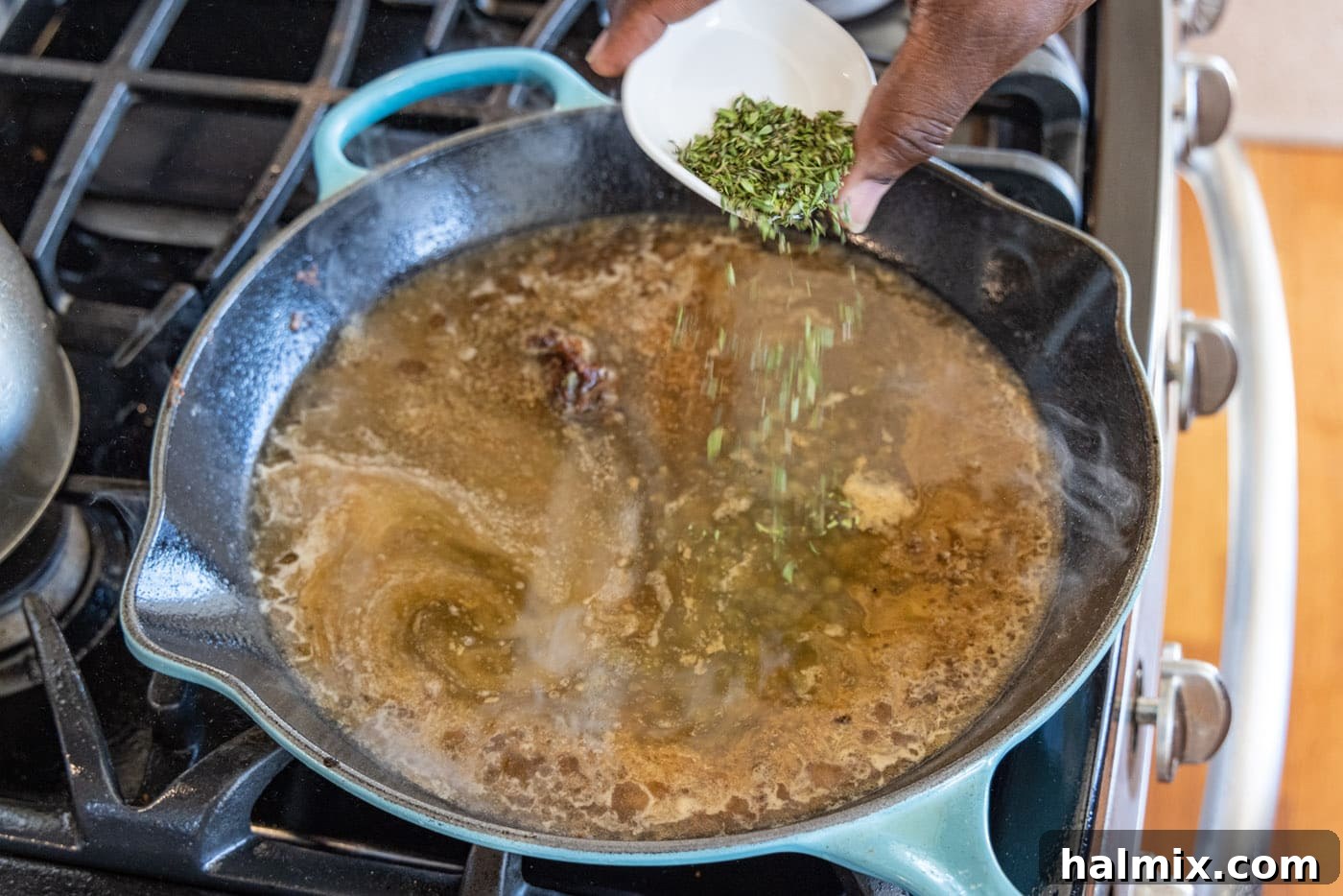
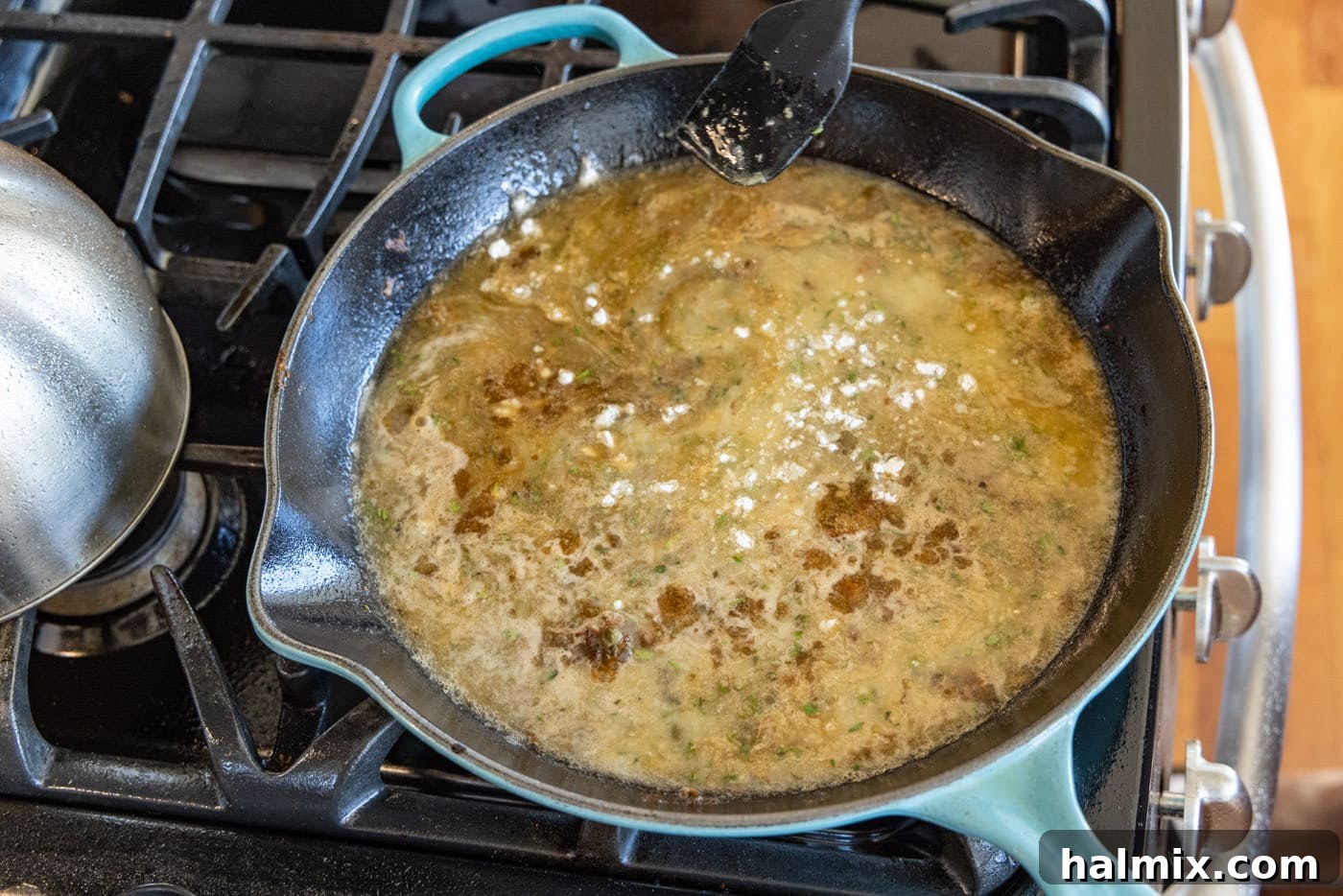
- Finish the Sauce and Combine: Reduce the heat to low. Stir in the white wine, capers, fresh lemon juice, fresh thyme, unsalted butter, and cornstarch. Whisk vigorously until all ingredients are well combined and the cornstarch has dissolved. Bring the sauce back to a gentle boil, then reduce the heat to low. Return the seared veal cutlets to the skillet, nestling them into the simmering sauce. Allow the veal to simmer in the sauce for about 15 minutes, letting the flavors meld and the veal absorb the delicious piccata sauce.
Frequently Asked Questions & Expert Tips for Success
Achieving a truly exceptional Veal Piccata is within reach, and with these expert tips and answers to common questions, you’ll master this dish in no time.
Store any leftover veal piccata in an airtight container in the refrigerator for 3-4 days. For best results, gently reheat on the stovetop over low heat, adding a splash of chicken broth or water if the sauce has thickened too much.
While possible, freezing cooked veal can sometimes alter its texture, making it a bit tougher. The sauce, however, freezes well. If you choose to freeze, store the veal and sauce separately if possible, or together in an airtight container for up to 2-3 months. Thaw overnight in the refrigerator before reheating.
Firstly, don’t overcook it! Veal cutlets cook quickly due to their thinness. Aim for a golden-brown exterior and just cooked through interior. Secondly, avoid overcrowding your pan when searing. This allows the veal to sear properly rather than steam, leading to a better crust and more tender meat.
Our recipe uses cornstarch, which is excellent for thickening. If you find the sauce isn’t as thick as you’d like after simmering, you can make a quick cornstarch slurry: mix 1 teaspoon of cornstarch with 1 tablespoon of cold water until smooth. Stir this into the simmering sauce a little at a time until you reach your desired consistency. Boil for 1 minute to cook out the raw cornstarch flavor.
Absolutely! Simply substitute the all-purpose flour for a gluten-free all-purpose flour blend. Ensure any chicken broth used is also gluten-free.
While fresh thyme offers the best flavor, you can substitute it with dried thyme. Use approximately half the amount of dried thyme as fresh, as dried herbs are more concentrated. So, for 2 tablespoons of fresh thyme, use 1 tablespoon of dried thyme.
Serving Suggestions to Elevate Your Meal
Veal Piccata, with its vibrant flavors and tender texture, pairs wonderfully with a variety of side dishes. Here are some ideas to complete your culinary experience:
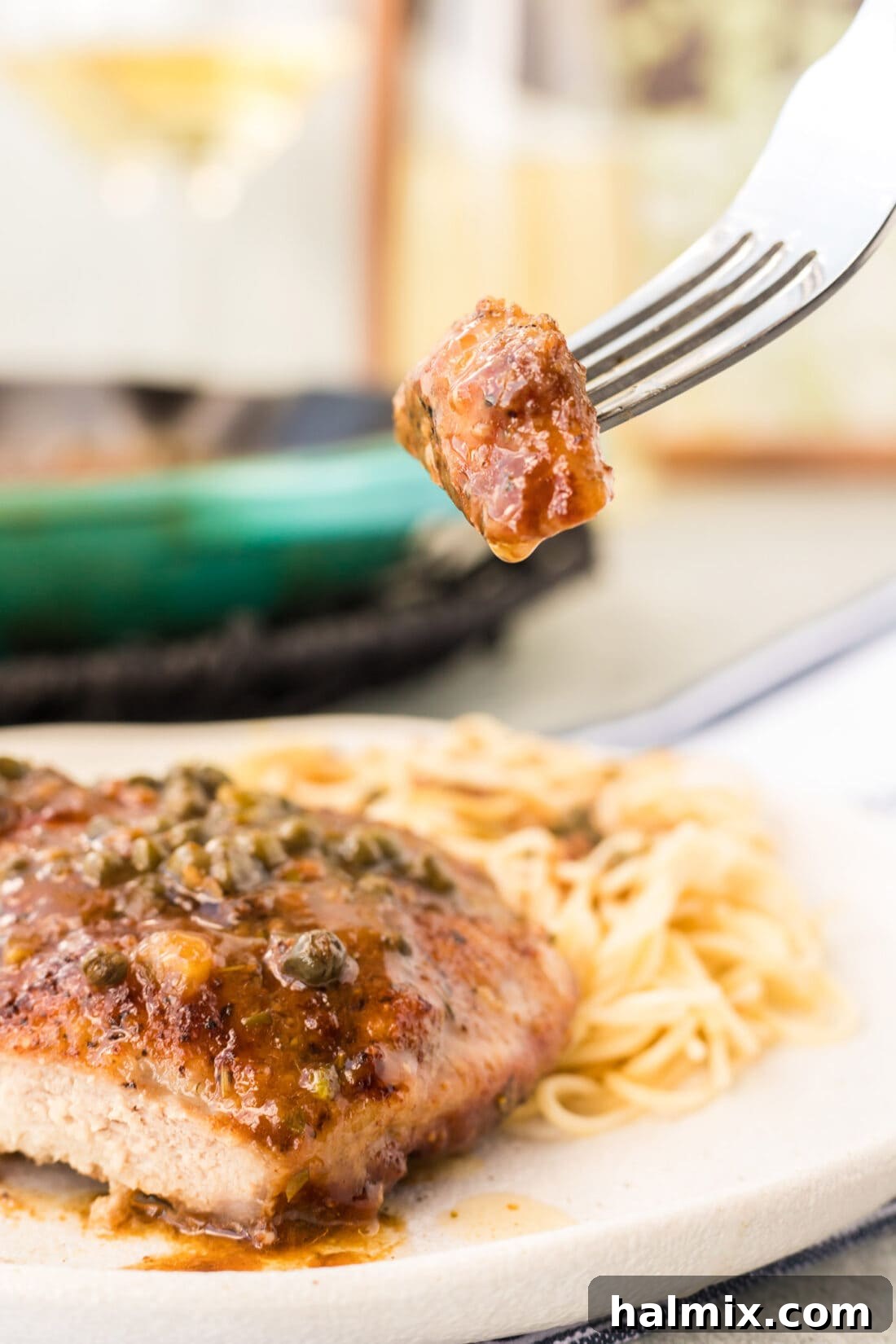
- Pasta: A classic choice! Serve your veal piccata over a bed of al dente spaghetti, linguine, or angel hair pasta. The pasta will soak up every drop of that delicious lemon-caper sauce.
- Rice: For a lighter option, serve alongside fluffy white rice or a lemon-herb infused rice pilaf.
- Roasted or Steamed Vegetables: Complement the richness of the veal with fresh, vibrant vegetables. Options like steamed broccoli, roasted asparagus, sautéed green beans, or glazed carrots add color, texture, and essential nutrients.
- Creamy Mashed Potatoes: For a comforting and hearty meal, serve with a dollop of creamy mashed potatoes or cauliflower mash.
- Fresh Salad: A simple side salad with a light vinaigrette can provide a refreshing contrast to the richness of the piccata.
- Garnish: Finish your dish with a sprinkle of fresh chopped parsley or extra lemon slices for a beautiful presentation and an added burst of freshness.
- Wine Pairing: Continue the theme with a glass of crisp, dry white wine like Pinot Grigio, Sauvignon Blanc, or a light Chardonnay.
Explore More Delicious Dinner Recipes
If you loved this Veal Piccata, you might enjoy exploring other flavorful dinner options from our collection:
- Perfectly Seared Lamb Chops
- Classic Chicken Marsala
- Hearty Beef Stroganoff
- Baked Chicken Cordon Bleu
- Savory Veal Marsala
- Tender Veal Chops
- Rich Veal Osso Buco
I am passionate about cooking and baking, and I love sharing my kitchen adventures with you! To make sure you never miss a new recipe, I offer a convenient newsletter. Simply subscribe and start receiving delicious daily recipes directly to your inbox!
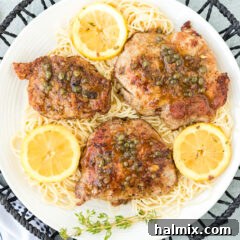
Veal Piccata
Veal piccata is a dish you’d typically order at a fine restaurant, yet it’s surprisingly quick and easy to prepare at home with minimal effort. This highly-rated recipe has received 5 out of 5 stars from our readers.
IMPORTANT – Be sure to review the Frequently Asked Questions and Expert Tips within the main blog post for additional helpful information!
Pin Recipe
Ingredients
- 1 pound veal cutlets
- 1 Tablespoon garlic salt
- ½ Tablespoon black pepper
- 1 cup all purpose flour
- ¼ cup olive oil
- 1 cup chicken broth
- ½ cup dry white wine
- 2 Tablespoons capers
- 2 Tablespoons lemon juice
- 2 Tablespoons fresh thyme leaves
- 3 Tablespoons unsalted butter
- 1 Tablespoon cornstarch
Things You’ll Need
- Large heavy bottomed skillet
- Vinyl gloves
Before You Begin
- Veal Piccata is often pounded first then fried. We prefer our thicker so we don’t pound the meat. You can if you prefer. It’s not a requirement for piccata. Piccata means “pounded flat cooked in a sauce of lemon, parsley and butter”. We chose to use fresh thyme in ours as its more fragrant than parsley.
- Chardonnay, Pinot Grigio, or Sauvignon Blanc are all good options for using in this recipe. Using drinking wines provides better flavor to your dish over cooking wine. If you only have cooking wine on hand feel free to use it.
Instructions
- Season the veal on both sides with garlic salt and pepper. Dredge each cutlet in flour and shake off excess.
- Heat oil in skillet over medium-high heat until shimmering.
- Add cutlets to the hot oil and cook 4-5 minutes per side. Remove and keep warm.
- Remove half of the oil, being careful to leave any brown bits in the pan. Add chicken broth to skillet and bring to a boil.
- Add white wine, capers, lemon juice, fresh thyme, butter, and cornstarch. Stir until combined and bring to a boil. Reduce heat to low and add veal back in. Simmer for 15 minutes.
Nutrition Facts
Serving: 1 cutlet |
Calories: 646 cal |
Carbohydrates: 38 g |
Protein: 37 g |
Fat: 35 g |
Saturated Fat: 12 g |
Polyunsaturated Fat: 3 g |
Monounsaturated Fat: 18 g |
Trans Fat: 0.5 g |
Cholesterol: 150 mg |
Sodium: 2865 mg |
Potassium: 700 mg |
Fiber: 2 g |
Sugar: 1 g |
Vitamin A: 587 IU |
Vitamin C: 12 mg |
Calcium: 52 mg |
Iron: 4 mg
Tried this Recipe? Pin it for Later!
Follow on Pinterest @AmandasCookin or tag #AmandasCookin!
The recipes on this blog are tested with a conventional gas oven and gas stovetop. It’s important to note that some ovens, especially as they age, can cook and bake inconsistently. Using an inexpensive oven thermometer can assure you that your oven is truly heating to the proper temperature. If you use a toaster oven or countertop oven, please keep in mind that they may not distribute heat the same as a conventional full-sized oven and you may need to adjust your cooking/baking times. In the case of recipes made with a pressure cooker, air fryer, slow cooker, or other appliance, a link to the appliances we use is listed within each respective recipe. For baking recipes where measurements are given by weight, please note that results may not be the same if cups are used instead, and we can’t guarantee success with that method.