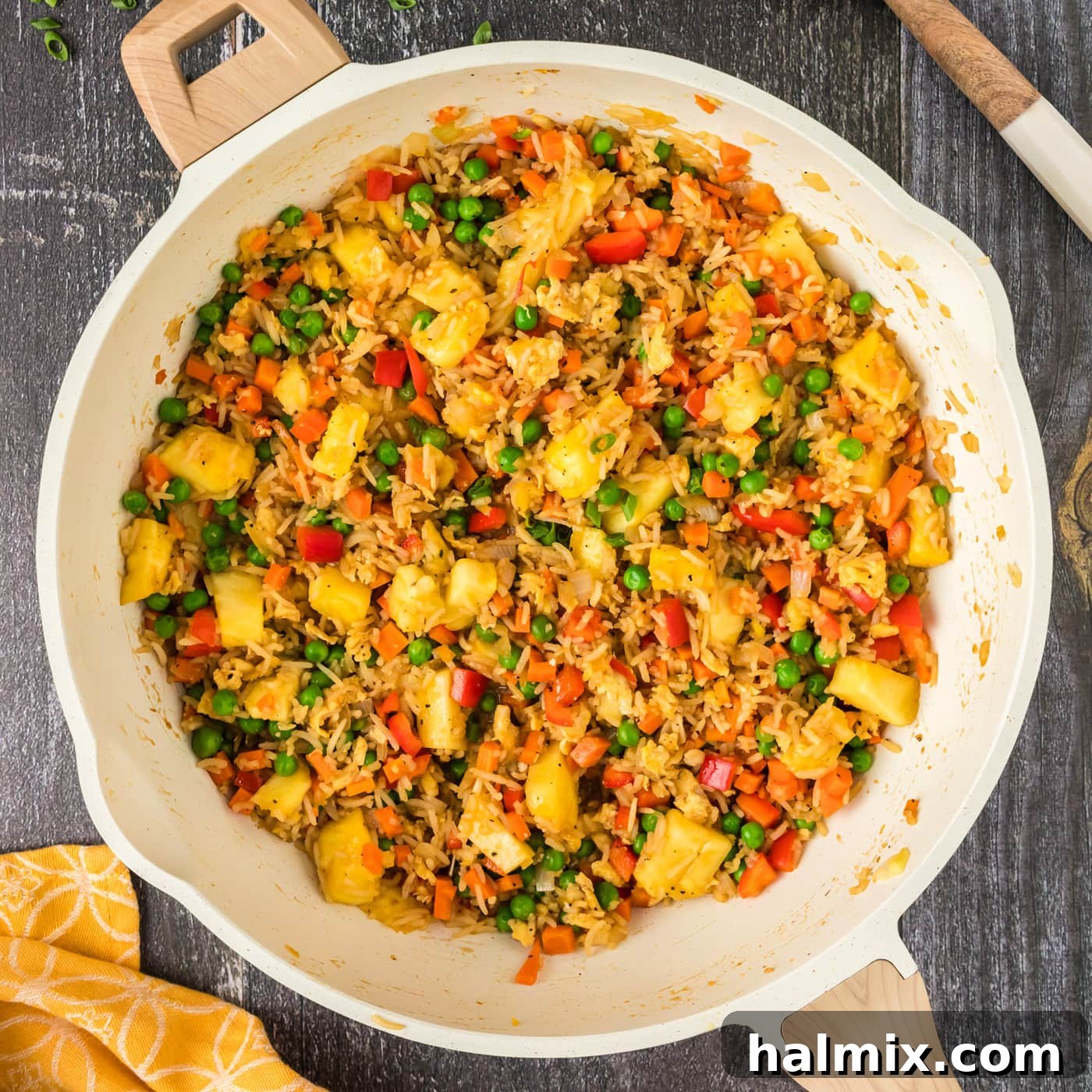
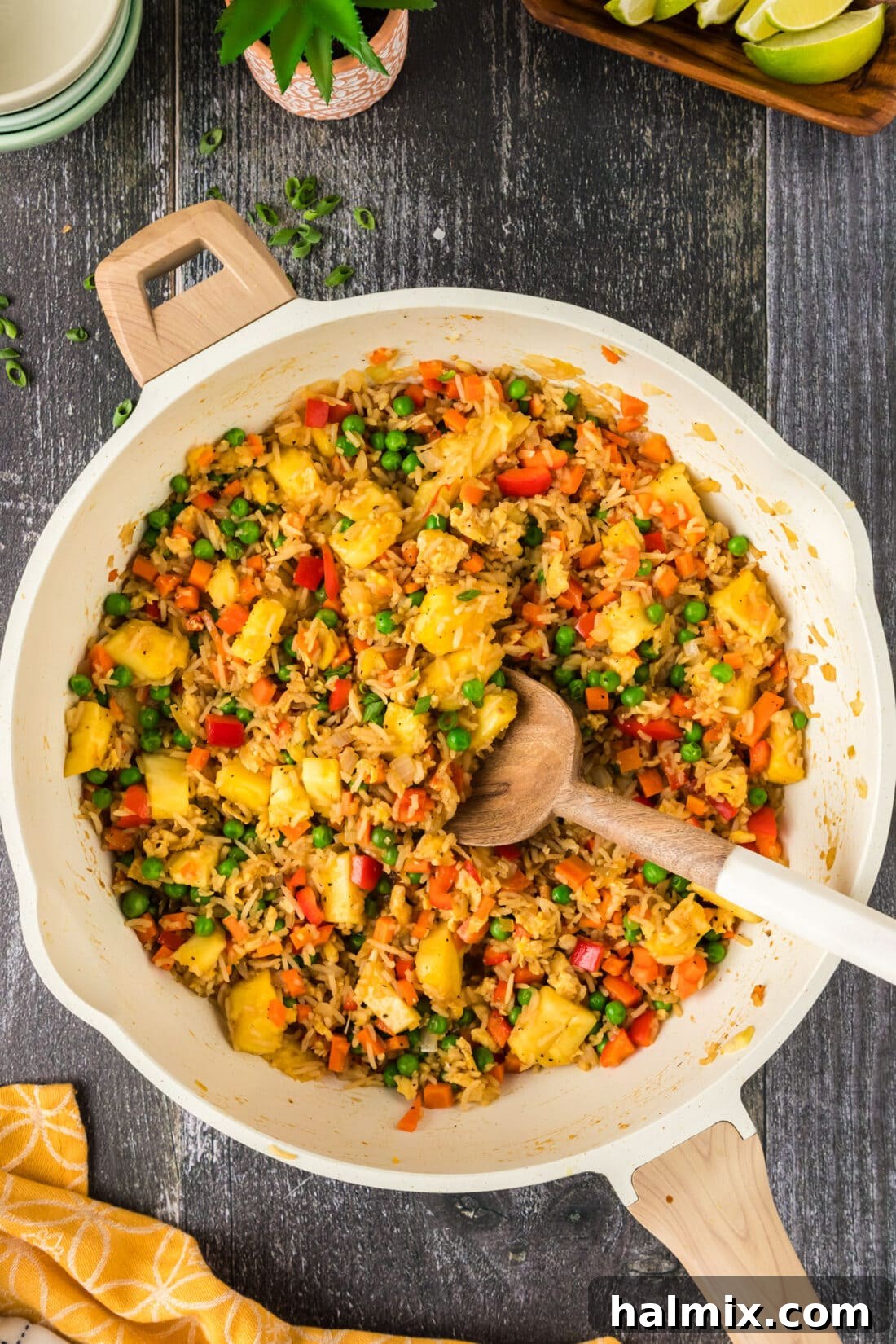
Embark on a culinary journey to the vibrant flavors of Southeast Asia with this spectacular Pineapple Fried Rice recipe. This dish masterfully balances sweet and savory notes, combining juicy fresh pineapple with tender-crisp vegetables and fluffy rice. Perfect for a quick weeknight meal or an impressive dish for entertaining, it comes together in around 30 minutes, offering a burst of exotic taste in every bite.
Why This Pineapple Fried Rice Recipe Will Be Your New Favorite
This pineapple fried rice isn’t just another stir-fry; it’s a symphony of flavors and textures designed to delight your palate. The magic truly begins with the inclusion of fresh, ripe pineapple, which introduces a bright, tangy sweetness that beautifully cuts through the rich, umami-packed savory profile characteristic of classic fried rice. This unique combination elevates the dish beyond the ordinary, making it truly unforgettable.
The foundation of this recipe relies on a vibrant medley of vegetables, including crisp onions, sweet carrots, colorful bell peppers, and tender peas. These ingredients not only add crucial vitamins and fiber but also provide a delightful textural contrast to the soft, fluffy long-grain rice. Each bite offers a satisfying crunch from the perfectly cooked vegetables, complemented by the juicy tenderness of the pineapple chunks.
One of the greatest advantages of this recipe is its incredible versatility. While delicious on its own as a vegetarian option, it serves as an excellent canvas for various protein additions. Whether you prefer succulent chicken, tender pork, juicy shrimp, or even plant-based options like tofu, this fried rice welcomes all kinds of enhancements. This adaptability makes it a fantastic meal solution for diverse dietary preferences and ensures that everyone at your table will find something to love. Plus, it’s a brilliant way to transform leftover rice into a gourmet experience, preventing food waste while creating something truly delicious.
Essential Ingredients for Authentic Pineapple Fried Rice
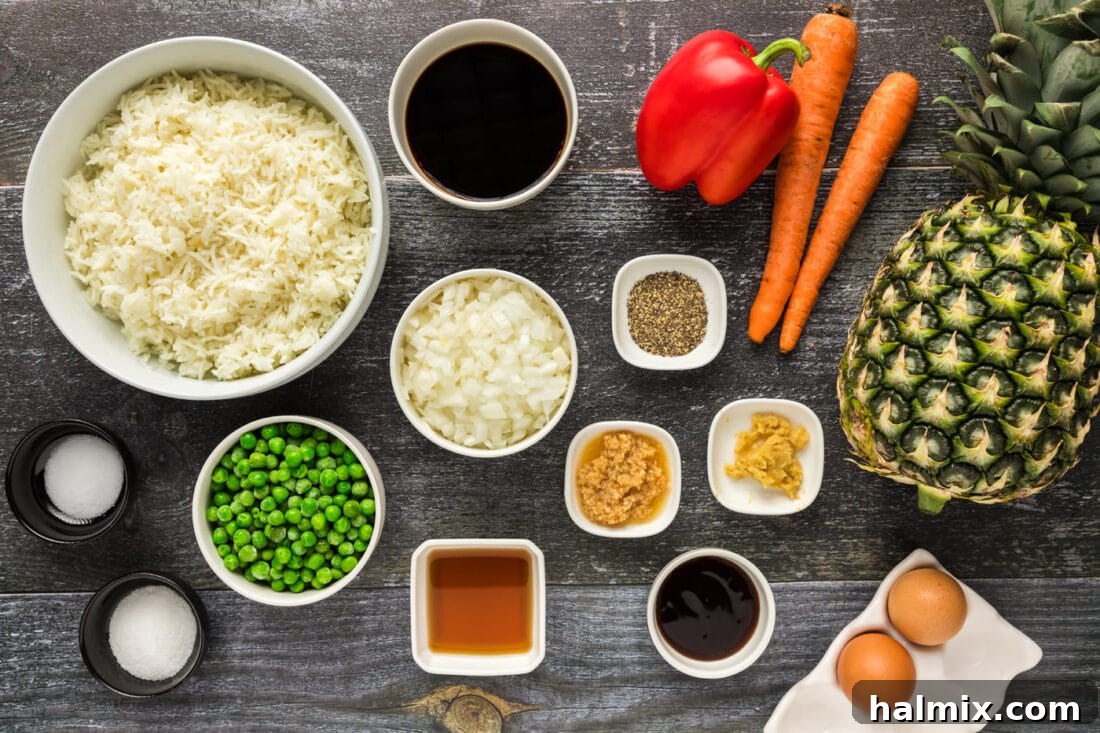
Crafting the perfect pineapple fried rice starts with selecting quality ingredients. Here’s a detailed look at what you’ll need and some valuable substitution suggestions to ensure your dish is nothing short of amazing.
Ingredient Spotlight & Smart Swaps
Pineapple: The Star of the Show
For an unparalleled taste and stunning presentation, we highly recommend using fresh pineapple. Chopping it yourself allows you to scoop out the flesh and use the hollowed-out shell as a natural, beautiful serving bowl. When choosing a fresh pineapple, look for one with a fragrant, sweet smell at its base and vibrant green leaves. It should yield slightly to pressure when squeezed. If fresh isn’t an option, a 20-ounce can of pineapple chunks works well. Be sure to drain it thoroughly to avoid adding excess moisture to your fried rice, which can lead to a soggy texture. Always opt for pineapple canned in juice, not heavy syrup, to keep the flavors clean and natural.
Rice: The Foundation of Flavor
The secret to perfect fried rice lies in using day-old, cooked long-grain rice. Freshly cooked rice is often too moist and sticky, making it difficult to achieve that desirable loose, fluffy texture. Jasmine or Basmati rice are excellent choices for their fragrant aroma and distinct grains that hold up well to stir-frying. If you don’t have day-old rice, you can spread freshly cooked rice on a baking sheet and refrigerate it for a few hours to dry it out, or even freeze it for 15-20 minutes before use.
Aromatic Vegetables: Building the Flavor Base
- Garlic and Ginger: These aromatics are essential for creating the deep, complex flavor profile of authentic Asian cuisine. Freshly minced garlic and ginger provide a pungent warmth that canned alternatives simply can’t replicate.
- Onion: Diced onion forms a sweet and savory base as it caramelizes slightly during cooking, adding depth to the dish.
- Carrots: Finely diced carrots contribute natural sweetness, beautiful color, and a tender-crisp texture.
- Red Bell Pepper: Adds a pop of vibrant color, a fresh, sweet crunch, and a good dose of Vitamin C. You can substitute with other bell pepper colors if preferred.
- Frozen Peas: A classic fried rice addition, peas bring a burst of sweetness and vibrant green to the mix. Add them frozen as they cook quickly.
- Optional Veggies: Feel free to experiment with other vegetables like snap peas, broccoli florets, corn kernels, or thinly sliced mushrooms.
Eggs: Protein & Texture
Whisked and scrambled eggs add a wonderful richness, texture, and a boost of protein to the fried rice, making it a more satisfying meal.
Sauces & Seasonings: The Umami Punch
- Fish Sauce: Provides a deep, savory, umami flavor that is fundamental to many Southeast Asian dishes. Don’t skip it if you want authentic taste. For a vegetarian option, a combination of soy sauce, lime juice, and a pinch of seaweed can sometimes mimic the umami.
- Oyster Sauce: Offers a sweet, salty, and slightly tangy flavor with a rich, glossy texture. Look for vegetarian mushroom-based oyster sauce if needed.
- Low Sodium Soy Sauce: The primary source of saltiness and umami. Using low sodium allows you to control the overall saltiness better.
- Salt and Black Pepper: Basic seasonings to enhance all the other flavors.
- Sugar: A touch of sugar helps to balance the savory notes from the sauces and highlights the natural sweetness of the pineapple and other vegetables.
Step-by-Step Guide to Making Perfect Pineapple Fried Rice
Achieving restaurant-quality pineapple fried rice at home is simpler than you think. Follow these clear steps to create a flavorful and satisfying meal. Remember, stir-frying is fast, so have all your ingredients prepped and ready before you start cooking.
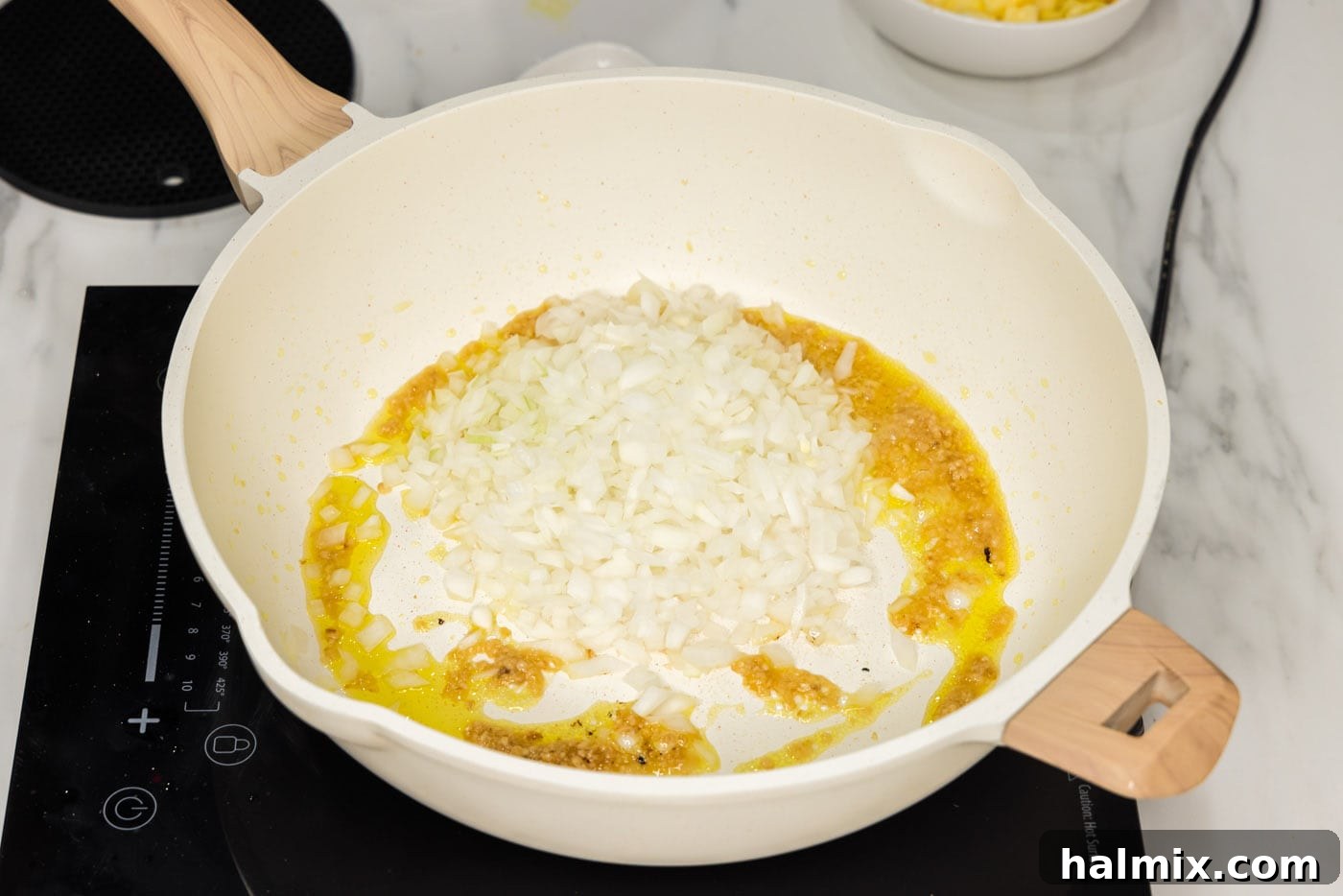
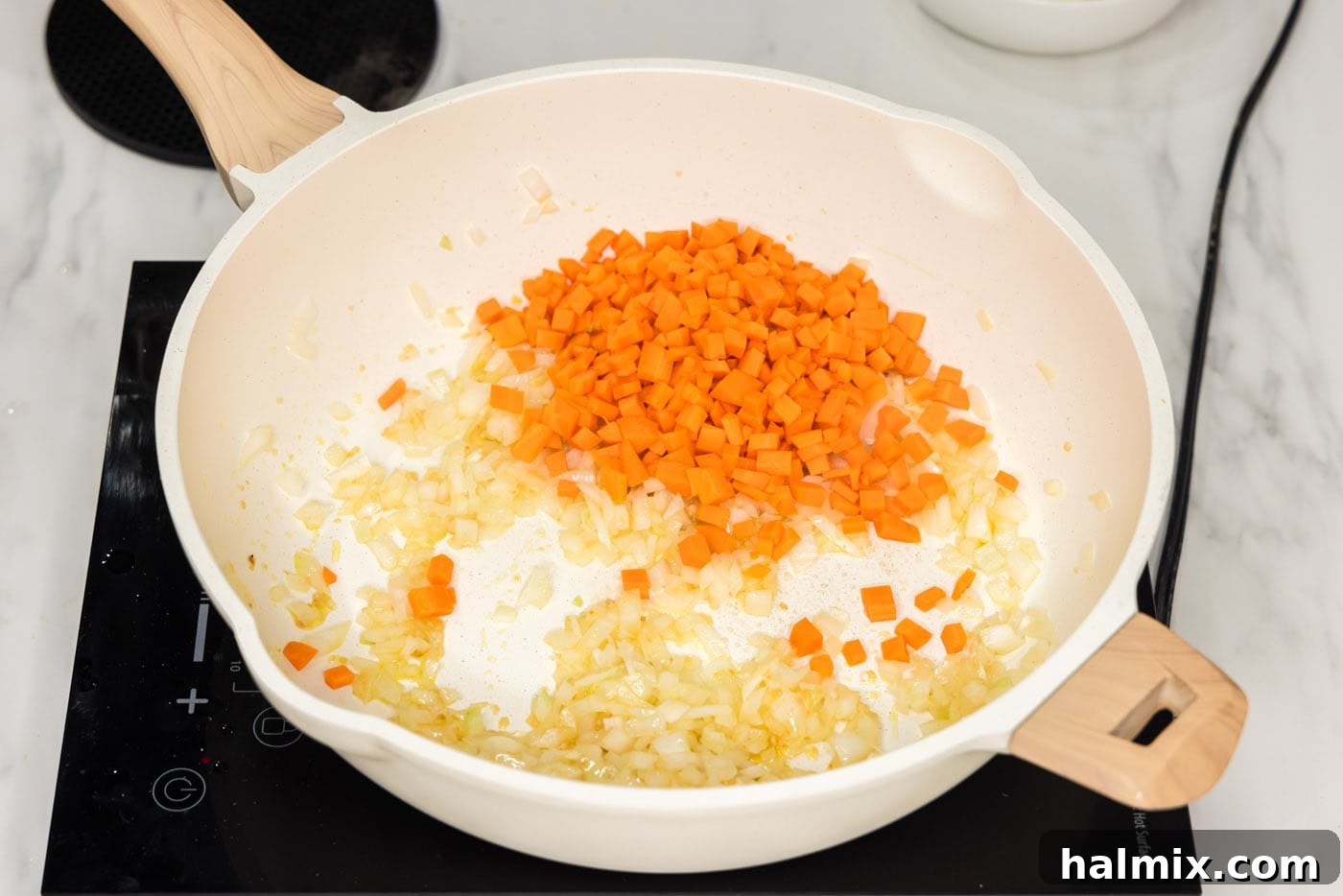
- Heat 1 Tablespoon of olive oil in a large deep-sided skillet or wok over medium-high heat. Add the minced garlic and ginger, then sauté until they become fragrant, which typically takes about 1-2 minutes. Be careful not to burn them. Next, add the diced onion and continue to sauté for an additional 2-3 minutes until it starts to soften and turn translucent. Finally, stir in the diced carrots and sauté for 3-4 minutes more, until they are tender-crisp.

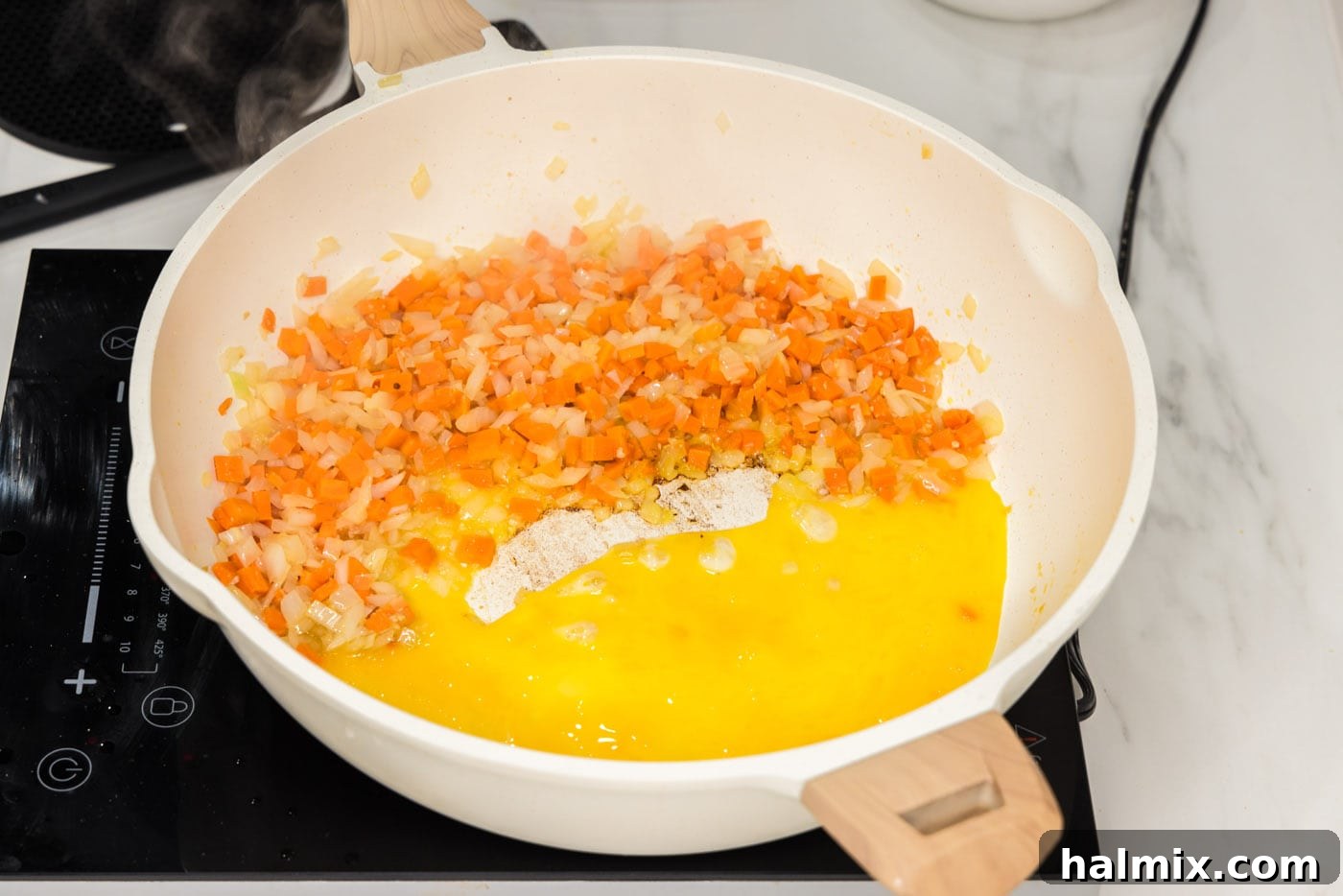
- While the vegetables cook, whisk the eggs together in a small bowl. Once the vegetables are tender, push them to one side of the pan to create space. Pour the whisked eggs into the empty side of the pan. Using a rubber spatula, quickly scramble the eggs until they are just set. Once scrambled, mix the cooked eggs thoroughly with the sautéed vegetables.
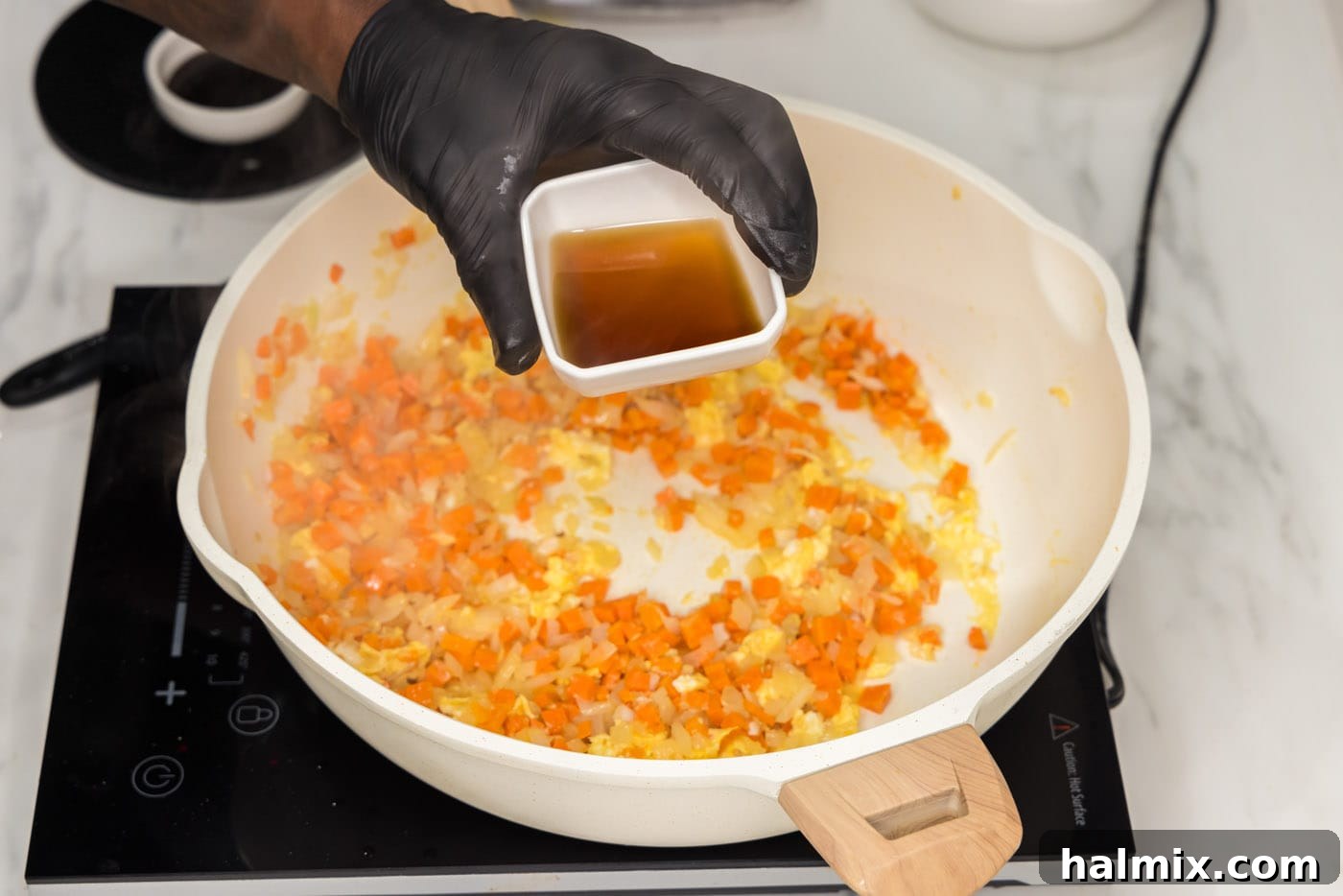
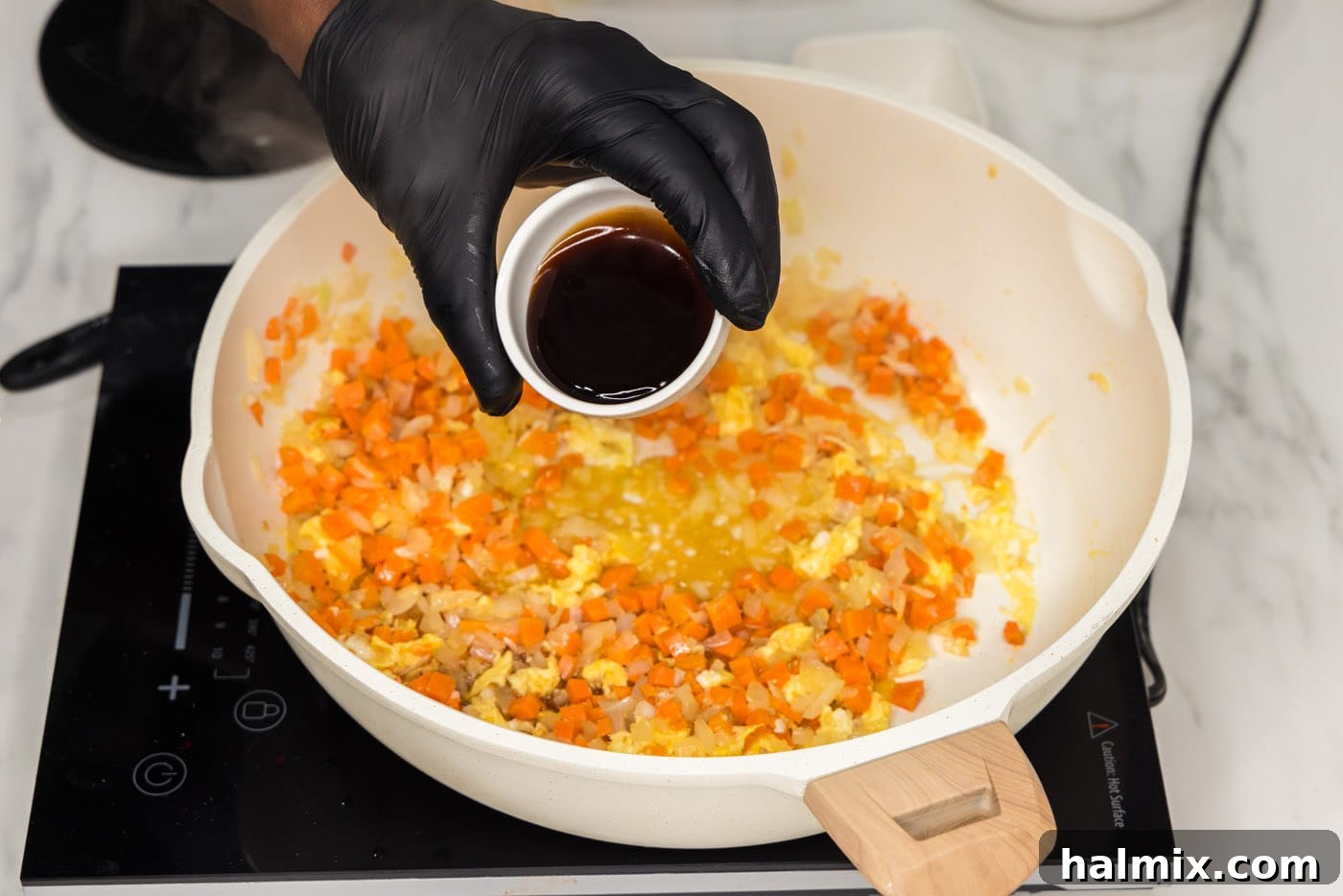
- Add the fish sauce and oyster sauce directly into the skillet. Stir everything well to ensure all the vegetables and eggs are evenly coated with these flavorful sauces. This step is crucial for distributing the umami notes throughout the dish.
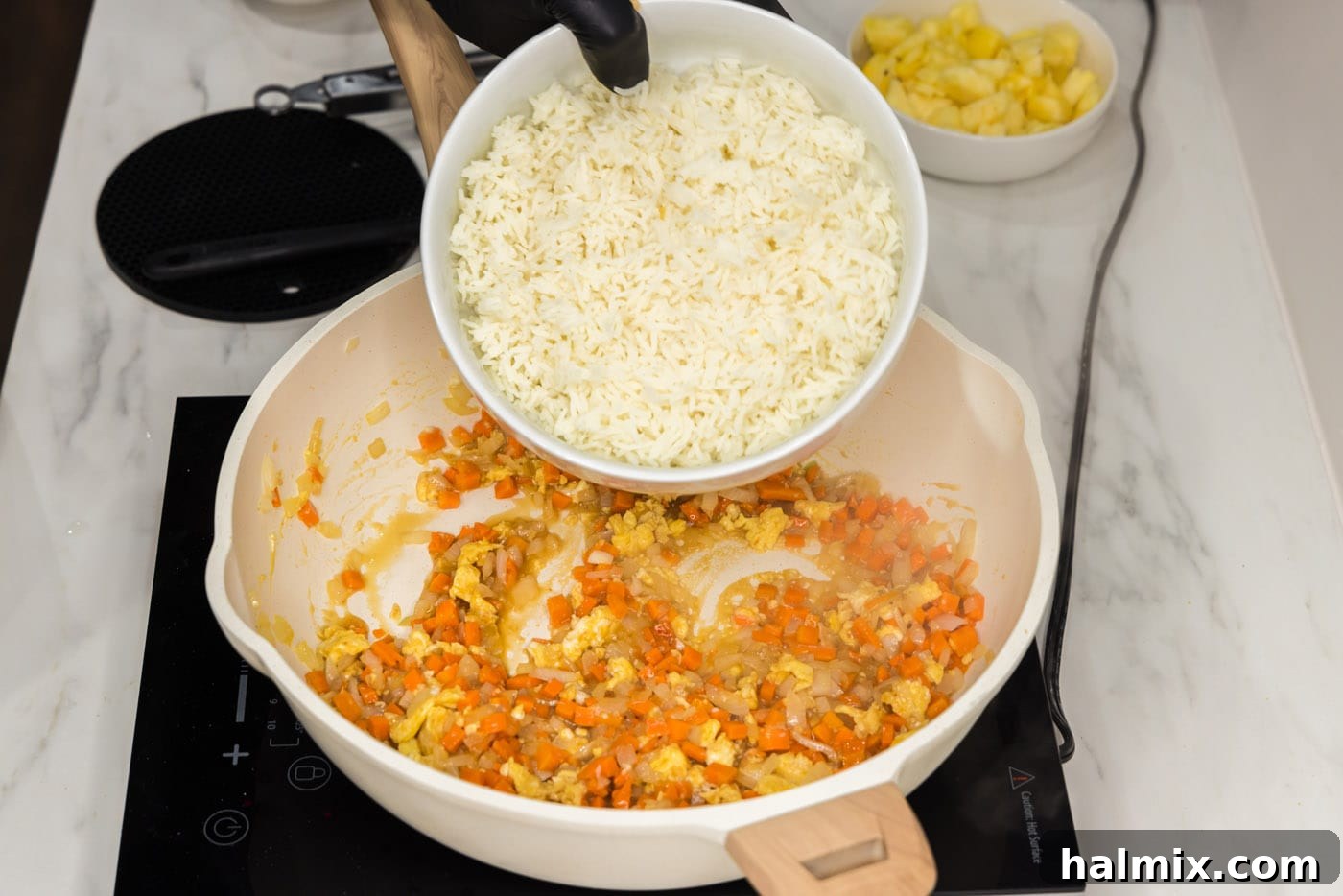
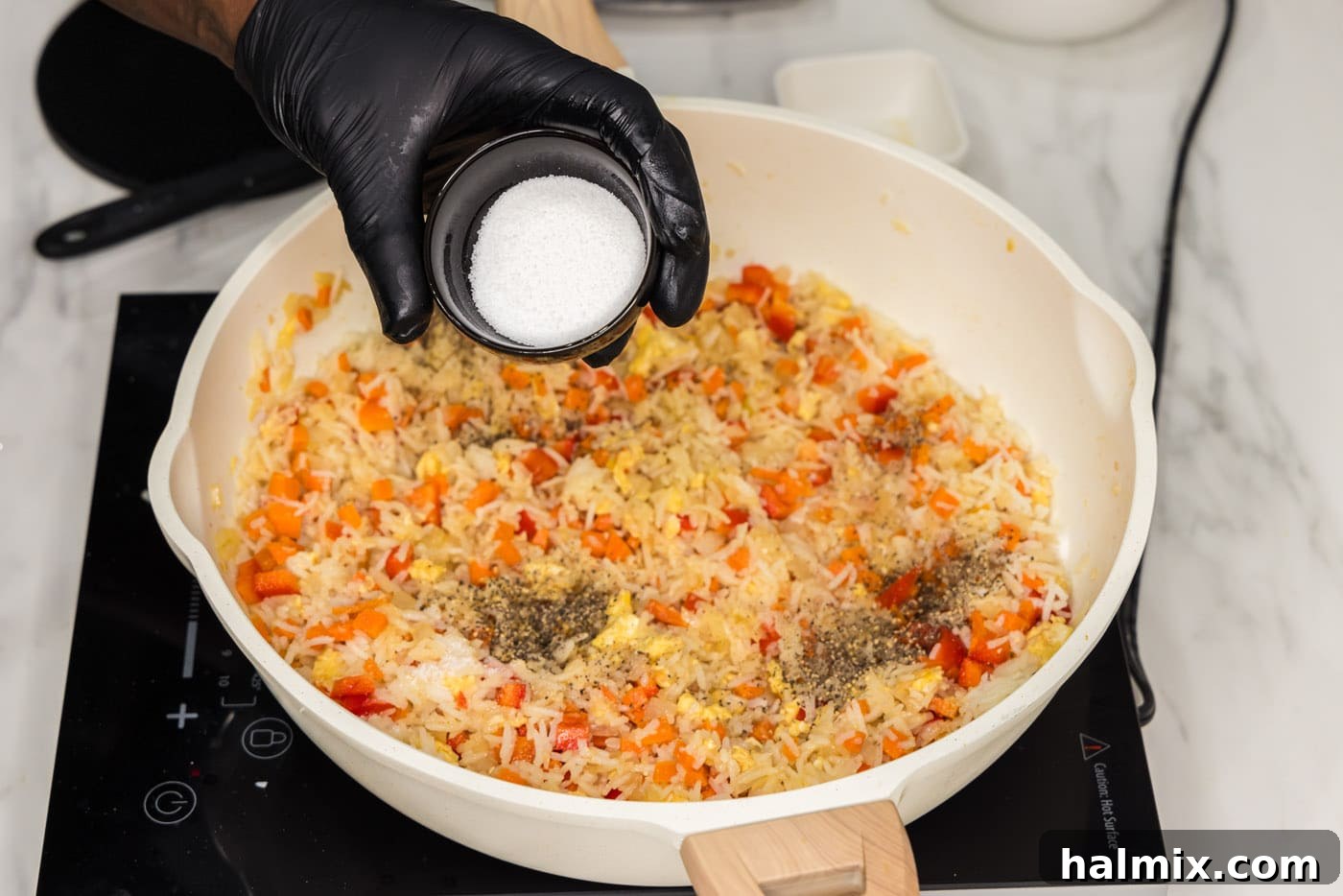
- Now, it’s time to incorporate the cooked rice. Add the three cups of day-old white rice to the skillet. Break up any clumps of rice with your spatula. Then, add the diced red bell pepper, salt, black pepper, and sugar. Stir vigorously to combine all the ingredients thoroughly, ensuring the rice is well coated and the seasonings are evenly distributed.
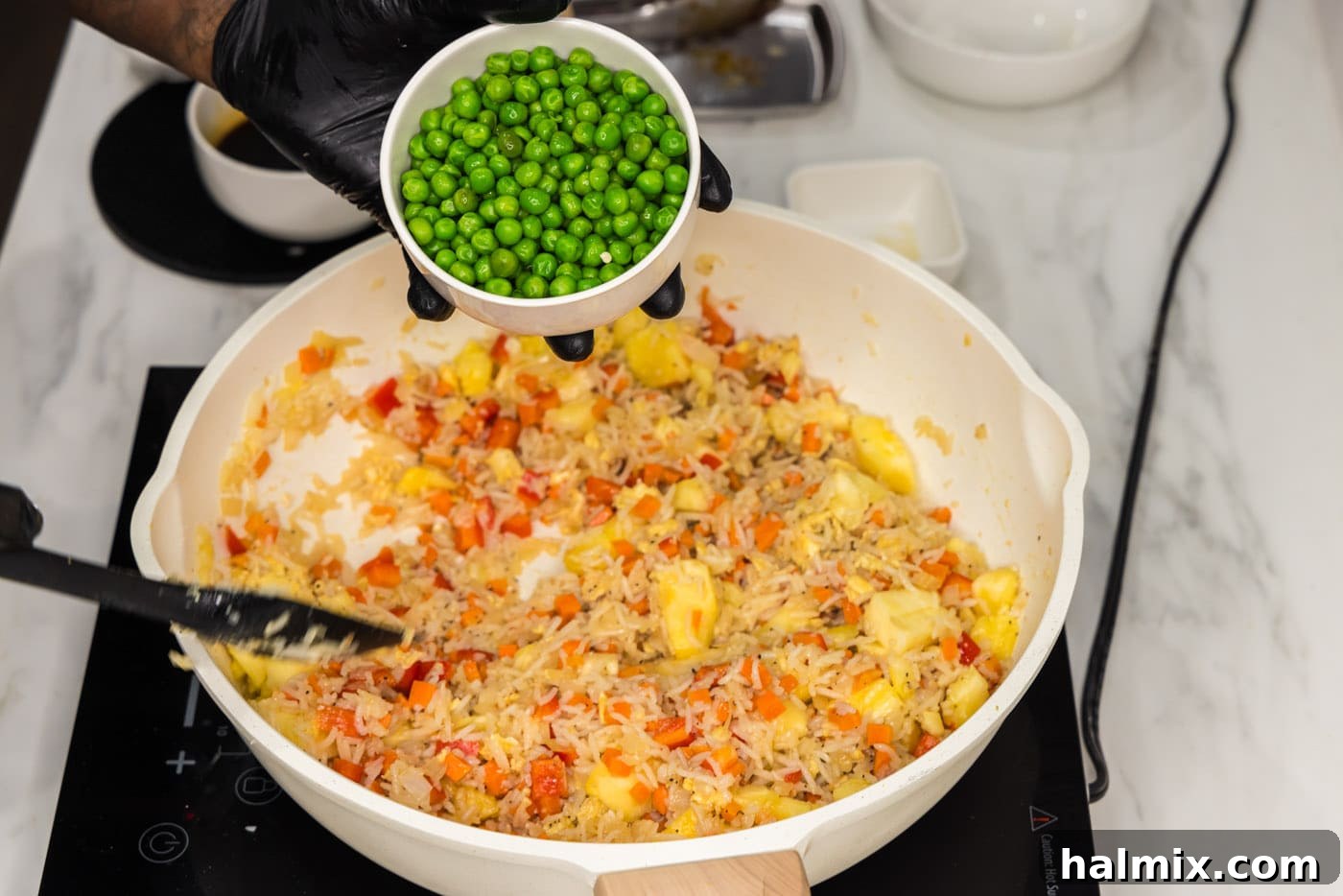
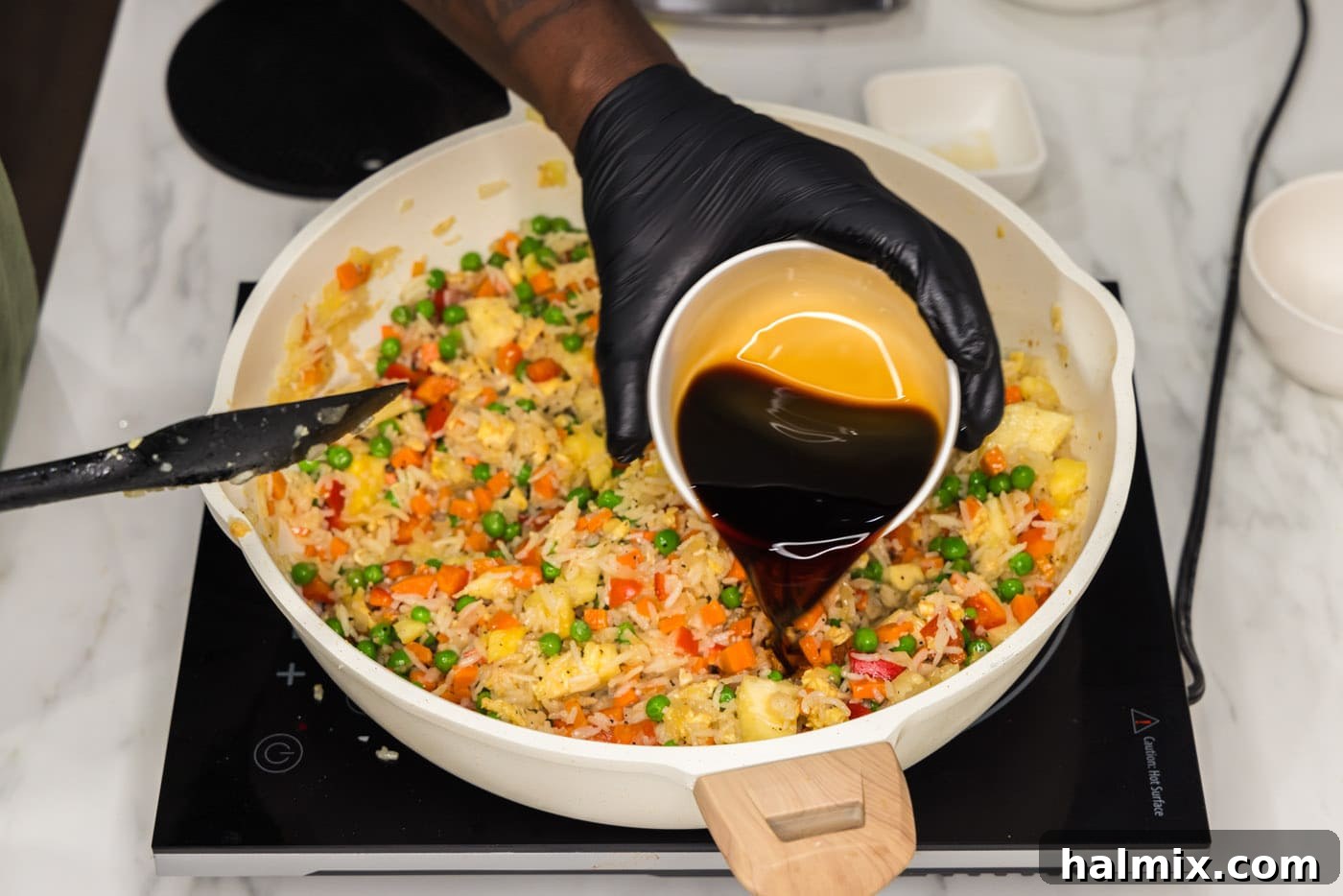
- Finally, add the star ingredient – the pineapple chunks – along with the frozen peas and the low-sodium soy sauce.
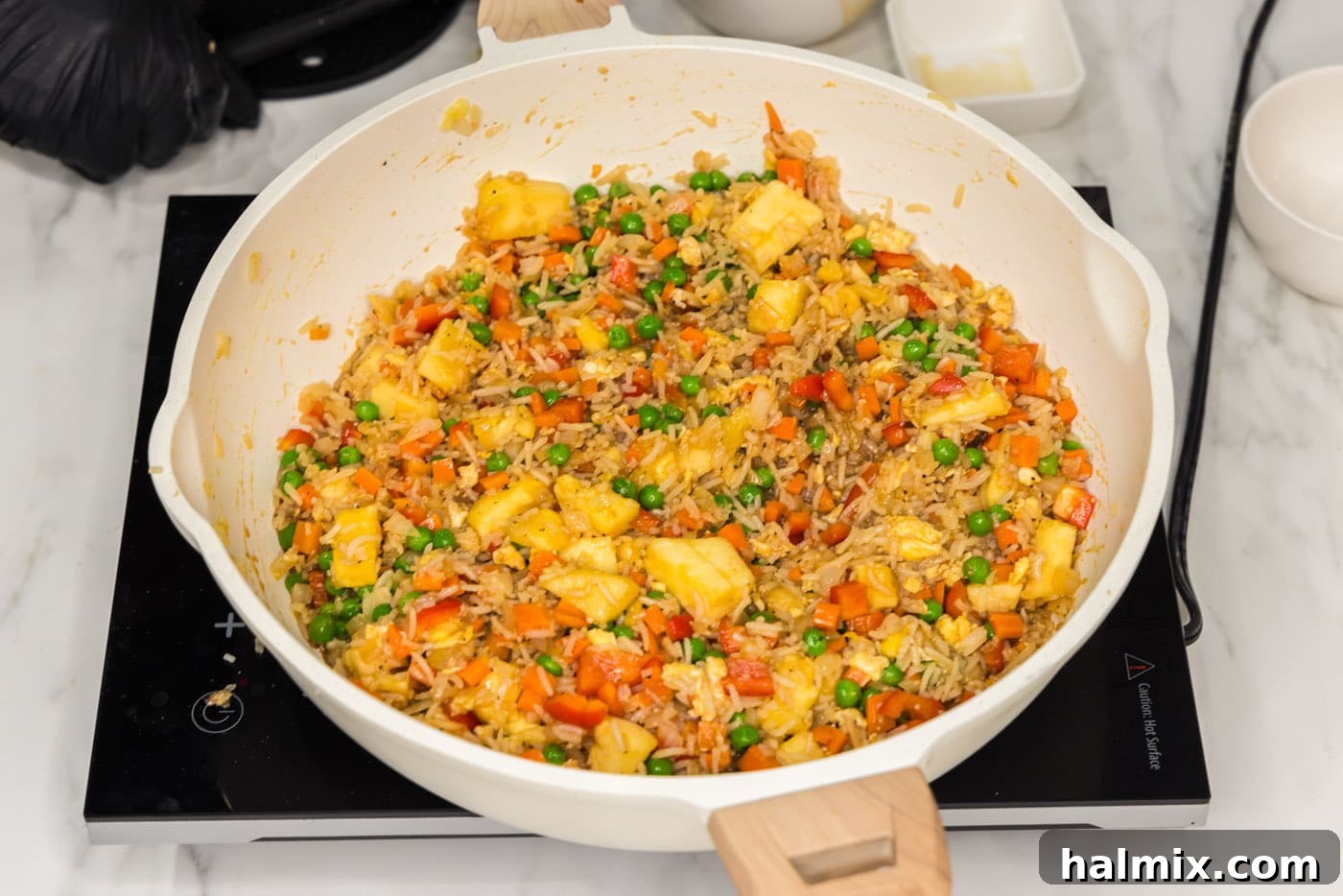
- Stir all the ingredients together one last time. Continue to heat for just a minute or two, allowing the pineapple to warm through and the flavors to meld beautifully. Serve immediately and enjoy!
Expert Tips & Delicious Flavor Variations
Mastering pineapple fried rice involves a few key techniques and opens the door to endless customization. Here are some expert tips and exciting flavor variations to elevate your dish.
Expert Cooking Tips for Flawless Fried Rice
- Use Day-Old Rice: This is arguably the most crucial tip for any fried rice. Cold, dry, day-old rice will absorb the sauces and flavors without becoming mushy or sticky. If you only have fresh rice, spread it thin on a baking sheet and refrigerate for an hour, or even briefly freeze it to remove moisture.
- High Heat is Key: Stir-frying thrives on high heat. This ensures that your ingredients sear quickly, developing rich flavors and a slightly smoky “wok hei” without stewing. Don’t be afraid to crank up the heat!
- Don’t Overcrowd the Pan: Cooking in smaller batches, if necessary, prevents the temperature from dropping too low. Overcrowding leads to steamed, rather than fried, ingredients, resulting in a less desirable texture. Ensure there’s enough space for ingredients to move freely and brown.
- Mise en Place (Prep Everything First): Stir-frying is a rapid cooking method. Have all your vegetables chopped, sauces measured, and pineapple diced before you even turn on the stove. This ensures a smooth and stress-free cooking process.
- Tender-Crisp Vegetables: Aim for vegetables that are tender but still have a slight bite. Overcooked veggies can become bland and soft, losing their appeal.
Creative Flavor Variations & Protein Add-ins
- Protein Power-Up:
- Chicken: Dice raw chicken breast or thigh and stir-fry it first until cooked through, then remove and add back with the pineapple and peas.
- Shrimp: Add raw shrimp after sautéing the aromatics and initial vegetables. Cook until pink and opaque, then remove and add back at the end.
- Pork: Thinly sliced pork tenderloin or leftover roasted pork can be excellent additions. Cook raw pork similarly to chicken.
- Tofu: For a vegetarian or vegan option, press extra-firm tofu, cube it, and pan-fry until golden and crispy before adding to the fried rice.
- Boost the Crunch: Stir in a handful of toasted cashews or peanuts during the last minute of cooking for an irresistible nutty crunch.
- Spice It Up: If you enjoy a bit of heat, add a pinch of red chili flakes, a dash of Sriracha sauce, or thinly sliced fresh bird’s eye chilies to the pan with the vegetables.
- Fresh Herbs: Garnish your finished dish with fresh cilantro, sliced green onions, or even a squeeze of lime juice for an extra layer of freshness and aroma.
- Vegetarian/Vegan Friendly: To make this dish completely vegetarian, simply omit the eggs or replace them with scrambled tofu. For a vegan version, ensure you use a mushroom-based oyster sauce substitute and a plant-based fish sauce or increase the soy sauce.
Frequently Asked Questions About Pineapple Fried Rice
Leftovers of pineapple fried rice should be stored in an airtight container in the refrigerator for 1-2 days. To reheat, add a splash of water to the rice and microwave until thoroughly hot. Covering it with a damp paper towel can help keep the rice moist.
Yes, pineapple fried rice freezes quite well. To freeze, allow the dish to cool completely. Then, transfer it to a large freezer-safe ziptop bag, pressing out any trapped air, or an airtight freezer container. It can be frozen for up to 1 month. Thaw overnight in the refrigerator before reheating.
Day-old, cooked long-grain white rice like Jasmine or Basmati is ideal. These varieties have a firm texture that holds up well to stir-frying and prevents the dish from becoming mushy. Avoid using freshly cooked rice, as it contains too much moisture.
Soggy fried rice is often a result of using freshly cooked rice, overcrowding the pan, or cooking on too low a heat. Fresh rice has too much moisture, and a crowded, low-heat pan will steam ingredients rather than fry them. Ensure you use day-old rice, cook in batches if your pan is small, and maintain high heat.
Serving Suggestions for a Complete Meal
This pineapple fried rice is incredibly versatile and can be enjoyed in many ways. It’s hearty enough to stand alone as a flavorful main course, offering a complete meal with its balance of rice, vegetables, and protein (especially if you add some!).
However, it also makes an excellent side dish, pairing beautifully with a variety of Asian-inspired main courses. Consider serving it alongside grilled chicken satay with peanut sauce, tender beef and broccoli stir-fry, crispy spring rolls, or sweet and sour pork. For a lighter meal, accompany it with a simple Asian cucumber salad or a fresh green salad with a sesame ginger dressing.
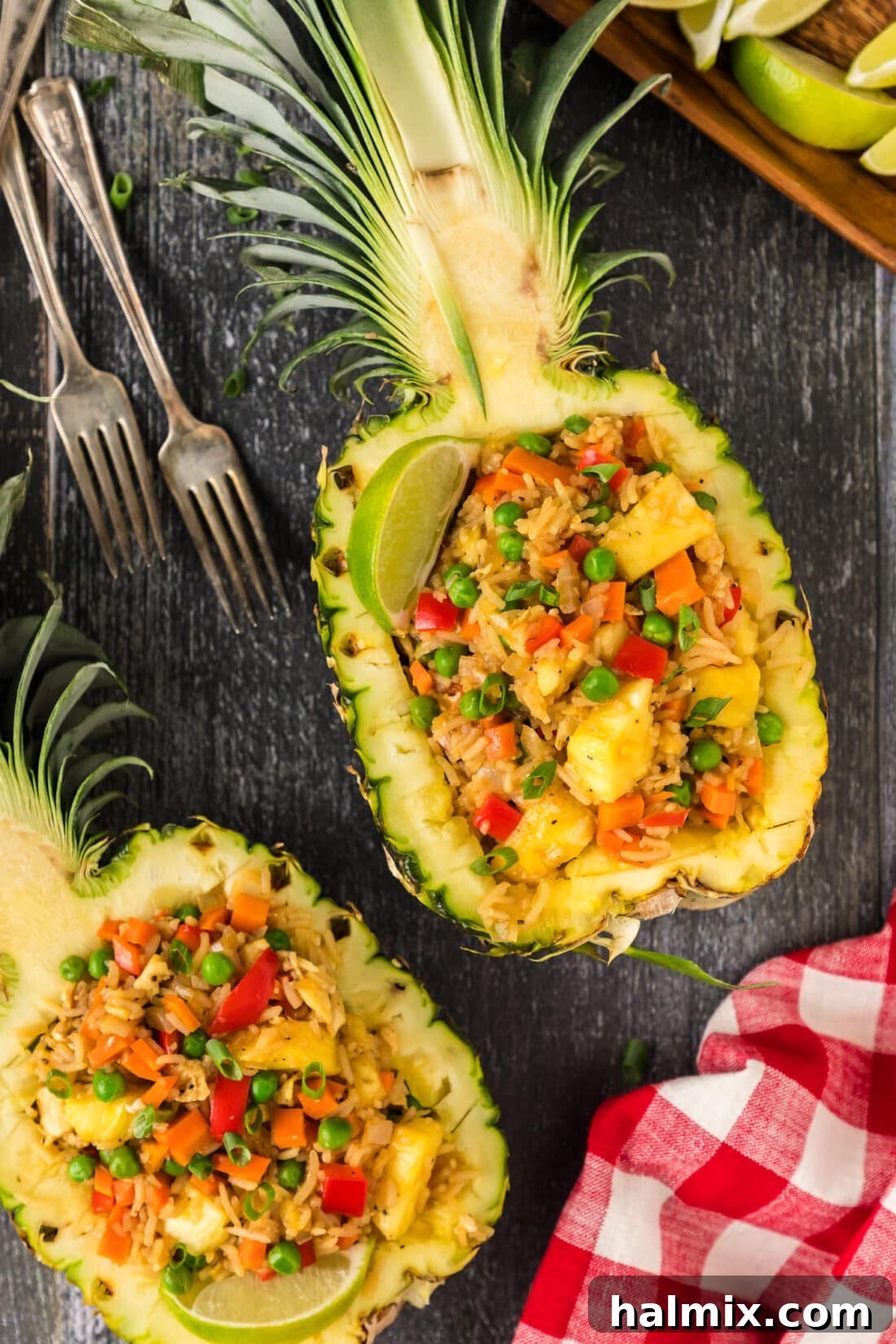
For an absolutely stunning presentation, especially when hosting, save the shell of your fresh pineapple! After scooping out the delicious fruit, pat the interior of the hollowed pineapple shell thoroughly dry with paper towels before filling it with the warm fried rice. This creates an impressive and festive serving vessel that’s perfect for summer potlucks, barbecues, or any gathering where you want to add an exotic touch. Garnish with a few fresh cilantro sprigs or green onion slices for an extra flourish.
Discover More Delicious Fried Rice Recipes
If you loved this pineapple fried rice, be sure to explore these other fantastic fried rice variations. Each offers a unique flavor profile and is perfect for quick, delicious meals:
- Pork Fried Rice
- Shrimp Fried Rice
- Chicken Fried Rice
- Cauliflower Fried Rice
- Vegetable Fried Rice
We are passionate about cooking and sharing delightful kitchen experiences with you! Don’t miss out on our latest recipes. Simply subscribe to our newsletter and receive free daily recipes delivered straight to your inbox!
Tropical Pineapple Fried Rice
A delightful blend of sweet and savory, this Pineapple Fried Rice features colorful stir-fry vegetables and juicy pineapple chunks, all prepared in about 30 minutes for a quick and flavorful meal.
Rated 5 out of 5 stars from 2 votes
IMPORTANT – Find comprehensive Frequently Asked Questions and Expert Tips within the main blog post above for more insights!
Print Recipe
Pin Recipe
Rate This Recipe
Ingredients
- 1 Tablespoon olive oil
- 1 Tablespoon minced garlic
- ½ Tablespoon minced ginger
- 1 cup diced onion
- 1 cup diced carrots
- 2 large eggs
- 1 ½ Tablespoons fish sauce
- 1 ½ Tablespoons oyster sauce
- 3 cups cooked white rice (day-old recommended)
- 1 cup diced red bell pepper
- ½ Tablespoon salt
- 2 teaspoons black pepper
- 1 ½ Tablespoons sugar
- 2 cups pineapple chunks (fresh or drained canned)
- 1 cup frozen peas
- ½ cup low sodium soy sauce
Equipment
-
Large deep sided skillet or wok
-
Rubber spatula
Notes & Preparation Tips
- For the best flavor and presentation, use fresh pineapple. If using its shell for serving, ensure the interior is completely dry before adding rice.
- When using canned pineapple, always drain it thoroughly to prevent excess moisture in your fried rice. Choose pineapple canned in juice, not syrup.
- Day-old long grain rice (such as Jasmine or Basmati) is highly recommended for achieving the perfect fluffy, non-soggy texture.
- Have all ingredients prepped and ready before you start cooking, as stir-frying is a quick process.
Instructions
- Heat olive oil in a large deep-sided skillet over medium-high heat. Add garlic and ginger, saute until fragrant (1-2 minutes). Add onion and saute for 2-3 minutes. Add carrots and saute for 3-4 minutes more, until tender-crisp.
- Whisk eggs in a small bowl. Push vegetables to one side of the pan and add whisked eggs to the other. Scramble the eggs with a rubber spatula, then mix everything together.
- Add fish sauce and oyster sauce to the skillet and stir to combine well.
- Stir in the cooked rice, breaking up any clumps. Add red bell pepper, salt, pepper, and sugar. Stir thoroughly to combine all ingredients.
- Finally, add the pineapple chunks, frozen peas, and low sodium soy sauce.
- Stir everything together until well combined and heated through, for about 1-2 minutes, before serving immediately.
Storage & Freezing Tips
- Storage: Store leftovers in an airtight container in the refrigerator for 1-2 days. Reheat with a splash of water in the microwave until hot, covered with a damp paper towel.
- Freezing: Transfer cooled fried rice to a large ziptop bag, expelling trapped air, or an airtight container. Freeze for up to 1 month.
Nutrition Information
| Per Serving (1 serving) | |
| Calories: | 233 cal |
| Carbohydrates: | 43 g |
| Protein: | 8 g |
| Fat: | 4 g |
| Saturated Fat: | 1 g |
| Polyunsaturated Fat: | 1 g |
| Monounsaturated Fat: | 2 g |
| Trans Fat: | 0.01 g |
| Cholesterol: | 53 mg |
| Sodium: | 1600 mg |
| Potassium: | 409 mg |
| Fiber: | 4 g |
| Sugar: | 16 g |
| Vitamin A: | 3995 IU |
| Vitamin C: | 45 mg |
| Calcium: | 57 mg |
| Iron: | 1 mg |
Tried this Recipe? Pin it for Later!
Follow on Pinterest @AmandasCookin or tag #AmandasCookin!
Please note: Recipes are tested with conventional gas ovens and stovetops. Oven performance can vary, especially with age; an inexpensive oven thermometer can help ensure accuracy. Toaster or countertop ovens may require adjusted cooking times. For recipes using specific appliances (pressure cooker, air fryer, etc.), links to our used models are provided within each recipe. When measurements are given by weight in baking recipes, using cups instead may alter results, and success cannot be guaranteed with that method.