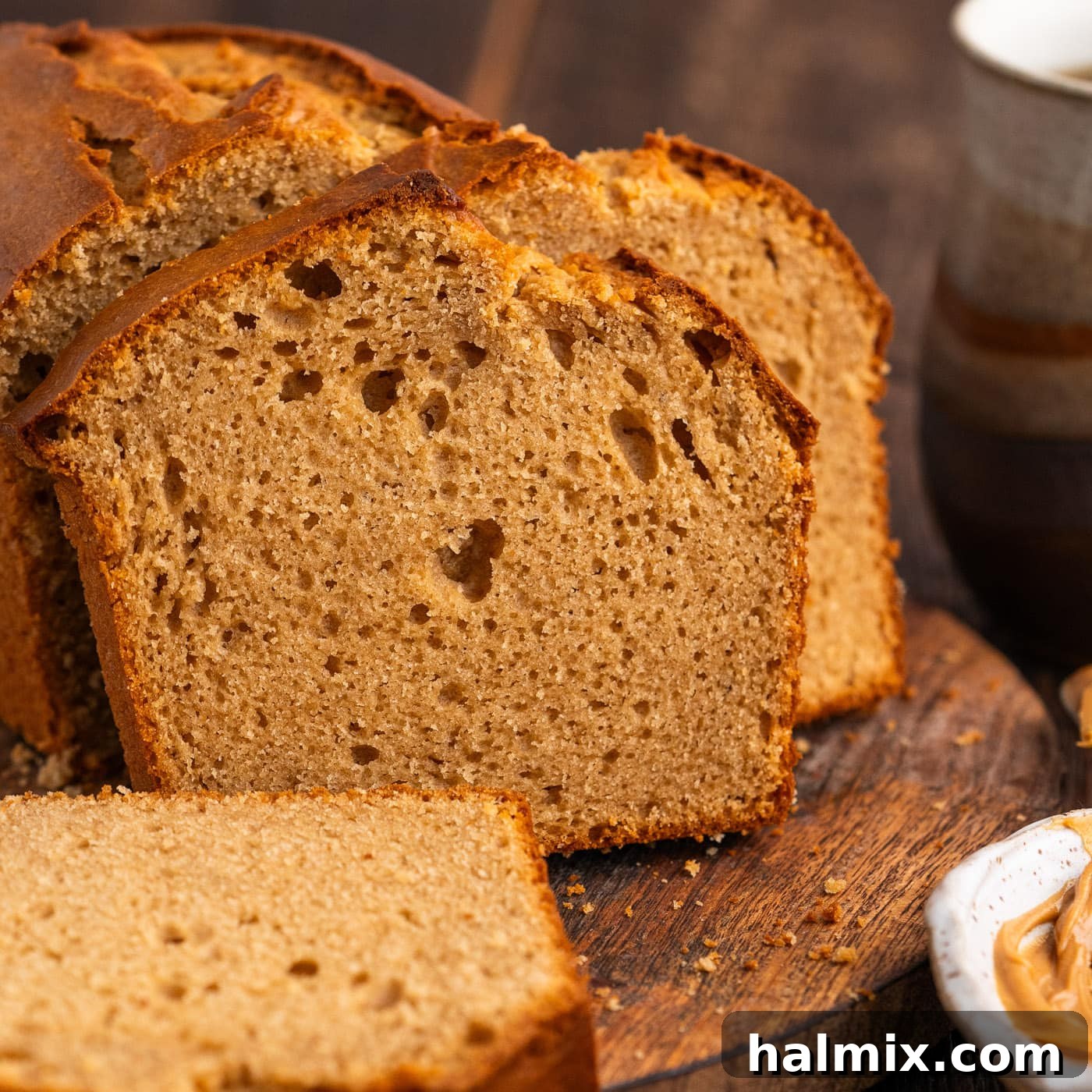
Craving a delightful treat that’s both comforting and incredibly simple to whip up? Look no further than classic peanut butter bread. This quick bread is a culinary marvel, requiring just a handful of pantry staples to create a tender, sweet, and subtly savory loaf. Perfect for a quick snack, a cozy breakfast, or even a light dessert, its irresistible aroma and soft texture make it a household favorite. Forget complicated yeast doughs; this recipe delivers rich, nutty flavor with minimal effort, proving that the best things in life are often the simplest.
Why You’ll Love This Easy Peanut Butter Bread Recipe
This peanut butter bread isn’t just a recipe; it’s a testament to simple, wholesome baking. What makes it truly special, beyond the universally loved flavor of peanut butter, is its incredible ease of preparation. Unlike traditional breads that demand time and patience for yeast to rise, this is a quick bread. Think along the lines of a moist banana bread, but with the star of the show being that irresistible salty-sweet peanut butter. It bakes up tender, soft, and lightly sweet, making every bite a pure delight.
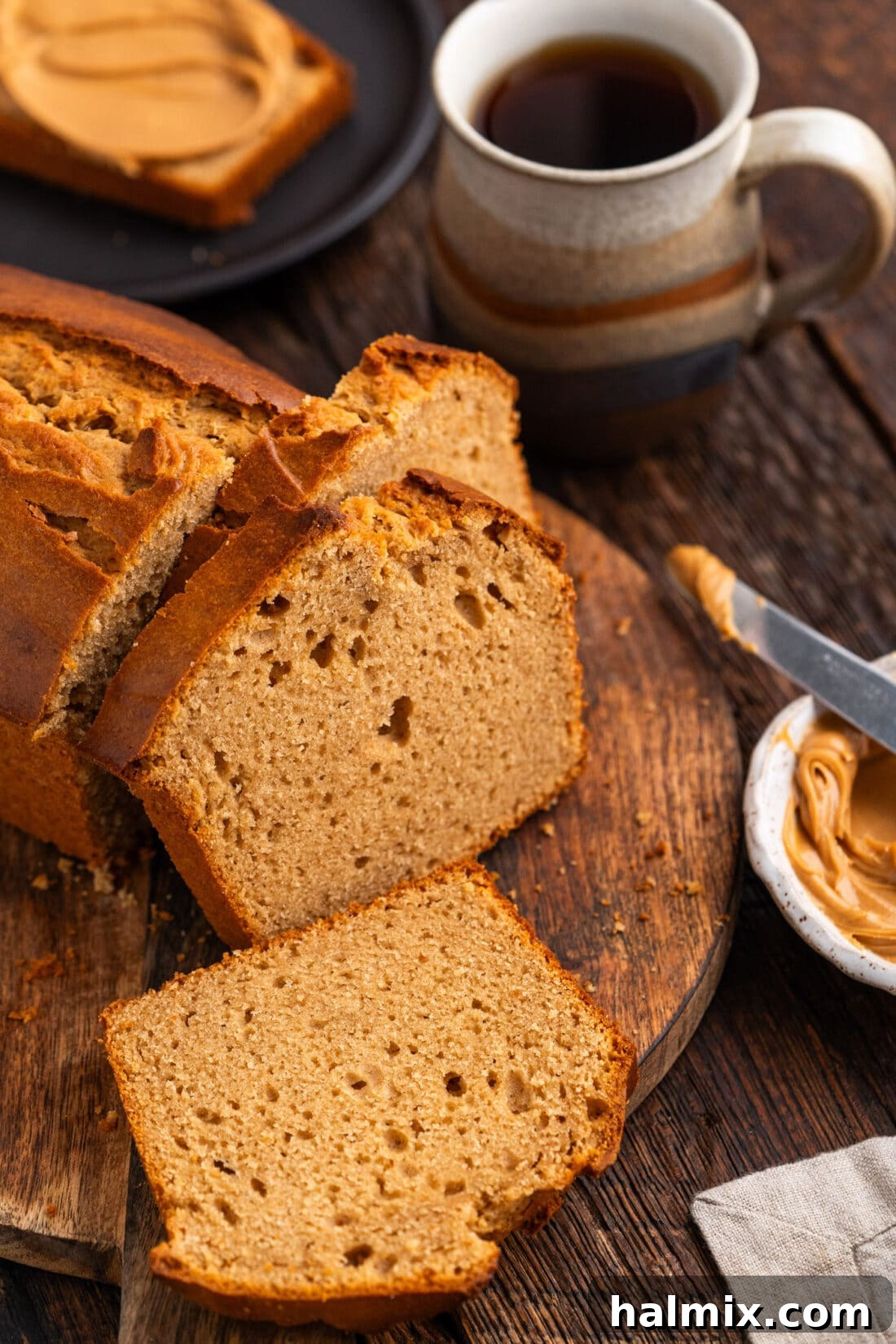
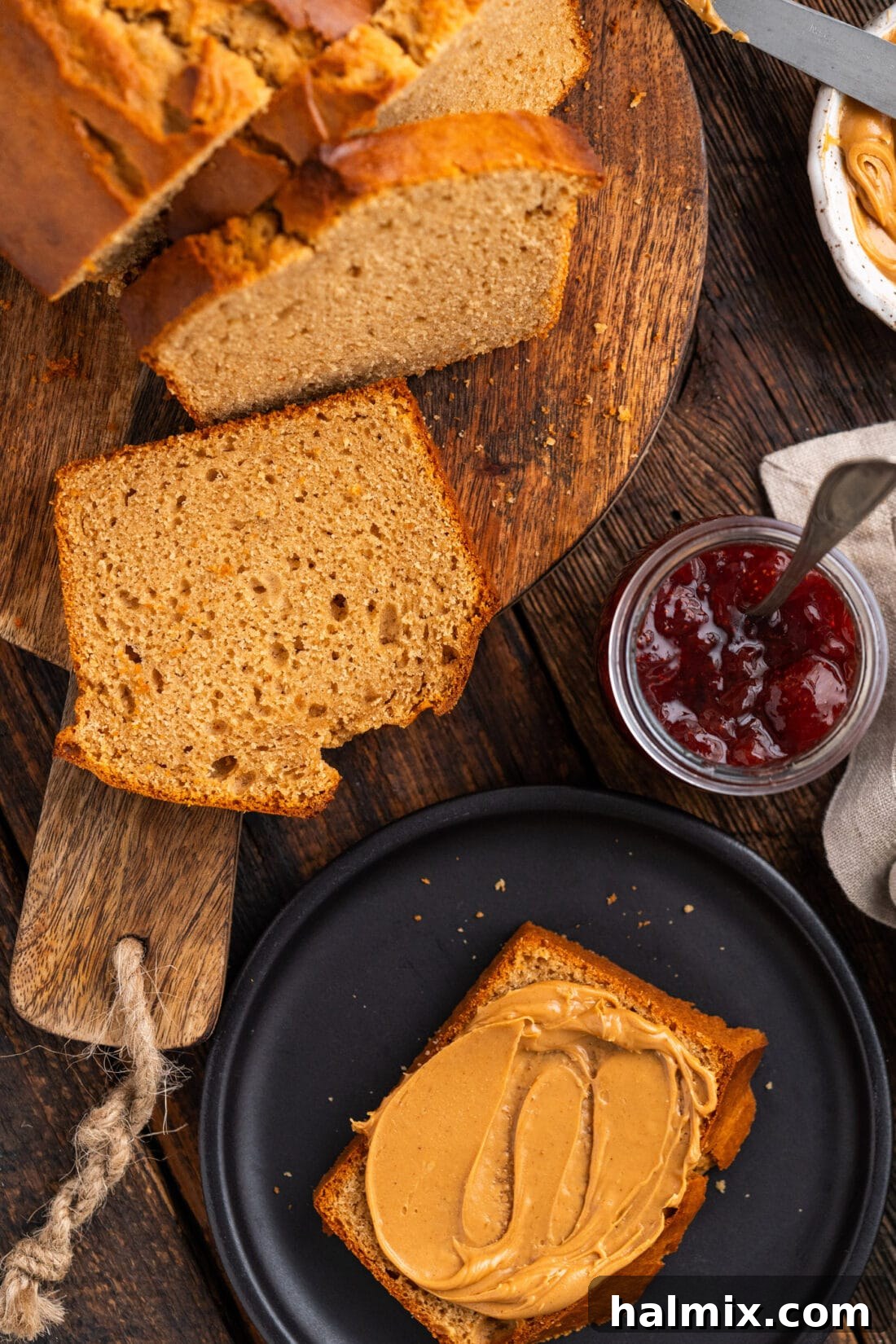
The history of peanut butter bread dates back to the Depression era, a time when resourcefulness in the kitchen was paramount. Peanut butter, being an affordable source of protein and energy, combined with inexpensive flour to create a filling and nutritious meal for many families. This humble origin story adds a layer of nostalgic charm to every loaf. Today, its appeal remains as strong as ever, offering a taste of comfort and simplicity. Whether you enjoy it sliced and toasted, generously slathered with your favorite fruit jelly, transformed into the ultimate peanut butter and jelly sandwich, or simply devoured as is with a cup of coffee or tea, this nutty quick bread offers endless possibilities for enjoyment.
Essential Ingredients for Your Peanut Butter Bread
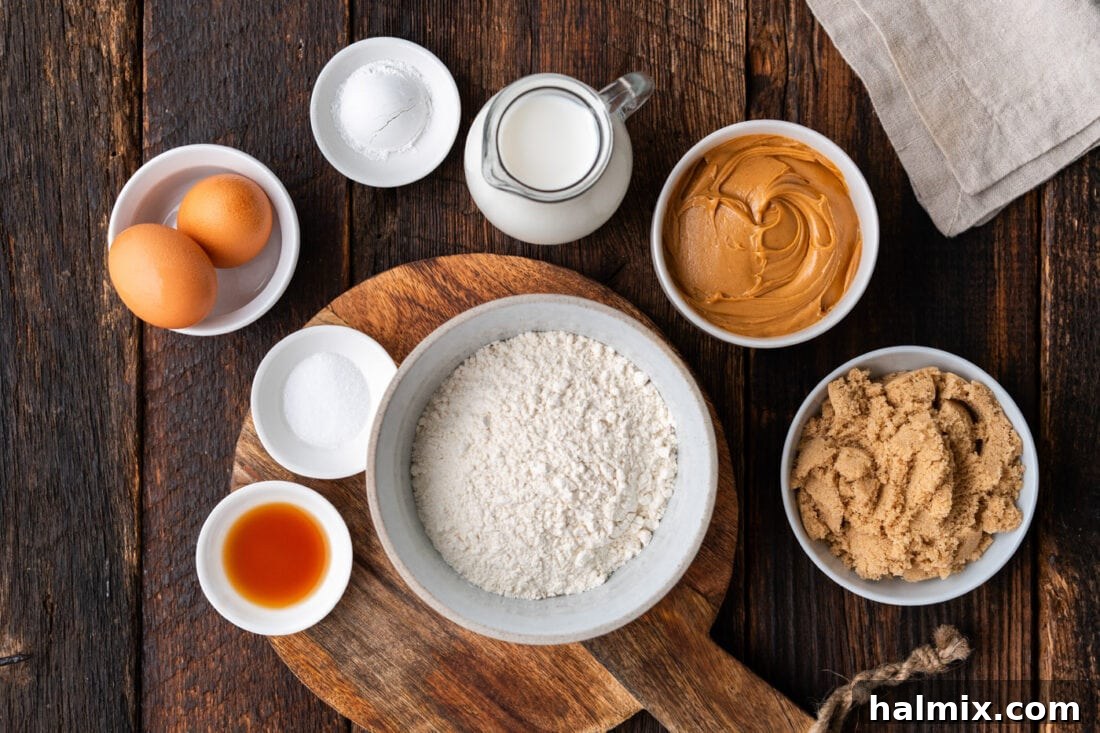
One of the beauties of this peanut butter bread recipe lies in its straightforward ingredient list. You likely have most, if not all, of these items already in your pantry! Gathered together, they transform into a truly memorable loaf. While the full, printable recipe with precise measurements is available at the end of this post, here’s a quick overview of what you’ll need to get started:
Ingredient Insights and Smart Substitutions
Understanding each ingredient’s role can elevate your baking and help you confidently make substitutions when needed. For this peanut butter bread, quality ingredients make a difference, but flexibility is also a key advantage.
- Peanut Butter: The Heart of the Loaf. For the best results in this recipe, we highly recommend using a regular creamy, sweetened peanut butter like Skippy or Jif. These types of peanut butter provide the ideal consistency and sweetness balance needed for the bread’s structure and flavor. Natural nut butters, while delicious in their own right, tend to be thinner and can alter the batter’s consistency, potentially leading to a less stable or dense loaf. Their oil separation can also make the bread greasier. Stick to the classic for that perfect, nostalgic taste and texture.
- Sugar: Sweetness and Moisture. Brown sugar is our preferred choice here, offering a subtle caramel note and contributing to the bread’s overall moisture content. The molasses in brown sugar helps create a wonderfully tender crumb. However, if brown sugar isn’t on hand, you can absolutely substitute it with granulated white sugar. For a comparable level of sweetness and texture, use approximately 3/4 cup of granulated white sugar in place of the brown sugar. While the flavor profile will be slightly different, it will still yield a delicious loaf.
- Flour: The Foundation. All-purpose flour provides the necessary structure for this quick bread. Ensure it’s measured correctly – spoon it into your measuring cup and level it off, rather than scooping directly from the bag, to avoid a dense bread. We haven’t tested gluten-free alternatives for this specific recipe, but if you’re experimenting, a 1:1 gluten-free baking blend designed for quick breads would be your best starting point.
- Eggs: Binding and Richness. Large eggs act as a binder, holding the ingredients together and contributing to the bread’s structure and richness. Ensure your eggs are at room temperature for better incorporation into the batter.
- Milk: Moisture and Tenderness. Whole milk adds essential moisture and helps create a tender crumb. If you don’t have whole milk, 2% or even skim milk can be used, though whole milk offers a slightly richer result. For a dairy-free option, unsweetened almond milk or soy milk can often be substituted in quick bread recipes with good success, but results may vary slightly.
- Vanilla Extract: Aromatic Depth. Pure vanilla extract enhances the overall flavor profile, complementing the peanut butter beautifully. Don’t skip it!
- Baking Powder and Salt: Leavening and Balance. Baking powder is the leavening agent that makes this a “quick” bread, giving it its rise and light texture. Ensure your baking powder is fresh for optimal results. Salt is crucial for balancing the sweetness and enhancing all the other flavors.
Crafting Your Perfect Peanut Butter Bread: A Step-by-Step Guide
These step-by-step photos and detailed instructions are designed to help you visualize the process of making this delicious bread. For a convenient printable version of the full recipe, complete with precise measurements and instructions, simply jump to the recipe card below.
- Prepare Your Pan and Preheat Oven: Begin by preheating your oven to 350°F (175°C). Properly prepare an 8.5 by 4.5-inch loaf pan by greasing its interior with butter or a generous coating of cooking spray. This crucial step prevents sticking and ensures your beautiful loaf can be easily removed after baking.
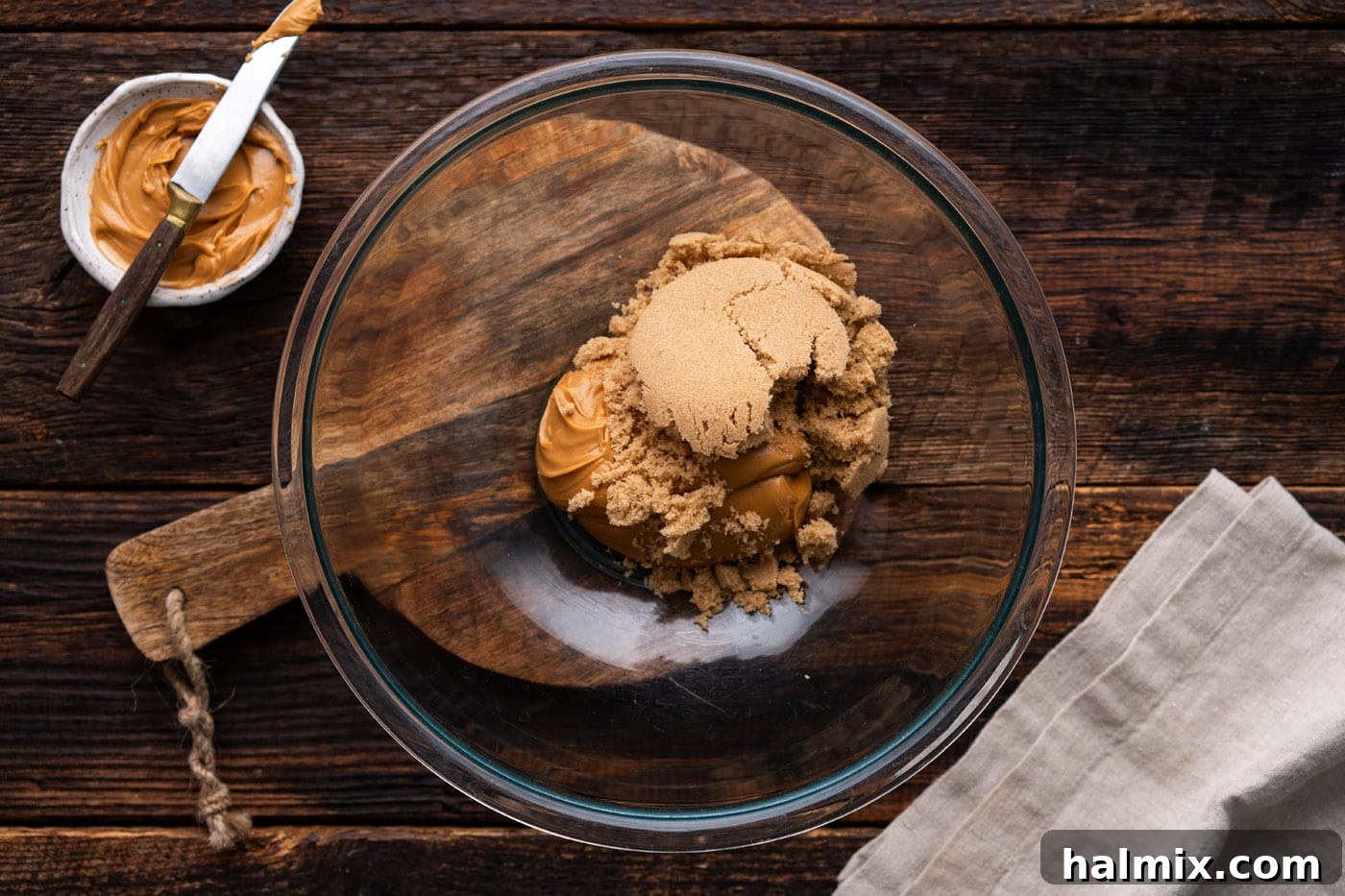
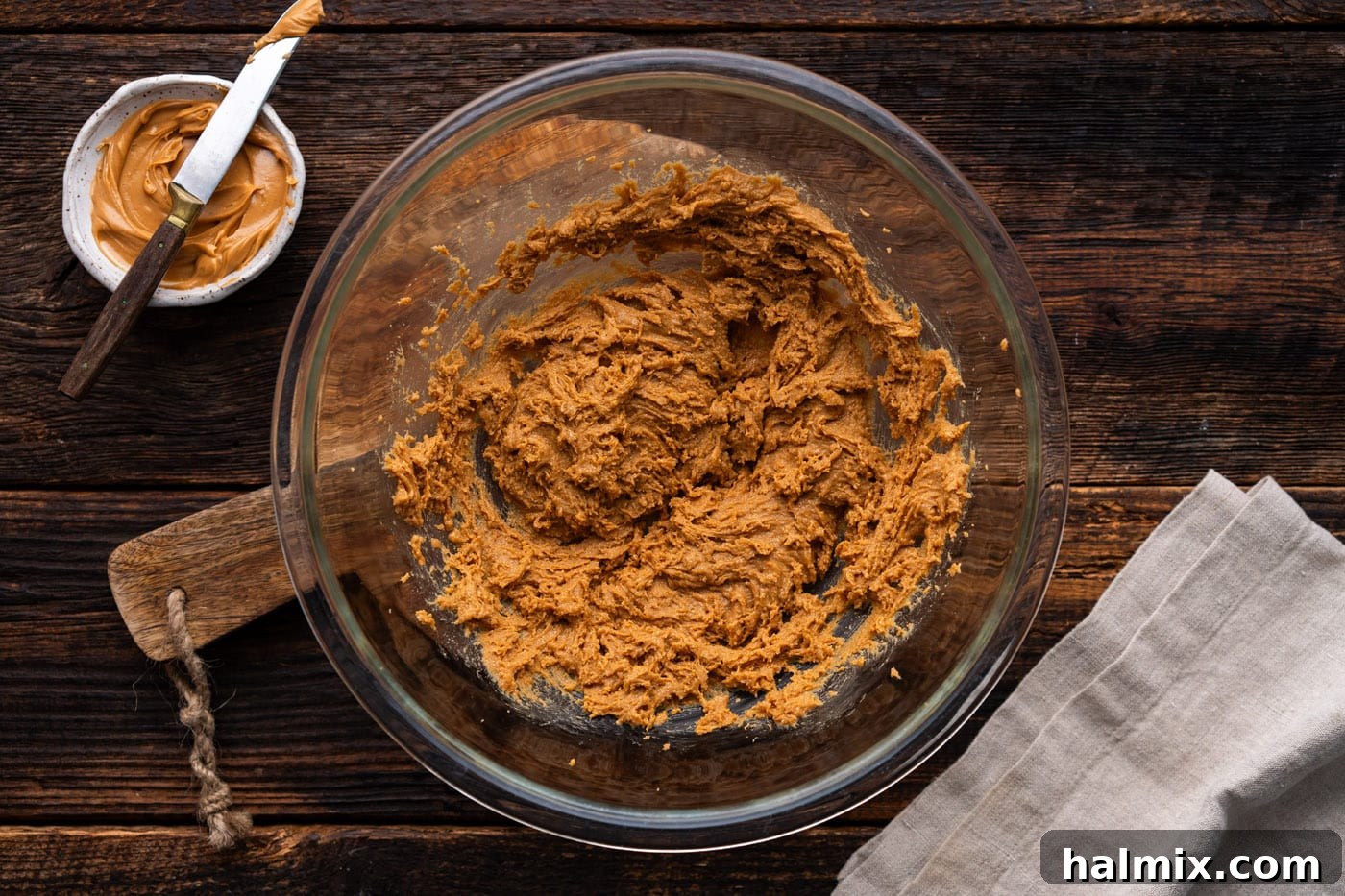
- Cream Peanut Butter and Sugar: In a large mixing bowl, combine the creamy peanut butter and light brown sugar. Using a handheld electric mixer, beat these ingredients together until they are well combined and the mixture appears light and fluffy. This process incorporates air and creates a smooth base for your batter.

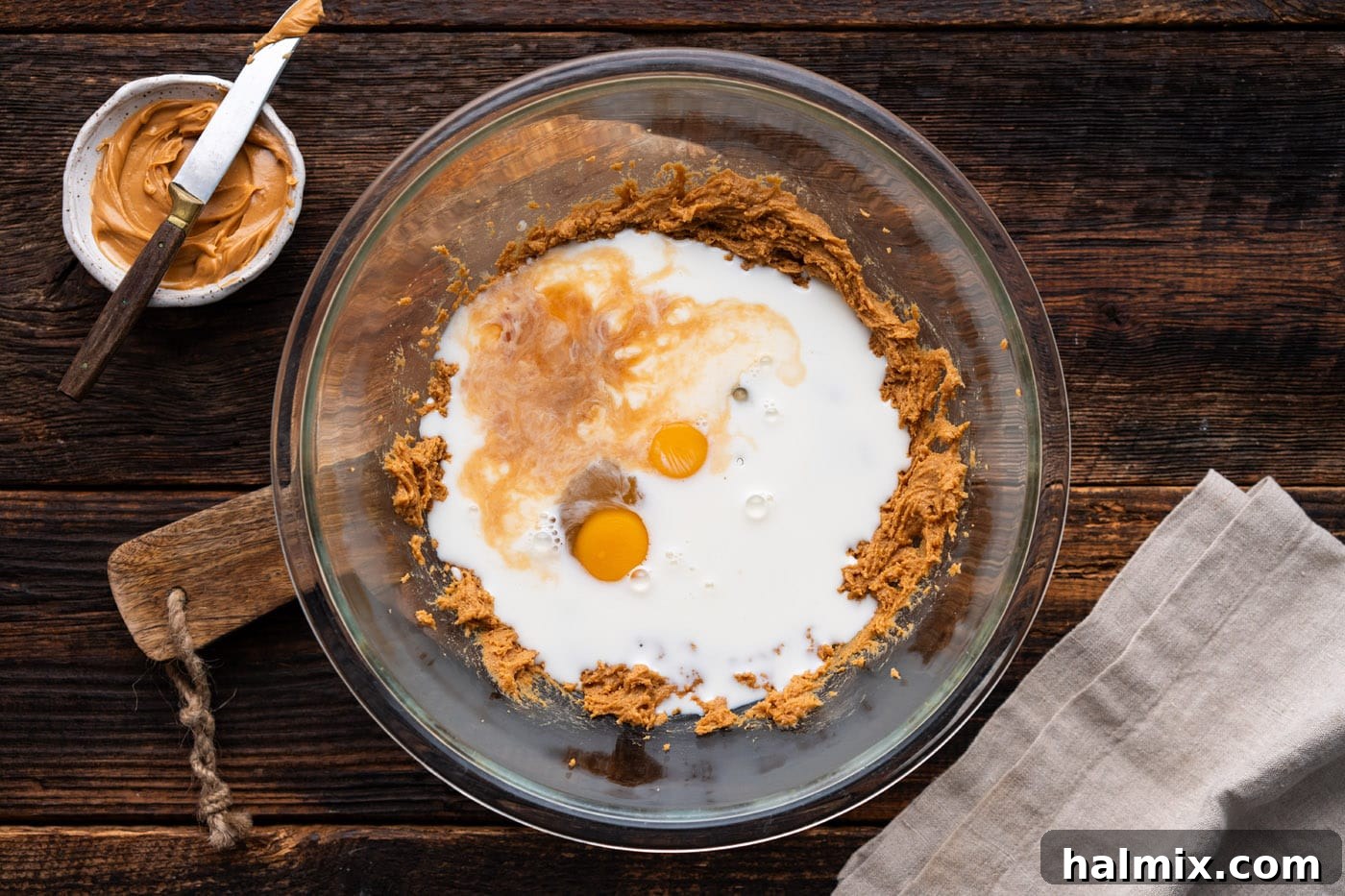
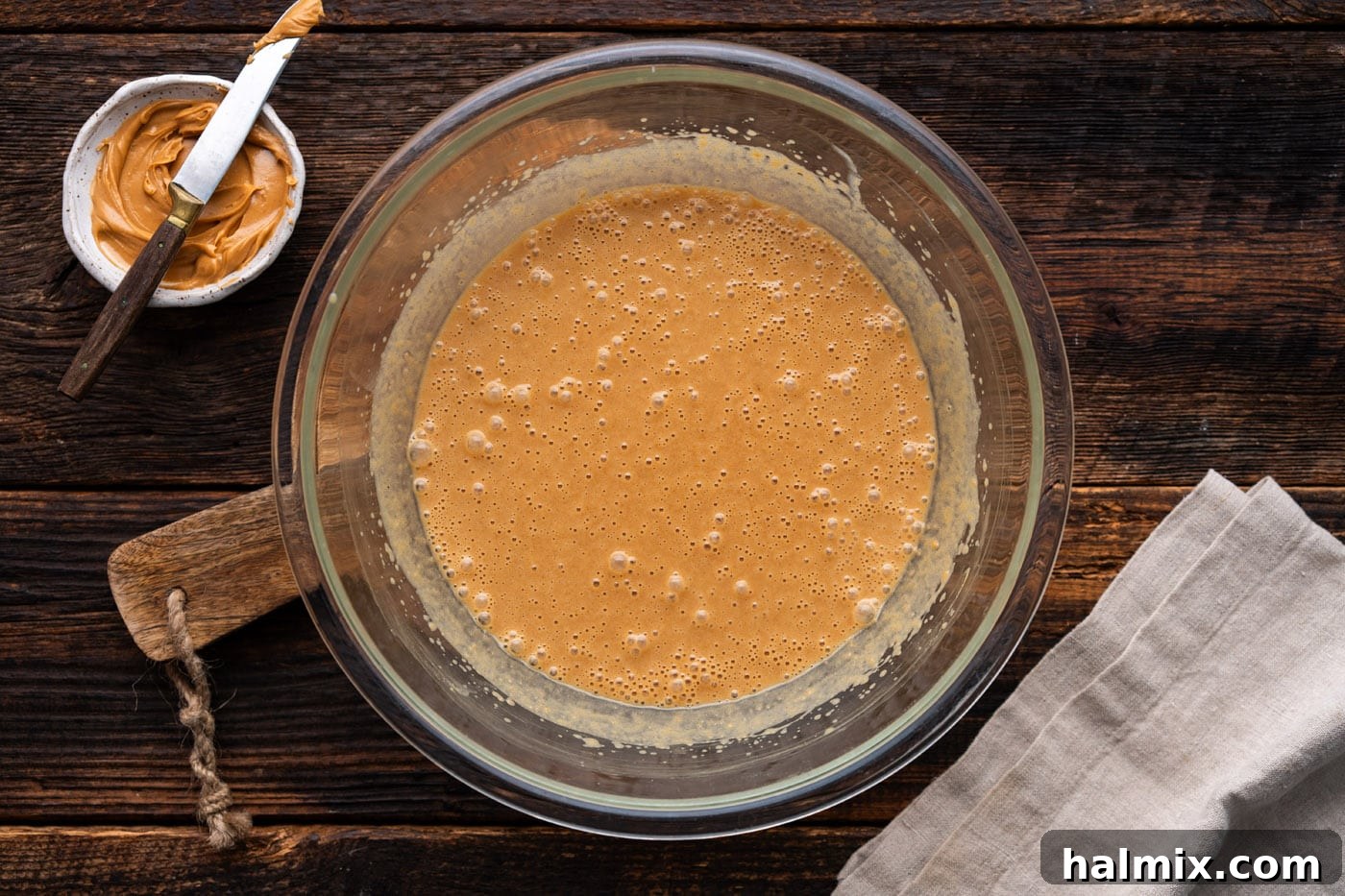
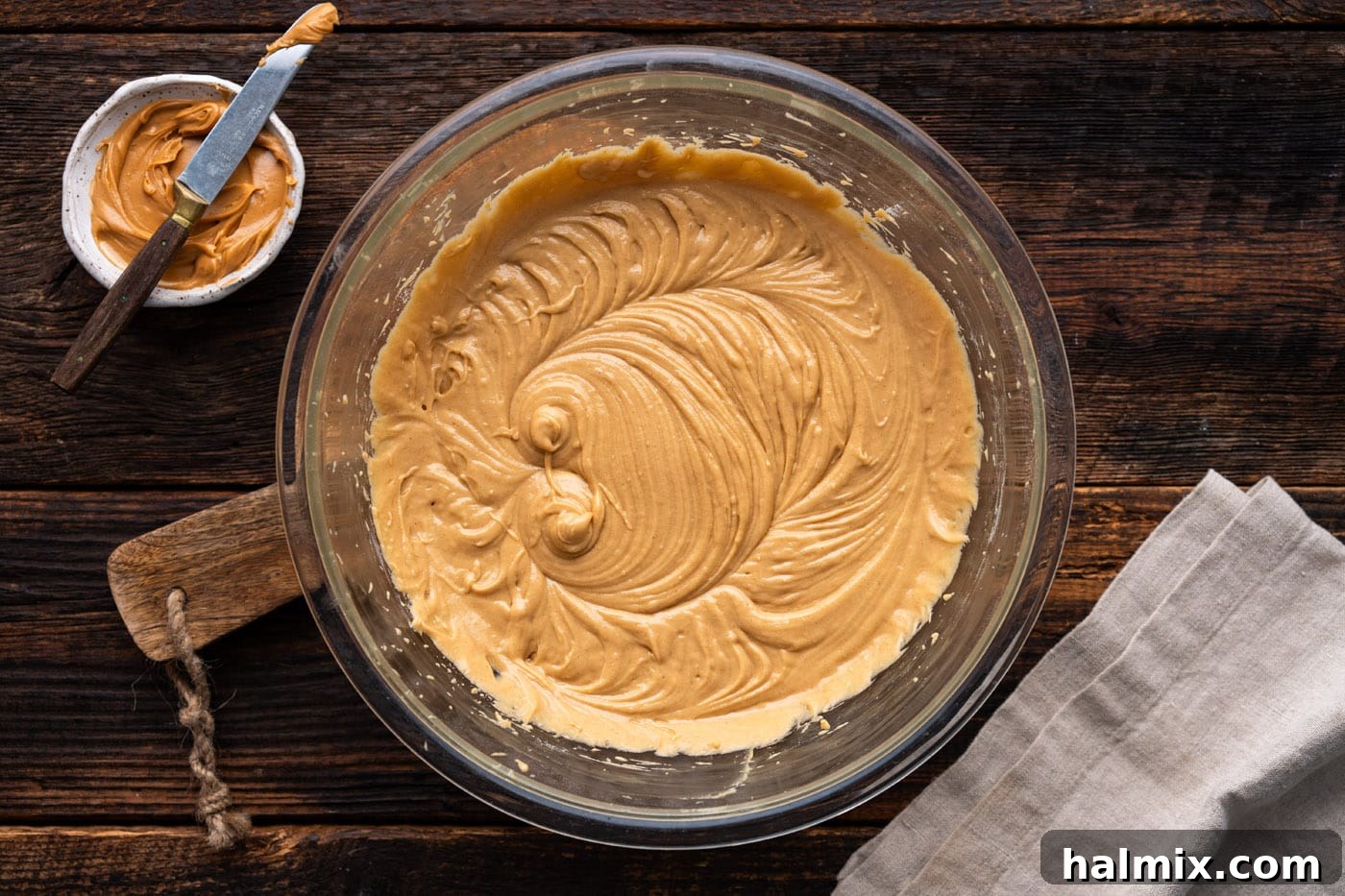
- Incorporate Wet Ingredients: Next, add the eggs, milk, and vanilla extract to the peanut butter mixture. Continue beating with the electric mixer until all the wet ingredients are thoroughly combined and the batter is smooth and uniform. Scrape down the sides of the bowl as needed to ensure everything is well incorporated.
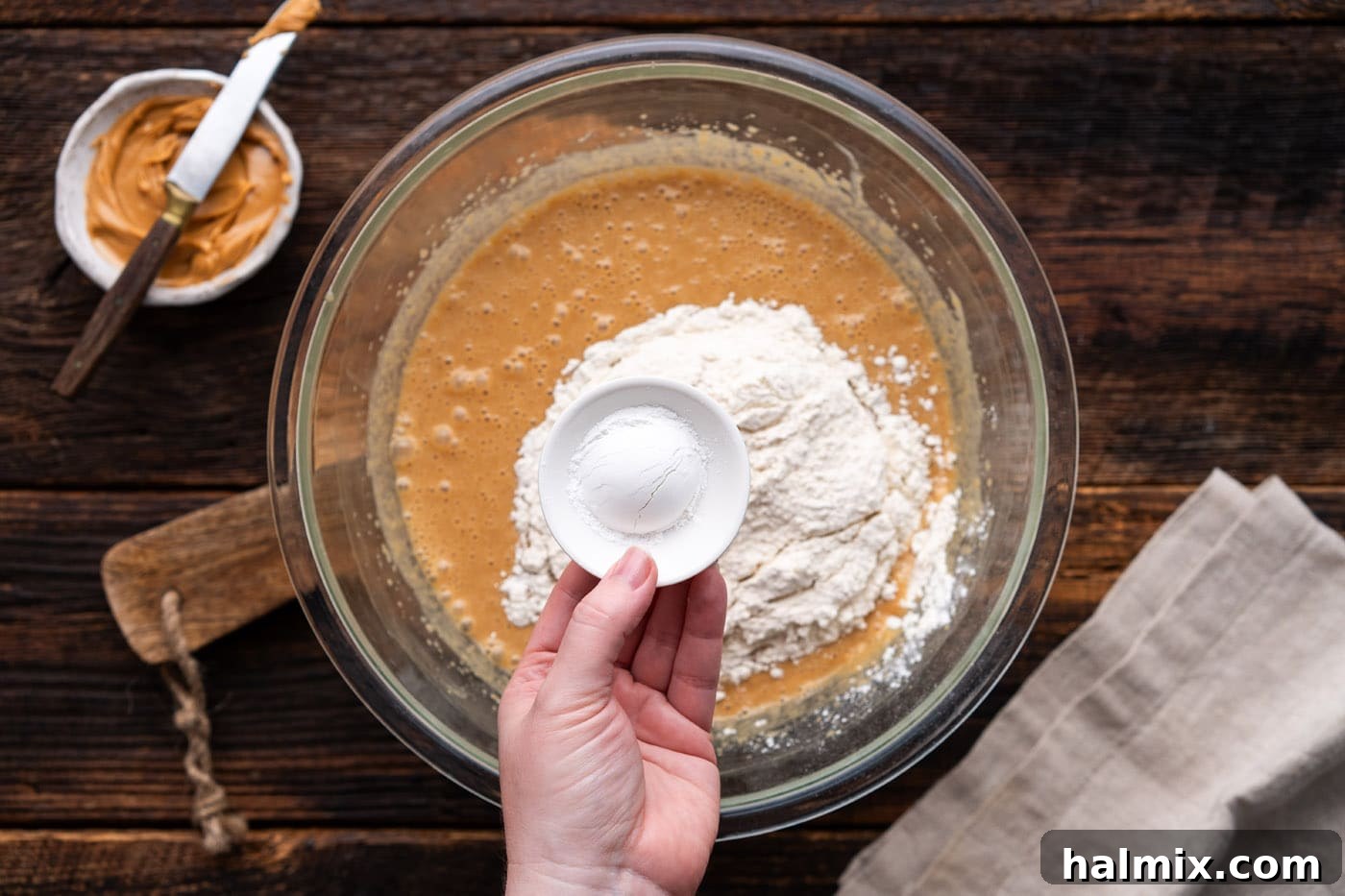
- Add Dry Ingredients: Carefully add the all-purpose flour, baking powder, and salt to the wet mixture. Beat on low speed until the dry ingredients are just incorporated into the batter. It’s vital to be careful not to over-mix at this stage; overworking the flour can lead to a tough and dry bread. Stop mixing as soon as no streaks of flour remain.
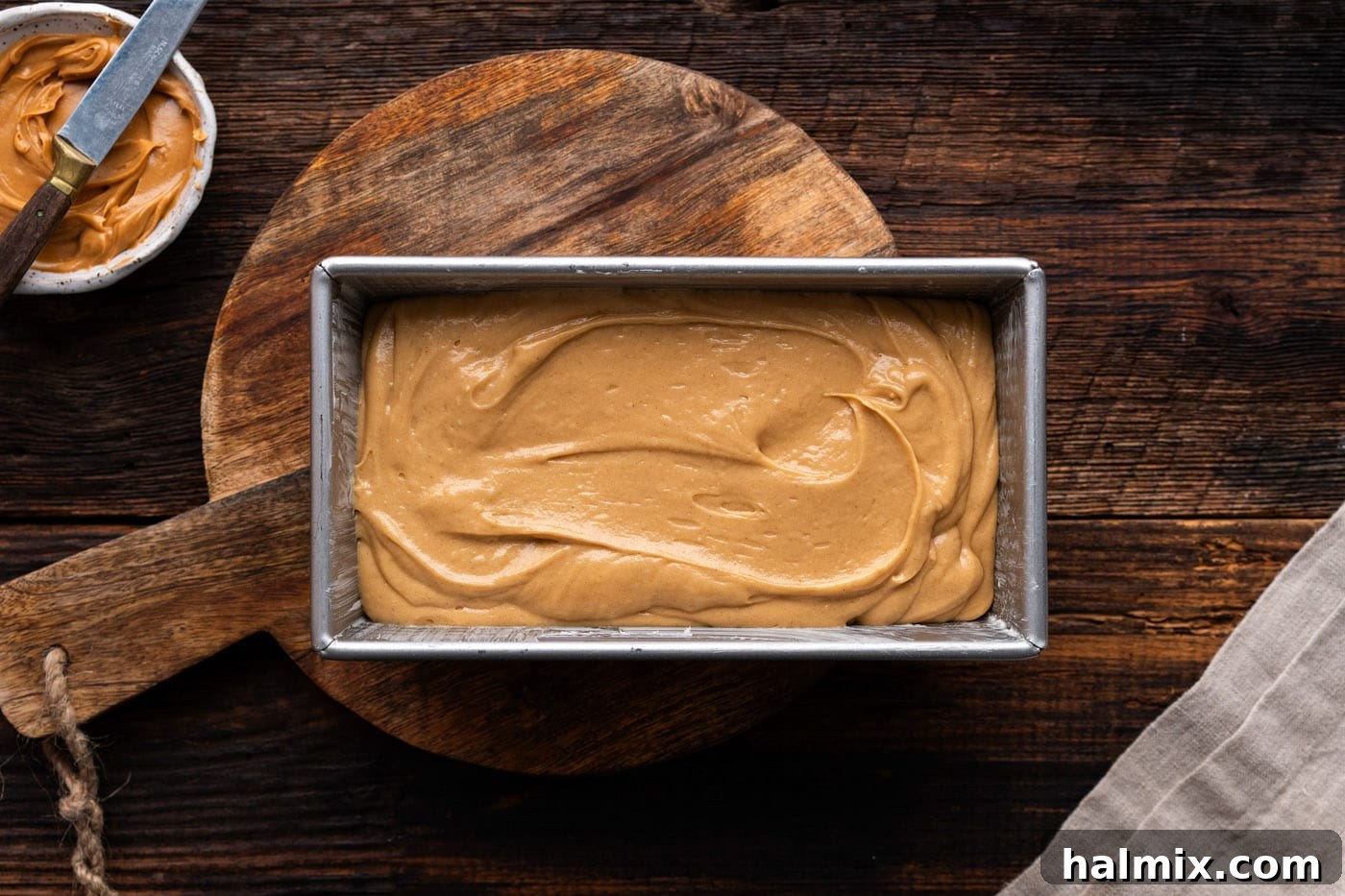
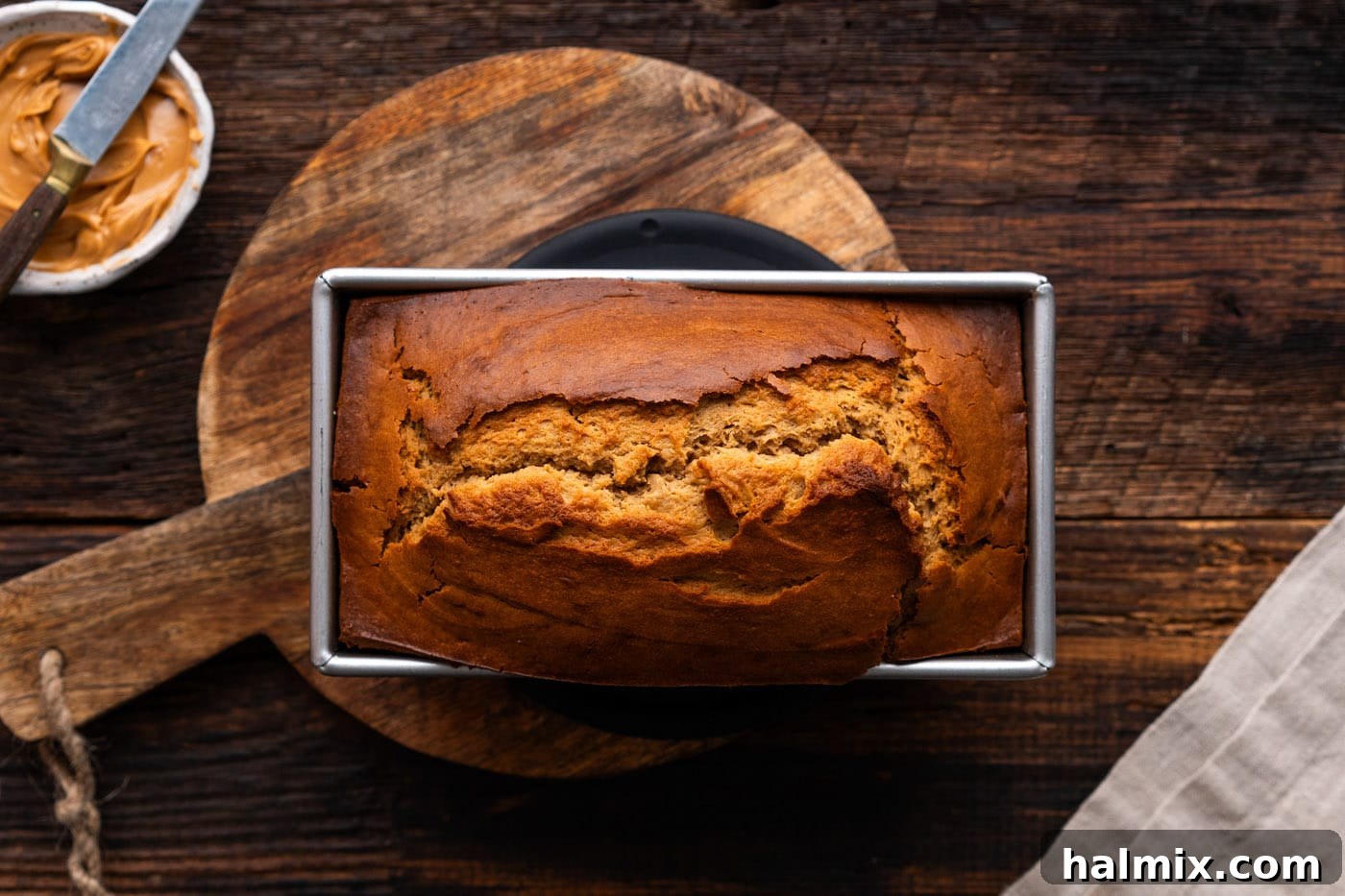
- Bake to Golden Perfection: Pour the prepared batter evenly into your greased loaf pan. Place the pan in the preheated oven and bake for approximately 55 to 65 minutes. To test for doneness, insert a toothpick into the center of the loaf. If it comes out clean, your bread is ready! The top should be golden brown and the edges lightly pulled away from the pan.
- Cool and Serve: Once baked, remove the loaf from the oven and allow it to cool in the pan for about 30 minutes. This helps the bread set and prevents it from crumbling. After 30 minutes, carefully invert the pan to remove the loaf and transfer it to a wire rack to cool completely before slicing and serving. Cooling completely ensures the best texture and flavor.
Expert Tips & Frequently Asked Questions for Perfect Peanut Butter Bread
Achieving a consistently delicious peanut butter bread is easy with a few insider tips and answers to common questions. Here’s what you need to know:
Can I add chocolate chips to this bread?
Absolutely! Peanut butter and chocolate are a match made in heaven. To transform this into a chocolate peanut butter bread, simply stir in 1 cup of semi-sweet chocolate chips (or milk chocolate, dark chocolate, or even peanut butter chips!) into the batter during the final mixing stage (after the dry ingredients are just incorporated). The warmth of the bread will melt them slightly, creating gooey pockets of chocolatey goodness.
How do you store peanut butter bread to keep it fresh?
Proper storage is key to enjoying your delicious bread for longer. Once the peanut butter bread has cooled completely to room temperature, store the loaf (or individual slices) in an airtight container. It will stay fresh and moist at room temperature for 3-4 days. If you want to extend its freshness, you can store it in the refrigerator for up to one week. Be aware that refrigeration can sometimes slightly alter the texture, but it remains perfectly delicious.
Can you freeze peanut butter bread?
Yes, peanut butter bread freezes beautifully, making it an excellent candidate for meal prep or saving for later cravings. To freeze an entire loaf, wrap it tightly a few times in plastic wrap, followed by a layer of aluminum foil. This double-layer protection helps prevent freezer burn. Place the well-wrapped loaf in a large freezer-safe bag or an airtight container and freeze for up to 3 months.
For individual portions, you can freeze slices. The best method is “flash-freezing”: arrange the slices in a single layer on a baking tray and place them in the freezer until solid (usually 1-2 hours). Once frozen, transfer the solid slices to a large zip-top freezer bag. This prevents them from sticking together, allowing you to grab just one or two slices as needed. Alternatively, you can wrap each individual slice in plastic wrap before storing them in a zip-top bag. Thaw frozen bread slices at room temperature, or warm them gently in a toaster oven for a quick treat.
Can I use a different size loaf pan?
While this recipe was specifically developed and tested using an 8.5 by 4.5-inch metal loaf pan, you can certainly try other sizes. Keep in mind that using a 9 by 5-inch loaf pan will result in a slightly flatter, wider loaf and may require a shorter baking time. If you opt for a glass loaf pan, which heats differently than metal, you might need to reduce the oven temperature by 25°F (about 15°C) and adjust the baking time accordingly. Always rely on the toothpick test: when inserted into the center of the bread, it should come out clean, indicating the bread is perfectly baked.
Preventing Over-mixing: The Key to a Tender Crumb
Over-mixing is the enemy of tender quick bread. Once you add the flour, mix just until the ingredients are combined and no dry streaks of flour remain. A few small lumps are perfectly fine and often indicate a properly mixed batter that will result in a moist, tender loaf. Overworking the gluten in the flour can lead to a tough, dry texture.
Room Temperature Ingredients
For best results, aim to use room temperature eggs and milk. Ingredients at room temperature emulsify more easily, creating a smoother, more uniform batter and a finer crumb in the finished bread. Take them out of the refrigerator about 30 minutes to an hour before you plan to start baking.
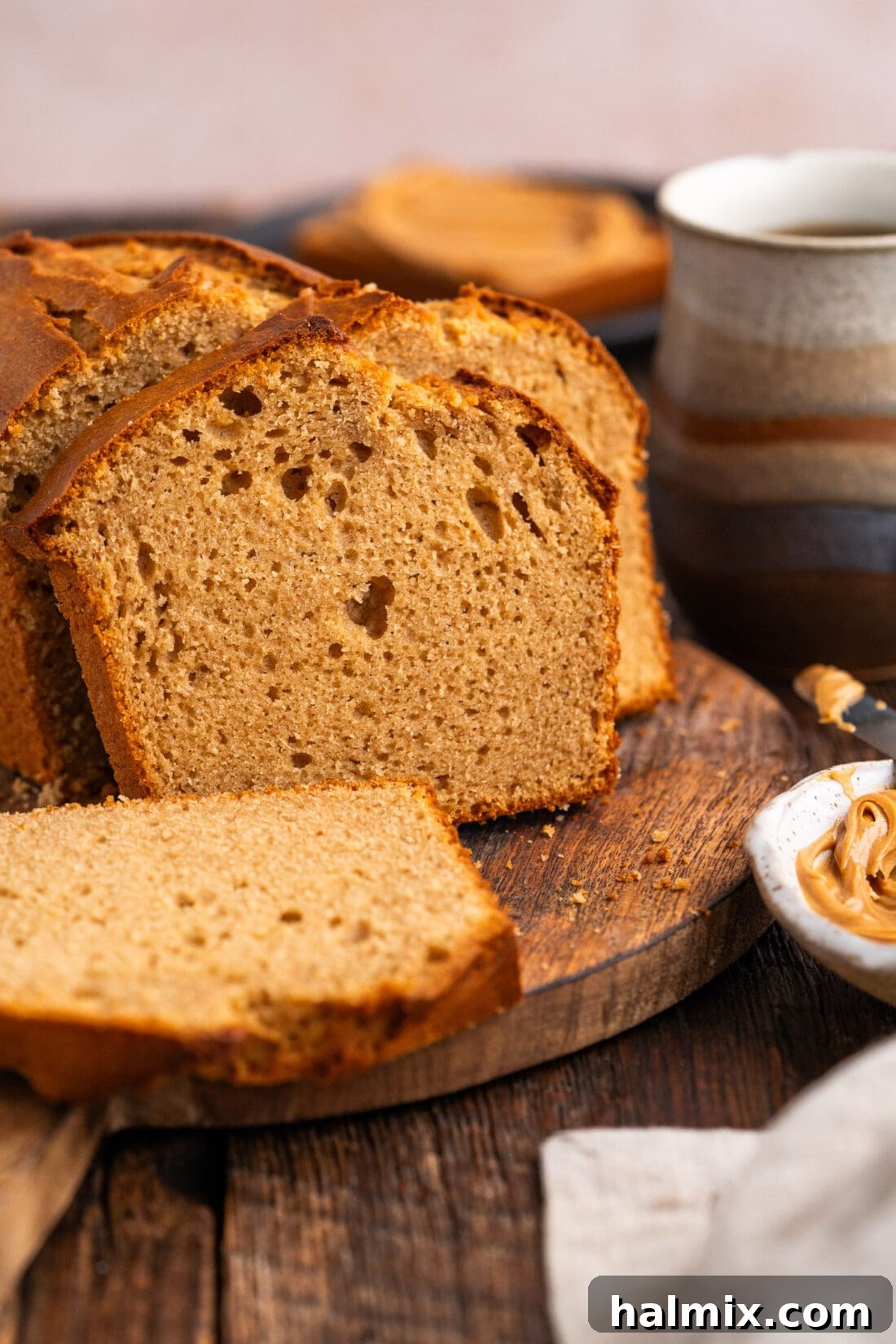
Delicious Serving Suggestions for Peanut Butter Bread
The versatility of peanut butter bread is truly one of its greatest assets. Its comforting, nutty flavor makes it suitable for a variety of occasions and pairings. Here are some delightful ways to enjoy your homemade loaf:
- Classic Toast: The simplest and often most satisfying way is to slice it and toast it lightly. The heat brings out the peanut butter flavor and gives it a slightly crispy exterior while keeping the interior soft. Spread with butter, more peanut butter, or your favorite jam for an extra layer of deliciousness.
- Peanut Butter and Jelly Remix: Elevate the classic PB&J sandwich by using slices of this bread. The inherent peanut butter flavor means you might even use less spread, letting the bread shine through.
- Breakfast Bliss: Serve it alongside your morning coffee, tea, or a glass of milk. It’s a quick, satisfying way to start your day, especially when you’re on the go.
- Grab-and-Go Snack: Pre-slice the loaf and store individual portions for easy school lunches, after-school snacks, or a mid-afternoon pick-me-up at work. It’s far more wholesome and satisfying than store-bought options.
- Sweet Treat: While subtly sweet on its own, you can turn it into a more decadent dessert. Drizzle with chocolate syrup, a dollop of whipped cream, or a sprinkle of powdered sugar. A scoop of vanilla or chocolate ice cream alongside a warm slice is pure indulgence.
- Fruit Pairings: The nutty flavor pairs wonderfully with fresh fruits like sliced bananas, apples, or berries. A simple fruit compote would also be a fantastic addition.
- Nutty French Toast: For a truly unique breakfast, try making French toast with slices of peanut butter bread! The combination of flavors and textures is incredible.
Explore More Quick Bread Recipes
If you’ve fallen in love with the ease and deliciousness of quick breads, there’s a whole world of flavors to explore. These no-yeast wonders are perfect for busy bakers or anyone looking for a comforting treat. Here are some other quick bread recipes that are sure to become new favorites:
- Apple Bread
- Peach Bread
- Pineapple Quick Bread
- Cantaloupe Quick Bread
- Chocolate Chip Banana Bread
- Ice Cream Bread
I absolutely adore sharing my passion for baking and cooking with you! To make sure you never miss out on a new recipe, consider joining my convenient newsletter. Simply subscribe and receive delicious, free daily recipes delivered straight to your inbox!
Peanut Butter Bread
Peanut butter bread boasts a delicate crumb with a subtly sweet yet distinctly savory base, ensuring the rich peanut butter flavor shines through in every tender bite! This easy quick bread is perfect for any time of day.
IMPORTANT – You’ll find plenty of helpful Frequently Asked Questions and Expert Tips within the blog post. Scroll up to read them for additional guidance!
Print Recipe
Pin Recipe
Ingredients
- 1 cup creamy sweetened peanut butter (such as Skippy or Jif)
- ⅔ cup light brown sugar, lightly packed
- 2 large eggs
- 1 cup whole milk
- ½ Tablespoon pure vanilla extract
- 1 ¾ cups all-purpose flour
- 1 Tablespoon baking powder
- 1 teaspoon salt
Things You’ll Need
- 8.5 by 4.5 inch loaf pan
- Hand mixer
- Mixing bowls
- Wire cooling racks
Before You Begin (Helpful Notes)
- You can use 3/4 cup granulated white sugar instead of brown sugar if desired.
- I recommend sticking to regular creamy peanut butter (such as Skippy or Jif) for this recipe. Natural butters tend to be too thin for the correct consistency.
- To make chocolate peanut butter bread, stir in 1 cup of semi-sweet chocolate chips to the batter.
- Store the cooled bread in an air-tight container at room temperature for 3-4 days or in the refrigerator for up to one week.
- TO FREEZE: Wrap the loaf tightly in plastic wrap, then a layer of aluminum foil. Freeze for up to 3 months. Individual slices can be flash-frozen on a baking tray, then transferred to a zip-top bag. Thaw at room temperature.
Instructions
- Preheat the oven to 350°F (175°C). Grease the inside of an 8.5 by 4.5-inch loaf pan with butter or cooking spray.
- In a large bowl, add the peanut butter and brown sugar. Use a handheld electric mixer to beat until well combined.
- Beat in the eggs, milk, and vanilla extract until the mixture is smooth.
- Add the flour, baking powder, and salt. Beat until just incorporated, being careful not to over-mix.
- Transfer the batter to the prepared loaf pan and bake until a toothpick inserted into the center comes out clean, approximately 55 to 65 minutes.
- Cool the bread in the pan for 30 minutes, then remove the loaf and let it finish cooling completely on a wire rack before slicing.
Nutrition
Calories: 201cal |
Carbohydrates: 24g |
Protein: 6g |
Fat: 9g |
Saturated Fat: 2g |
Polyunsaturated Fat: 2g |
Monounsaturated Fat: 4g |
Trans Fat: 0.003g |
Cholesterol: 25mg |
Sodium: 233mg |
Potassium: 226mg |
Fiber: 1g |
Sugar: 11g |
Vitamin A: 58IU |
Calcium: 72mg |
Iron: 1mg
Follow on Pinterest @AmandasCookin or tag #AmandasCookin!
The recipes on this blog are carefully tested with a conventional gas oven and gas stovetop. Please note that oven performance, especially with age, can be inconsistent. An inexpensive oven thermometer can help verify your oven’s true temperature. If using a toaster oven or countertop oven, be aware that heat distribution may differ from a full-sized oven, potentially requiring adjustments to cooking/baking times. For recipes with weight measurements, results may vary if cup measurements are used instead, and success with that method cannot be guaranteed.