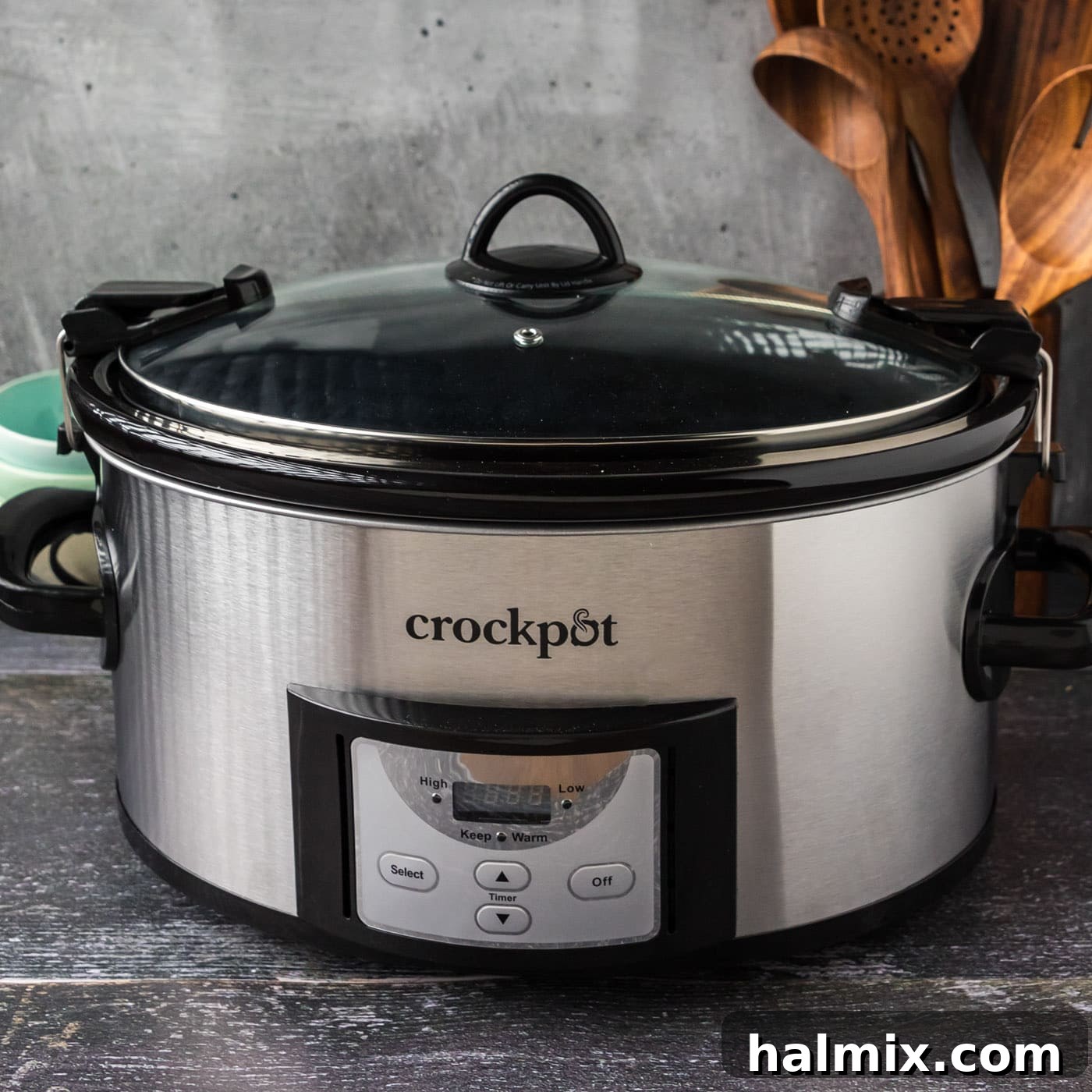
Transform your approach to weeknight dinners and weekend entertaining with the ultimate kitchen workhorse: the slow cooker. This indispensable appliance makes “dump-and-go” meals a reality, effortlessly creating delicious dishes while you go about your day. But to truly unlock its full potential, a few insider tips and tricks can elevate your slow cooking experience from good to absolutely exceptional. Prepare to dive deep into the world of slow cooking and discover how to master your appliance for the best meals, appetizers, sides, and desserts.
Reclaim Your Evenings: How a Slow Cooker Becomes Your Time-Saving Ally
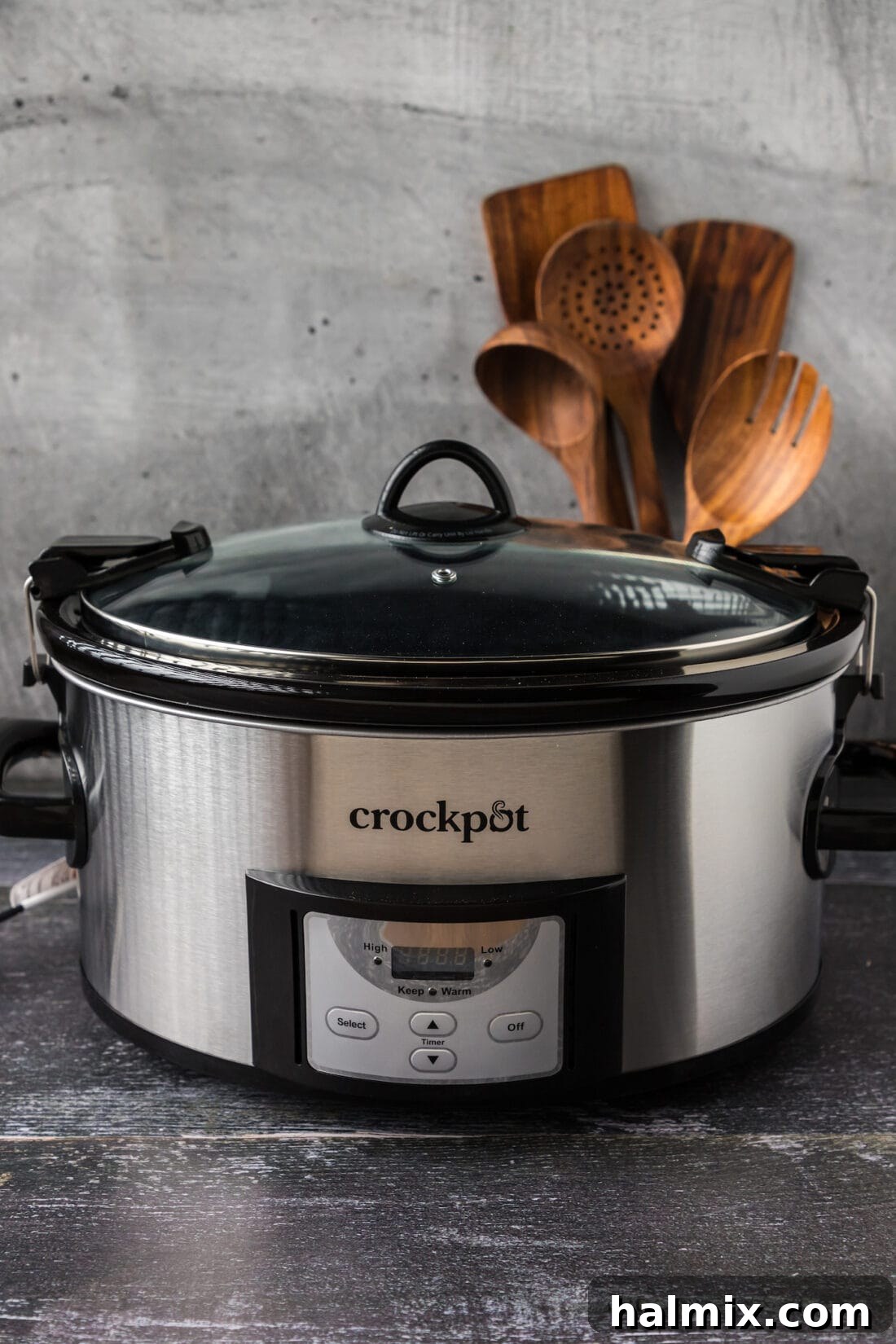
In today’s fast-paced world, finding time to prepare a home-cooked meal can feel like a luxury. This is precisely where the slow cooker shines as a truly fabulous time-saver. Imagine returning home after a long, event-filled day to a house filled with the inviting aromas of a freshly prepared dinner. No last-minute scrambling, no extensive cooking sessions—just delicious, ready-to-eat food. The magic lies in a little foresight: dedicate a short amount of prep work in the morning, or even the night before, and your slow cooker handles the rest, simmering ingredients to perfection throughout the day.
This hands-off cooking method liberates you from kitchen duties during peak hours. Instead of rushing to get dinner on the table, you gain valuable time for family, hobbies, or simply relaxing. Pair your slow cooker creation with a quick side dish, such as store-bought refrigerator biscuits, a fresh chopped salad, or a crusty loaf of bread, and a wholesome meal is served with minimal effort. The extra time you save can even be channeled into crafting homemade delights, like these satisfying pull-apart dinner rolls, adding an extra touch of warmth to your table.
Selecting Your Perfect Partner: A Guide to Choosing the Right Slow Cooker
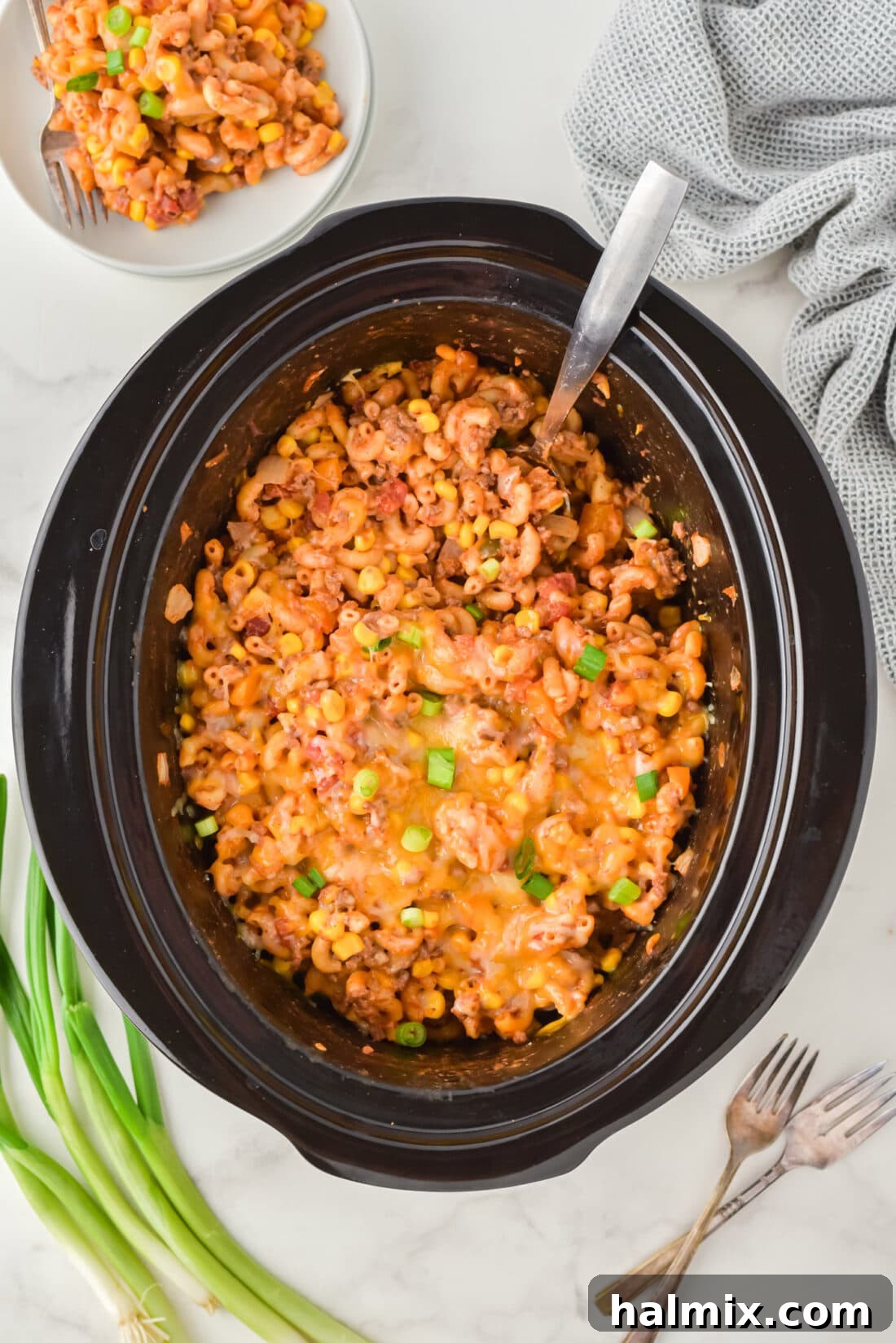
With an array of options on the market, choosing the ideal slow cooker can seem daunting, but it primarily boils down to understanding your family’s needs and cooking habits. The first and most critical factor is size. For most families and a majority of recipes, a 5 or 6-quart crockpot offers exceptional versatility. This size is generally sufficient for preparing meals for 4-6 people, making it a popular choice for everything from hearty stews and roasts to casseroles.
However, your specific requirements might vary. Smaller households (1-2 people) or those primarily interested in dips, appetizers, or side dishes might find a 1.5 to 3-quart slow cooker more appropriate. Conversely, if you frequently entertain large groups, cook for big families, or enjoy meal prepping in bulk, an 8-quart or larger model would be a worthwhile investment. Think about the types of dishes you plan to make and the number of servings you’ll typically need.
Key Features to Look For: Enhancing Your Slow Cooking Experience
- Removable Ceramic Crock: This feature is non-negotiable for convenience. A removable ceramic insert makes cleanup a breeze, as it’s often dishwasher-safe. More importantly, it allows you to prep your ingredients the night before, store the entire crock in the refrigerator, and simply transfer it to the heating unit in the morning. This foresight streamlines your morning routine significantly.
- Programmable Settings: While basic models offer manual ‘High,’ ‘Low,’ and ‘Warm’ settings, many modern slow cookers come with programmable timers. These allow you to set a specific cooking duration, after which the unit automatically switches to a ‘Keep Warm’ mode. This feature provides peace of mind, preventing overcooking and ensuring your meal is held at a safe serving temperature until you’re ready.
- Lid Type: Standard glass lids are common, allowing you to monitor progress without lifting. For portability, consider models with a latching or locking lid. This design prevents spills during transport, making your slow cooker perfect for potlucks, picnics, and family gatherings.
- Digital vs. Manual Controls: Digital displays often accompany programmable features, offering precise control over cooking times and temperatures. Manual dials are simpler and typically found on more budget-friendly models, but they still get the job done efficiently.
Where to Purchase Your Slow Cooker
You don’t necessarily need to break the bank to acquire a good slow cooker. While new models typically range from $30-40 at discount department stores, online retailers, and specialty kitchen stores, you can often find fantastic deals. For the budget-conscious or those who appreciate a good bargain, thrift stores, garage sales, and rummage sales can be treasure troves. When purchasing a used unit, always inspect it for any cracks in the ceramic crock or damage to the heating element and electrical cord to ensure safety and functionality.
Mastering Your Appliance: Essential Tips for Slow Cooker Success
Now that you’ve got your slow cooker ready, let’s explore the fundamental principles that will transform your favorite stovetop and oven recipes into effortlessly delicious slow cooker masterpieces. While these appliances are incredibly forgiving, a few key considerations will ensure optimal results every time.
- Layering for Even Cooking: Always place root vegetables like potatoes, carrots, and onions at the bottom of the crock, directly touching the heating element. These ingredients require the longest cooking time and benefit from maximum heat exposure. Place meat on top of the vegetables.
- Meat Preparation is Key: For best results and healthier meals, trim excess fat from meat and remove skin from poultry. While browning meat before adding it to the slow cooker isn’t strictly necessary, it can add depth of flavor and a richer color to your finished dish. If you choose to brown, do so quickly in a separate pan before transferring. Cut larger cuts of meat into smaller, more manageable pieces if needed, to ensure they fit comfortably and cook evenly.
- Mind the Liquid: This is a common pitfall for new slow cooker users. Unlike stovetop cooking where liquid evaporates, a slow cooker’s tightly sealed lid traps moisture. This means you’ll need significantly less liquid than traditional recipes. As a general rule, aim for about half the amount of liquid a conventional recipe calls for, or just enough to cover the ingredients. The ingredients themselves will release additional moisture during the long cooking process. Too much liquid can result in a watery, diluted dish. If a recipe doesn’t specify liquid, a half cup of water or broth is usually sufficient.
- When to Add Delicate Ingredients: Ingredients like pasta, instant rice, milk, cream, or delicate herbs are best added toward the end of the cooking cycle. Pasta and rice can become mushy if cooked too long, while dairy products can curdle. Add these during the last 30 minutes to an hour of cooking time.
- Seasoning Strategy: Slow cooking can sometimes mellow out flavors over time. To ensure vibrant tastes, especially with fresh herbs, add them in the last 30-60 minutes of cooking. Hardier dried herbs and spices can be added at the beginning, but a final adjustment of salt and pepper at the end is always recommended.
- Optimal Filling Level: Your slow cooker should be approximately 2/3 full. Filling it too little can cause food to dry out, cook too quickly, or even burn around the edges due to direct heat exposure. Conversely, overfilling your slow cooker can lead to uneven cooking, insufficient heat circulation, and potentially cause overflow as food expands during cooking. Strive for that ideal two-thirds capacity for consistent results.
- Resist the Urge to Peek: This is perhaps the most crucial rule for slow cooker success. Lifting the lid, even for a quick glance, causes a significant drop in temperature and allows valuable heat and moisture to escape. Each time the lid is opened, it can add at least 20-30 minutes, or even more, to your overall cooking time as the appliance works to regain its temperature. Trust the process and let your slow cooker do its job uninterrupted.
- Understanding High vs. Low Settings: Your slow cooker typically offers “High” and “Low” settings. The “Low” setting cooks at a lower temperature over a longer period, usually 6-8 hours, making it ideal for tenderizing tougher cuts of meat and for meals that simmer all day. The “High” setting cooks at a higher temperature, typically completing meals in 3-4 hours. A good rule of thumb for conversion is that cooking on “Low” takes approximately twice as long as cooking on “High.” So, if a recipe calls for 7 hours on low, you could likely adjust to about 3.5 hours on high. This flexibility allows you to adapt recipes to your schedule, but always err on the side of caution and check for doneness.
The Unsung Hero of Entertaining: Slow Cookers for Potlucks, Parties, and Travel
The utility of your slow cooker extends far beyond daily meals. It’s an absolute game-changer for social events, offering unparalleled convenience for keeping food warm and serving it with ease. Imagine preparing a delicious dish all day long, then simply unplugging your slow cooker, transporting it to your destination, and plugging it back in. Most slow cookers feature a “Warm” or “Keep Warm” setting, which maintains a safe serving temperature without continuing to cook the food. This means your famous homemade chili, savory pulled pork, or creamy dip stays perfectly hot and ready for guests at church potlucks, tailgate parties, holiday gatherings, or even just family dinners at a relative’s house. It eliminates the need for reheating or worrying about food cooling down, making you the effortless host or guest.
Ensuring Food Safety: Is Your Slow Cooker Cooking Food Safely?
One of the primary concerns when using any cooking appliance is food safety. Rest assured, slow cookers are specifically engineered to cook food slowly enough to allow for unattended operation for several hours, yet fast enough to maintain ingredients at a safe internal temperature, well above the “danger zone” where harmful bacteria can multiply (between 40°F and 140°F). However, like all kitchen equipment, it’s prudent to ensure your appliance is performing optimally. A simple home test can provide peace of mind regarding your slow cooker’s heating capabilities.
Conducting a Slow Cooker Temperature Test:
This quick test helps confirm your slow cooker is reaching and maintaining a safe cooking temperature:
- Step 1: Fill the Crock: Fill your slow cooker with approximately 2 quarts of tepid (lukewarm) water. This simulates the initial temperature of ingredients.
- Step 2: Heat on Low: Place the lid on the slow cooker and set it to the “Low” setting. Allow it to cook for 8 hours without lifting the lid.
- Step 3: Check Temperature Quickly: After 8 hours, carefully and quickly remove the lid. Immediately use an instant-read thermometer to check the temperature of the water. Speed is crucial here, as the temperature inside will drop dramatically once the lid is removed.
- Step 4: Analyze Results: The water temperature should ideally be 185 degrees F (85°C) or higher.
Interpreting Your Test Results:
- Temperature above 185°F: If your slow cooker registers a temperature significantly higher than 185°F, it means your appliance runs quite hot. While this is safe, it indicates that meals cooked for 8 hours on low without stirring or adding liquid might be overdone, dry, or even burn. You may need to adjust cooking times downwards or add a little extra liquid in your recipes.
- Temperature below 185°F: A temperature below 185°F could signal a potential food safety issue. If your slow cooker isn’t consistently reaching this benchmark temperature, food might spend too much time in the bacterial “danger zone,” posing a risk of foodborne illness. In such a case, it’s advisable to have your slow cooker checked or consider replacing it to ensure safe cooking.
Advanced Tips for Optimal Slow Cooker Performance and Safety
Beyond the basics, these smart practices will help you get the most out of your slow cooker, ensuring both delicious results and adherence to crucial food safety standards.
- Always Use Fresh or Thawed Meat: A critical food safety rule: never place frozen meat directly into a slow cooker. Frozen meat takes too long to reach a safe cooking temperature, allowing harmful bacteria to multiply in the “danger zone” (between 40°F and 140°F) before the meat properly thaws and begins to cook. Always thaw meat completely in the refrigerator before adding it to your slow cooker.
- Prepare Meat Properly: For optimal texture and flavor, cut meat into uniform chunks to ensure even cooking. If using poultry, remove the skin, which can become rubbery in the slow cooker and adds unnecessary fat to the dish.
- The “High Start” Technique (Optional for Safety): Some recipes and older guidelines suggest starting your slow cooker on the “High” setting for the first hour, then reducing it to “Low” for the remainder of the cooking time. This method allows the contents to heat up quickly and move through the “danger zone” more efficiently, before settling into a gentle, longer cooking phase. While modern slow cookers are designed to heat effectively on “Low” from the start, this technique offers an extra layer of confidence, particularly with larger quantities of food or if you’re concerned about initial heating times.
- Minimal Liquid is Key: As previously mentioned, slow cookers retain moisture remarkably well. A good general rule of thumb is to use only 1/2 to 1 cup of liquid for most recipes, unless specifically stated otherwise. If your recipe doesn’t call for any liquid and you’re cooking ingredients that won’t release much moisture (like certain vegetables or lean meats), add about 1/2 cup of water or broth to prevent drying out and scorching.
- Maintain the Seal: Keep the lid closed for the entire cooking duration. Every time you lift the lid, you allow precious heat to escape, significantly prolonging the cooking time and potentially affecting the final texture of your meal. Trust the process and resist the urge to peek until the suggested cooking time is almost complete.
- Slow Cooker Liners: For the ultimate easy cleanup, consider using slow cooker liners. These disposable bags fit inside your crock, preventing food from sticking and making washing up a breeze. Simply cook, serve, and discard the liner.
- Dairy and Thickening Agents: Dairy products like milk, cream, and cheese should generally be added during the last 30 minutes of cooking to prevent curdling. Similarly, if you want to thicken a sauce, whisk in a cornstarch slurry (cornstarch mixed with a small amount of cold water) or a flour slurry during the final hour, stirring gently until incorporated.
A World of Culinary Possibilities: Inspiring Slow Cooker Recipes
The true magic of the slow cooker lies in its incredible versatility. Far from being limited to just stews and roasts, this appliance can whip up an astonishing array of dishes, making it a go-to for every meal of the day, plus snacks and desserts. From savory main courses to delectable sweet treats, the convenience never ends. Once you’ve experienced the ease and deliciousness of a few slow cooker creations, you’ll wonder how you ever managed without it!
Let’s explore just a glimpse of the culinary wonders you can create:
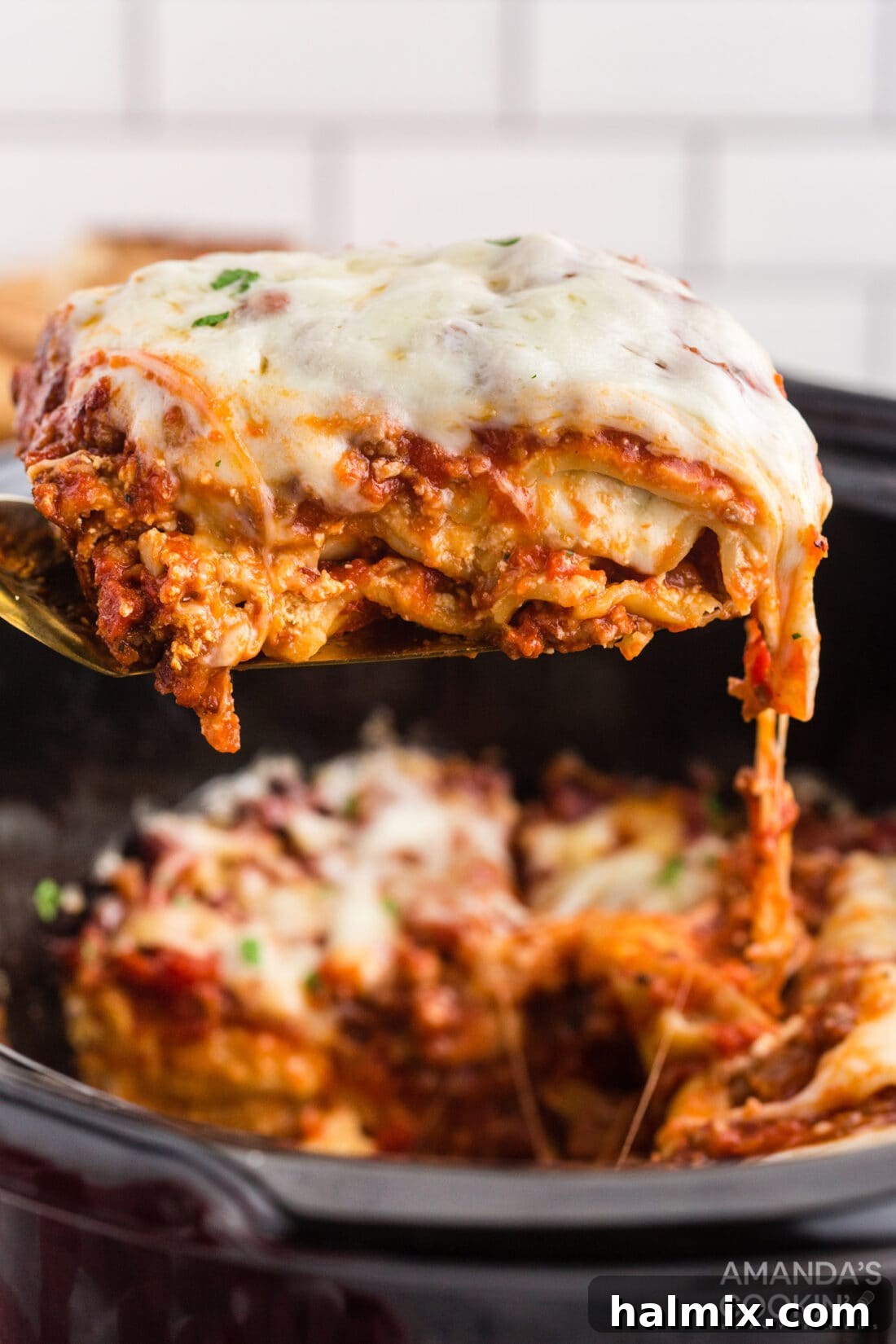
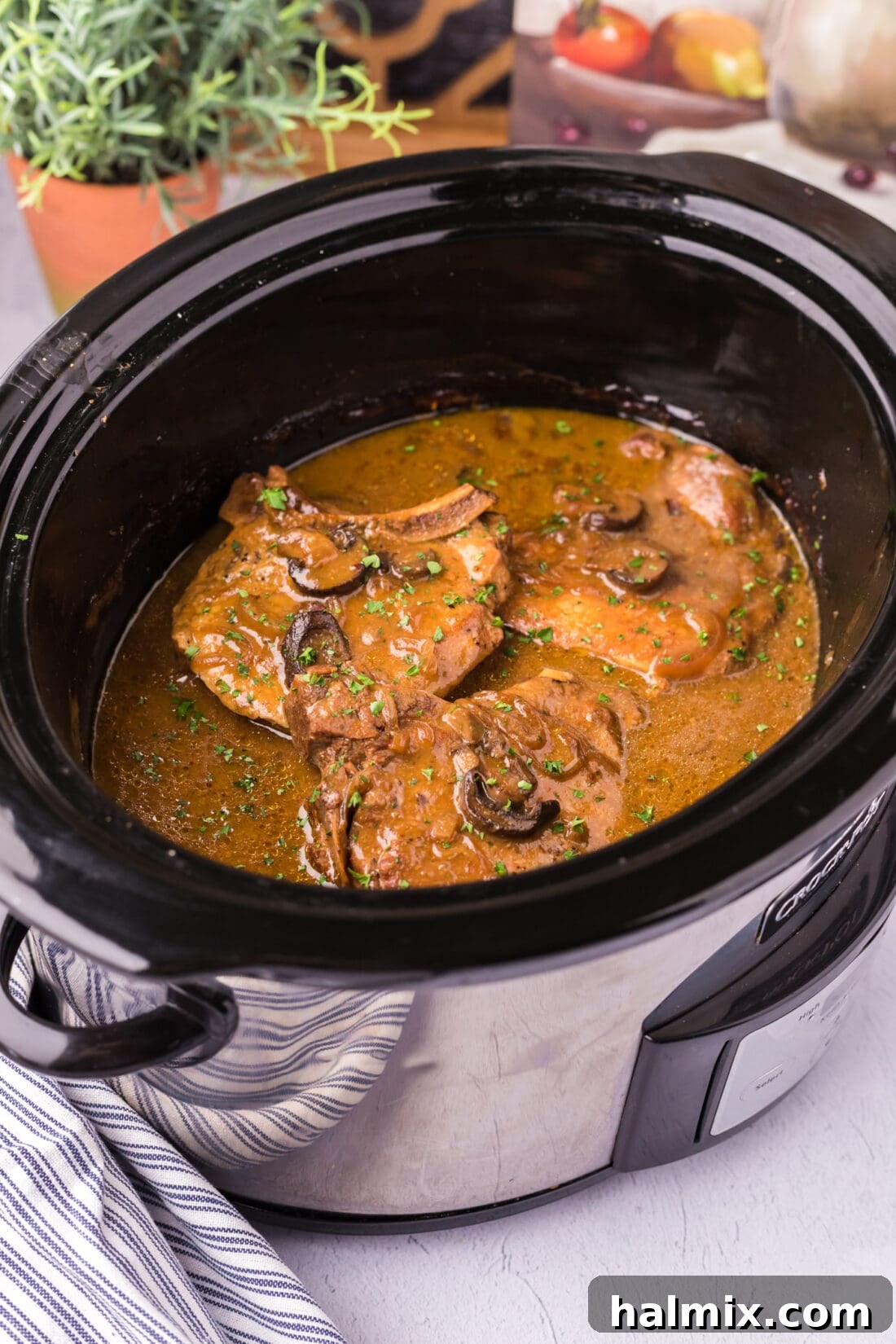
- Hearty Main Courses: Slow cookers excel at tenderizing tougher cuts of meat, transforming them into fall-apart perfection. Think succulent pot roasts, flavorful pulled pork, tender beef stews, or a classic whole chicken. They’re also fantastic for chilis, soups, and even intricate dishes like lasagna and casseroles.
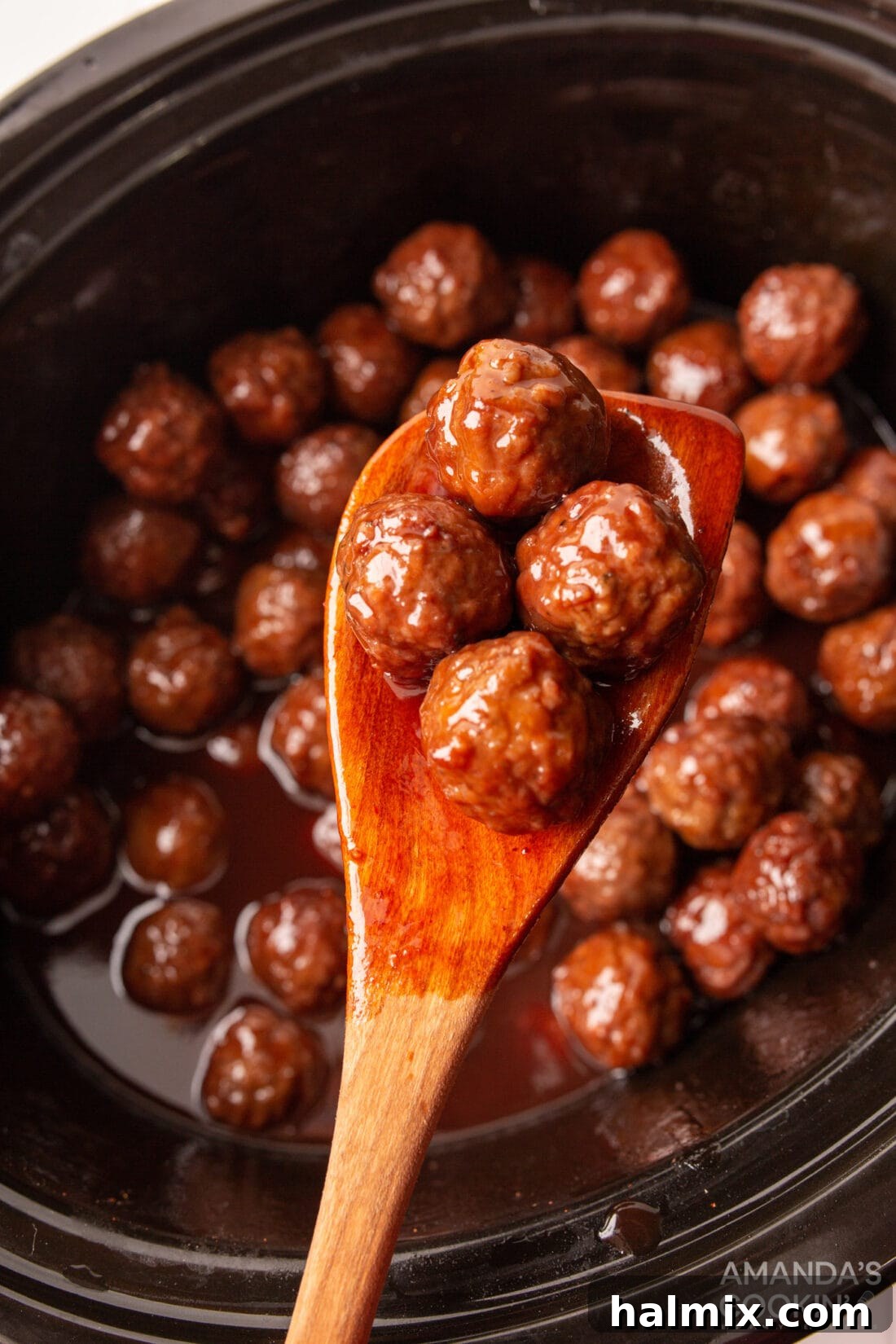
- Effortless Appetizers & Dips: Keep party snacks warm and inviting without fuss. Meatballs in various sauces, cheesy dips, warm spiced nuts, and mini sausages are all excellent choices for your slow cooker.
- Delightful Side Dishes: Free up oven space during holidays or busy dinners by cooking sides in your slow cooker. Creamed corn, mashed potatoes, green bean casserole, or even baked potatoes can be prepared beautifully.
- Sweet Endings – Desserts: Yes, your slow cooker can make desserts! From warm fruit crumbles and bread puddings to decadent cakes and cobblers, the gentle, even heat creates moist and flavorful treats.
- Breakfast & Brunch: Prepare overnight oatmeal, breakfast casseroles, or even cinnamon rolls for a hands-off start to your day.
The possibilities are truly endless. Don’t be afraid to adapt your favorite recipes or seek out new slow cooker-specific creations. Here are a few of our top picks to get your culinary journey started:
- Crockpot Roast Beef
- Buffalo Chicken Dip
- Mississippi Pot Roast
- Crockpot Apple Cobbler
Embrace the Slow Cooker Lifestyle
The slow cooker isn’t just an appliance; it’s a lifestyle enhancer. It empowers you to enjoy nutritious, flavorful meals with minimal effort, freeing up your precious time for what truly matters. By understanding its nuances—from selecting the right size to mastering cooking techniques and ensuring food safety—you can consistently create memorable dishes that bring comfort and convenience to your home. So, plug it in, load it up, and let your slow cooker work its magic!