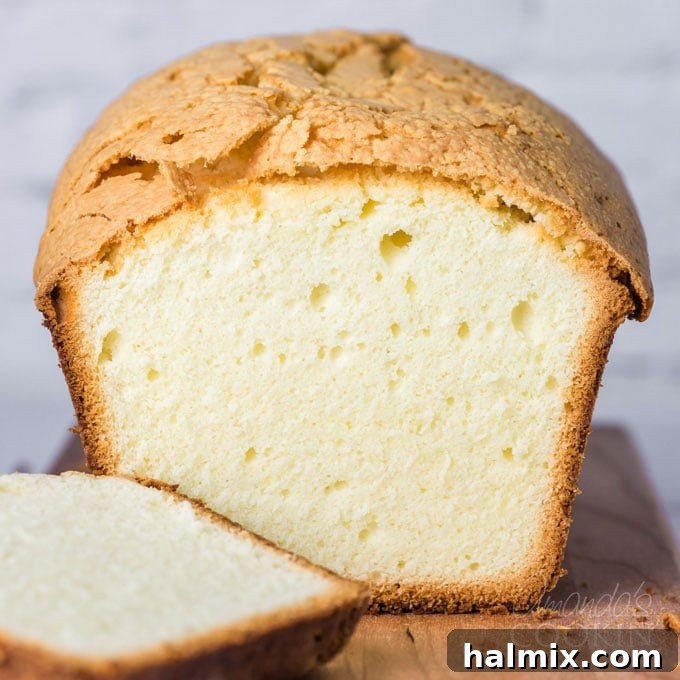
There’s something incredibly comforting and timeless about a perfectly baked pound cake. This classic dessert, revered for its rich flavor and tender crumb, gets its name from a tradition of using a pound each of butter, eggs, flour, and sugar. While the “pound of each” rule has seen many delightful variations over the years – famously, even Elvis Presley’s favorite recipe reportedly deviated from it – the core essence of a simple, yet profoundly satisfying cake remains. This particular whipping cream pound cake recipe is an absolute standout, a testament to how a slight tweak in ingredients can elevate a classic to an unforgettable experience. It’s truly one of the best pound cakes you’ll ever bake, offering a perfect balance of density and moisture that will have everyone asking for the recipe.
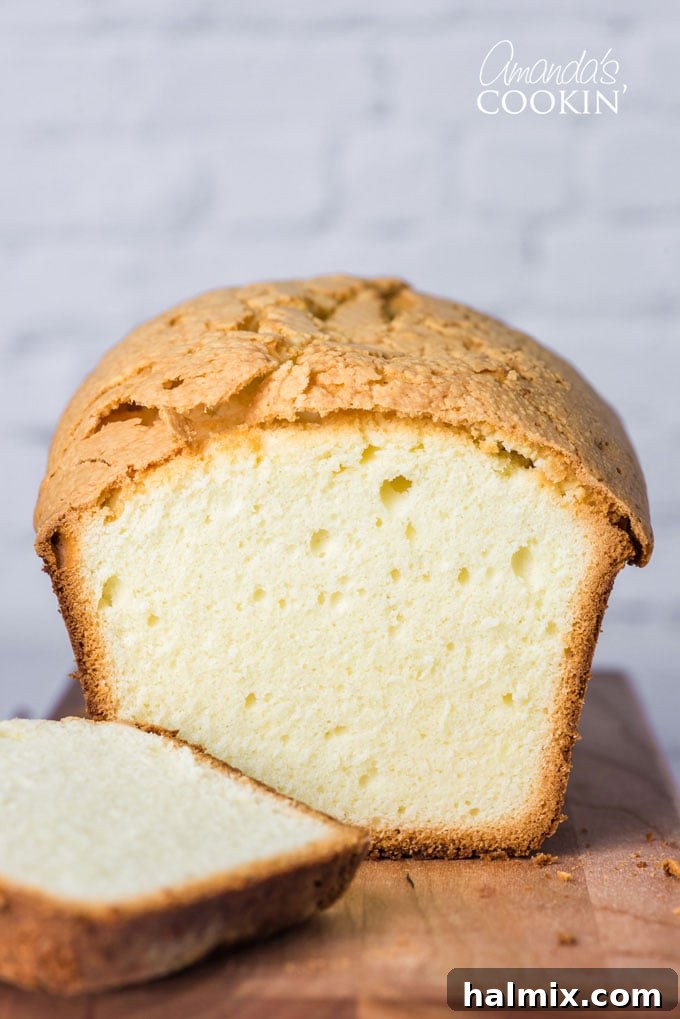
The Ultimate Whipping Cream Pound Cake Recipe: A Classic Remake
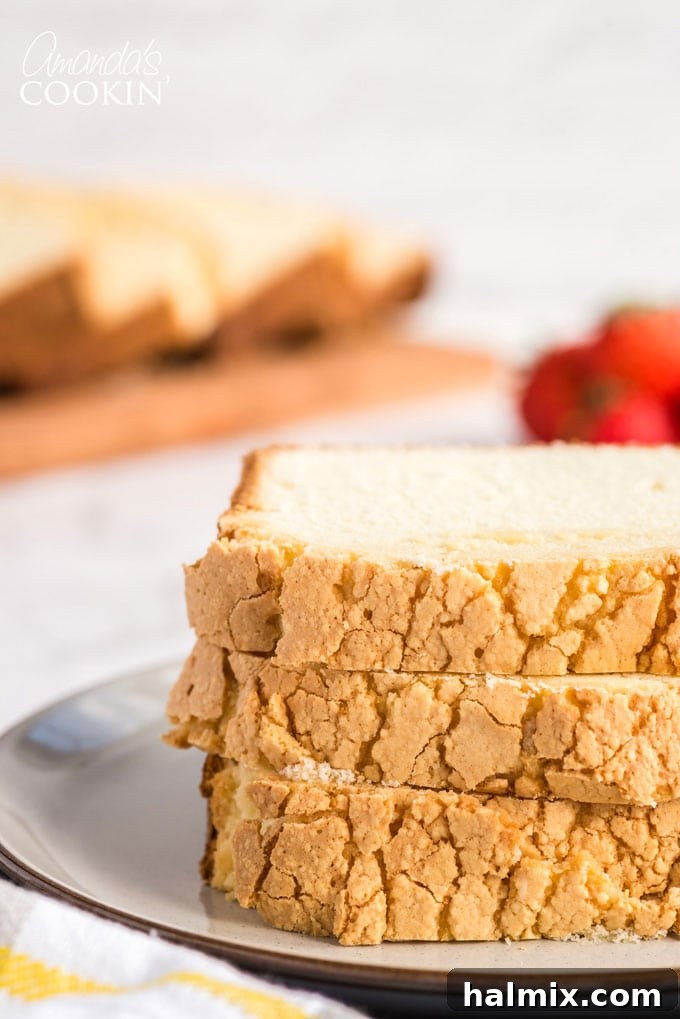
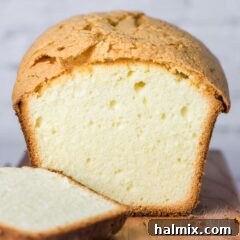
This recipe for Whipping Cream Pound Cake evokes a wonderful sense of nostalgia, instantly transporting me back to childhood memories of enjoying slices of Sara Lee pound cake. It strikes that perfect balance: wonderfully dense yet incredibly moist, exquisitely sweet, and boasts a crumb that is simply ideal. My absolute favorite way to savor this cake is generously slathered with creamy, spreadable butter, or with a bright, tangy smear of lemon curd or homemade berry jam. I discovered this recipe over a decade ago, and since then, it has become a cherished staple in my kitchen, prepared countless times to the delight of family and friends.
Unlike traditional pound cakes that rely solely on butter for richness, this recipe incorporates heavy whipping cream, which contributes to its exceptional moisture and delicate texture. This addition lightens the density just enough while maintaining that characteristic pound cake heft, creating a melt-in-your-mouth experience that is truly unparalleled.
Essential Tips for Baking a Flawless Homemade Pound Cake
Achieving the perfect pound cake is a blend of quality ingredients and precise technique. Follow these expert tips to ensure your whipping cream pound cake turns out beautifully every time:
- Master the Beating Time: The texture of your pound cake heavily depends on proper aeration. When the recipe specifies beating for a certain length of time – for example, 5 minutes – it’s crucial to set a timer and stick to it. This thorough beating incorporates air into the butter and sugar, creating a light, fluffy base for your batter and ultimately a tender cake.
- Sifting Flour is Key: Don’t skip the sifting! As indicated in the recipe, sift your flour thoroughly, ideally three times. Sifting aerates the flour, removes any lumps, and ensures it’s evenly distributed throughout the batter, leading to a finer, more uniform crumb. This step is particularly important for cake flour, which is lighter than all-purpose flour.
- Room Temperature Butter Matters: Butter temperature is non-negotiable for proper creaming. Your butter should be softened to room temperature, which typically means taking it out of the refrigerator at least 20-30 minutes before you plan to use it. When ready, you should be able to make a slight indent with your finger, but it shouldn’t be so soft that your finger sinks deep into it. Properly softened butter creams with sugar to trap air, creating volume and a smooth, emulsified batter.
- Choose the Right Pan Size: This recipe is designed for two 8×4 inch loaf pans. If you opt to use larger 9×5 inch loaf pans, you will need to reduce the baking time by approximately ten minutes to prevent overbaking, as the batter will be spread thinner. Always keep an eye on your cake and test for doneness.
- Invest in Quality Ingredients: While all ingredients play a role, using high-quality butter, pure vanilla extract, and fresh eggs will significantly impact the flavor and texture of your finished cake.
- Avoid Overmixing: Once the flour is added, mix only until just combined. Overmixing developed the gluten in the flour, which can lead to a tough, dry cake.
Deconstructing the Deliciousness: The Key Ingredients for Your Pound Cake
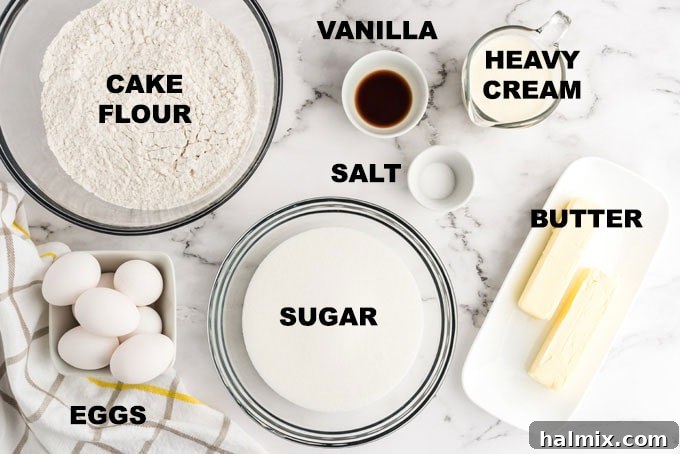
Every ingredient in this whipping cream pound cake recipe plays a crucial role in achieving its legendary taste and texture. Understanding their individual contributions can help you appreciate the magic of this dessert:
- Unsalted Butter: I always recommend using unsalted butter for baking. This gives you complete control over the salt content in your recipe. If you only have salted butter on hand, you might not notice a significant difference in flavor, but for those with sensitive palates, a slight hint of saltiness might come through. Adjusting the added salt in the recipe is a good idea if using salted butter.
- Sifted Cake Flour: The type of flour is paramount for pound cake’s delicate crumb. This recipe specifically calls for *sifted cake flour*, meaning you sift the flour *before* measuring it. Cake flour has a lower protein content than all-purpose flour, resulting in a softer, more tender cake. Sifting it multiple times further aerates it, preventing a dense, heavy texture.
- Table Salt: A small amount of salt enhances the overall flavor of sweet baked goods, balancing the sugar and enriching other notes. As mentioned, if you use salted butter, consider slightly reducing the amount of salt added.
- Granulated Sugar: Sugar not only provides sweetness but also contributes to the cake’s moisture and helps with browning during baking. Creaming it properly with butter is essential for a light texture.
- Large Eggs: Eggs add structure, richness, and moisture to the cake. Using large eggs at room temperature is important, as they emulsify better with the butter and sugar, creating a smoother, more uniform batter.
- Pure Vanilla Extract: For the best flavor, always opt for pure vanilla extract. Imitation vanilla has a distinctly different, often alcohol-heavy taste that will alter the delicious profile of this pound cake. Vanilla adds a warm, aromatic depth that is indispensable in classic baking.
- Heavy Whipping Cream: This is the secret star ingredient that makes this pound cake so incredibly moist and tender. Traditionally, pound cakes use a pound of butter, but the heavy cream in this recipe allows for less butter while achieving a superior texture. The high-fat content of the cream enriches the batter and ensures a luxurious, silky crumb that simply melts in your mouth.
Essential Baking Tools for Your Pound Cake Creation
Having the right tools can make all the difference in your baking journey. Here are some helpful items that will ensure a smooth process for your whipping cream pound cake:
- Loaf Pans (8×4 inches): The perfect size for this recipe, ensuring even baking and beautiful loaves.
- Wire Cooling Rack: Essential for allowing your cakes to cool evenly, preventing a soggy bottom and ensuring a crisp crust.
- Stand Mixer: While a handheld mixer works, a stand mixer with a paddle attachment makes the creaming process much easier and more efficient, ensuring consistent results.
- Sifter: A crucial tool for aerating your flour and ensuring a light, tender crumb.
Crafting Elvis Presley’s Favorite: How to Make Whipping Cream Pound Cake
This recipe, rumored to be a favorite of Elvis Presley himself, yields two magnificent loaves of pound cake. Precision and patience are your best friends here. Let’s get baking!
First, properly prepare your oven. Position your oven rack in the middle position. If you have a conventional GAS oven, *do not preheat your oven* yet. If you have an ELECTRIC oven, preheat it to 325°F (160°C).
- Oven Temperature Specifics: This recipe was carefully developed and tested using a conventional GAS oven. Gas ovens typically heat from the bottom, often via a pilot light, and can benefit from the “cold oven start” method for certain dense cakes like pound cake, promoting a more even rise and preventing cracking. However, if you are using a toaster oven or an ELECTRIC oven, we strongly advise preheating your oven to 325°F (160°C). Electric ovens often have a heating element at the top that can get very hot during preheating, which might cause the top of your pound cake to brown too quickly or even burn before the inside is fully cooked.
Next, prepare your baking pans. Generously butter two 8×4 inch loaf pans, ensuring every crevice is coated. Then, dust them thoroughly with flour, tapping out any excess. This creates a non-stick surface, ensuring your pound cakes release easily after baking.
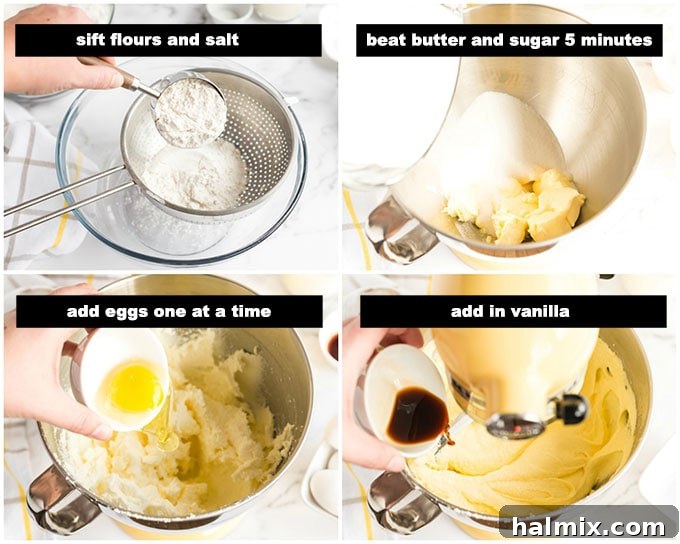
- Begin by sifting together the measured cake flour and salt into a medium bowl. Once combined, repeat the sifting process into another clean bowl. This means the flour will have been sifted a total of three times (once before measuring, and twice more with the salt), ensuring maximum aeration and lightness.
- In a large mixing bowl, using an electric mixer fitted with a paddle attachment (or a handheld mixer), beat together the softened unsalted butter and granulated sugar at medium-high speed. Continue beating until the mixture is visibly pale and fluffy. This process typically takes about 5 minutes with a stand mixer or 6 to 8 minutes with a handheld mixer. This step is crucial for incorporating air and achieving a tender crumb.
- Add the large eggs one at a time, ensuring you beat well after each addition until fully incorporated. This allows the batter to maintain its emulsification and smooth consistency.
- After all the eggs are added, beat in the pure vanilla extract until just combined.
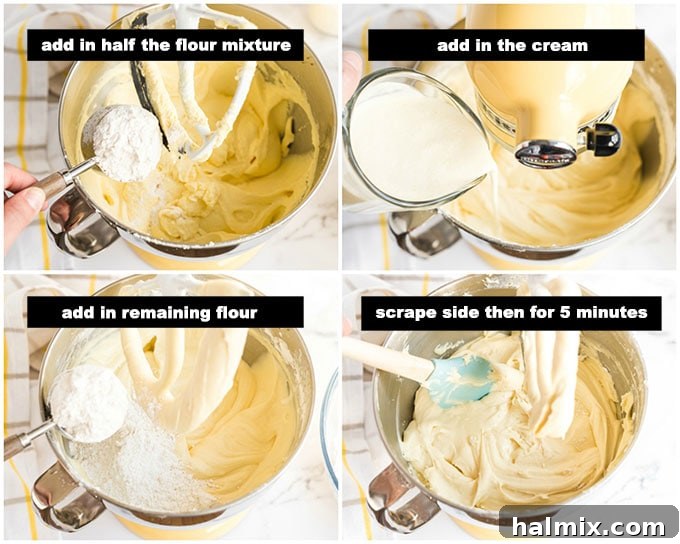
- Reduce the mixer speed to low. Gradually add half of the sifted flour mixture to the batter, mixing until just combined. Next, pour in all of the heavy cream, mixing gently. Finally, add the remaining flour, mixing until the batter is smooth and no dry streaks remain. Be careful not to overmix. Scrape down the sides of the bowl with a spatula to ensure everything is incorporated. Then, increase the mixer speed to medium-high and beat the batter for an additional 5 minutes. During this time, the batter will transform into a creamy, satiny consistency, indicating it’s perfectly aerated.
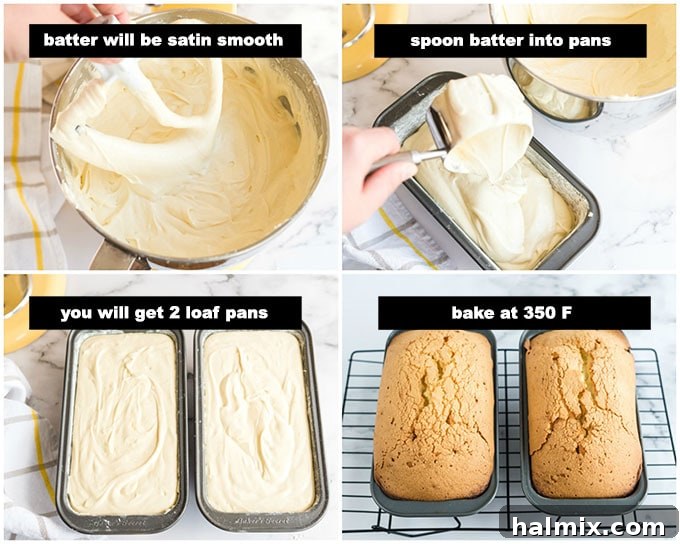
- Evenly spoon the satiny batter into the two prepared loaf pans. Once filled, gently rap the pans against your counter surface once or twice. This helps to release any trapped air bubbles, ensuring a smooth, uniform texture in your finished cake.
- Place the filled loaf pans on a baking sheet. If using a cold gas oven, place them inside and then turn the oven temperature to 350°F (175°C). If using a preheated electric oven, simply place the baking sheet into the 325°F (160°C) oven.
- Bake for approximately 75-85 minutes, or until the cakes are beautifully golden brown on top. To check for doneness, insert a wooden pick or skewer into the center of a cake; it should come out with only a few moist crumbs clinging to it, not wet batter.
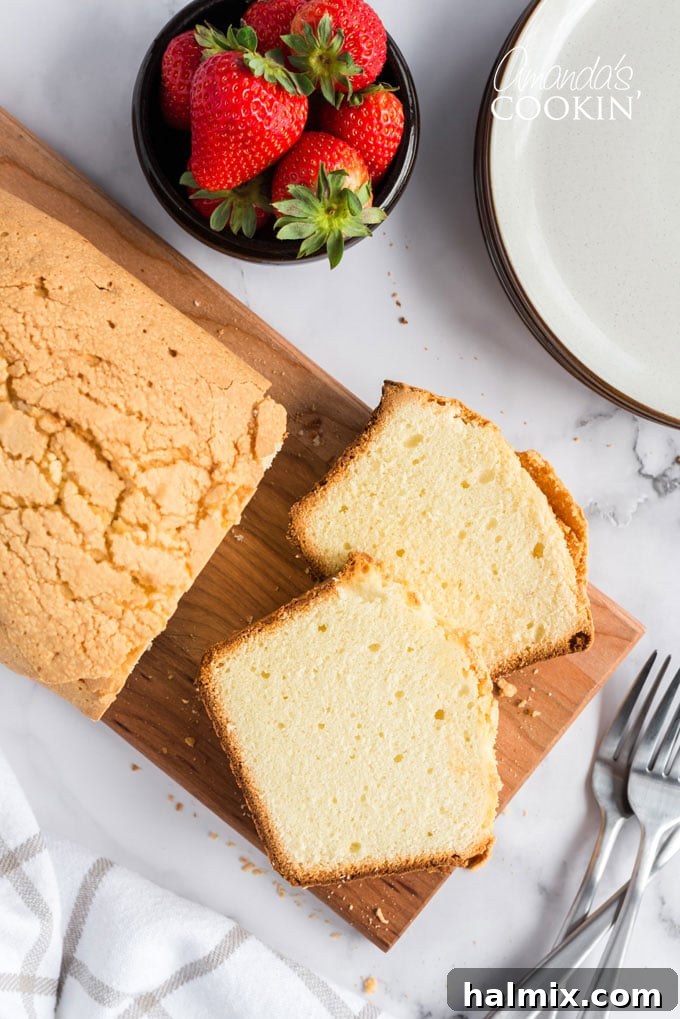
- Once baked, remove the pound cakes from the oven. Allow them to cool in their pans on a wire rack for 30 minutes. This resting period allows the cakes to set properly. After 30 minutes, run a thin knife carefully around both the inner and outer edges of each cake to loosen them. Then, invert a wire rack over each pan and flip the cake onto the rack to cool completely. Cooling completely on a wire rack prevents condensation and keeps the crust from becoming soggy.
More Cake Recipes You’ll Absolutely Adore
If you’re a fan of delicious, homemade cakes, you’re in for a treat! Explore these other fantastic cake recipes from our collection:
- Zesty Lemon Curd Poke Cake
- Delightful Pistachio Pudding Bundt Cake
- Rich Chocolate Texas Sheet Cake
- Adorable Pound Cake Cupcakes
- Fragrant Orange Poppy Seed Pound Cake
- Decadent Chocolate Pound Cake
Elvis Presley’s Whipping Cream Pound Cake Recipe
This pound cake transports you back to childhood with its dense, moist, sweet, and perfectly crumbly texture.
Total Time: 1 hour 45 minutes
Yields: 20 slices (2 loaves)
Cuisine: American
Course: Desserts
Author: Amanda Davis
Calories: 336 per slice
Ingredients
- 1 cup unsalted butter, softened (plus additional for buttering pans)
- 3 cups sifted cake flour (not self-rising; sift before measuring, plus additional for dusting pans)
- ¾ teaspoon salt
- 3 cups granulated sugar (600g)
- 7 large eggs, at room temperature (allow 30 minutes out of the fridge)
- 2 teaspoons pure vanilla extract
- 1 cup heavy whipping cream
Equipment Needed
- 2 8×4 inch loaf pans
- Wire cooling racks
- Stand mixer (or handheld mixer)
- Sifter
Pre-Baking Notes & Important Considerations
- This recipe was perfected using a conventional GAS oven, which typically heats from the bottom. If you are using an electric oven or a toaster oven, preheat your oven to 325°F (160°C) to prevent the top from burning prematurely due to top heating elements.
- The duration of beating the batter is critical. Use a timer for the specified 5 minutes to ensure proper aeration and texture.
- Sift the cake flour three times as instructed to achieve a light and tender crumb.
- Ensure your butter is at true room temperature (soft enough to indent, but not melted) for optimal creaming.
- If using 9×5 inch loaf pans instead of 8×4 inch, reduce the baking time by ten minutes.
Instructions
- Position your oven rack in the middle. For GAS OVENS, do NOT preheat. For ELECTRIC OVENS, preheat to 325°F (160°C).
- Generously butter two 8×4 inch loaf pans and dust them with flour, tapping out any excess. (Refer to the “Pre-Baking Notes” if using 9×5 inch pans).
- Sift the measured cake flour and salt together into one bowl. Then, sift this mixture again into another bowl, ensuring the flour is sifted three times in total.
- In a large bowl, cream together the softened butter and granulated sugar with an electric mixer at medium-high speed until the mixture is pale and fluffy. This typically takes about 5 minutes with a stand mixer (paddle attachment) or 6-8 minutes with a handheld mixer.
- Add the eggs one at a time, beating thoroughly after each addition until fully incorporated. Once all eggs are in, beat in the pure vanilla extract.
- Reduce the mixer speed to low. Add half of the sifted flour mixture, then all of the heavy cream, and finally the remaining flour. Mix gently until just combined after each addition.
- Scrape down the sides of the bowl. Then, increase the mixer speed to medium-high and beat for an additional 5 minutes. The batter will become noticeably creamy and satiny.
- Evenly spoon the batter into the prepared loaf pans. Gently rap the pans against your work surface once or twice to eliminate any air bubbles.
- If using a GAS oven, place the pans into the cold oven and then turn the oven temperature to 350°F (175°C). If using an ELECTRIC oven, place the pans into the preheated 325°F (160°C) oven. Bake for 75-85 minutes, or until golden brown and a wooden pick inserted into the center comes out with a few moist crumbs clinging to it.
- Cool the pound cakes in their pans on a wire rack for 30 minutes. After 30 minutes, carefully run a thin knife around both the inner and outer edges of each cake to loosen. Invert a wire rack over each pan and then invert the cake onto the rack to cool completely before slicing.
Expert Tips & Frequently Asked Questions
The “cold oven method” is particularly successful for gas ovens, helping to prevent cracking and ensure an even bake. However, this method is not recommended for electric ovens with top heating elements. If you prefer, this pound cake can also be baked in a preheated oven at 325°F (160°C) for all oven types, but monitor closely.
Why is my pound cake dry? This can be due to overbaking, too much flour, or not enough fat/moisture. Ensure you measure accurately and don’t bake past the point where a skewer comes out with moist crumbs.
Why did my pound cake crack on top? Cracking is common in pound cakes and often indicates a good rise! It can happen if the oven temperature is too high, causing the top to set before the inside finishes rising. The cold oven start for gas ovens helps mitigate this.
How should I store pound cake? Store pound cake tightly wrapped at room temperature for up to 3-4 days. For longer storage, it freezes beautifully. Wrap cooled cake tightly in plastic wrap, then in foil, and freeze for up to 3 months.
Can I use all-purpose flour instead of cake flour? While cake flour yields the best results for a tender crumb, you can substitute all-purpose flour. For every cup of cake flour, use 1 cup of all-purpose flour minus 2 tablespoons, then add 2 tablespoons of cornstarch to the all-purpose flour. Sift this mixture multiple times.
Can I make this into a bundt cake? Yes, you can! Use a 10-12 cup bundt pan. The baking time will likely be longer, around 90-110 minutes. Begin checking for doneness around 75 minutes. Ensure you thoroughly grease and flour your bundt pan.
Nutrition Information
Serving: 1 slice | Calories: 336cal | Carbohydrates: 44g | Protein: 5g | Fat: 16g | Saturated Fat: 9g | Cholesterol: 115mg | Sodium: 122mg | Potassium: 58mg | Fiber: 1g | Sugar: 30g | Vitamin A: 566IU | Vitamin C: 1mg | Calcium: 24mg | Iron: 1mg
The recipes featured on this blog are rigorously tested in a conventional gas oven and on a gas stovetop. It is important to acknowledge that some ovens, particularly older models, may cook and bake inconsistently. Using an affordable oven thermometer can provide assurance that your oven is truly reaching and maintaining the correct temperature. If you opt to use a toaster oven or a countertop oven, please be aware that these appliances may not distribute heat uniformly compared to a conventional full-sized oven, and you might need to adjust your cooking or baking times accordingly. For baking recipes where measurements are provided by weight, please note that using volume (cups) instead of weight can lead to different results, and we cannot guarantee success with that method.
This post originally appeared here on August 24, 2009. Important tips for baking success were added and updated on September 22, 2025.