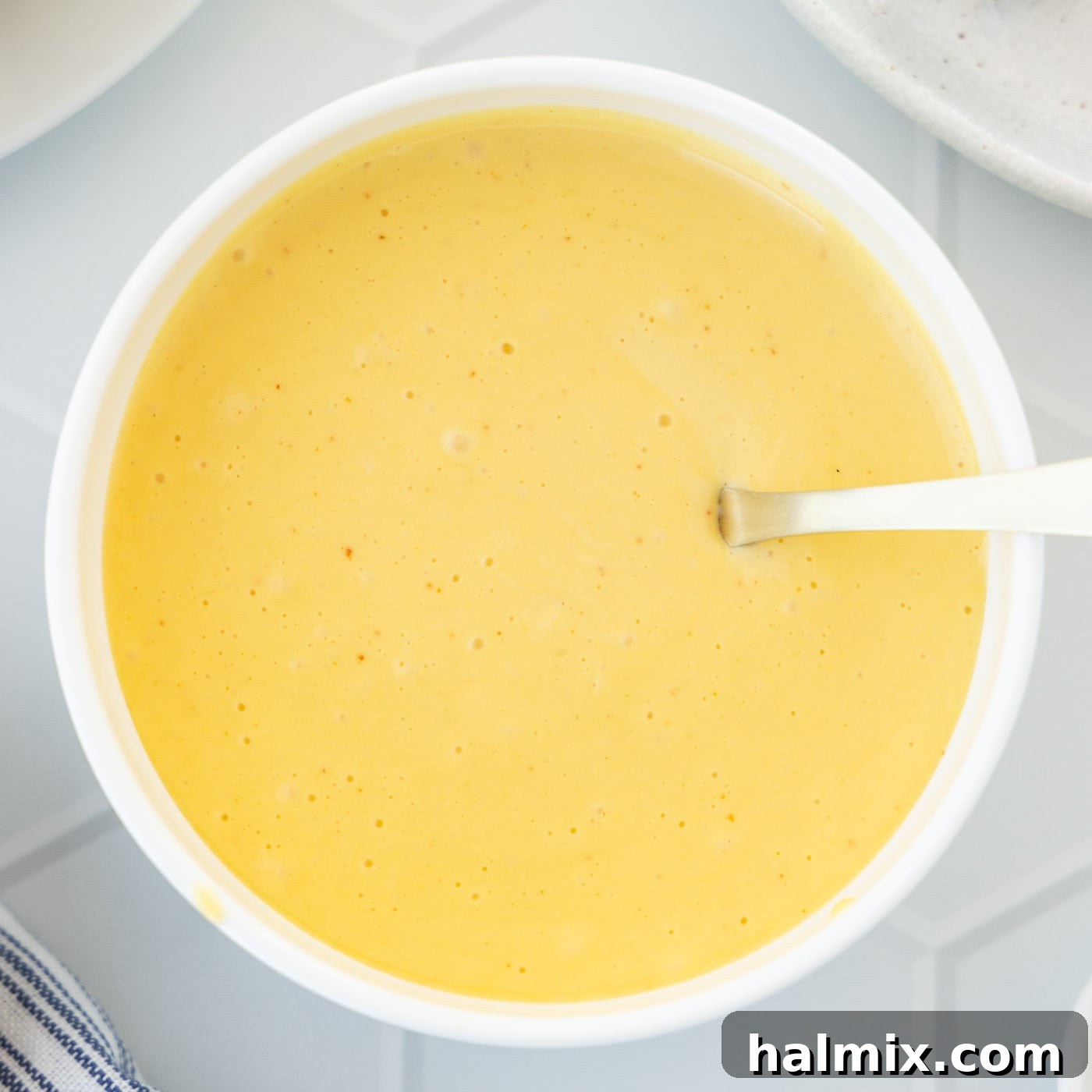
Master the Art of Easy Hollandaise Sauce in Just 5 Minutes
Transform your meals with this incredibly easy, velvety smooth hollandaise sauce. Requiring only 6 simple ingredients and the magic of an immersion blender, this quick and creamy classic sauce comes together effortlessly, elevating everything from breakfast to dinner with its rich, luxurious texture and bright, tangy flavor.
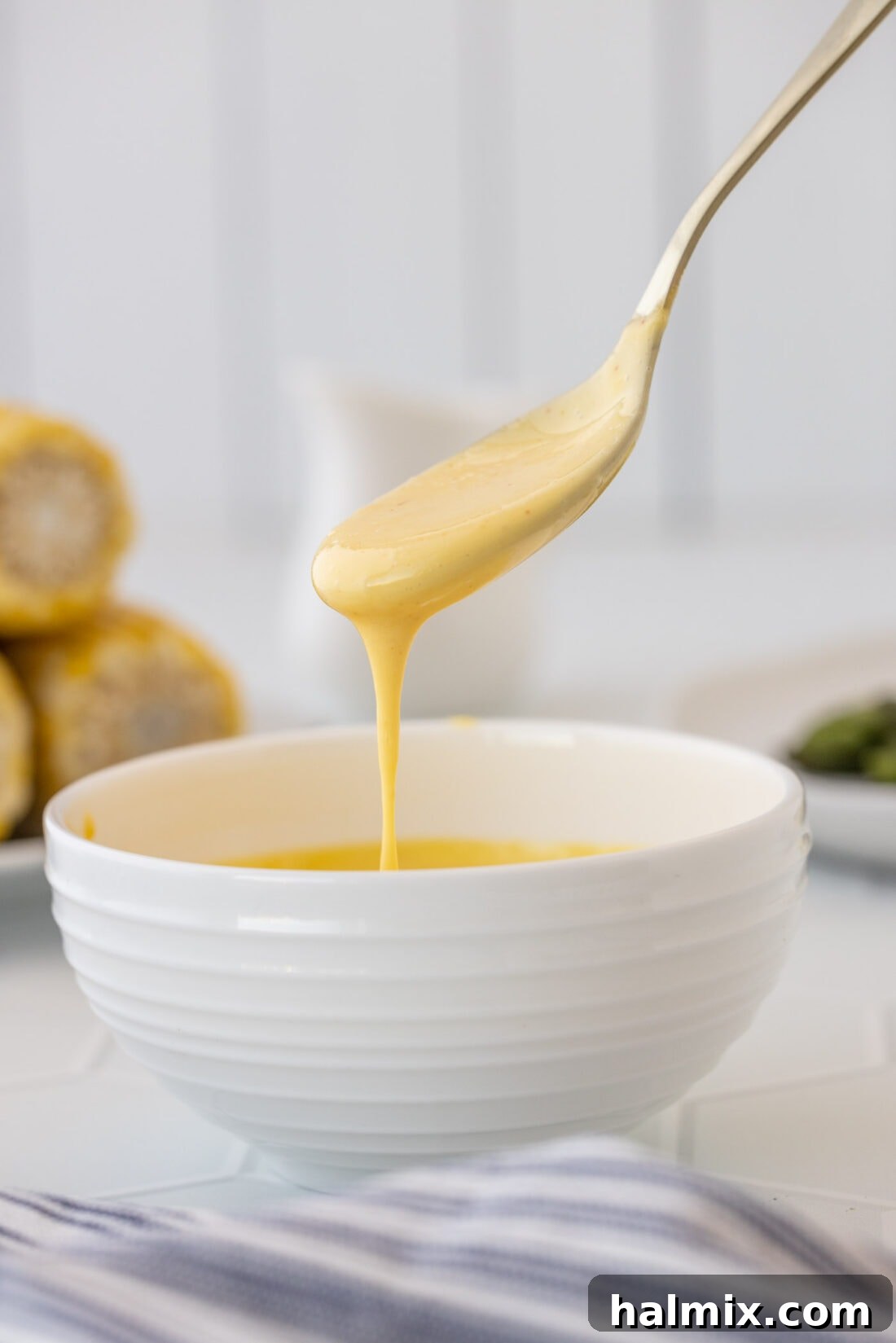
Why This Hollandaise Sauce Recipe Stands Out
Hollandaise sauce, a revered pillar of French cuisine, is famously known for its role atop Eggs Benedict. However, its versatility extends far beyond breakfast and brunch, making it a spectacular accompaniment for countless dishes. This luxurious emulsion can effortlessly enhance lunch and dinner options, from delicate seafood to hearty vegetables.
The secret to a truly exceptional hollandaise sauce lies primarily in the butter and the emulsification process. While traditional methods often call for meticulously whisking hot melted butter into egg yolks over a double boiler, this recipe simplifies the technique dramatically. Our approach, championed by culinary experts like Chef Antoine, emphasizes that the butter’s temperature isn’t as critical as the method of incorporation. The true trick is to drizzle the melted butter in slowly and steadily as you blend, allowing the immersion blender to do all the heavy lifting and create a stable, unbroken emulsion. This modern method streamlines a once intimidating process into a swift, foolproof endeavor.
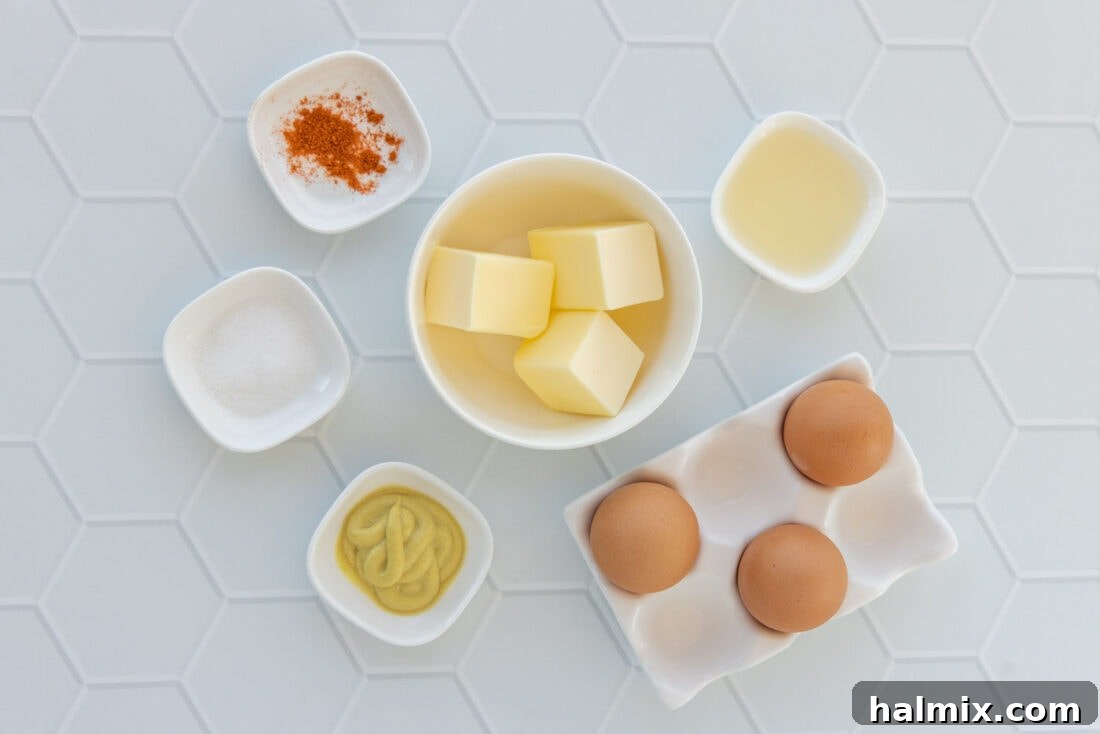
Crafting this elegant sauce requires just six straightforward ingredients: fresh egg yolks, vibrant lemon juice, perfectly melted unsalted butter, and a trio of flavor boosters—Dijon mustard for a subtle tang, salt to balance, and a pinch of cayenne pepper for a whisper of warmth. With these components, you’re just minutes away from a gourmet experience.
The Essential Ingredients for Perfect Hollandaise
Achieving restaurant-quality hollandaise at home is surprisingly simple when you have the right ingredients and technique. Below, we delve into each component, offering insights and tips to ensure your sauce is nothing short of perfection. All precise measurements and detailed instructions can be found in the comprehensive recipe card at the end of this article.
Ingredient Spotlight & Smart Substitutions
BUTTER: For the most balanced flavor, we strongly recommend using unsalted butter. This allows you to control the overall saltiness of the sauce. As mentioned, the butter does not need to be boiling hot; merely melted to a nice liquid consistency is sufficient. The absolute key is the slow, continuous stream of butter into the other ingredients while blending. This controlled addition is what prevents the emulsion from breaking and ensures a smooth, creamy result. Using unsalted butter also provides a clean, rich base that truly shines through in the finished sauce.
EGG YOLKS: These are the emulsifying superstars of hollandaise, binding the fat and liquid together to create its signature creamy texture. Fresh, large egg yolks are paramount for both flavor and emulsifying power. While this recipe uses raw egg yolks, the rapid blending with melted butter helps to gently warm and stabilize the mixture. Always ensure your eggs are fresh for optimal results and food safety.
LEMON JUICE: The bright, zesty acidity of lemon juice is crucial for cutting through the richness of the butter and egg yolks, adding a much-needed zing that defines hollandaise. While pre-bottled lemon juice is convenient, its flavor is often muted and lacks the vibrant punch of freshly squeezed lemon. We highly, highly recommend taking the extra minute to squeeze juice from a fresh lemon. You’ll only need about one lemon for the amount specified in the recipe card, and the difference in taste is undeniable and worth every drop.
DIJON MUSTARD: A small amount of Dijon mustard is added primarily for its complex, tangy flavor profile. It not only contributes a subtle sharpness but also acts as a secondary emulsifier, further stabilizing the sauce. If Dijon isn’t available or preferred, yellow mustard can be used as a 1:1 substitute, though the flavor will be milder and less nuanced.
SALT & CAYENNE PEPPER: Salt is essential for seasoning and enhancing all the other flavors in the sauce. A pinch of cayenne pepper is an optional but highly recommended addition. It doesn’t make the sauce spicy but rather provides a delicate warmth and a subtle depth of flavor that complements the richness of the butter and eggs beautifully. Adjust these seasonings to your personal preference.
Step-by-Step Guide: Crafting Your Easy Hollandaise Sauce
These step-by-step photos and instructions are here to help you visualize how to make this recipe. For the full printable version with all measurements and detailed instructions, please refer to the recipe card at the bottom of this post.
Preparing this classic sauce has never been easier thanks to the immersion blender method. It transforms a traditionally complex process into a quick, almost effortless task. Just a few simple steps stand between you and a perfect, homemade hollandaise.
- First, gather all your ingredients, ensuring your butter is melted and slightly cooled, not piping hot. Add all ingredients *except* the melted butter into a tall, narrow container that perfectly fits your immersion blender. This typically includes the egg yolks, lemon juice, Dijon mustard, salt, and cayenne pepper. Insert the immersion blender, making sure the blade head rests firmly at the bottom of the container. Blend these ingredients together for a few seconds until they are well combined and slightly foamy.

- With the immersion blender still running continuously at a medium to high speed, slowly and steadily pour the melted butter in a thin, constant stream into the container. It is crucial to add the butter gradually to allow the emulsion to form properly. Continue blending as you pour until all the butter has been incorporated. Keep blending for another 30-60 seconds, moving the blender up and down gently, until the sauce becomes pale yellow, thick, and wonderfully creamy. The consistency should be thick enough to coat the back of a spoon.
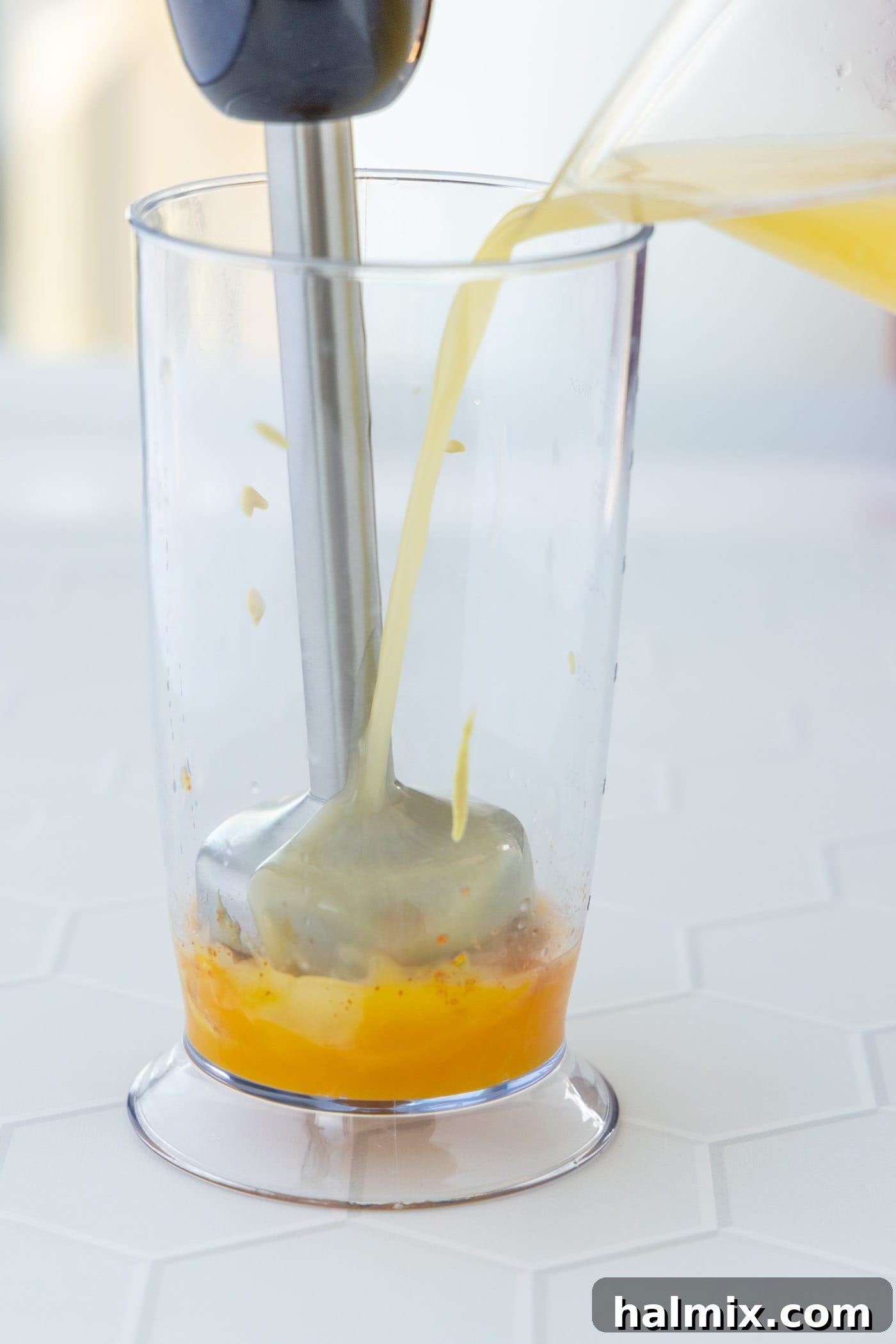
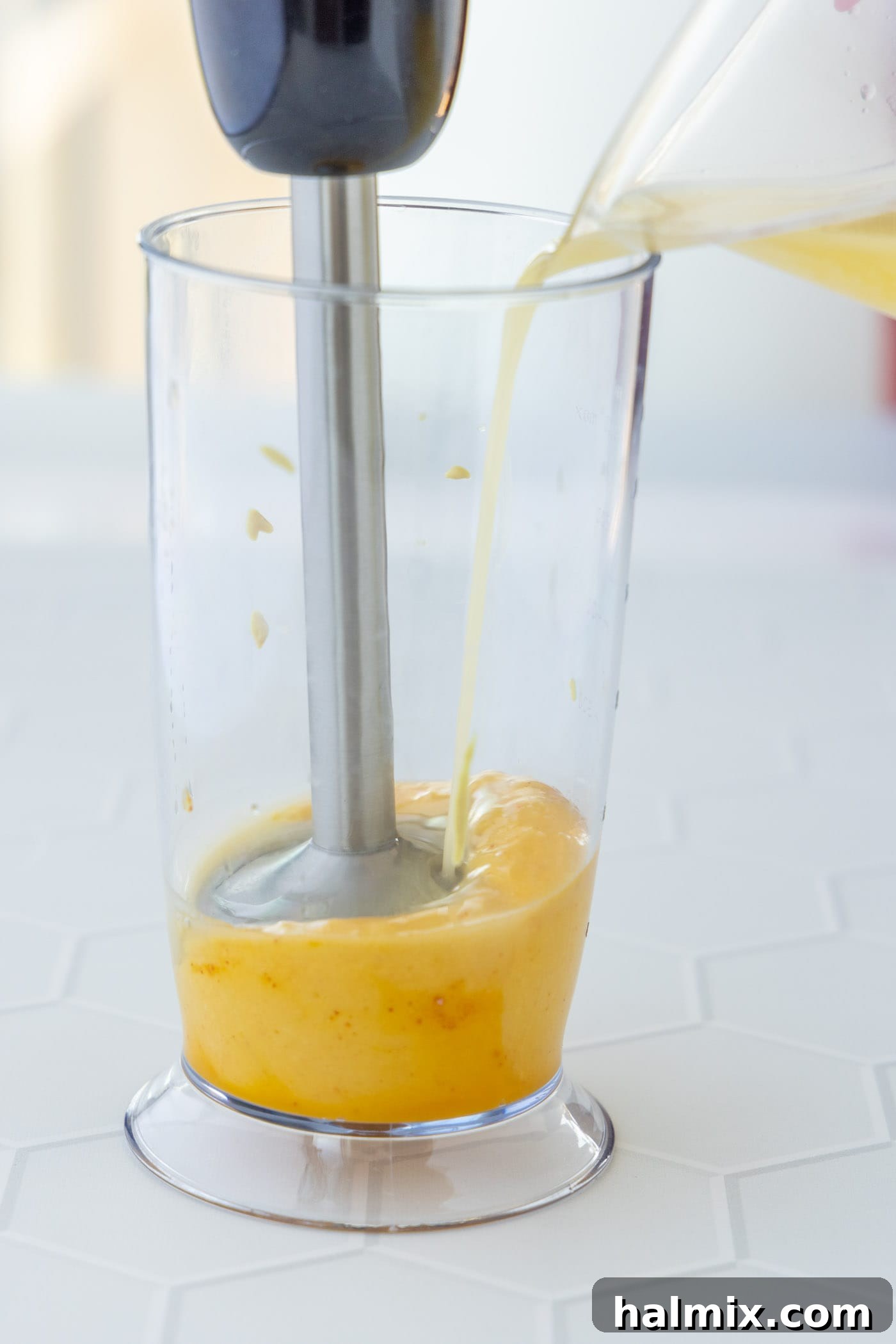
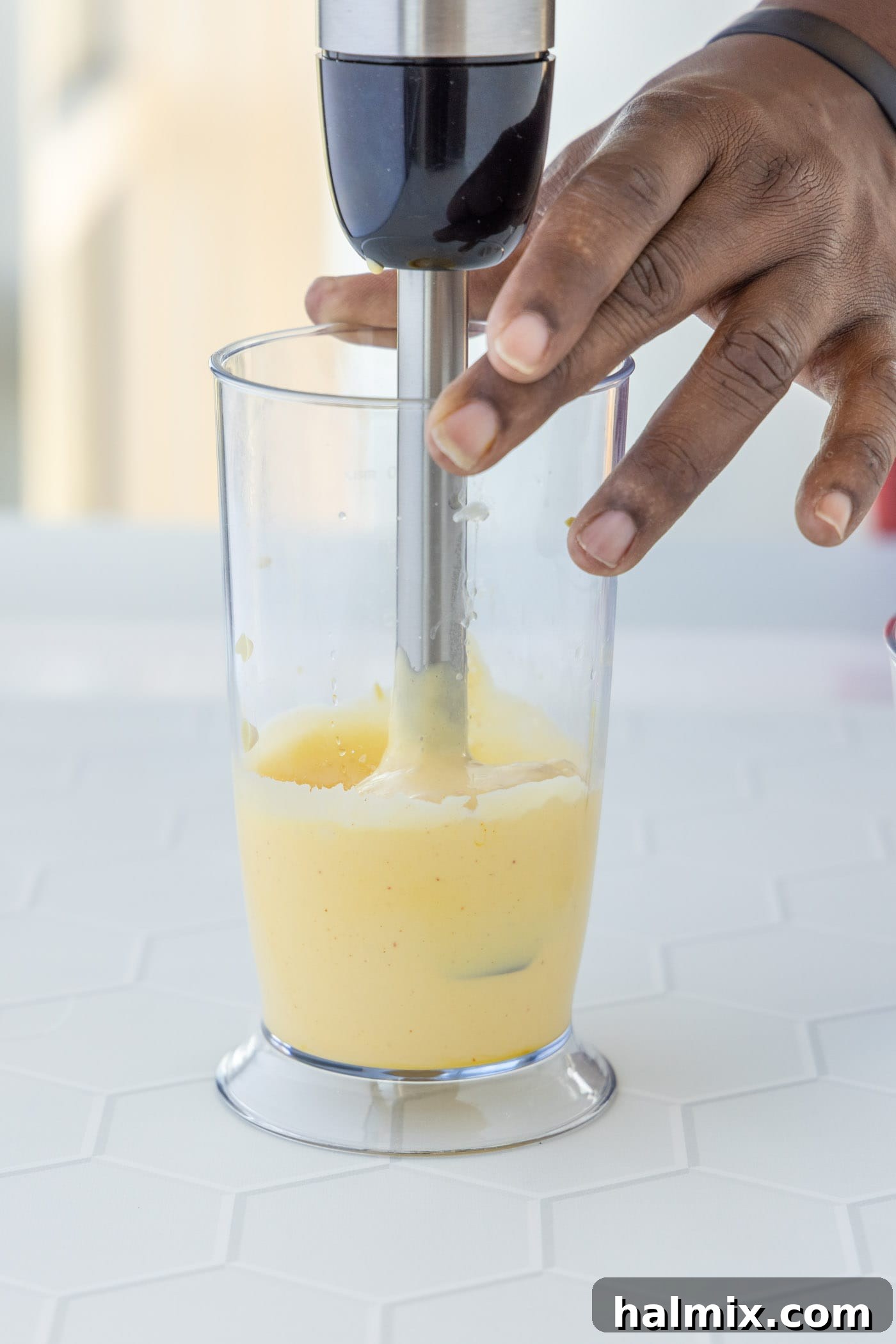
Your Hollandaise sauce is now ready to serve! Its rich flavor and silky texture are best enjoyed immediately to truly appreciate its freshness and warmth.
Frequently Asked Questions & Pro Tips for Hollandaise Success
Homemade hollandaise sauce is undoubtedly best served immediately after preparation. Its delicate emulsion is prone to separating upon cooling. However, if you do have leftovers, you can store it in an airtight container in the refrigerator for 2-3 days. Any longer, and the risk of separation significantly increases, and the quality will diminish. It’s important to note that even with careful storage, the texture might change slightly.
Reheating hollandaise sauce can be tricky due to its emulsion, but it’s certainly possible. To reheat chilled hollandaise, gently warm it in a saucepan over very low to medium-low heat, whisking constantly until it is just warmed through. Be extremely careful not to overheat it, as high heat will almost certainly cause the sauce to curdle or break. Alternatively, you can place the container of sauce in a warm water bath (bain-marie) and whisk gently until it reaches your desired temperature and consistency.
Absolutely! If you don’t have an immersion blender handy, a regular blender can be used with excellent results. Follow the same steps: combine all ingredients except the butter in your blender. With the blender running on low speed, slowly stream in the melted butter through the opening in the lid. Continue blending until the sauce is pale and thick. The key is still the slow, steady addition of butter to allow for proper emulsification.
A broken hollandaise can be frustrating, but it’s often salvageable! If your sauce looks curdled or greasy, try this trick: In a separate clean bowl, whisk one fresh egg yolk with a tablespoon of cold water until slightly frothy. Then, very slowly drizzle your broken hollandaise into this new egg yolk mixture while whisking vigorously, or use your immersion blender. The fresh yolk and cold water can help to re-emulsify the sauce. Sometimes, simply adding a tablespoon of very hot water and whisking intensely can also help bring it back together.
As Chef Antoine wisely noted, the temperature of your melted butter is less critical than the method of its addition. Ensure your melted butter is warm but not sizzling hot. The true mastery lies in drizzling it into your egg yolk mixture in a slow, thin, continuous stream while your immersion blender is running. This controlled, gradual incorporation is what builds a strong, stable emulsion, preventing the sauce from separating. Patience here is your best friend!
For the brightest, most authentic flavor, always opt for freshly squeezed lemon juice over bottled varieties. The difference is truly remarkable. Similarly, using fresh, high-quality large egg yolks will contribute to a richer flavor and a more robust emulsion. These simple choices significantly impact the overall taste and texture of your hollandaise.
Irresistible Serving Suggestions for Hollandaise Sauce
Hollandaise sauce is a culinary marvel that can elevate a wide array of dishes from ordinary to extraordinary. While its classic pairing with Eggs Benedict is legendary, don’t limit its potential! This rich, lemony sauce is a perfect accompaniment to a variety of foods, transforming them into gourmet delights.
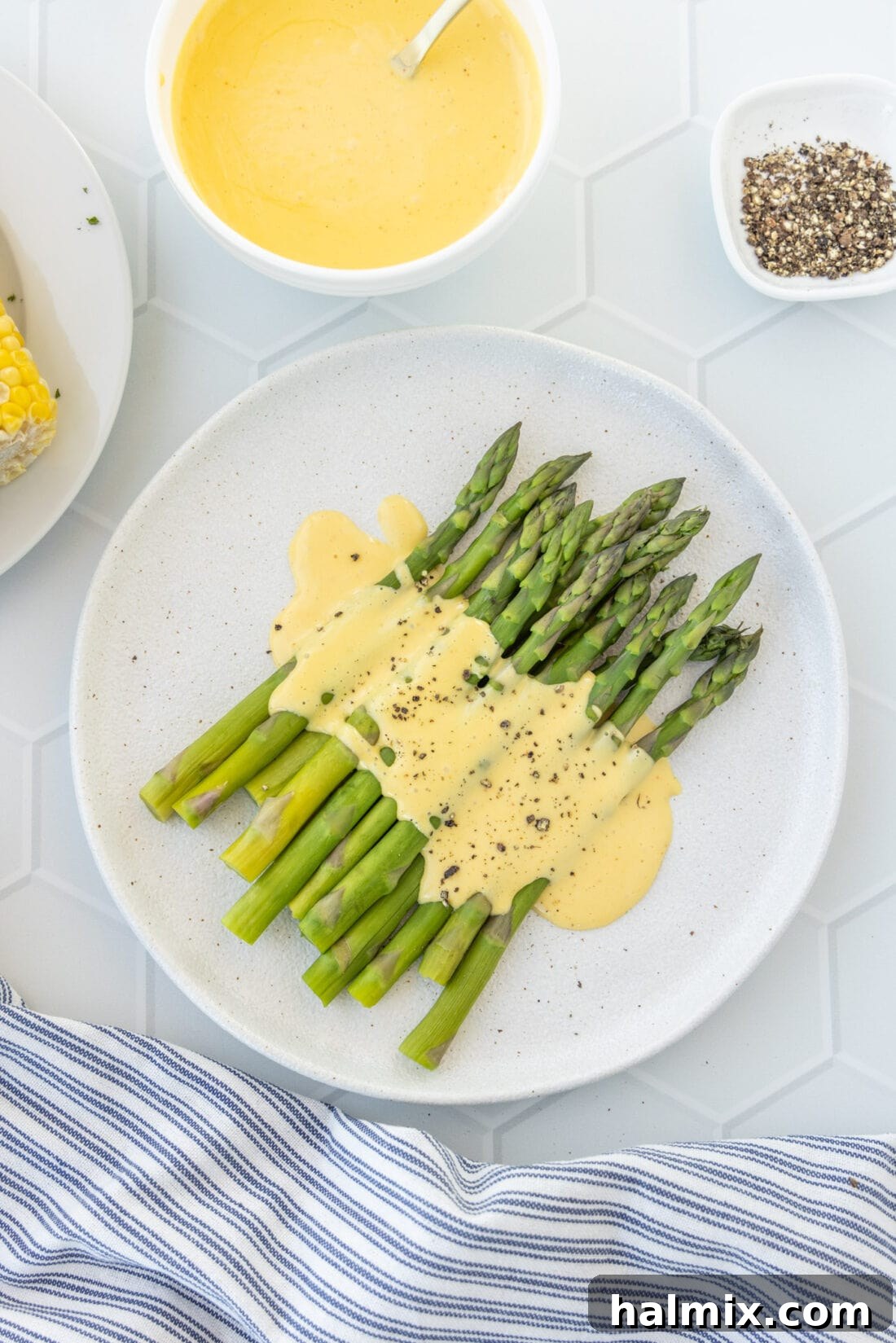
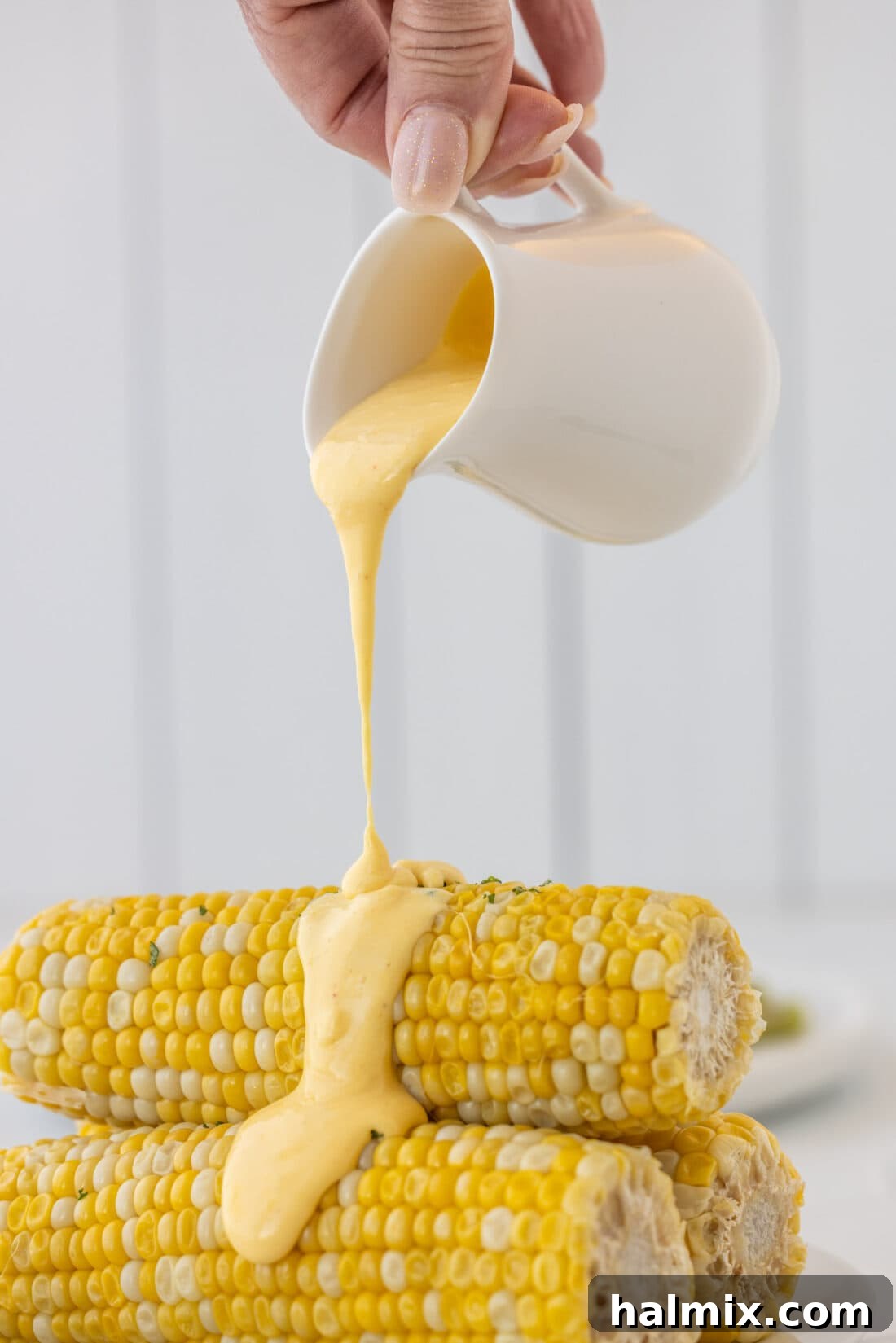
Beyond breakfast, consider drizzling hollandaise over perfectly roasted asparagus, steamed broccoli, or sweet corn on the cob for a luxurious vegetable side. It’s magnificent with seafood; think delicate poached salmon, pan-seared scallops, flaky white fish, or succulent crab cakes. For a heartier meal, a dollop of hollandaise can beautifully complement grilled chicken or a tender steak, adding a touch of elegance and creaminess. Even a simple baked potato or a fresh green bean casserole can be transformed with a generous spoonful. Enjoy it immediately after preparing for the best texture and flavor!
Explore More Delicious Sauce Recipes
If you love how a great sauce can revolutionize a meal, you’re in for a treat! Discover more fantastic homemade sauce recipes that are sure to become staples in your kitchen:
- French Fry Sauce
- Bolognese Sauce
- Alabama White Sauce
- Rosemary Cream Sauce
- Homemade Enchilada Sauce
I love to bake and cook and share my kitchen experience with all of you! Remembering to come back each day can be tough, that’s why I offer a convenient newsletter every time a new recipe posts. Simply subscribe and start receiving your free daily recipes!
The 5-Minute Immersion Blender Hollandaise Sauce Recipe Card
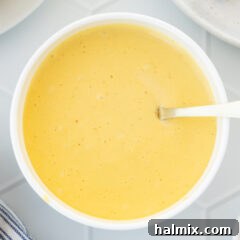
Hollandaise Sauce
This easy 5-minute hollandaise sauce is made with just 6 simple ingredients and an immersion blender, proving that a classic, creamy sauce can come together in a snap.
Course: Condiments | Cuisine: French | Servings: 3 servings | Total Time: 5 mins | Calories: 330 cal | Author: Amanda Davis
Ingredients
- 3 large egg yolks
- 1 Tablespoon lemon juice
- 1 Tablespoon Dijon mustard
- ¼ teaspoon salt
- 1 pinch cayenne pepper
- ½ cup unsalted butter, melted
Things You’ll Need
- immersion blender or regular blender
Before You Begin (Expert Notes)
- Some recipes state that the melted butter needs to be hot. Chef Antoine says the trick is not the hot butter, but rather drizzling the butter in slowly as you blend.
- Homemade hollandaise sauce is best served right away. However, you can store it in an air-tight container in the refrigerator for 2-3 days if needed. Any longer than that, and you risk the sauce separating.
Instructions
- To the immersion blender container, add all ingredients except the melted butter. Blend these ingredients until well combined.
- With the immersion blender running, slowly and steadily add the melted butter, blending continuously as you pour. Blend until the sauce is pale yellow, thick, and creamy.
Nutrition Information
Serving: 1 serving (1/4 cup) | Calories: 330cal | Carbohydrates: 1g | Protein: 3g | Fat: 35g | Saturated Fat: 21g | Polyunsaturated Fat: 2g | Monounsaturated Fat: 10g | Trans Fat: 1g | Cholesterol: 265mg | Sodium: 261mg | Potassium: 41mg | Fiber: 0.2g | Sugar: 0.3g | Vitamin A: 1208IU | Vitamin C: 2mg | Calcium: 35mg | Iron: 1mg
Tried this Recipe? Pin it for Later!
Follow on Pinterest @AmandasCookin or tag #AmandasCookin!
The recipes on this blog are tested with a conventional gas oven and gas stovetop. It’s important to note that some ovens, especially as they age, can cook and bake inconsistently. Using an inexpensive oven thermometer can assure you that your oven is truly heating to the proper temperature. If you use a toaster oven or countertop oven, please keep in mind that they may not distribute heat the same as a conventional full-sized oven and you may need to adjust your cooking/baking times. In the case of recipes made with a pressure cooker, air fryer, slow cooker, or other appliance, a link to the appliances we use is listed within each respective recipe. For baking recipes where measurements are given by weight, please note that results may not be the same if cups are used instead, and we can’t guarantee success with that method.