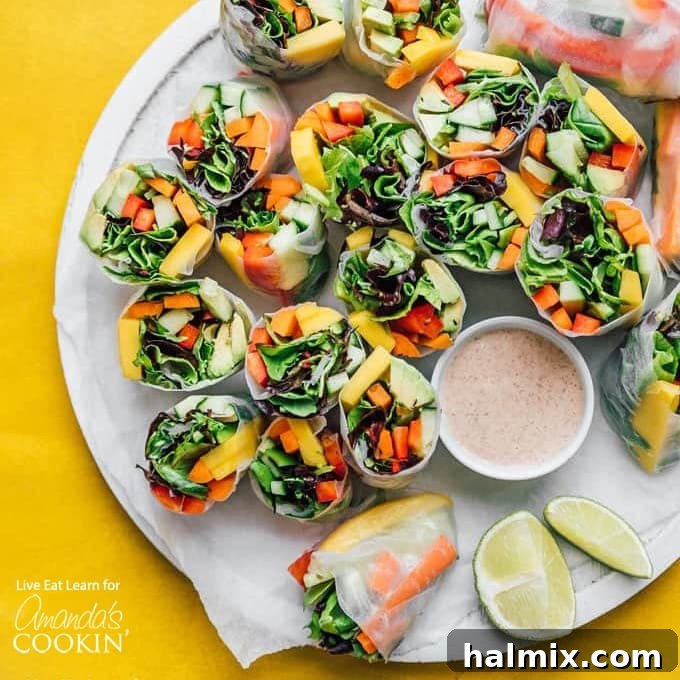
These Fresh Vegetable Spring Rolls are a vibrant, healthy, and incredibly delicious addition to any appetizer spread, an exciting side dish for your Asian-inspired dinner menu, or a refreshing light meal for your next summer gathering. With their crisp textures and an explosion of garden-fresh flavors, they are surprisingly simple to prepare, requiring just a few steps: chop, roll, and serve! Say goodbye to bland salads and hello to a culinary experience that brightens your palate and delights your guests.
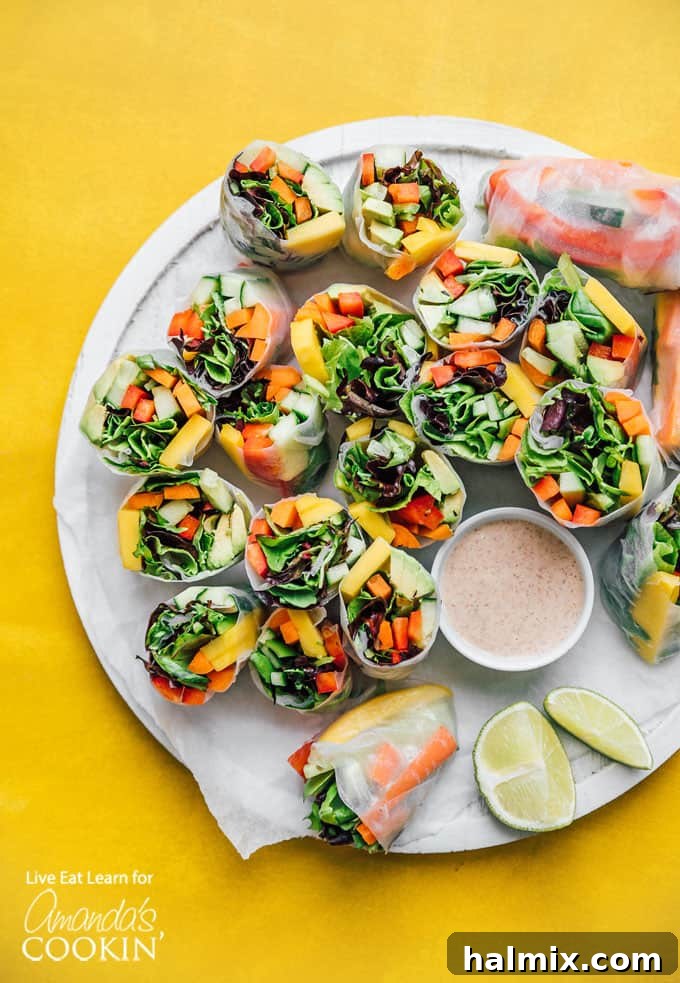
Experience the Delight of Homemade Vegetable Spring Rolls
There’s an old saying, “the tone makes the music,” and if ever there were a dish perfectly described by this sentiment, it’s these Vegetable Spring Rolls. On their own, a pile of chopped vegetables might not inspire immediate cravings. But when artfully assembled into elegant, translucent spring rolls and paired with an irresistibly creamy, savory, and tangy dipping sauce, that simple medley of fresh produce transforms into a crave-worthy masterpiece. You might think we’re exaggerating, but trust us, these aren’t just vegetables; they’re a symphony of flavors and textures, making them an ideal vegetarian appetizer or a delightful light meal that will impress everyone.
These fresh rolls are a stark contrast to their fried counterparts, offering a much lighter, cooler, and healthier alternative. They’re naturally gluten-free (when using tamari in the sauce), packed with vitamins, and burst with the natural sweetness and crunch of raw vegetables. Perfect for a warm summer evening, a casual potluck, or even a quick weekday lunch, they offer a refreshing escape from heavier dishes.
Essential Ingredients for Your Perfect Spring Rolls
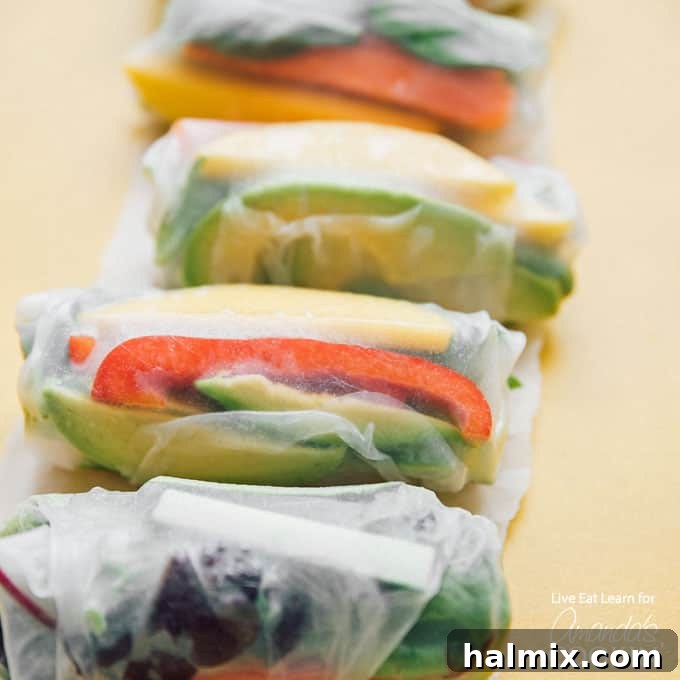
Crafting these delectable Vegetable Spring Rolls requires a thoughtful selection of fresh, crisp ingredients and a few pantry staples for the accompanying sauce. The beauty of this recipe lies in its flexibility; while we provide a fantastic combination, feel free to adapt it based on your preferences or what’s fresh in your fridge!
For the Refreshing Spring Rolls, you’ll need:
- 2 large carrots: For vibrant color and a satisfying crunch.
- 1 red bell pepper: Adds sweetness and another layer of crispness.
- 1 avocado: Brings a creamy, rich texture and healthy fats.
- 1 mango: A sweet and juicy surprise that balances the savory elements.
- ½ cucumber: For a cool, refreshing crispness.
- ½ jalapeno: Offers a subtle kick; adjust to your spice preference.
- 2 cups arugula: Adds a peppery, fresh bite.
- ½ cup fresh basil: Infuses an aromatic, herbaceous note.
- ½ cup fresh mint: Provides a wonderfully cooling and fragrant lift.
- 6 to 8 rice paper spring roll wrappers: The essential translucent casing that holds everything together.
For the Irresistible Dipping Sauce:
- ½ cup salted roasted almonds: Creates a creamy base with nutty depth.
- ½ cup canned coconut milk: Adds a luscious, rich consistency and tropical hint.
- 1 Tbsp lime juice: For bright, tangy zest that cuts through the richness.
- 1 Tbsp soy sauce: Provides umami and savory depth (use tamari for gluten-free).
- 1 Tbsp honey: A touch of sweetness to balance the flavors.
- 3 cloves garlic: For an essential aromatic punch.
These ingredients come together to create a harmonious balance of sweet, savory, tangy, and spicy, making each bite an adventure for your taste buds.
Helpful Kitchen Tools for Easy Preparation
While these spring rolls are relatively simple to make, having the right tools can certainly streamline the process and enhance your experience in the kitchen. Here are a few items you might find useful:
- Blender: Essential for achieving that perfectly smooth and creamy dipping sauce.
- Wooden cutting board: Provides a stable, non-slip surface for chopping vegetables and is ideal for rolling the delicate rice paper wrappers.
- Chef’s knife: A sharp, versatile knife is key for thinly slicing all your beautiful vegetables.
- Measuring cups and spoons: For accurate proportions, ensuring your dipping sauce is perfectly balanced every time.
Having these tools on hand will make the preparation process much more enjoyable and efficient, allowing you to focus on the artistry of assembling your spring rolls.
The Star Companion: Almond Coconut Dipping Sauce
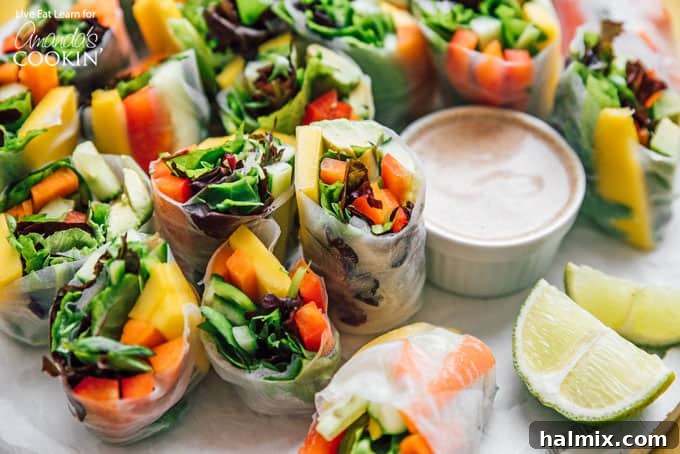
While the fresh vegetables are the heart of these spring rolls, the soul truly lies in the accompanying dipping sauce. We’ll be serving these Vegetable Spring Rolls with an ultra-simple yet incredibly flavorful sauce that can be whipped up in your blender in just a few minutes. This magical concoction is a harmonious blend of creamy coconut milk, rich salted roasted almonds, tangy lime juice, savory soy sauce (or tamari for gluten-free diets), a touch of sweet honey, and pungent fresh garlic.
The result is a thick, velvety sauce with a complex flavor profile that hits all the right notes: it’s nutty, subtly sweet, a little salty, and wonderfully refreshing with a hint of citrus. You’ll find yourself wanting to drizzle this sauce on absolutely everything after you taste it! It’s the perfect counterpoint to the fresh, crisp vegetables, tying all the flavors together and elevating the spring rolls from a simple snack to an unforgettable culinary delight.
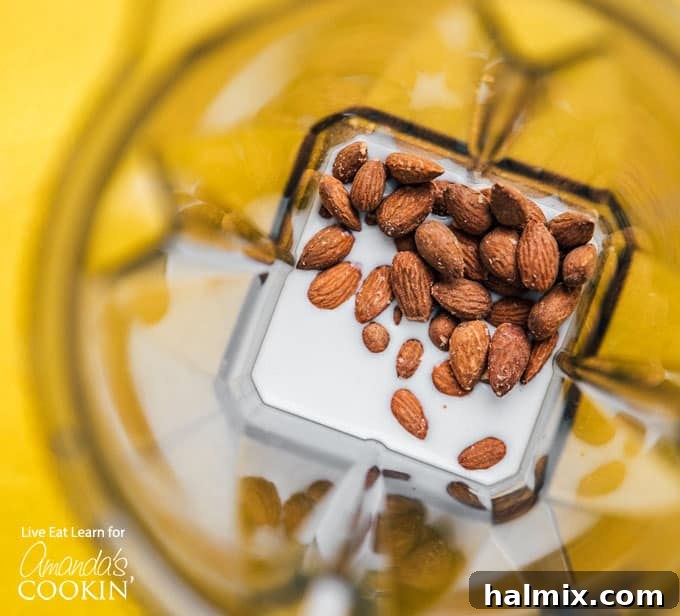
Mastering the Art of Rolling Fresh Spring Rolls
If you haven’t made your own spring rolls before, don’t worry—stay calm! This process is going to be much easier and more enjoyable than you think. The key is in the preparation and a little patience. Let’s break it down:
Step 1: Prepare Your Filling
First, you’ll want to thinly slice all your veggie fillings into long, uniform strips. Think julienne style! For our recipe, we’re using vibrant carrots, cool cucumber, crisp bell pepper, a hint of spicy jalapeno, creamy avocado, and sweet mango. This combination offers a fantastic array of colors, textures, and flavors. However, don’t hesitate to get creative and throw in whatever crunchy veggies or fresh herbs you may also have in the fridge—think red cabbage, sprouts, or even grilled tofu for added protein! The goal is to have all your ingredients prepped and ready to go before you start rolling.
Step 2: Soften the Rice Paper Wrappers
Next, you’ll need to prepare your rice paper wrappers. Fill a shallow pan or a wide bowl with warm water. The water should be warm to the touch, not scalding hot, as excessively hot water can make the wrappers too sticky or cause them to tear. Working one at a time, gently submerge a piece of rice paper into the water for about 15-20 seconds. You’ll know it’s ready when it feels soft, pliable, and slightly stretchy, but not overly limp. It will continue to soften a bit more as you work with it.
Step 3: The Rolling Technique
Once soft, carefully transfer the rice paper to a clean, dampened surface. A wooden cutting board or a smooth, damp kitchen towel works wonderfully for this, as it prevents the wrapper from sticking. Now for the fun part: add your fillings! Arrange a small, long heap of your prepared vegetables and herbs right in the middle of your rice paper, leaving about two inches clear on both the top and bottom edges, and a little space on the sides.
To roll, first fold the bottom edge of the rice paper tightly over your pile of fillings. Then, fold in the two side flaps. Finally, starting from the bottom, tightly roll the spring roll upwards, like you would a burrito. The goal is to create a snug, compact roll that holds its shape. Don’t worry if your first few aren’t perfect; practice makes perfect, and they’ll all taste delicious no matter what they look like!
Step 4: Serve and Enjoy!
Transfer your finished spring roll to a serving plate. To prevent them from drying out or sticking to each other, cover them with a damp paper towel while you continue rolling the rest. Serve immediately with your homemade almond coconut dipping sauce, or optionally, slice them in half diagonally for an elegant presentation that reveals all the beautiful colors inside.
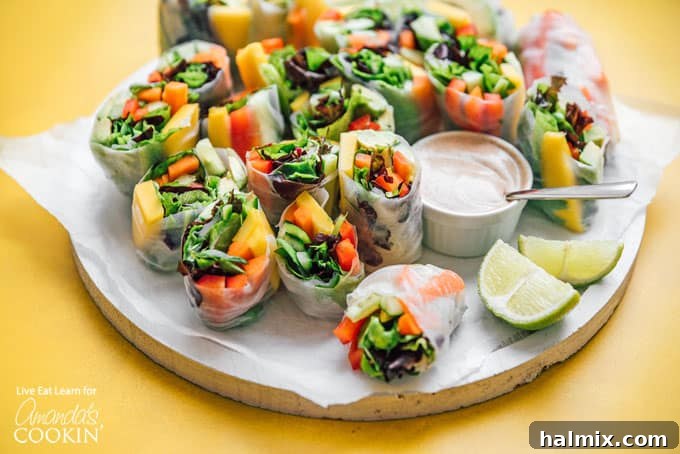
Tips for Success and Delicious Variations
Making fresh spring rolls is a flexible and forgiving process, allowing for plenty of creativity. Here are some tips to ensure your success and inspire new variations:
Choosing Your Veggies
The beauty of spring rolls lies in their versatility. While our recipe features carrots, bell pepper, cucumber, avocado, mango, arugula, basil, and mint, you can easily substitute or add other vegetables. Think thinly sliced red cabbage for a pop of purple, bean sprouts for extra crunch, or even spiralized zucchini. The key is to select vegetables that offer a variety of colors and textures—crisp, tender, and creamy—for a truly satisfying bite.
Adding Protein
To transform these fresh rolls from an appetizer into a more substantial meal, consider adding a protein source. Cooked and cooled shrimp, shredded chicken, or thinly sliced grilled pork are excellent choices for non-vegetarians. For a plant-based protein boost, try marinated baked tofu, tempeh strips, or even edamame. Just be sure not to overfill the wrappers!
Perfecting the Roll
Don’t be discouraged if your first few rolls aren’t picture-perfect. The rice paper can be tricky to work with initially, but you’ll quickly get the hang of it. If the wrapper feels too sticky, try using slightly cooler water or dipping it for a shorter amount of time. If it tears, simply discard it and try again. A slightly damp surface for rolling is crucial to prevent sticking without making the wrapper too wet to handle.
Make Ahead and Storage
Fresh spring rolls are best enjoyed immediately, but they can be made a few hours in advance. To store them, place them in a single layer on a plate, cover them tightly with a damp paper towel, and then wrap the entire plate with plastic wrap or store in an airtight container. This helps prevent the wrappers from drying out or sticking. They can be refrigerated for up to 24 hours. The dipping sauce can be made 2-3 days in advance and stored in an airtight container in the refrigerator.
Serving Suggestions
Beyond being a fantastic appetizer, these spring rolls are also great as a light lunch or dinner. Serve them with extra lime wedges for a fresh squeeze of citrus, or a sprinkle of toasted sesame seeds on the dipping sauce for added texture and flavor. They also pair wonderfully with other light Asian-inspired dishes or a simple green salad.
Frequently Asked Questions About Vegetable Spring Rolls
Here are some common questions you might have when making fresh vegetable spring rolls:
Are these spring rolls gluten-free?
Yes, the spring rolls themselves are naturally gluten-free as they use rice paper wrappers. To ensure the dipping sauce is gluten-free, make sure to use tamari instead of regular soy sauce.
Can I make them vegan?
Absolutely! The recipe is already vegetarian. To make it strictly vegan, ensure your honey in the dipping sauce is substituted with agave nectar or maple syrup.
How do I prevent the rice paper from sticking to the surface or tearing?
The trick is to use a clean, *damp* surface (like a moist cutting board or a slightly wet kitchen towel) for rolling. This provides just enough moisture to prevent sticking without making the wrapper too wet and prone to tearing. Also, don’t over-soak the wrappers; they should be pliable but not overly soft when you remove them from the water.
What if I don’t have fresh mango?
No problem! Mango adds a lovely sweetness, but you can omit it or substitute with other sweet and crunchy fruits like thinly sliced apple, pear, or even bell pepper for a similar texture without the sweetness. You could also use canned mandarins, drained well.
Can I add noodles to my spring rolls?
Yes, absolutely! Thin vermicelli rice noodles, cooked and cooled, are a popular addition to fresh spring rolls. They add substance and a delightful texture. Just be sure to not overfill the roll to allow for easy wrapping.
How do I make the rolls look neat and tight?
Practice is key! Start with a moderate amount of filling—don’t overstuff. When you fold the bottom edge over the filling, try to tuck it in snugly. Then, fold the sides over the filling tightly before rolling from the bottom up. A firm but gentle hand will yield neat and tight rolls.
We hope these tips and answers help you create the most delicious and beautiful Vegetable Spring Rolls!
Hungry for more spring roll recipes? Try these exciting variations:
- Mexican Style Summer Rolls
- Rainbow Spring Rolls
- Thai Green Curry Spring Rolls
- Shrimp Spring Rolls
Vegetable Spring Rolls
IMPORTANT – There are often Frequently Asked Questions within the blog post that you may find helpful. Simply scroll back up to read them!
Print It
Pin It
Rate It
Save It
Ingredients
Spring Rolls
- 2 large carrots
- 1 red bell pepper
- 1 avocado
- 1 mango
- ½ cucumber
- ½ jalapeno
- 2 cups arugula
- ½ cup fresh basil
- ½ cup fresh mint
- 6 to 8 rice paper spring roll wrappers
Sauce
- ½ cup salted roasted almonds
- ½ cup canned coconut milk
- 1 Tbsp lime juice
- 1 Tbsp soy sauce
- 1 Tbsp honey
- 3 cloves garlic
Instructions
-
Combine all “Sauce” ingredients (salted roasted almonds, canned coconut milk, lime juice, soy sauce, honey, and garlic cloves) in a blender. Process until the mixture is completely smooth and creamy. Set aside.
-
Prepare your spring roll fillings by thinly slicing all the vegetables (carrots, red bell pepper, avocado, mango, cucumber, jalapeno) into long, narrow strips. Arrange them along with the fresh arugula, basil, and mint near your workspace for easy assembly.
-
Fill a shallow dish or wide bowl with warm (not hot) water. Working one at a time, gently place a rice paper wrapper into the warm water for about 15-20 seconds, or until it becomes soft and pliable. Carefully remove the softened wrapper and place it on a clean, dampened rolling surface (such as a wooden cutting board or a moist kitchen towel). Stack a small amount of your prepared veggies and herbs in a long, narrow row across the center of the rice paper, leaving approximately 2 inches clear on the left, right, top, and bottom edges. First, fold the bottom edge of the rice paper tightly over the mound of fillings. Then, fold in the two side flaps. Finally, starting from the bottom, gently but firmly roll the spring roll upwards, creating a snug and compact cylinder, similar to how you would roll a burrito.
-
Transfer each finished spring roll to a plate. Cover the assembled spring rolls with a damp paper towel to prevent them from drying out or sticking together while you continue rolling the remaining ones. Serve immediately with the almond coconut dipping sauce. For an elegant presentation, you can optionally slice the spring rolls in half diagonally before serving. Enjoy your fresh and vibrant creation!
Nutrition
The recipes on this blog are tested with a conventional gas oven and gas stovetop. It’s important to note that some ovens, especially as they age, can cook and bake inconsistently. Using an inexpensive oven thermometer can assure you that your oven is truly heating to the proper temperature. If you use a toaster oven or countertop oven, please keep in mind that they may not distribute heat the same as a conventional full sized oven and you may need to adjust your cooking/baking times. In the case of recipes made with a pressure cooker, air fryer, slow cooker, or other appliance, a link to the appliances we use is listed within each respective recipe. For baking recipes where measurements are given by weight, please note that results may not be the same if cups are used instead, and we can’t guarantee success with that method.