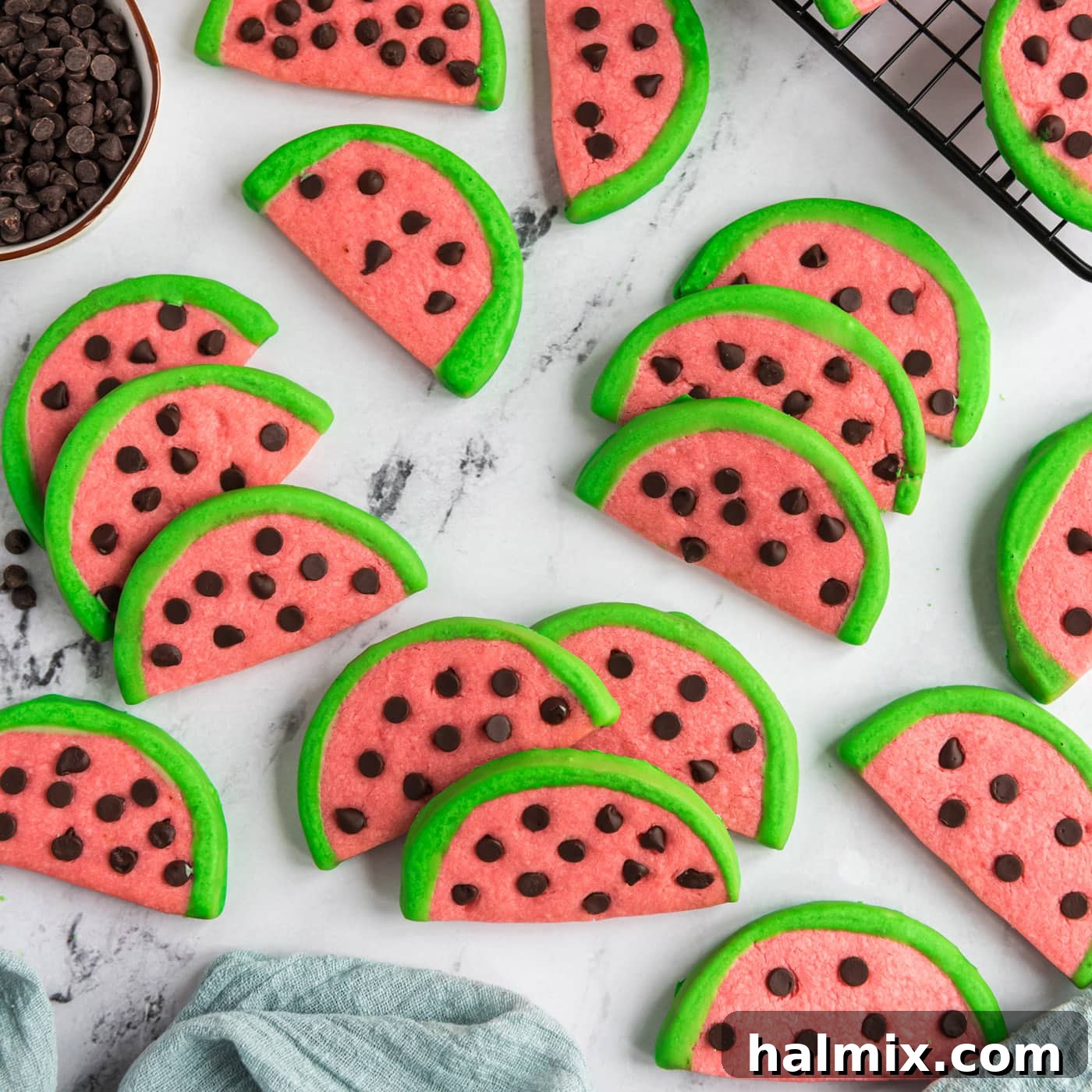
Welcome to a burst of summer joy with these absolutely adorable watermelon cookies! Imagine a classic sugar cookie, soft and tender, subtly tinted pink, and studded with miniature chocolate chips that look just like tiny watermelon seeds. Then, each cookie is artfully dipped in a vibrant green glaze, perfectly mimicking the rind of your favorite juicy summer fruit. While they may not taste exactly like watermelon, their charming appearance makes them an irresistible treat that captures the essence of summertime fun in every bite. Perfect for picnics, barbecues, or simply brightening up any ordinary day, these cookies are a delightful baking project that promises smiles all around.
Why You’ll Love These Delightful Watermelon Cookies
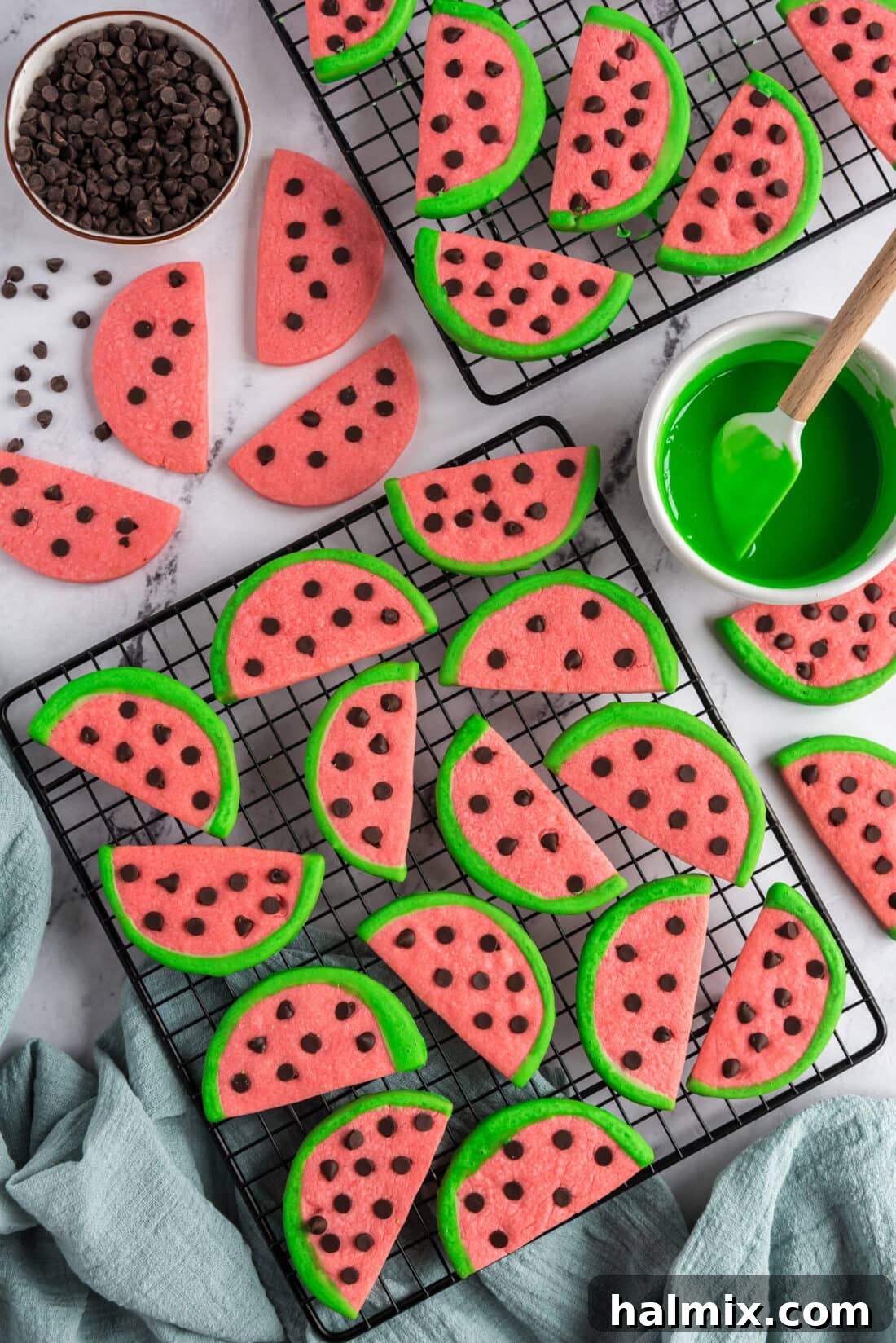
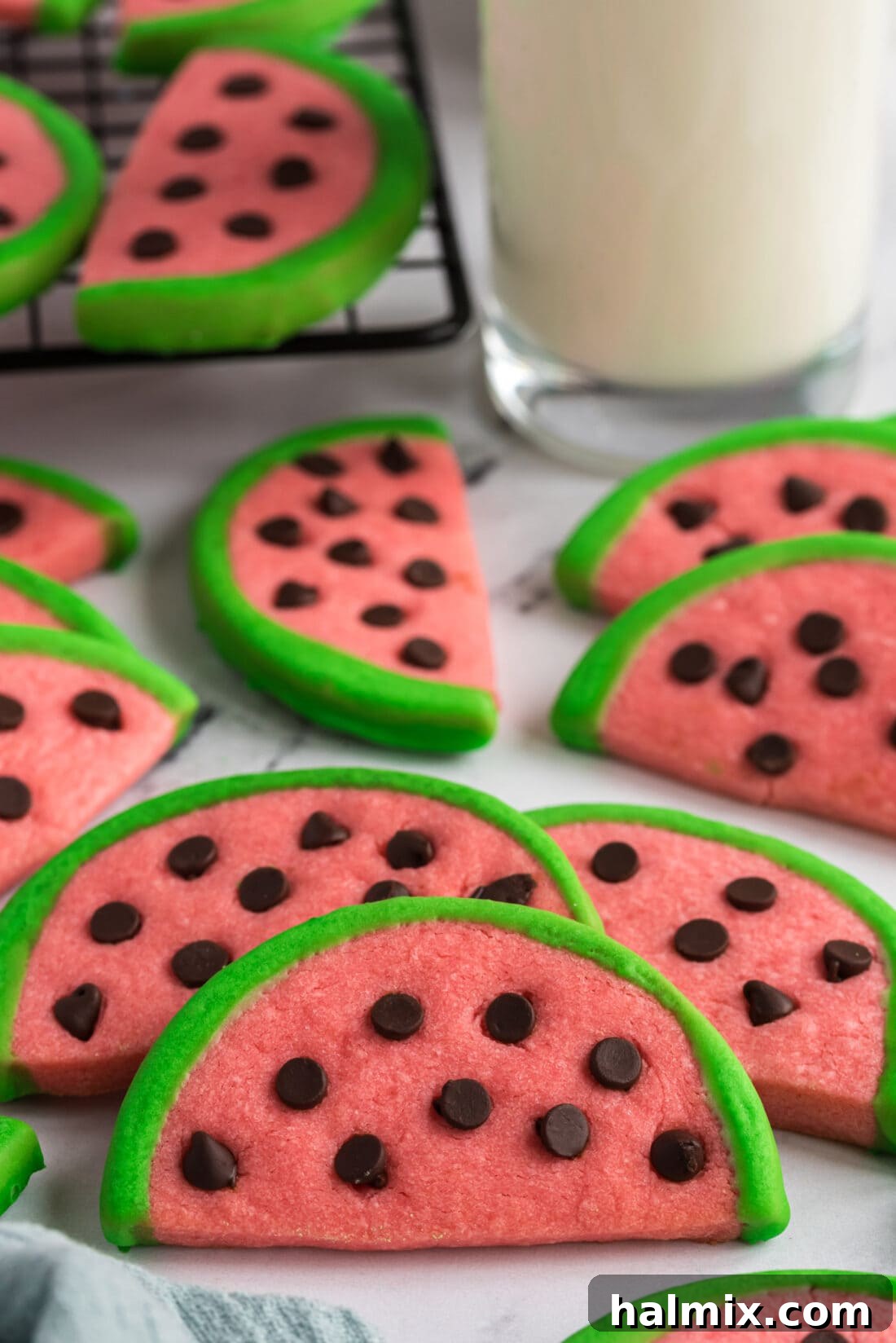
These watermelon cookies are more than just a dessert; they’re a celebration of summer! Their whimsical appearance makes them an instant hit at any gathering, from casual backyard cookouts to festive summer picnics. The secret to their charm lies in a simple, reliable sugar cookie base, which provides a wonderfully sweet and soft foundation. This dough is then transformed with a touch of red food coloring to create that iconic watermelon flesh hue. What truly sets them apart is the clever use of mini chocolate chips as seeds and a vibrant green glaze that perfectly simulates the watermelon rind. While the flavor remains that of a classic sugar cookie – a universally loved taste – the visual appeal is simply unmatched. Kids and adults alike are enchanted by these cute miniature slices, making them disappear from the dessert table in record time. They’re easy to make, incredibly fun to decorate, and offer a unique twist on traditional cookies, proving that sometimes, dessert is all about presentation!
Essential Ingredients for Perfect Watermelon Cookies
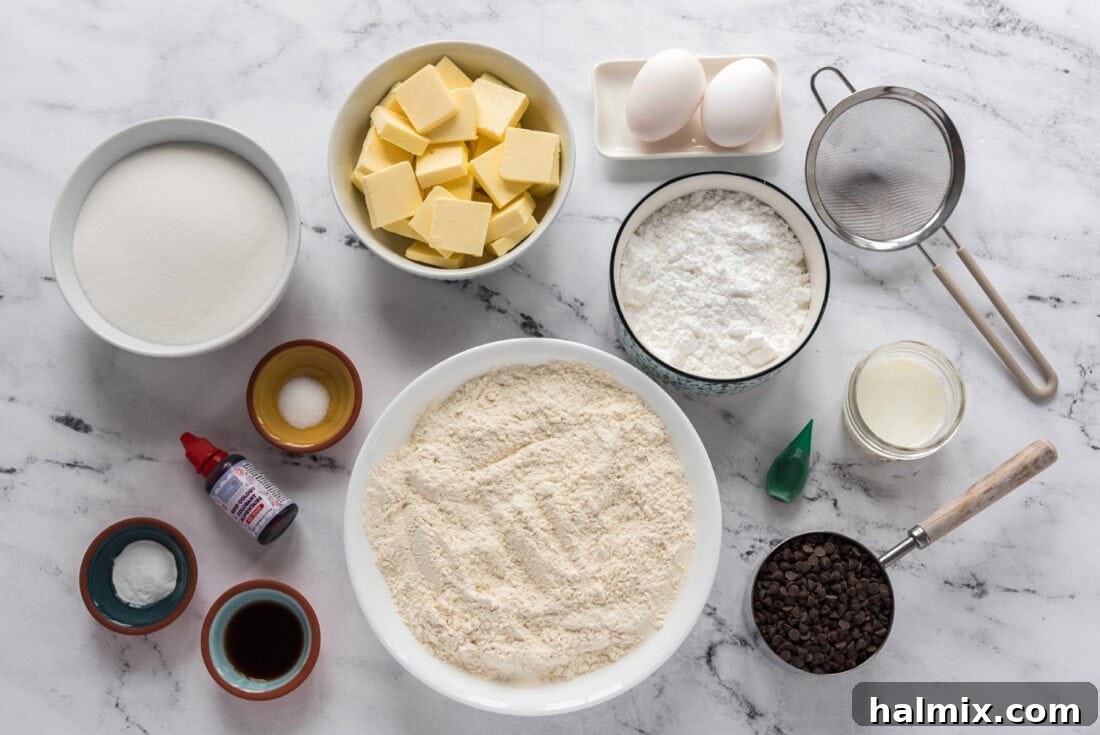
Crafting these visually stunning watermelon cookies requires a handful of common baking ingredients, divided into two main components: the sugar cookie dough and the vibrant glaze. You’ll find a complete list of measurements and detailed instructions in the printable recipe card located at the conclusion of this post. Gather your ingredients, and let’s get ready to bake!
Ingredient Details and Handy Substitution Tips
Understanding each ingredient’s role and potential substitutions can make your baking experience even smoother. Here’s a closer look:
For the Sugar Cookie Dough:
- Flour: All-purpose flour is the standard choice, providing structure to the cookies. Make sure to measure it correctly to avoid a dense or crumbly cookie.
- Baking Powder: This leavening agent helps the cookies achieve a soft, slightly puffy texture. Don’t confuse it with baking soda, as they react differently.
- Salt: A pinch of salt enhances the sweetness and balances the flavors in the dough.
- Unsalted Butter: Using cold, unsalted butter, cut into small slices, is crucial for a tender sugar cookie. The cold butter helps prevent overmixing and keeps the cookies from spreading too much during baking. If you only have salted butter, omit the added salt in the recipe.
- Granulated Sugar: Provides sweetness and contributes to the cookie’s texture.
- Eggs: Act as a binder, adding moisture and richness to the dough.
- Vanilla Extract: Essential for that classic, comforting sugar cookie flavor.
- Red Food Coloring: A few drops of red food coloring (gel or liquid) will give the dough a lovely light pink hue, perfectly mimicking the inside of a watermelon. Gel food coloring often provides a more vibrant color with less liquid, which is ideal for dough consistency.
For the Glaze:
- Powdered Sugar: Also known as confectioners’ sugar, this finely milled sugar is key to a smooth, lump-free glaze. Sifting it before mixing is recommended to ensure the best consistency.
- Milk: A small amount of milk helps thin the powdered sugar into a pourable glaze. You can use any type of milk (dairy or non-dairy) you prefer. Start with less and add more drops as needed until you reach your desired consistency – thick enough to coat, but thin enough to drip smoothly.
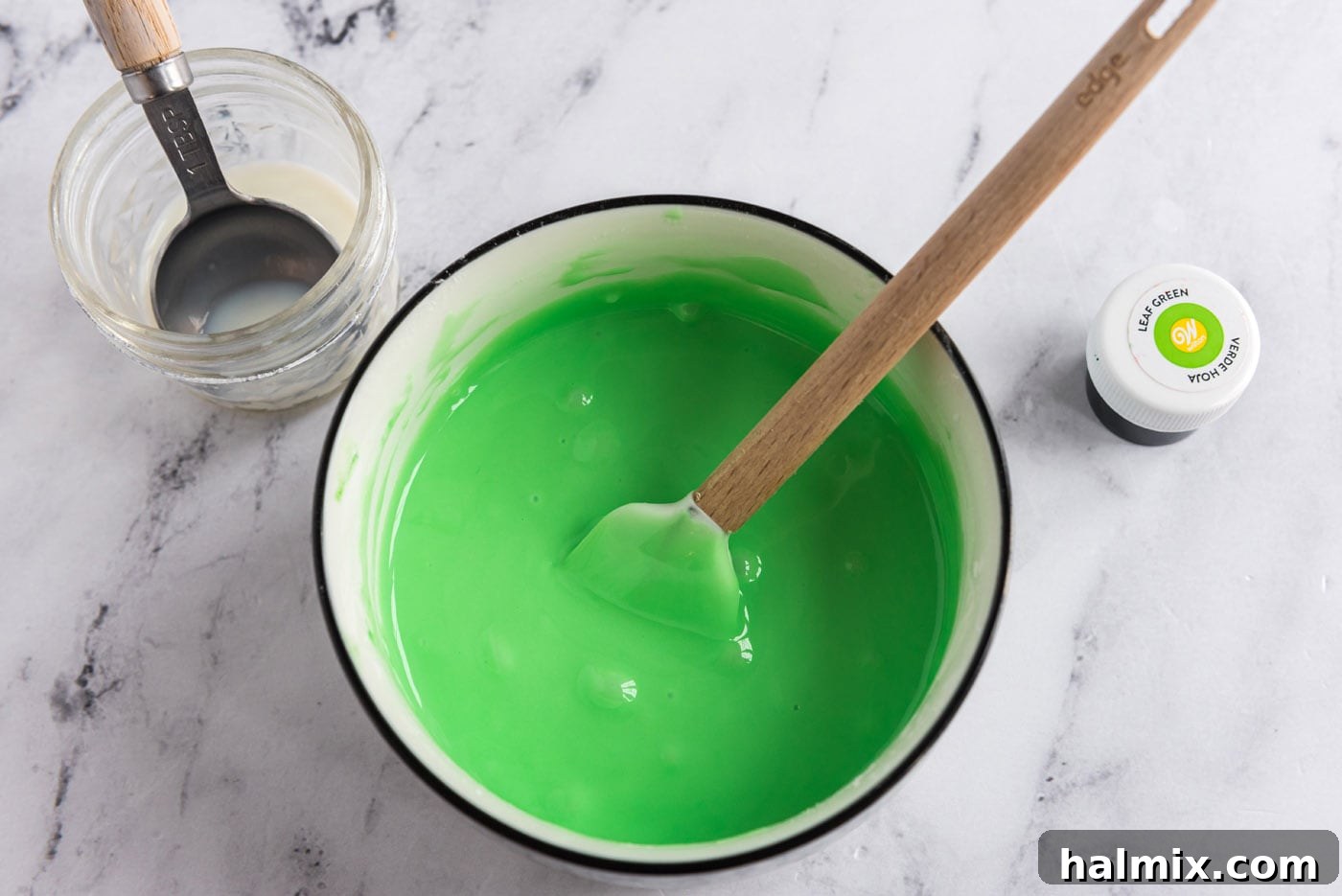
- Green Food Coloring: This is where the magic happens for the watermelon rind effect! I highly recommend using paste gel food coloring for the glaze. Gel colors are highly concentrated, producing vivid, bright green hues without diluting the glaze. Liquid food coloring can also be used, but you might need to use a larger quantity to achieve a rich color, potentially affecting the glaze’s thickness.
Step-by-Step Guide: Crafting Your Watermelon Cookies
These step-by-step photos and detailed instructions are provided to help you visualize each stage of making this delightful recipe. For the complete printable version of this recipe, including all measurements and instructions, simply scroll down to the recipe card at the bottom of this page.
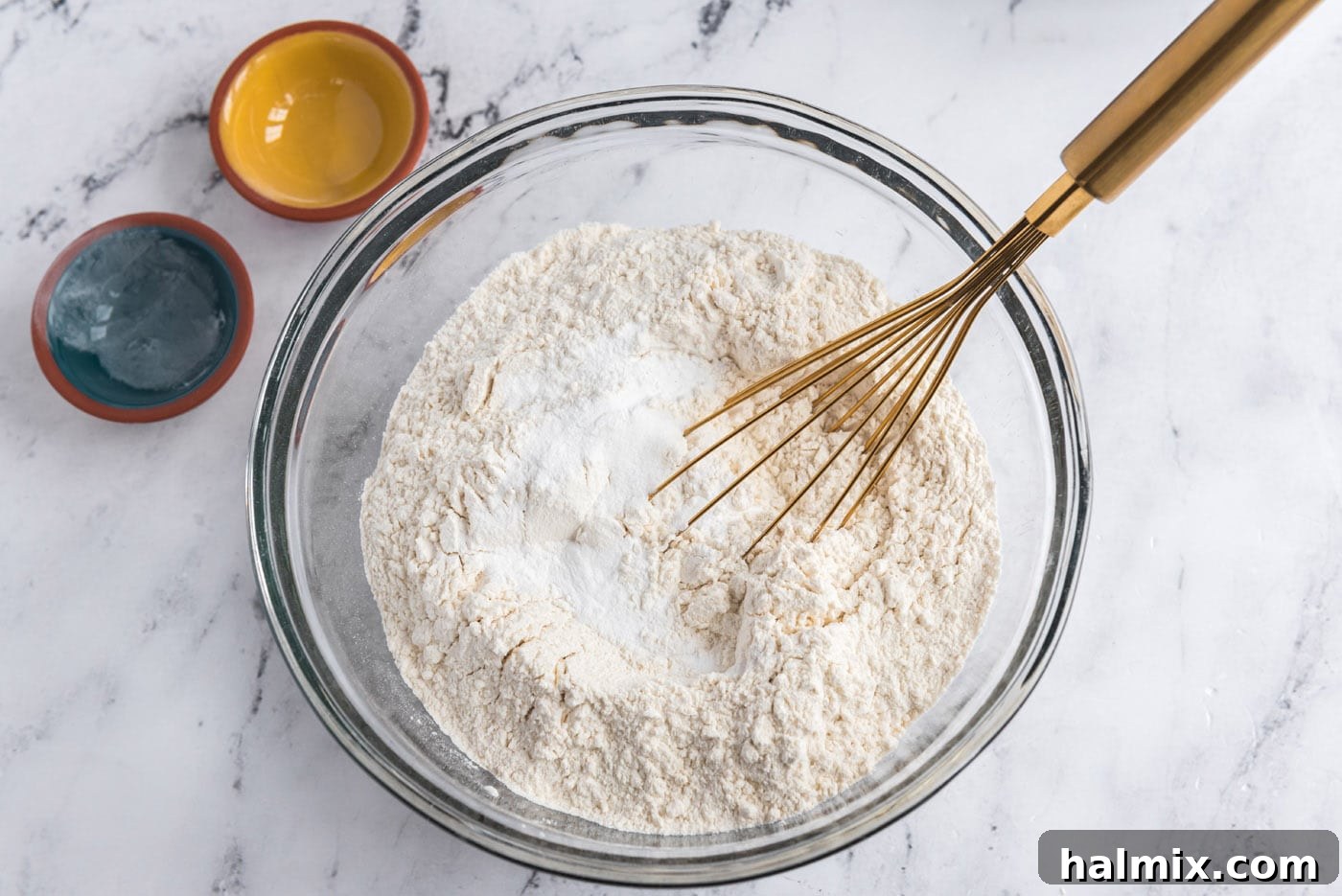
- Prepare Dry Ingredients: In a medium-sized mixing bowl, combine the all-purpose flour, baking powder, and salt. Whisk them together thoroughly until well combined. Set this mixture aside for later use.

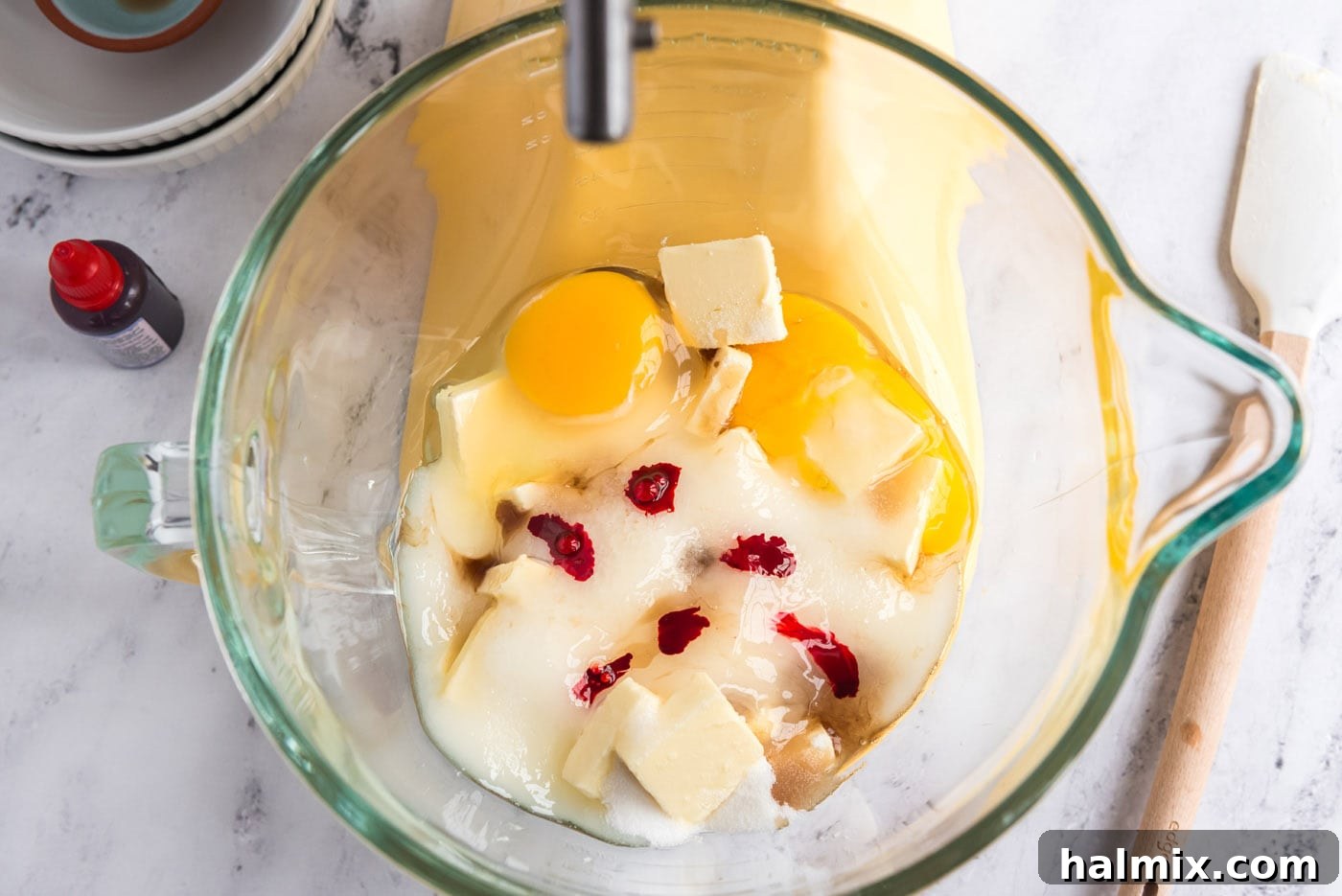
- Cream Wet Ingredients: In the bowl of your stand mixer (or using a hand mixer), add the cold butter slices, granulated sugar, eggs, vanilla extract, and a few drops of red food coloring. Begin beating on medium speed. Continue mixing until all ingredients are well incorporated. It’s perfectly normal if you still see small lumps of butter; these will melt during baking and contribute to the cookie’s tender texture.
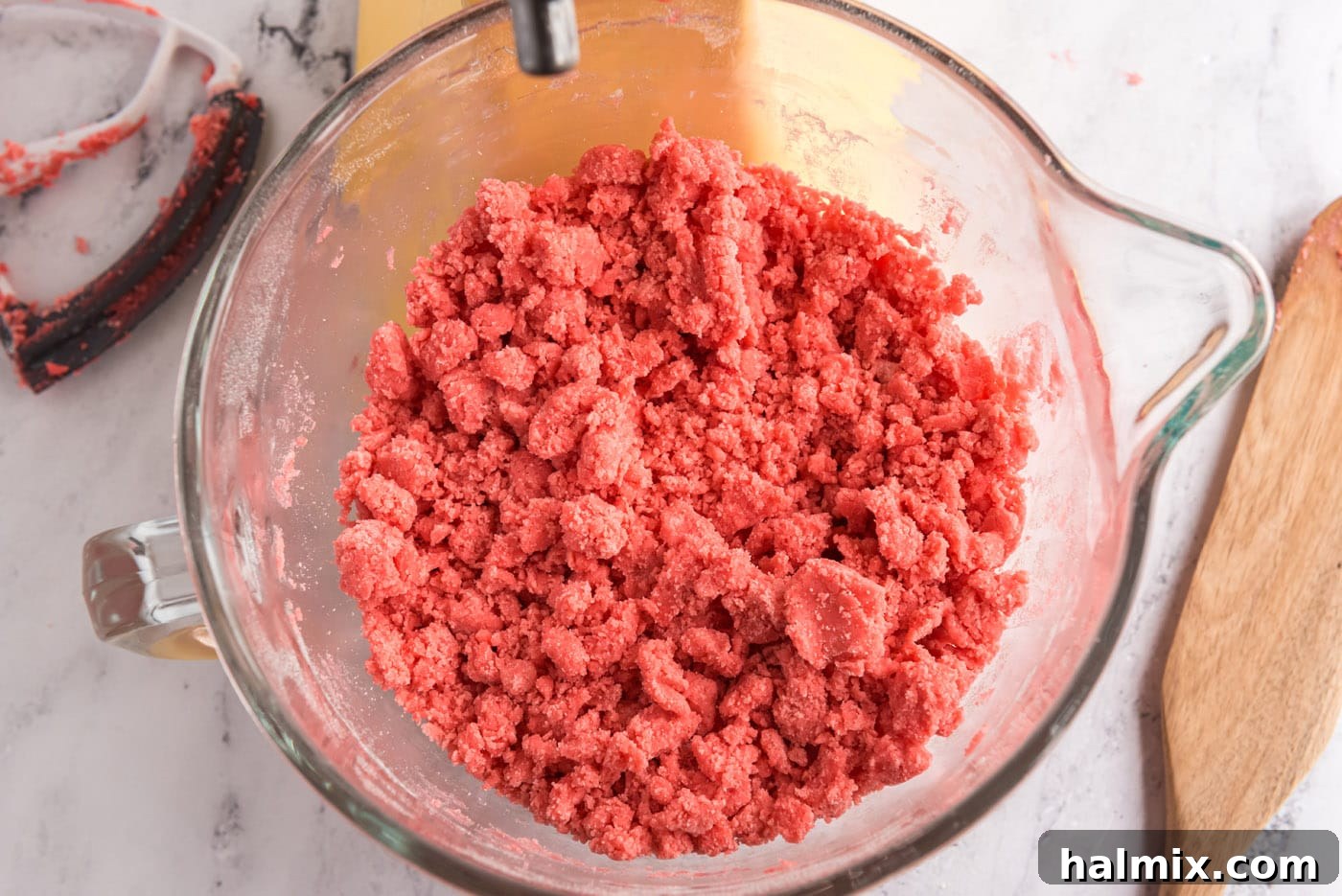
- Combine Wet and Dry: Reduce the mixer speed to low. Gradually add the reserved flour mixture to the wet ingredients, mixing until just combined and no traces of dry flour remain. Be careful not to overmix, as this can lead to tough cookies. Once the dough comes together, use a sturdy rubber spatula to gather it into a cohesive ball.
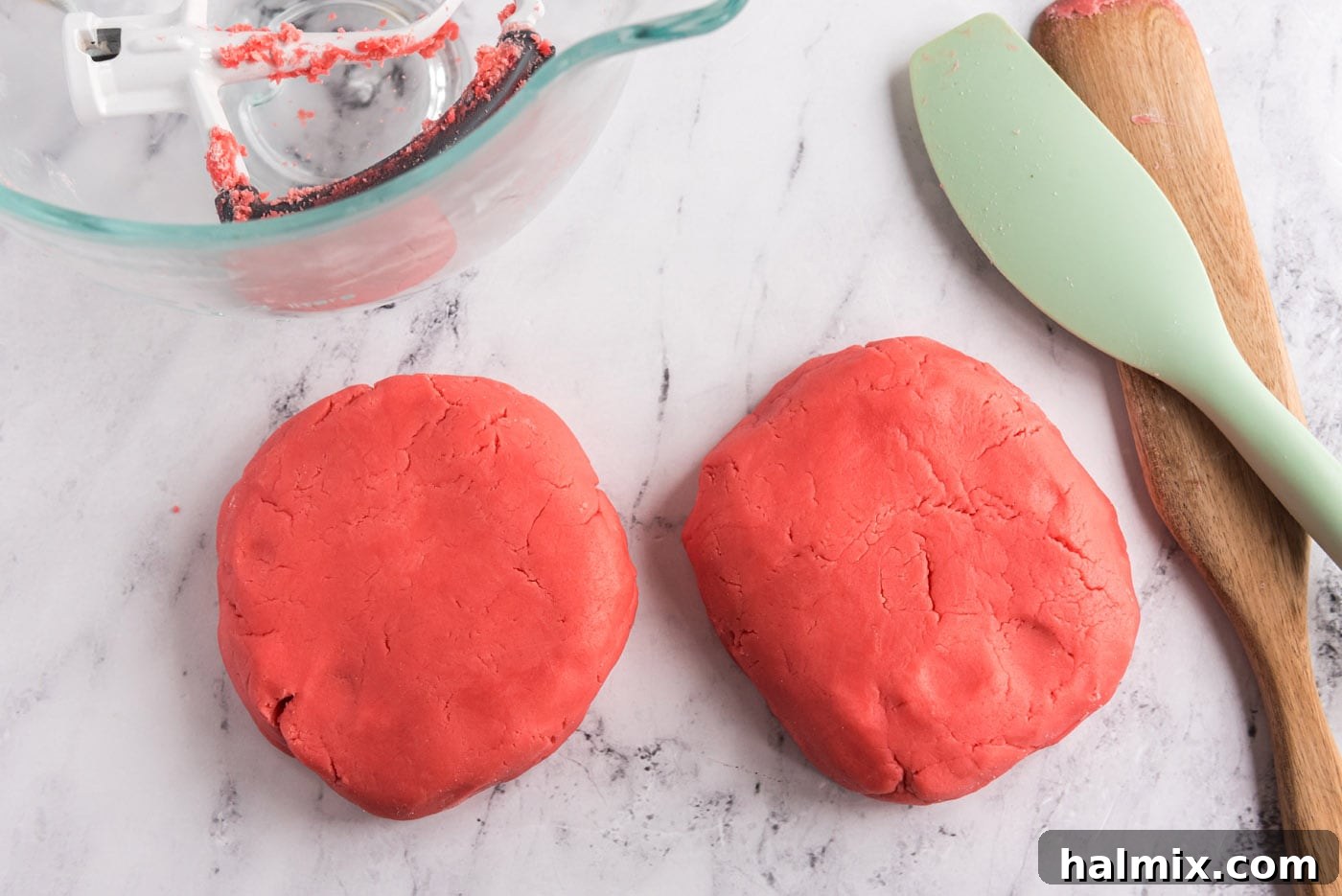
- Chill the Dough: Remove the cookie dough from the mixer bowl and divide it into two equal batches. Place each batch between two sheets of parchment paper. Roll out each batch to an even thickness of approximately 1/4 inch. Chilling the dough is a critical step; it prevents the cookies from spreading excessively and helps them maintain their shape during baking. Transfer the rolled dough sheets to the refrigerator and chill for a minimum of two hours.
- Prepare for Baking: Preheat your oven to 400 degrees Fahrenheit (200°C). Prepare your baking sheets; insulated baking sheets are highly recommended for even baking of sugar cookies, preventing burnt bottoms. If you don’t have insulated sheets, line regular baking sheets with parchment paper or silicone baking mats.
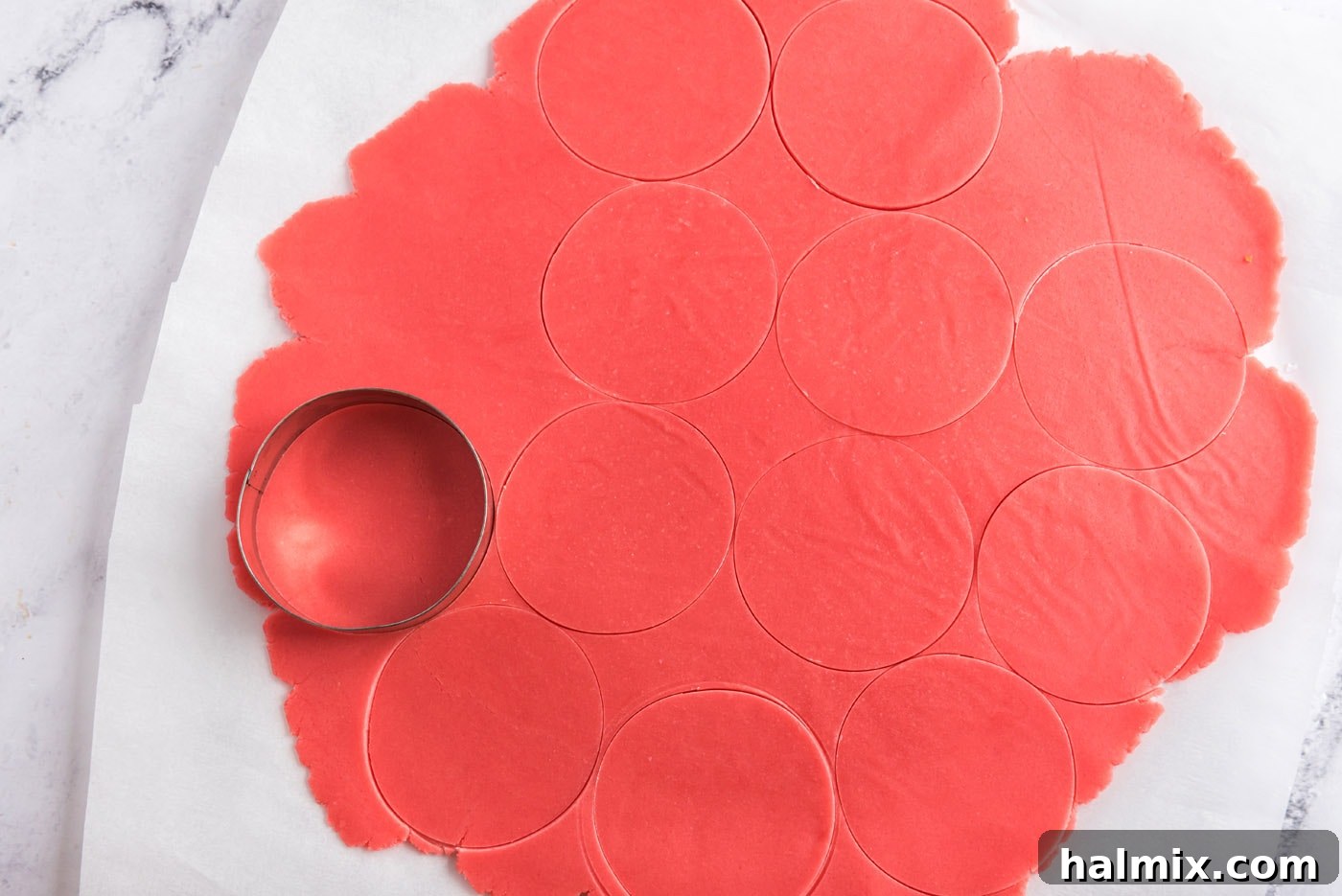
- Cut Out Circles: Take one batch of chilled, rolled dough from the refrigerator. Using a 2-inch round cookie cutter or biscuit cutter, cut out as many circles as possible.
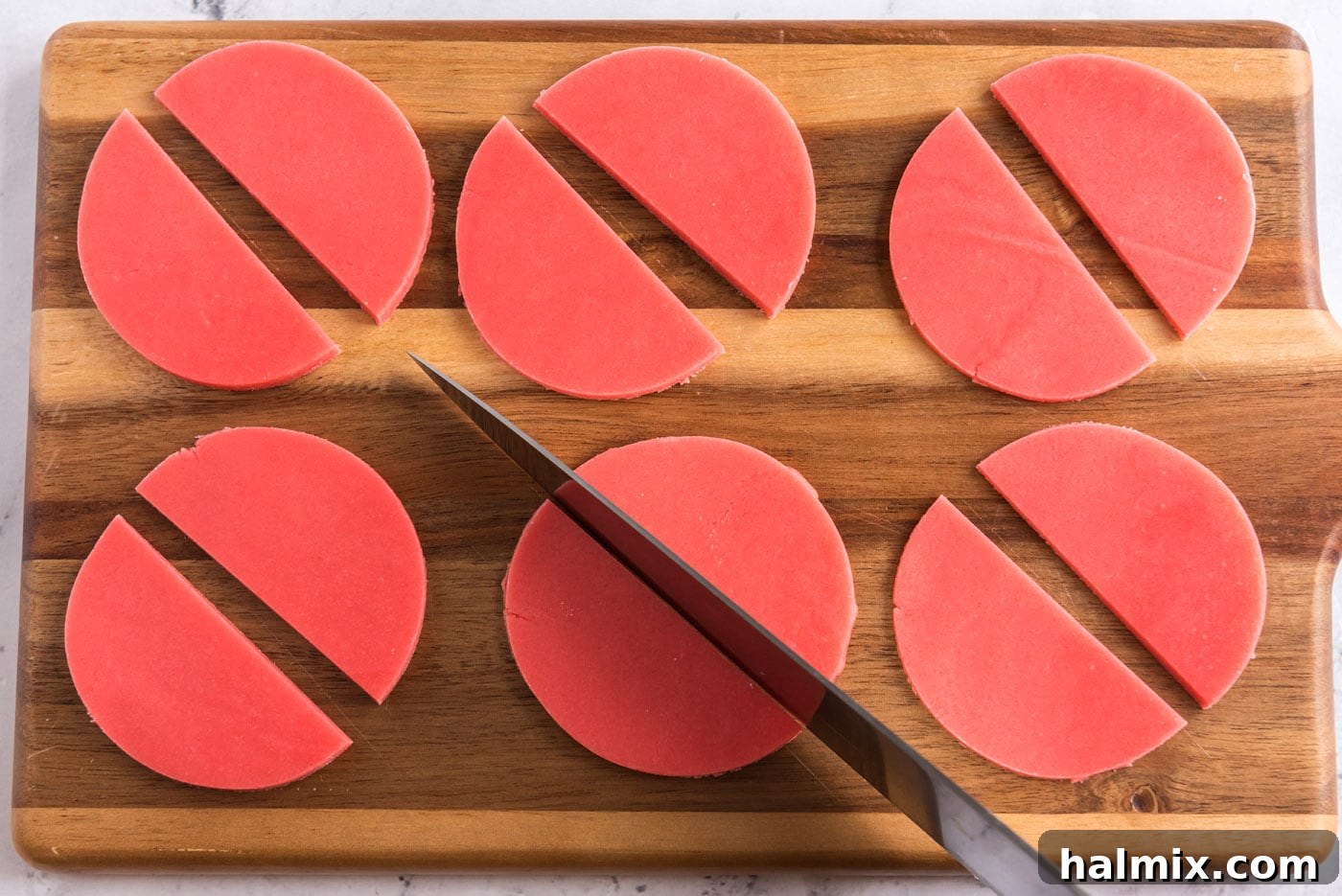
- Shape Watermelon Slices: Using a dough scraper or a sharp knife, carefully cut each dough circle in half, creating perfect semicircles that resemble watermelon slices. Arrange these halves on your prepared baking sheet, ensuring they are about 1 inch apart to allow for slight expansion.
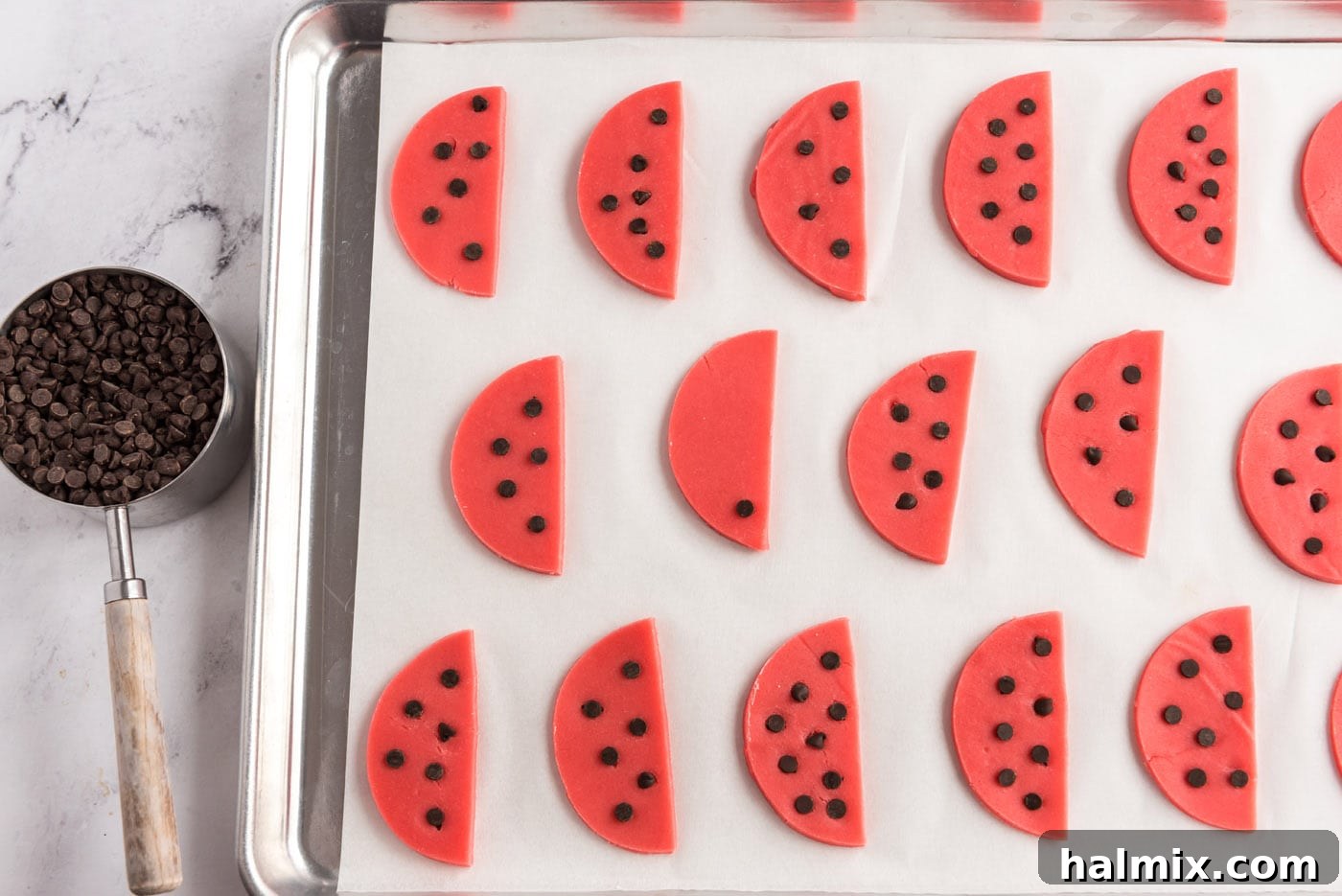
- Add Seeds: Gently press 3-5 miniature semi-sweet chocolate morsels into the top surface of each semicircle. These will serve as the realistic watermelon seeds.
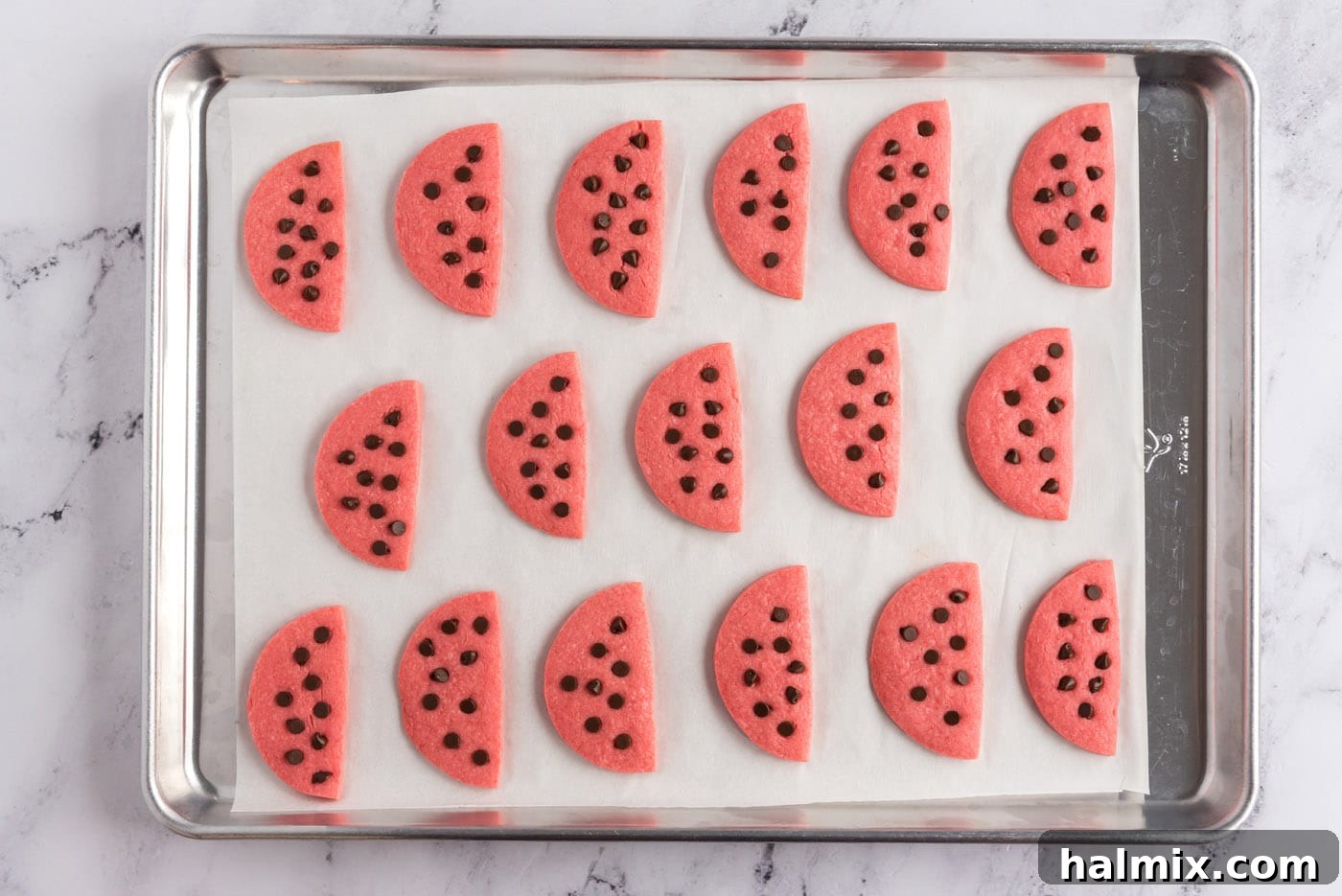
- Bake to Perfection: Bake the cookies for 6-8 minutes. Start checking for doneness around the 6-minute mark. The cookies are ready when they are slightly puffed and the edges are just barely set, but they should not be browned. Overbaking will result in dry, crumbly cookies. In my oven, 7 minutes was the sweet spot. Remove the baking sheet from the oven and allow the cookies to cool on the hot sheet for 5 minutes before carefully transferring them to a wire cooling rack to cool completely.
- Utilize Scraps: After cutting out circles from each batch of dough, gather any leftover scraps. Reroll these scraps between parchment paper, then place them back in the refrigerator to chill again. Repeat the cutting and baking process until all of the dough has been used.
Adding the Finishing Touch: Glazing Your Watermelon Cookies
- Prepare the Glaze: In a small bowl, combine the sifted powdered sugar, milk, and green food coloring. Whisk vigorously until you achieve a smooth, uniform glaze. The consistency should be thick enough to coat the cookies but thin enough to drip off easily. If the glaze is too thick, add a few extra drops of milk; if it’s too thin, add a tiny bit more sifted powdered sugar.
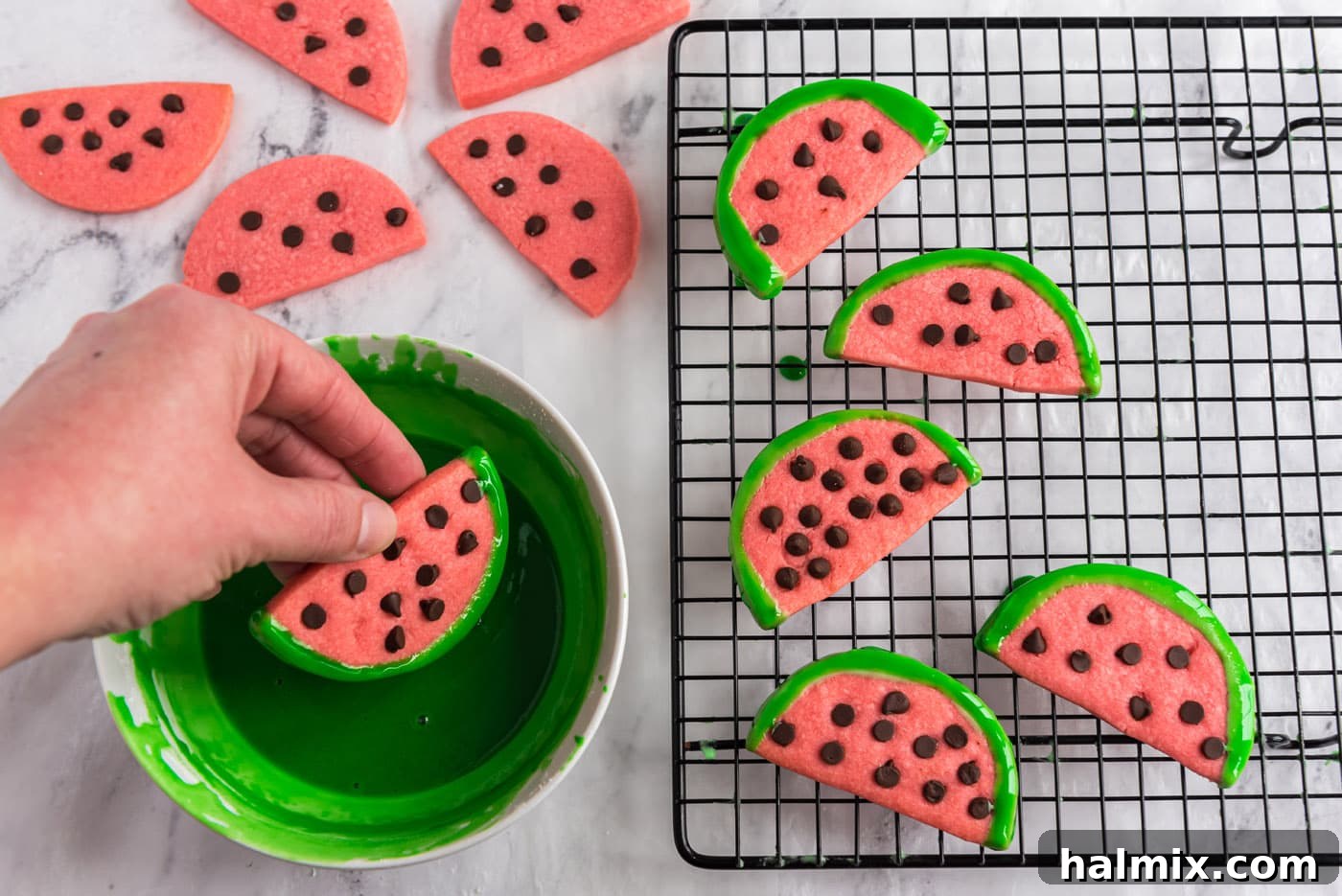
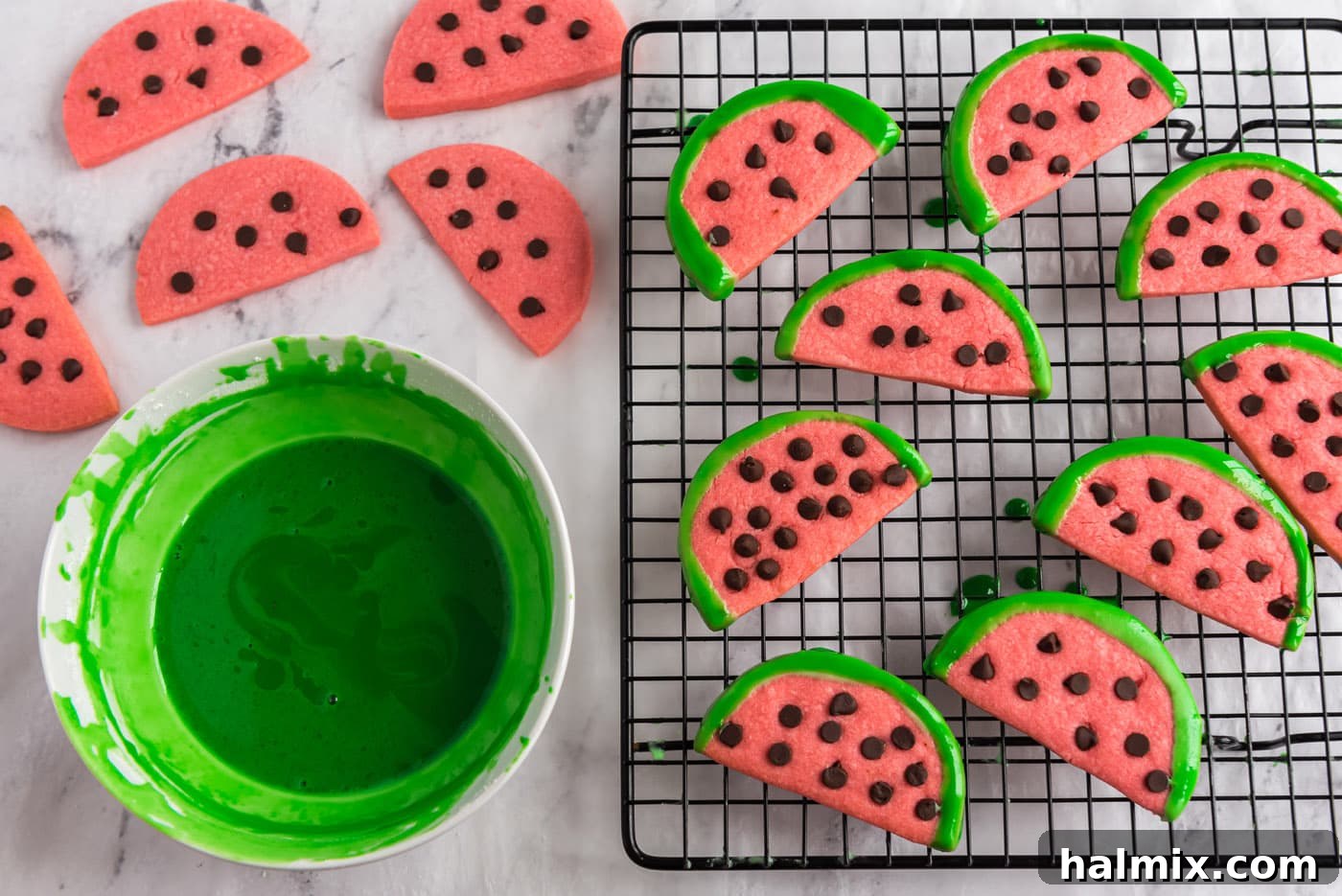
- Dip the Cookies: Cover your counter or work surface with wax paper or parchment paper. Place wire cooling racks over the wax paper to catch any excess glaze drips. Take a cooled watermelon cookie and carefully roll only the round, curved edge (the “rind” part) into the green glaze. Allow any excess glaze to drip back into the bowl for a clean finish.
- Set the Glaze: Place the freshly glazed watermelon cookies back on the wire cooling racks. The excess glaze will continue to drip onto the wax paper below, making cleanup a breeze. Allow the glaze to fully set and harden before handling or moving the cookies. This can take anywhere from 30 minutes to an hour, depending on your humidity.
Frequently Asked Questions & Expert Tips for Watermelon Cookies
These cookies are designed to mimic the appearance of watermelon slices, not their flavor. They taste like delicious, classic sugar cookies. If you’re adventurous and want to introduce a watermelon flavor, you could experiment with adding a few drops of watermelon extract to the dough or glaze, substituting a portion of the vanilla. However, I haven’t personally tested this variation, so start with a small amount!
Absolutely! These cookies are great for preparing in advance. You can bake and glaze them a day or two before your event. Once the glaze has fully set, store them in an airtight container at room temperature. They will remain fresh and delicious for 3-4 days.
Freezing the baked and glazed cookies is not recommended as the glaze may become sticky or dull upon thawing. However, you can freeze the cookie dough for future use! Simply wrap the dough tightly in plastic wrap (either as a whole ball or in rolled-out discs between parchment) and place it inside a gallon-sized freezer bag. It can be frozen for up to 2 months. When ready to bake, let the dough soften slightly in the refrigerator until it’s pliable enough to roll out and cut shapes from.
To keep your watermelon cookies fresh and vibrant, store them in an airtight container at room temperature. They will maintain their best quality for 3-4 days. Avoid stacking them before the glaze is completely dry to prevent sticking.
If your dough feels too sticky after mixing, it likely needs more chilling time. Place it in the refrigerator for at least 30 minutes, or even up to an hour. A colder dough is much easier to handle and roll out without adding excessive flour, which can make cookies tough. Always roll between two sheets of parchment paper to minimize sticking.
Of course! While round cutters are used here to achieve the classic watermelon slice look, feel free to experiment with other shapes. You could make full round “watermelon” cookies or even use square cutters for a more modern, blocky design. Adjust baking times slightly if the size or thickness of your cookies changes.
Delightful Serving Suggestions
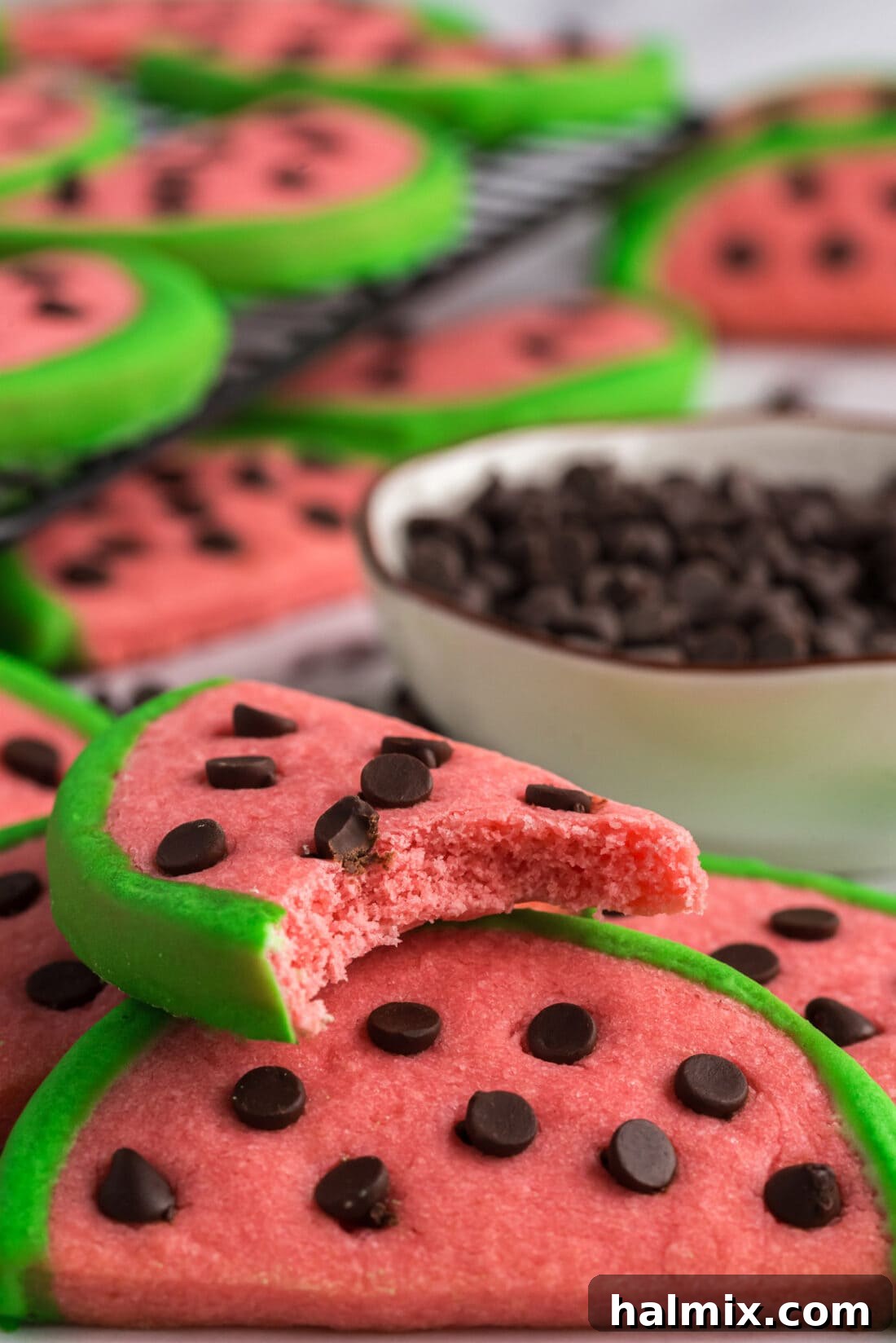
Nothing screams sweet summertime quite like watermelon, and these charming cookies are no exception! They are the quintessential dessert for bringing a splash of color and cheer to any summer gathering. Serve them proudly at potlucks, picnics, birthday parties, or simply whip them up for a fun family baking session with the kids. These cookies pair perfectly with a tall, frosty glass of cold milk, an iced tea, or even a scoop of vanilla ice cream. For an extra festive touch, arrange them on a platter with actual watermelon slices or other colorful fruits. Their vibrant hues make them a fantastic centerpiece for any dessert spread, inviting everyone to enjoy a taste of summer. You can also package them individually for party favors or as a thoughtful gift. Enjoy the smiles these cookies are sure to bring!
Explore More Watermelon-Inspired Recipes
If you love the refreshing taste and vibrant look of watermelon, you’ll definitely want to try these other fantastic recipes that celebrate this iconic summer fruit:
- Watermelon Pizza: A fun and healthy dessert or snack.
- Refreshing Watermelon Salad: A perfect blend of sweet and savory.
- Mint Watermelon Smoothie: A cool and invigorating drink.
- Watermelon Poke Cupcakes: A unique and creative dessert twist.
I genuinely love to bake and cook, and it’s a joy to share my kitchen experiences and tested recipes with all of you! Remembering to check back for new creations daily can be tough, which is why I offer a convenient newsletter delivered straight to your inbox every time a new recipe is posted. Simply subscribe here and start receiving your free daily recipes, ensuring you never miss out on delicious inspiration!
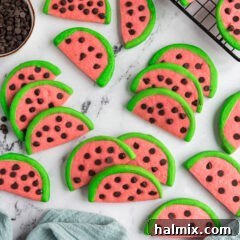
Watermelon Cookies
IMPORTANT – Don’t forget to scroll up and read the Frequently Asked Questions and Expert Tips within the blog post; they contain valuable insights!
Print It
Pin It
Rate It
Save ItSaved!
Ingredients
Sugar Cookie Dough
- 3 ¾ cups all purpose flour
- 1 teaspoon baking powder
- ½ teaspoon salt
- 1 cup cold unsalted butter cut into 1/2 tablespoon slices
- 1 ½ cups granulated sugar
- 2 eggs
- 2 teaspoon vanilla extract
- 6 drops red food coloring
Plus
- 1 cup miniature semi sweet morsels
Glaze
- 1 ½ cups powdered sugar sifted
- 2-3 tablespoons milk
- green paste food coloring OR 15-20 drops green food coloring
Tools You’ll Need
-
Mixing bowls
-
Stand mixer or hand mixer
-
Rubber spatula
-
Rolling pin
-
2 inch round cookie cutter
Before You Begin
- *Note: Insulated baking sheets are highly recommended for baking sugar cookies to ensure even heat distribution and prevent burnt bottoms. If you only have regular cookie sheets, always line them with parchment paper or a silicone baking mat.
- This recipe typically yields anywhere from 36 to 52 cookies. The exact number will depend on the size of your cookie cutter and how efficiently you use the dough scraps.
Instructions
-
In a medium bowl, whisk together the all-purpose flour, baking powder, and salt. Set the dry mixture aside.
-
To your mixer’s bowl, add the cold butter slices, granulated sugar, eggs, vanilla extract, and red food coloring. Beat on medium speed until these ingredients are well incorporated. Do not be overly concerned if small lumps of butter are still visible at this stage.
-
Reduce the mixer speed to low and gradually add the flour mixture. Continue mixing until the flour is fully incorporated and no traces of dry flour remain. Gather all the dough together using a sturdy rubber spatula to form a cohesive ball.
-
Remove the dough from the bowl and separate it into two equal batches. Place one batch between two sheets of parchment paper and roll it out evenly to about 1/4 inch thick. Repeat this process with the second batch. Chill both rolled dough sheets in the refrigerator for at least two hours.
-
Preheat your oven to 400 degrees F (200°C). Prepare your baking sheets by lining them with parchment paper or silicone mats, especially if not using insulated baking sheets.
-
Retrieve one batch of the chilled, rolled dough from the refrigerator. Use a 2-inch round cookie cutter or biscuit cutter to cut out circles.
-
With a dough scraper or a sharp knife, carefully cut each dough circle in half to create semicircles. Place these halves on the prepared baking sheet, spacing them approximately 1 inch apart.
-
Gently press 3-5 miniature semi-sweet chocolate morsels into the pink surface of each semicircle to resemble watermelon seeds.
-
Bake for 6-8 minutes. Begin checking after 6 minutes; the cookies should be slightly puffed but not browned (7 minutes was perfect for my oven). Overbaking will result in dry, crumbly cookies. Remove from the oven and allow the cookies to cool on the baking sheets for 5 minutes before carefully transferring them to a wire cooling rack to cool completely.
-
After cutting out circles from each batch of cookie dough, gather the remaining scraps. Reroll them between parchment paper and chill again in the refrigerator. Repeat the cutting and baking process until all of the dough has been utilized.
For the Glaze
-
In a small bowl, whisk together the sifted powdered sugar, milk, and green food coloring until a smooth, pourable glaze forms. Add additional drops of milk sparingly if the glaze is too thick, or more powdered sugar if it’s too thin.
-
Prepare your workspace by covering a counter with wax paper and placing wire cooling racks over it to catch drips. To decorate the cooled cookies, carefully roll only the rounded edge of each semicircle in the green glaze, allowing any excess to drip back into the bowl.
-
Place the glazed cookies on the wire cooling racks. Allow the glaze to fully set and harden before moving or stacking the cookies. This will ensure a clean, crisp finish.
Extra Tips & Storage
- Storage: Store your finished watermelon cookies in an airtight container at room temperature for 3-4 days. For optimal freshness and to prevent sticking, ensure the glaze is completely dry before layering or storing.
- Freezing Dough: You can easily freeze the cookie dough for future baking. Wrap the dough ball tightly in plastic wrap, then place it inside a gallon-sized freezer bag. Freeze for up to 2 months. When ready to use, allow the dough to thaw slightly in the refrigerator until it is pliable enough to roll out between parchment paper and cut into shapes. This makes spontaneous baking a breeze!
- Achieving Vibrant Colors: For the most vivid pink dough and bright green glaze, use gel food coloring. It’s more concentrated than liquid food coloring and won’t thin out your mixtures.
- Perfect Cookie Thickness: Rolling your dough consistently to 1/4 inch thickness ensures even baking. Use a rolling pin with guides if you have one, or measure with a ruler occasionally.
Nutrition Facts
The recipes on this blog are meticulously tested using a conventional gas oven and gas stovetop. Please note that oven performance, especially with older appliances, can vary, leading to inconsistent cooking and baking times. Using an inexpensive oven thermometer can help ensure your oven is consistently reaching the correct temperature. If you use a toaster oven or countertop oven, be aware that their heat distribution might differ from full-sized conventional ovens, and adjustments to cooking or baking times may be necessary. For recipes prepared with specialized appliances like pressure cookers, air fryers, or slow cookers, a link to the specific models we use is often provided within each recipe. Additionally, for baking recipes where ingredient measurements are given by weight, please understand that using cup measurements instead may yield different results, and we cannot guarantee success with alternative measuring methods.
This post was originally published on May 29, 2010, and has since been extensively updated with fresh photos, enhanced details, and expert tips to provide you with the most comprehensive and enjoyable baking experience.