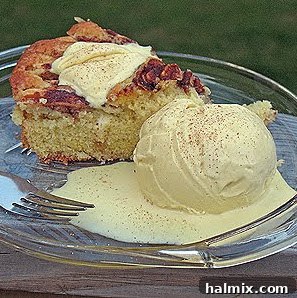
Homemade Cinnamon Ice Cream: The Perfect Autumn & Holiday Indulgence
As the crisp air of autumn settles in and visions of warm, spiced treats like apple pie and pumpkin spice lattes dance in our minds, it’s the perfect time to elevate our dessert game. While classic apple desserts such as a hearty Milopitas, or Greek Apple Pastry, are irresistible on their own, imagine pairing them with a scoop of something truly extraordinary: sweet, spicy, homemade cinnamon ice cream. This isn’t just any ice cream; it’s a creation that marries beautifully with the comforting flavors of fall and the festive spirit of the holiday season.
The inspiration for this magnificent dessert comes from none other than David Lebovitz, a renowned pastry chef and ice cream aficionado. His recipe, unearthed from his essential guide for frozen treats, The Perfect Scoop, strikes the ideal balance of warmth and sweetness, capturing the very essence of fall in every creamy bite.
Whether you’re hosting Thanksgiving dinner, celebrating Christmas, or simply looking for a delightful treat to enjoy with family and friends, this cinnamon ice cream promises to be a memorable addition. It’s a fabulous way to impress your holiday guests and add a unique, homemade touch to your festive spread.
The Secret to Unforgettable Flavor: Deep Cinnamon Infusion
What truly sets this cinnamon ice cream apart is the method of infusing its star flavor. Forget a mere sprinkle of ground cinnamon; the secret lies in using a generous quantity of whole cinnamon sticks. A full ten 3-inch cinnamon sticks are warmed in a blend of rich whole milk and cream, then left to steep for an hour. This extended steeping process allows the cinnamon to slowly release its aromatic oils and deep, complex flavors, creating an intensely fragrant and exquisitely spiced base that simply can’t be achieved with powdered spices alone. This foundational step is key to developing that warm, comforting, and authentic cinnamon taste that will captivate your palate.
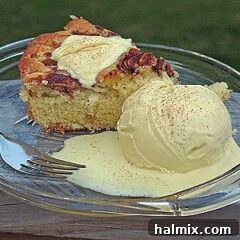
Cinnamon Ice Cream
5 from 1 vote
IMPORTANT – Scroll down to read the full blog post for detailed tips, FAQs, and serving suggestions that will enhance your ice cream making experience!
Print It
Pin It
Rate It
Desserts
American
Amanda Davis
Ingredients
-
1 cup whole milk -
¾ cup sugar -
pinch of salt -
Ten 3-inch cinnamon sticks broken up -
2 cups heavy whipping cream -
5 large egg yolks
Instructions
-
In a medium saucepan, gently warm the whole milk, sugar, salt, broken cinnamon sticks, and 1 cup of the heavy cream. Once the mixture is warm (not boiling), remove it from the heat, cover the saucepan, and allow the cinnamon to steep at room temperature for a full hour. This step is crucial for extracting maximum flavor from the cinnamon.
-
After steeping, rewarm the cinnamon-infused milk mixture over medium heat until it’s steaming gently. Carefully remove all the cinnamon sticks using a slotted spoon and discard them. Pour the remaining 1 cup of heavy cream into a large, clean bowl and place a fine-mesh strainer over it.
-
In a separate medium bowl, whisk the egg yolks until they are light yellow and smooth. To temper the egg yolks, slowly pour about a third of the warm milk mixture into the egg yolks while continuously whisking. This gradually raises the temperature of the yolks without scrambling them. Then, carefully scrape the warmed egg yolk mixture back into the saucepan with the remaining milk mixture.
-
Continue to stir the mixture constantly over medium heat with a heatproof spatula. Ensure you are scraping the bottom of the saucepan frequently to prevent scorching. Stir until the mixture thickens enough to coat the back of the spatula (reaching about 175-180°F or 80-82°C). Immediately pour the hot custard through the mesh strainer into the bowl with the reserved cold cream. Stir the mixture well to combine, then place the bowl over an ice bath (a larger bowl filled with ice and a little water) and stir occasionally until thoroughly cooled.
-
Once cooled, chill the mixture thoroughly in the refrigerator for at least 4 hours, or preferably overnight. This chilling process is essential for the ice cream to churn properly and achieve its ideal texture. Finally, transfer the chilled base to your ice cream maker and freeze it according to the manufacturer’s instructions. For best results, transfer the churned ice cream to an airtight container and freeze for an additional 2-4 hours to firm up before serving.
Tried this Recipe? Pin it for Later!
Follow on Pinterest @AmandasCookin or tag #AmandasCookin!
The recipes on this blog are tested with a conventional gas oven and gas stovetop. It’s important to note that some ovens, especially as they age, can cook and bake inconsistently. Using an inexpensive oven thermometer can assure you that your oven is truly heating to the proper temperature. If you use a toaster oven or countertop oven, please keep in mind that they may not distribute heat the same as a conventional full sized oven and you may need to adjust your cooking/baking times. In the case of recipes made with a pressure cooker, air fryer, slow cooker, or other appliance, a link to the appliances we use is listed within each respective recipe. For baking recipes where measurements are given by weight, please note that results may not be the same if cups are used instead, and we can’t guarantee success with that method.
Essential Ingredients for a Velvety Cinnamon Dream
Creating truly exceptional ice cream, especially one as flavorful as this cinnamon variety, relies on understanding the role of each ingredient. This recipe utilizes a French-style custard base, which contributes significantly to its rich, smooth, and velvety texture. Let’s delve into why these specific ingredients are crucial:
- Whole Milk & Heavy Whipping Cream: These dairy components are the foundation of any creamy ice cream. The high fat content in heavy cream provides unparalleled richness and helps prevent the formation of large ice crystals, resulting in a super-smooth texture. Whole milk contributes to the liquid base and helps balance the overall richness.
- Sugar: Beyond sweetness, sugar plays a vital role in the ice cream’s texture. It lowers the freezing point of the mixture, making it softer and scoopable even when frozen solid. It also adds body and prevents the ice cream from becoming too hard or icy.
- Pinch of Salt: A small amount of salt is a secret weapon in many dessert recipes. It doesn’t make the ice cream salty but instead enhances and brightens all the other flavors, making the cinnamon and sweetness more pronounced and complex.
- Ten 3-inch Cinnamon Sticks: As discussed, these are the stars of the show. Using whole sticks for steeping, rather than ground cinnamon, allows for a purer, more nuanced cinnamon flavor without any grittiness. Breaking them up exposes more surface area for infusion.
- Large Egg Yolks: The egg yolks are what give this ice cream its “French” or custard-style designation. They act as an emulsifier, binding the fat and water together, and contribute significantly to the custard’s thickness, richness, and incredibly smooth mouthfeel. They are essential for a truly luxurious ice cream.
Mastering the Method: Tips for Ice Cream Success
While the recipe is straightforward, paying attention to a few key techniques will ensure your homemade cinnamon ice cream turns out perfectly every time:
- Gentle Warming and Thorough Steeping: When warming the milk and cream mixture, do so gently over medium heat. Avoid boiling, which can scorch the dairy. The hour-long steeping period for the cinnamon sticks is non-negotiable; this is where the magic happens and the deep flavor develops. Don’t rush it!
- Tempering the Egg Yolks: This is a crucial step to prevent scrambling the eggs. Slowly pouring a portion of the warm milk mixture into the whisked egg yolks while continuously stirring gradually brings the yolks up to temperature. This makes them less prone to cooking when added back to the hot saucepan.
- Constant Stirring for Custard Perfection: Once the egg yolks are back in the saucepan, stir the mixture continuously over medium heat. Use a heatproof spatula to scrape the bottom and sides of the pan. This prevents the custard from sticking and ensures even cooking, leading to a smooth, thick consistency. The custard is ready when it coats the back of your spatula, or reaches approximately 175-180°F (80-82°C).
- The Importance of Straining: Pouring the finished custard through a fine-mesh strainer ensures a silky-smooth ice cream base by catching any tiny bits of cooked egg or cinnamon particles that might remain.
- Rapid Cooling with an Ice Bath: Cooling the custard quickly is important for food safety and flavor. An ice bath rapidly brings down the temperature, stopping the cooking process and preventing any bacterial growth. Stirring occasionally helps distribute the cold.
- Thorough Chilling Before Churning: The ice cream base must be thoroughly chilled (at least 4 hours, preferably overnight) before it goes into the ice cream maker. A cold base churns faster, freezes more efficiently, and results in a smoother, creamier texture. If the base isn’t cold enough, it won’t freeze properly in the machine.
- Don’t Overfill Your Ice Cream Maker: Always follow your machine’s instructions regarding fill levels. The mixture expands as it freezes and churns.
- Freezer Hardening: After churning, the ice cream will be soft-serve consistency. Transfer it to an airtight container and freeze for another 2-4 hours (or longer) to achieve a firm, scoopable texture.
Frequently Asked Questions About Homemade Ice Cream
Making ice cream at home is rewarding, but sometimes questions arise. Here are answers to some common queries:
Q: Why is my homemade cinnamon ice cream icy?
A: Iciness can stem from several factors:
- Insufficient Fat or Sugar: Ensure you’re using whole milk and heavy cream as specified, and don’t reduce the sugar. Fat and sugar both contribute to a smooth texture by lowering the freezing point and disrupting ice crystal formation.
- Not Chilled Enough: The ice cream base must be thoroughly cold before churning. If it’s too warm, the machine can’t freeze it efficiently, leading to larger ice crystals.
- Overfilling the Machine: An overfilled machine won’t churn properly.
- Slow Freezing: After churning, ensure your freezer is cold enough (0°F / -18°C or below) for the ice cream to harden quickly.
Q: Can I use ground cinnamon instead of sticks?
A: While technically possible, it is highly recommended to use whole cinnamon sticks for this recipe. Ground cinnamon can result in a gritty texture and often lacks the nuanced depth of flavor that comes from steeping whole sticks. If you absolutely must, you could try adding 1-2 teaspoons of high-quality ground cinnamon directly to the custard after it’s cooked and cooled, but the flavor profile will be different, and you risk a powdery mouthfeel.
Q: How long does homemade ice cream last?
A: Homemade ice cream, stored in an airtight container in the back of your freezer (where the temperature is most stable), typically lasts for about 1-2 weeks. Beyond that, its texture and flavor can start to degrade, and it might develop ice crystals.
Q: What’s the best way to store homemade ice cream?
A: Use an airtight container to prevent freezer burn and keep unwanted odors out. Press a piece of parchment paper or plastic wrap directly onto the surface of the ice cream before sealing the container for an extra layer of protection against ice crystals.
Elevate Your Dessert: Creative Serving Suggestions & Variations
This homemade cinnamon ice cream is a star on its own, but its warm, spicy notes make it incredibly versatile for pairing with other desserts or for slight variations to suit your taste:
Classic Pairings:
- Warm Apple Pie or Milopitas: The original inspiration! The contrast of warm apple and cold, creamy cinnamon is simply divine.
- Pumpkin Pie: A perfect match for Thanksgiving.
- Brownies or Chocolate Cake: Cinnamon and chocolate are a surprisingly delicious combination, adding an unexpected warmth to rich chocolate desserts.
- Fruit Cobblers or Crisps: Any warm fruit dessert, especially those with berries or peaches, will be beautifully complemented by this ice cream.
- Coffee or Espresso: A small scoop can melt into a warm cup of coffee for a unique and comforting beverage.
Creative Variations:
- Vanilla & Cinnamon Swirl: For an even more complex flavor, add a teaspoon of good quality vanilla extract to the base after it has steeped and cooled, just before chilling.
- Chai Spice Blend: Enhance the cinnamon by adding a few whole cloves, a star anise pod, and a couple of green cardamom pods to the milk mixture during the steeping phase. Strain them out with the cinnamon sticks.
- Caramel Swirl: After churning, gently swirl in some homemade or high-quality store-bought caramel sauce before hardening in the freezer.
- Toasted Nut Mix-in: Fold in a handful of finely chopped, toasted pecans or walnuts for a delightful textural contrast.
- Spiked Cinnamon Ice Cream: For an adult treat, add 1-2 tablespoons of bourbon or spiced rum to the cooled ice cream base just before churning. (Be mindful that alcohol can slightly inhibit freezing).
No matter how you choose to enjoy it, this homemade cinnamon ice cream is a testament to the simple pleasure of crafting something truly special from scratch. Its comforting flavor profile makes it an instant classic for any seasonal gathering or a cozy night in.
————————————NEW! Be sure to subscribe to my newsletter, Foodie in the Craftroom, to receive updates and tips from both Amanda’s Cookin’ and Crafts by Amanda! Visit https://amandascookin.com/p/subscribe-to-newsletter.html