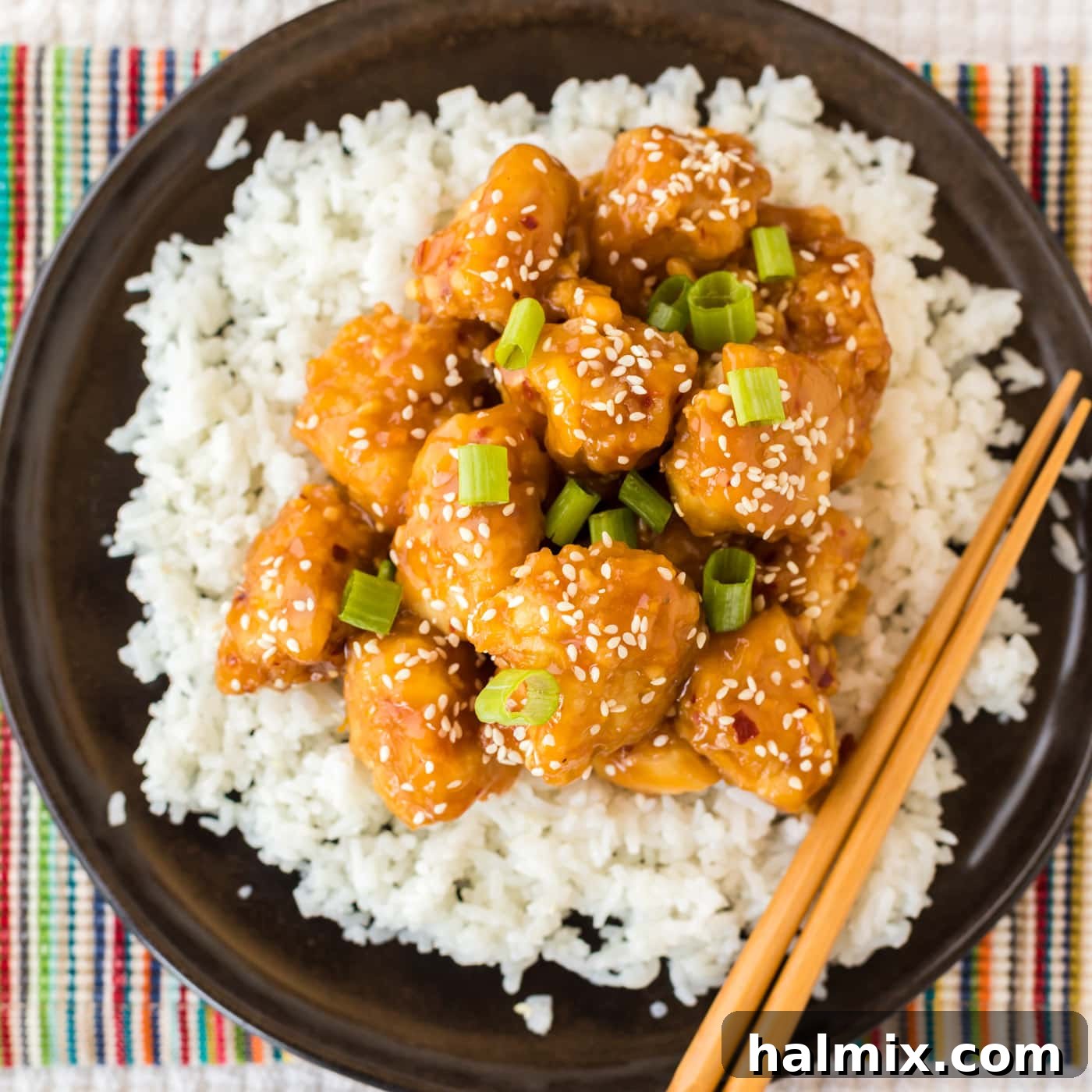
Craving the irresistible taste of your favorite Chinese takeout but want to enjoy it in the comfort of your own home? Look no further! This incredible homemade orange chicken recipe delivers that perfect balance of tangy sweetness and satisfying crispiness, all without the need for a deep fryer or extensive cooking time. Forget the long wait and complicated steps – with this simple skillet method, you can whip up restaurant-quality orange chicken in just 30 minutes, making it an ideal weeknight meal that the whole family will adore.
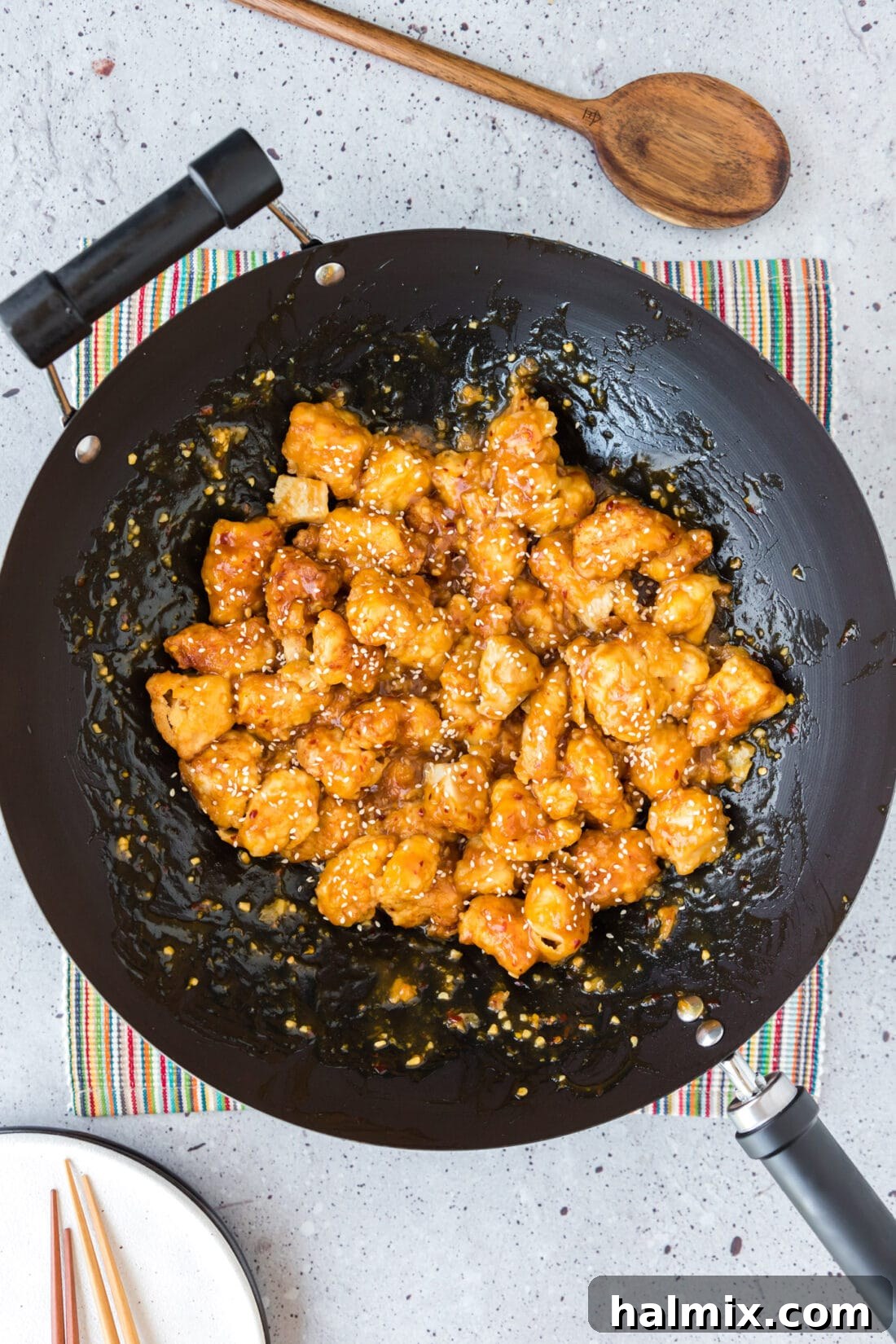
Why This Homemade Orange Chicken Recipe is a Must-Try
Achieving that iconic, delectable orange chicken at home is surprisingly straightforward with our streamlined approach. The secret lies in a few key steps that guarantee maximum flavor and texture. First, we prepare the chicken for ultimate crispness: boneless, skinless chicken breasts are chopped into bite-sized pieces, then expertly dredged in a double coating of flour and egg. This technique creates a robust crust that fries up beautifully, locking in moisture and ensuring every piece is golden and crunchy.
Once coated, the chicken is quickly cooked in a skillet with vegetable oil until it reaches that perfect crisp, golden-brown stage. The beauty of this recipe is its efficiency; while the chicken crisps, you’ll be whisking together a vibrant, homemade orange sauce that truly elevates the dish. This sauce is where the magic happens – a delightful medley of fresh orange juice, aromatic zest, a hint of ginger, savory soy sauce, and a touch of red pepper flakes for a subtle kick. Brown sugar is incorporated to provide a caramelized sweetness that perfectly balances the acidity of the orange and the umami of the soy, creating a complex flavor profile that rivals any takeout joint.
Compared to its cousin, General Tso’s Chicken, our orange chicken recipe leans into a more distinct sweet and tangy profile, though it maintains a savory depth that prevents it from being overly sugary. The generous use of fresh orange juice and zest ensures a bright, authentic citrus flavor that permeates every bite. This recipe isn’t just about recreating a classic; it’s about simplifying the process without compromising on the incredible taste and texture that makes orange chicken a beloved dish worldwide. You’ll be amazed at how quickly and easily you can bring this American-Chinese favorite to your dinner table.
Key Ingredients for Your Perfect Orange Chicken
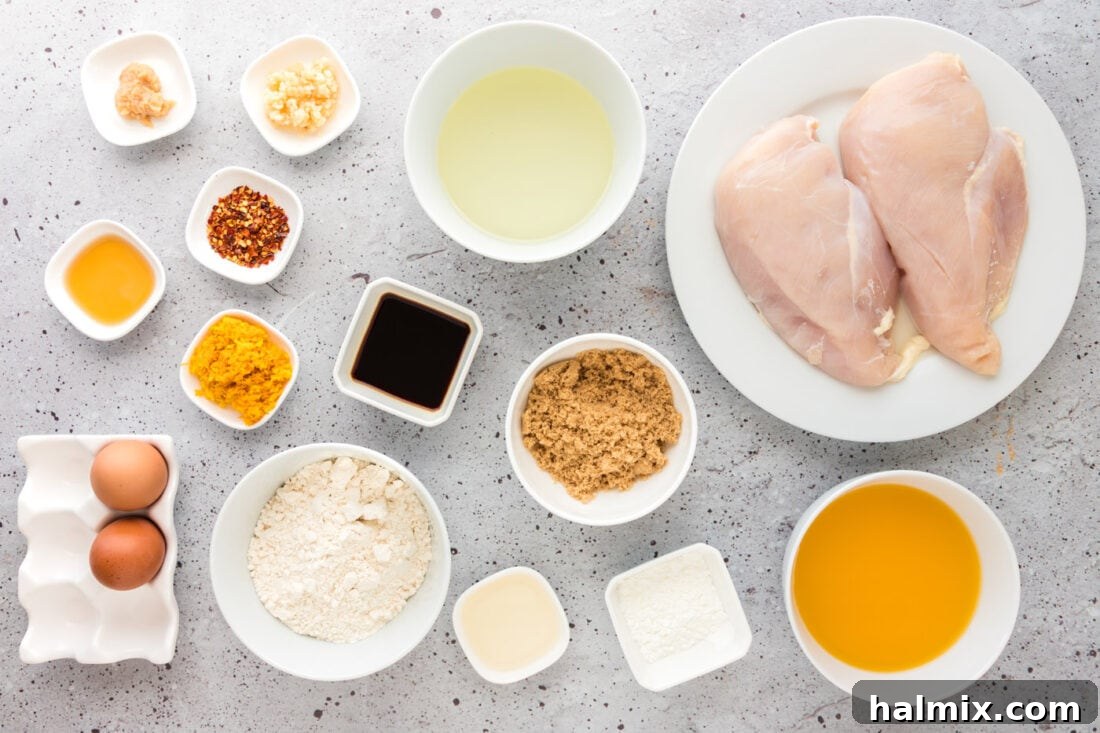
To embark on this delicious culinary adventure, you’ll need a selection of fresh and pantry-staple ingredients. Below is a comprehensive list, but for exact measurements and detailed instructions, be sure to check the printable recipe card towards the end of this post.
Ingredient Spotlight & Expert Substitutions
Understanding the role of each ingredient is crucial for perfecting your orange chicken. Here’s a deeper look into the core components and how you can adapt them:
The Dynamic Duo: Orange Juice and Orange Zest
The name “orange chicken” clearly indicates the star of the show, and that’s precisely why both fresh orange juice and vibrant orange zest are absolutely non-negotiable in this recipe. These two components work synergistically to provide a multi-dimensional citrus flavor that is both bright and deeply aromatic. The juice provides the essential tangy liquid base for our sauce, while the zest contains potent essential oils that amplify the orange flavor, giving it an authentic and fresh taste that bottled juice alone cannot replicate. While bottled orange juice can be used in a pinch, we highly recommend freshly squeezed orange juice for the most superior flavor. The difference is truly remarkable, yielding a more intense and natural orange essence. Typically, 3-4 standard-sized oranges will provide the one cup of juice needed for this recipe, along with ample zest.
Sweet Harmony: Brown Sugar
Brown sugar plays a vital role beyond just adding sweetness; its molasses content introduces a subtle caramel note that enriches the sauce and beautifully balances the tangy and savory elements. This depth of flavor is what makes our orange chicken sauce so incredibly moreish and sticky. If brown sugar isn’t available, granulated white sugar can be used as a direct substitute. However, be aware that the sauce may have a slightly less complex sweetness and might not achieve the same caramelized undertone. Feel free to adjust the amount of sugar to your personal preference, making it sweeter or less sweet as desired.
The Savory Backbone: Soy Sauce, Garlic, Ginger, and Red Pepper Flakes
- Soy Sauce: This provides the fundamental umami and savory depth characteristic of Asian-inspired dishes. For a gluten-free version, tamari can be substituted directly.
- Garlic: Freshly minced garlic is preferred for its pungent aroma and flavor. Jarred minced garlic works as a convenient alternative.
- Ginger: Freshly grated ginger offers a bright, zesty warmth that complements the orange beautifully. If using jarred ginger, reduce the amount slightly as it can be more potent.
- Red Pepper Flakes: These add a gentle warmth and a subtle kick, balancing the sweetness. Adjust the quantity to control the spice level – omit for mild, or add more for extra heat.
The Thickener: Cornstarch
Cornstarch is essential for achieving the perfect sticky, glossy consistency of the orange sauce. It creates a smooth, velvety texture that clings to the crispy chicken pieces. Always mix cornstarch with a cold liquid (like water) to form a slurry before adding it to hot sauces to prevent lumps. This ensures a beautifully smooth and thick sauce every time.
Step-by-Step Guide: How to Make Crispy Orange Chicken
These step-by-step photos and instructions are here to help you visualize how to make this recipe. You can Jump to Recipe to get the printable version of this recipe, complete with measurements and instructions at the bottom.
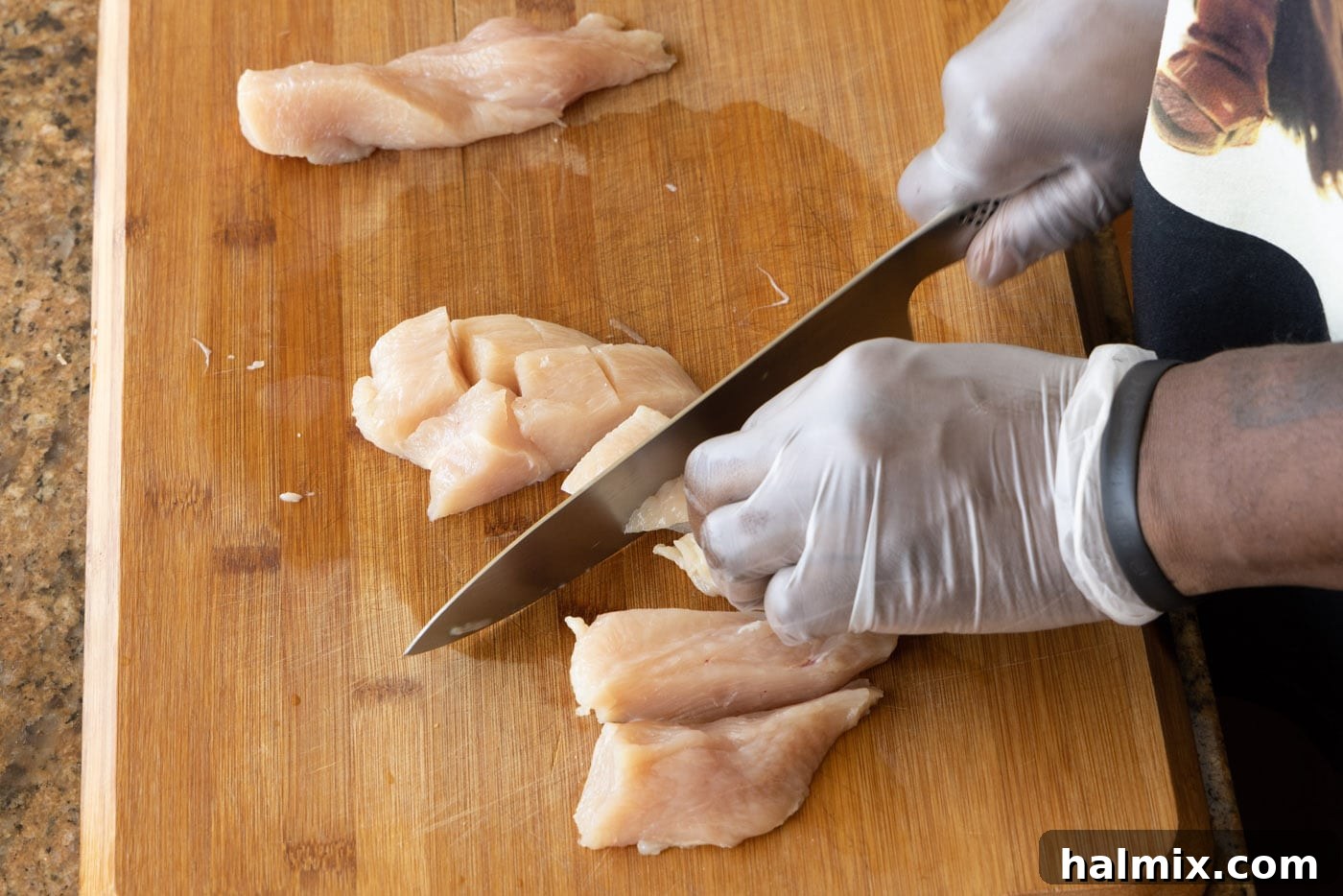
- Prepare the Chicken: Begin by taking your boneless, skinless chicken breasts and chopping them into uniform, bite-sized chunks, roughly 1-inch pieces. Consistency in size helps ensure even cooking.
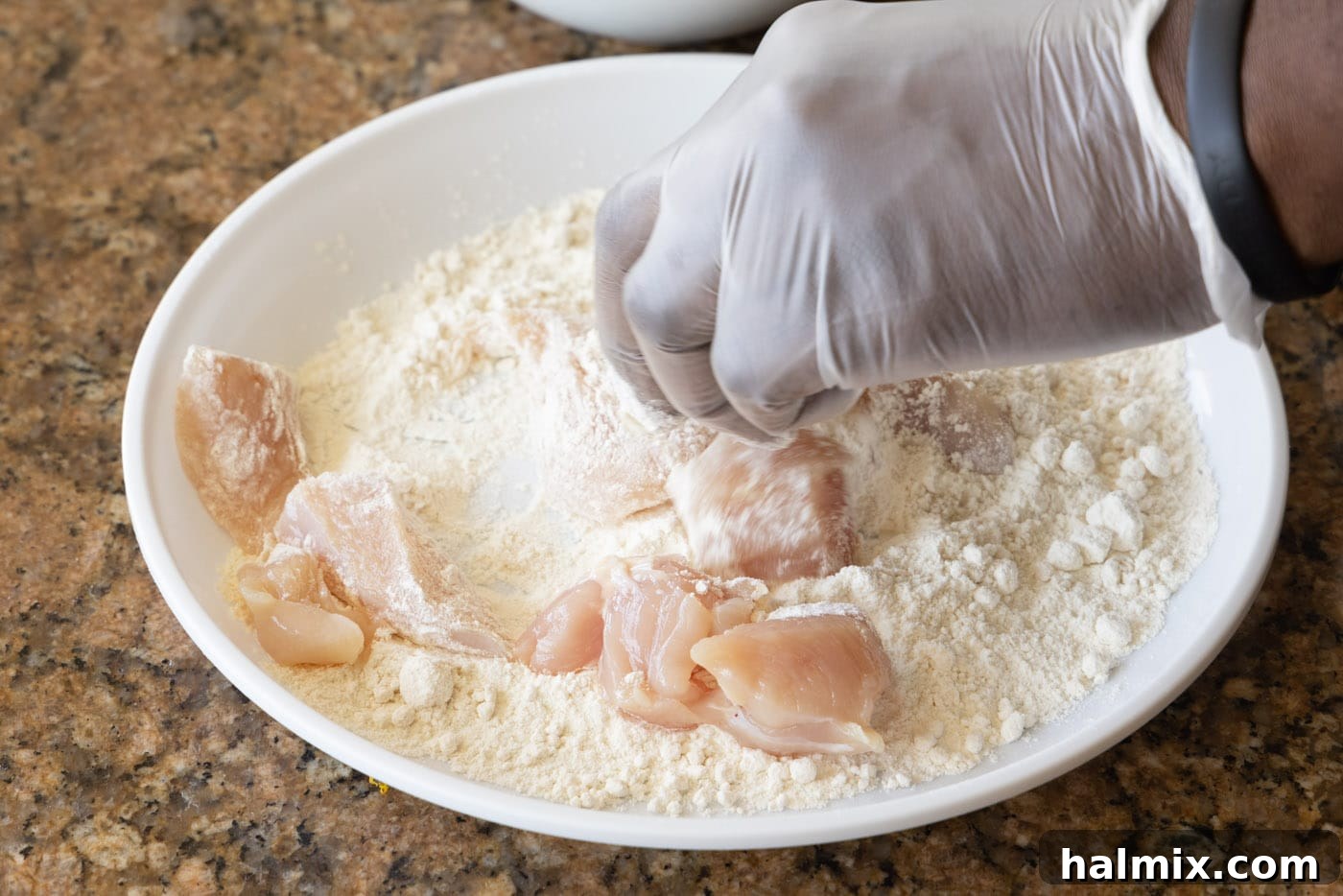
- Set Up Your Dredging Station: Arrange three separate stations: one plate with 1 cup of all-purpose flour, one shallow dish with 2 whisked large eggs, and another plate with an additional 1 cup of all-purpose flour. This setup makes the coating process efficient and mess-free.
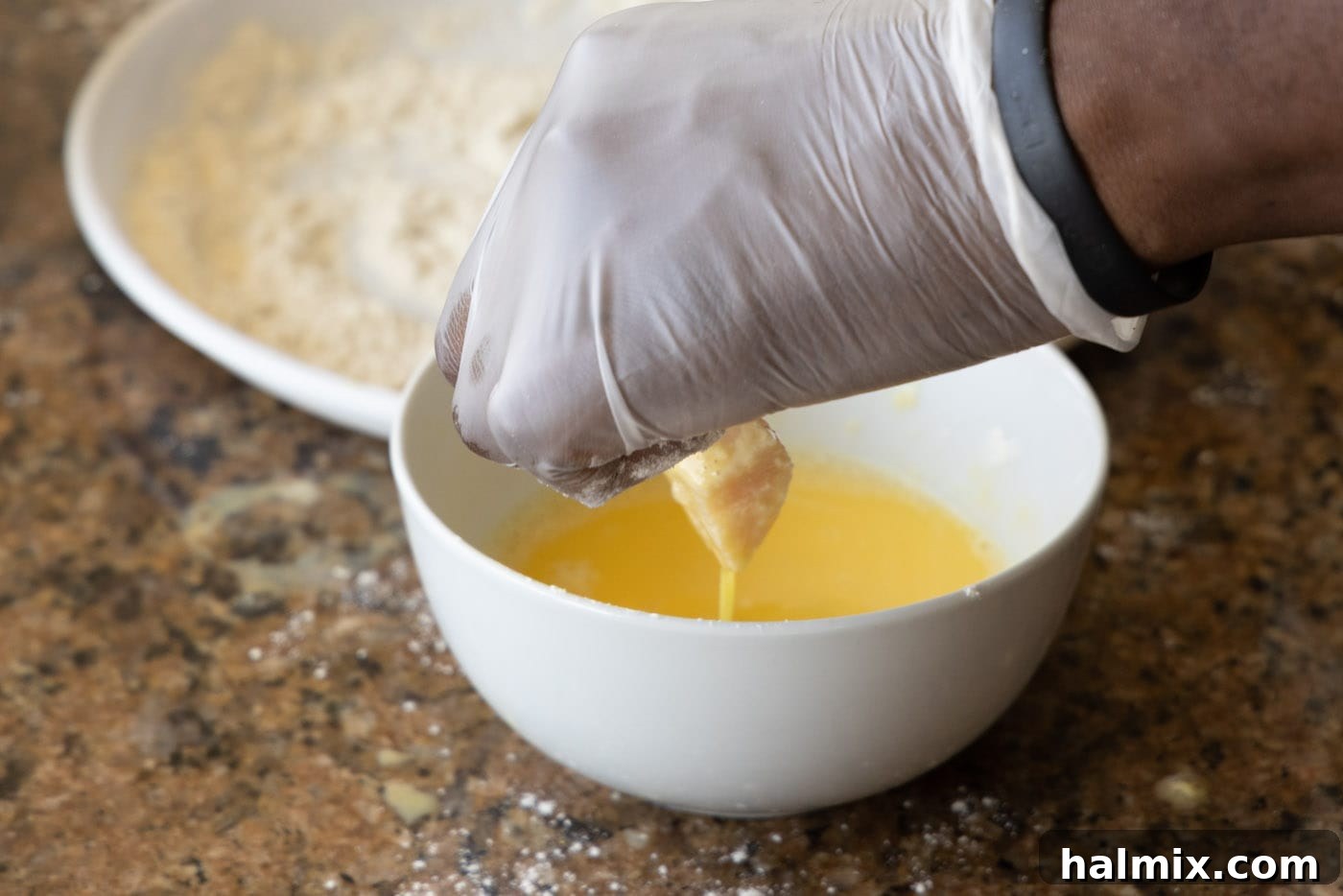
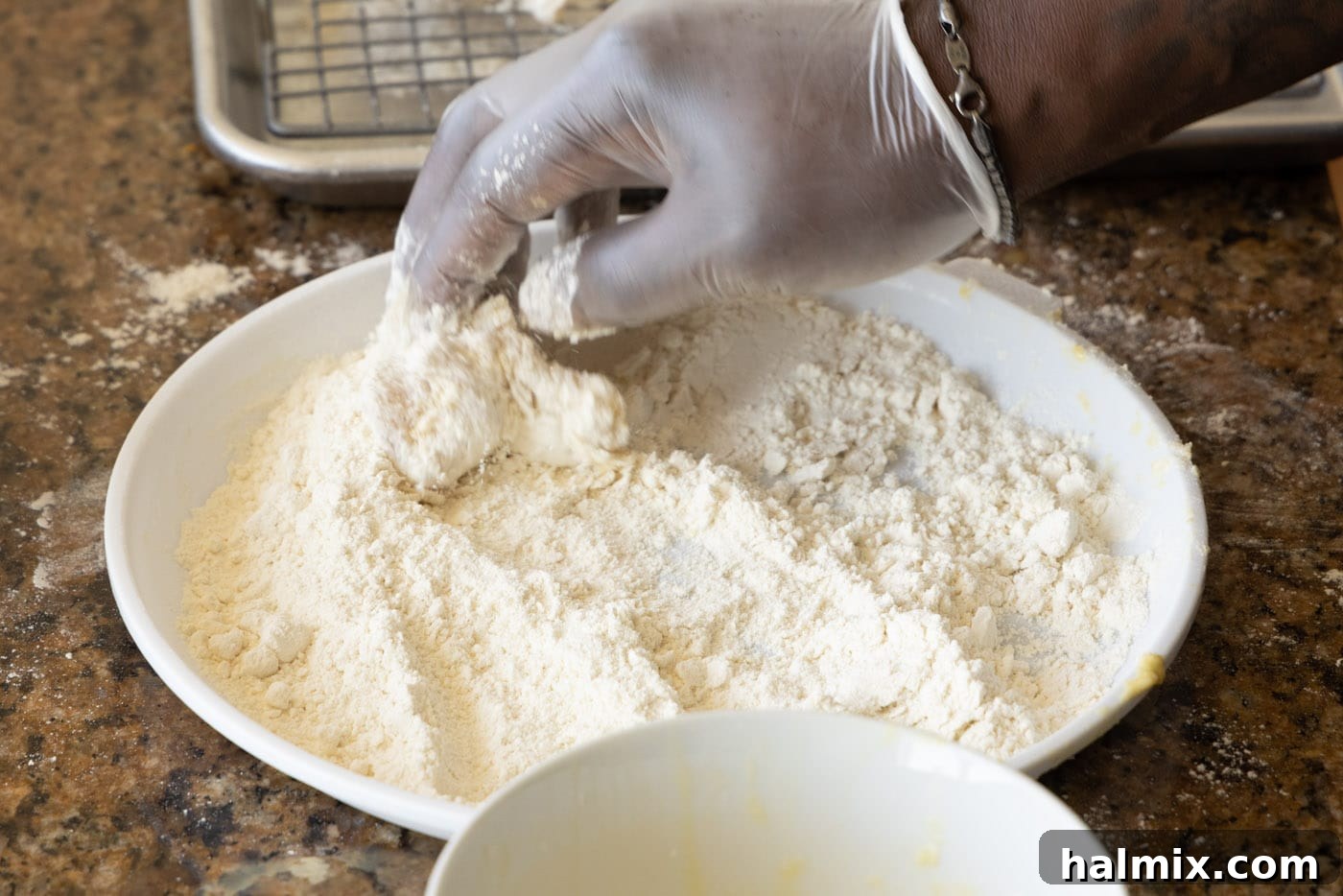
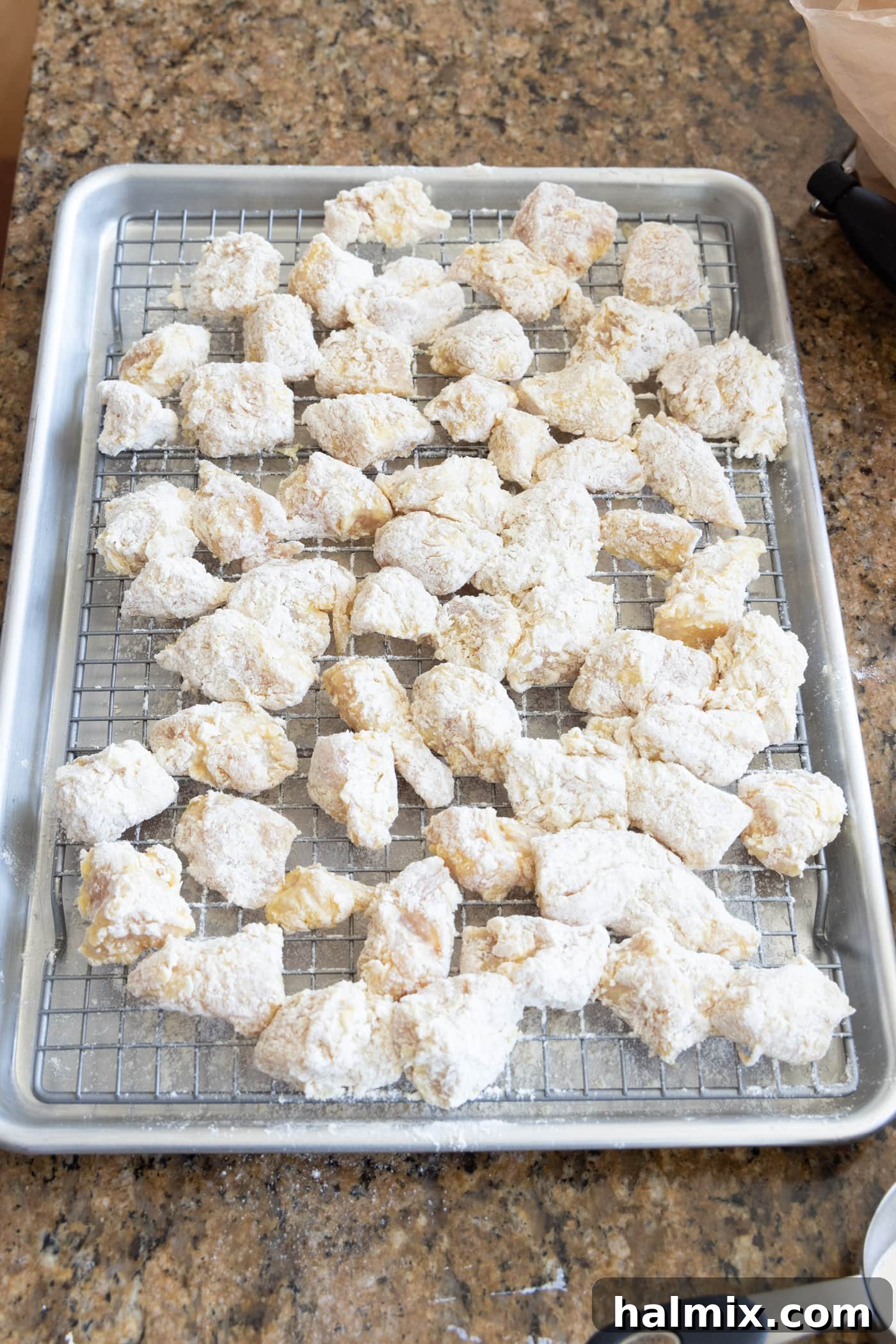
- Coat the Chicken for Crispiness: Take each chicken piece and first dredge it thoroughly in the first flour plate, ensuring it’s completely covered. Shake off any excess. Next, dip the flour-coated chicken into the whisked eggs, letting any extra egg drip off. Finally, return the chicken to the second flour plate and coat it again, pressing gently to adhere the flour. This double-dredging technique is key to achieving that satisfyingly crispy exterior. Place the coated chicken pieces on a wire rack as you go, to prevent them from sticking together. Repeat this process for all chicken pieces.
- Heat the Oil: Pour about 1 cup of vegetable oil into a large heavy-bottomed skillet or a Dutch oven. Heat the oil over medium-high heat until it shimmers and reaches approximately 350-375°F (175-190°C). You can test the oil by dropping a tiny pinch of flour; it should sizzle immediately.
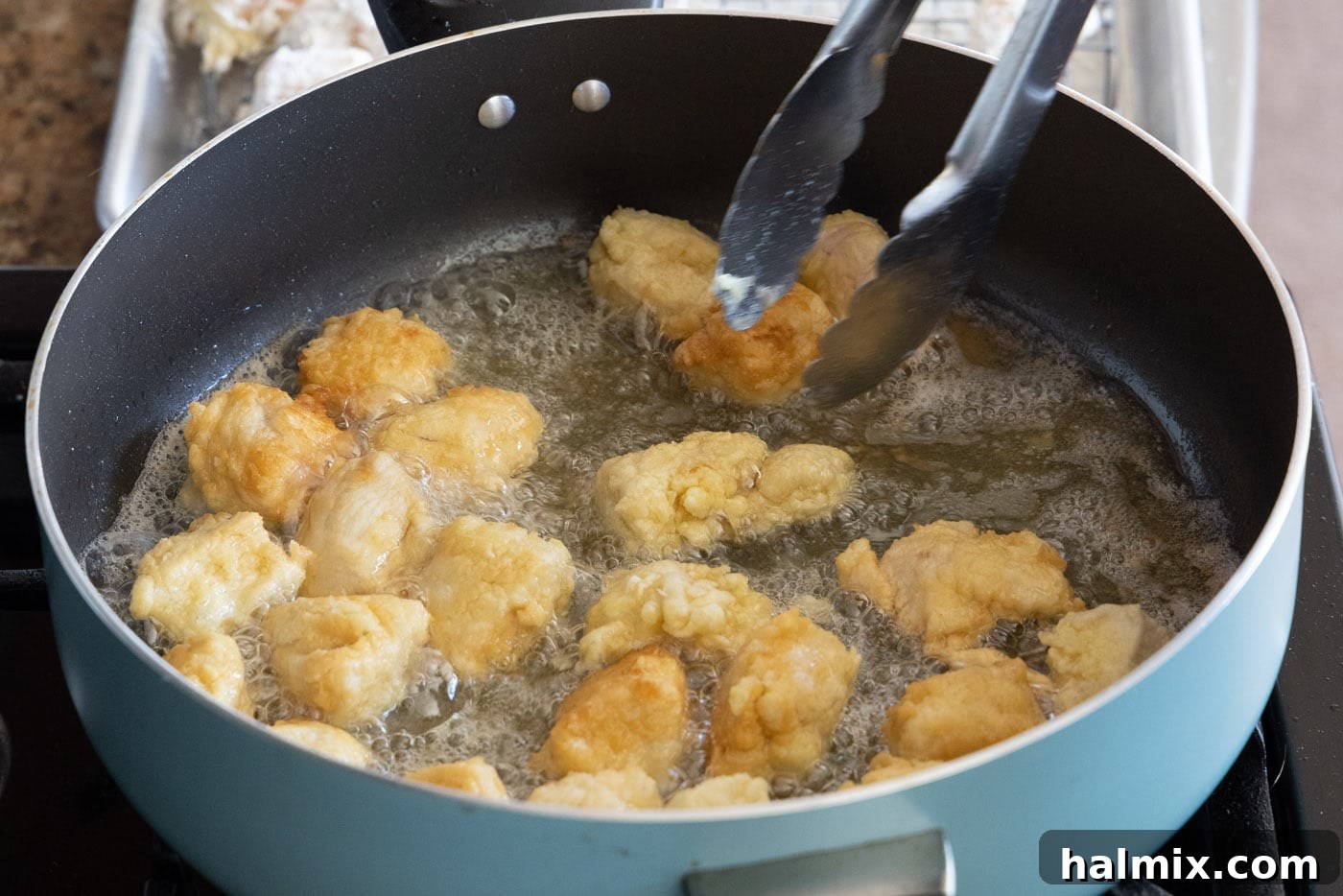
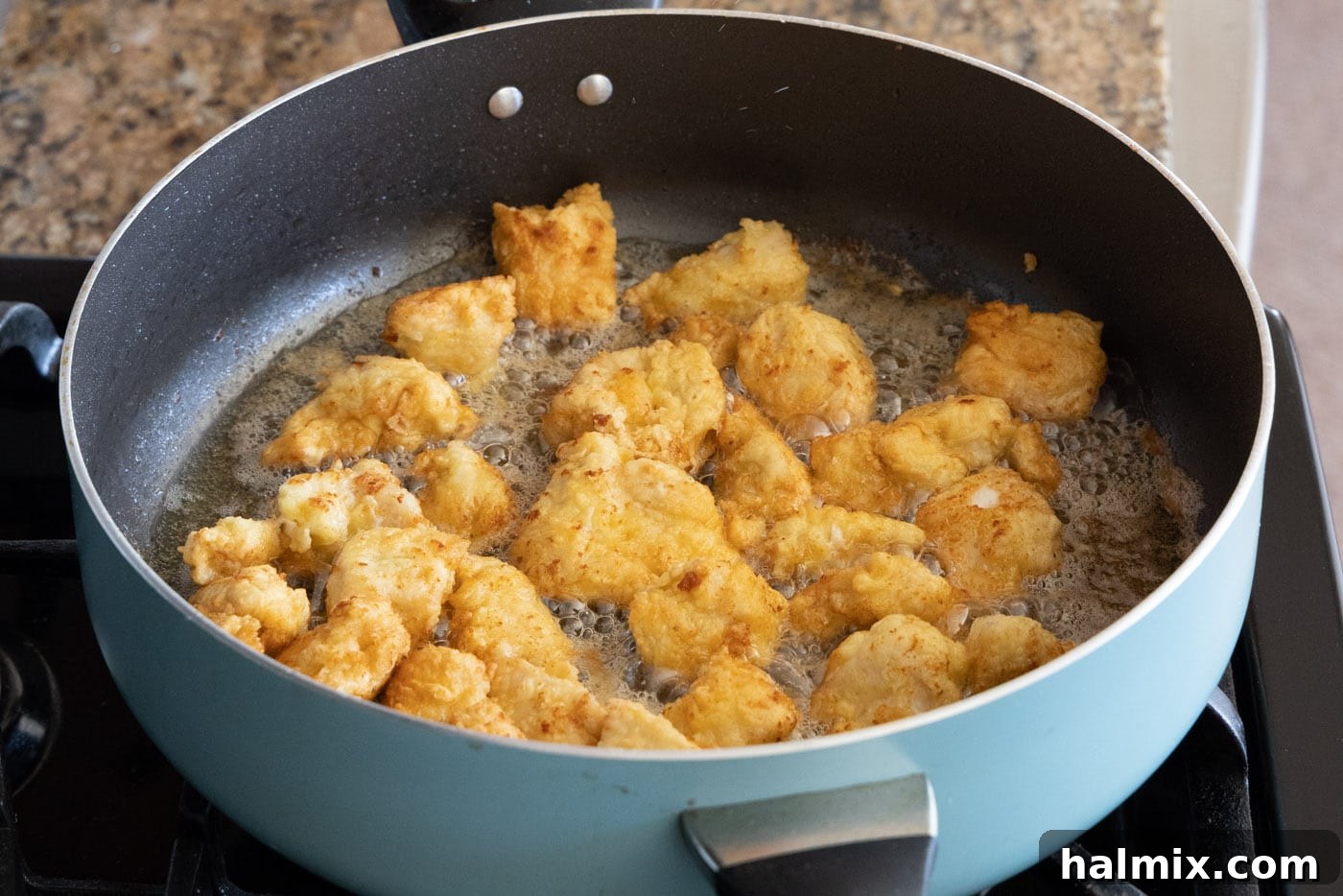
- Fry the Chicken: Carefully add the coated chicken pieces to the hot oil in batches, ensuring not to overcrowd the skillet. Overcrowding will lower the oil temperature and result in soggy, rather than crispy, chicken. Cook each batch for about 2-3 minutes per side, or until the chicken is cooked through and beautifully golden brown. Use tongs to turn the pieces to ensure even cooking.
- Drain Excess Oil: Once cooked, remove the golden-brown chicken pieces from the skillet and transfer them to a plate lined with paper towels to drain any excess oil. This helps maintain their crispiness while you prepare the sauce.
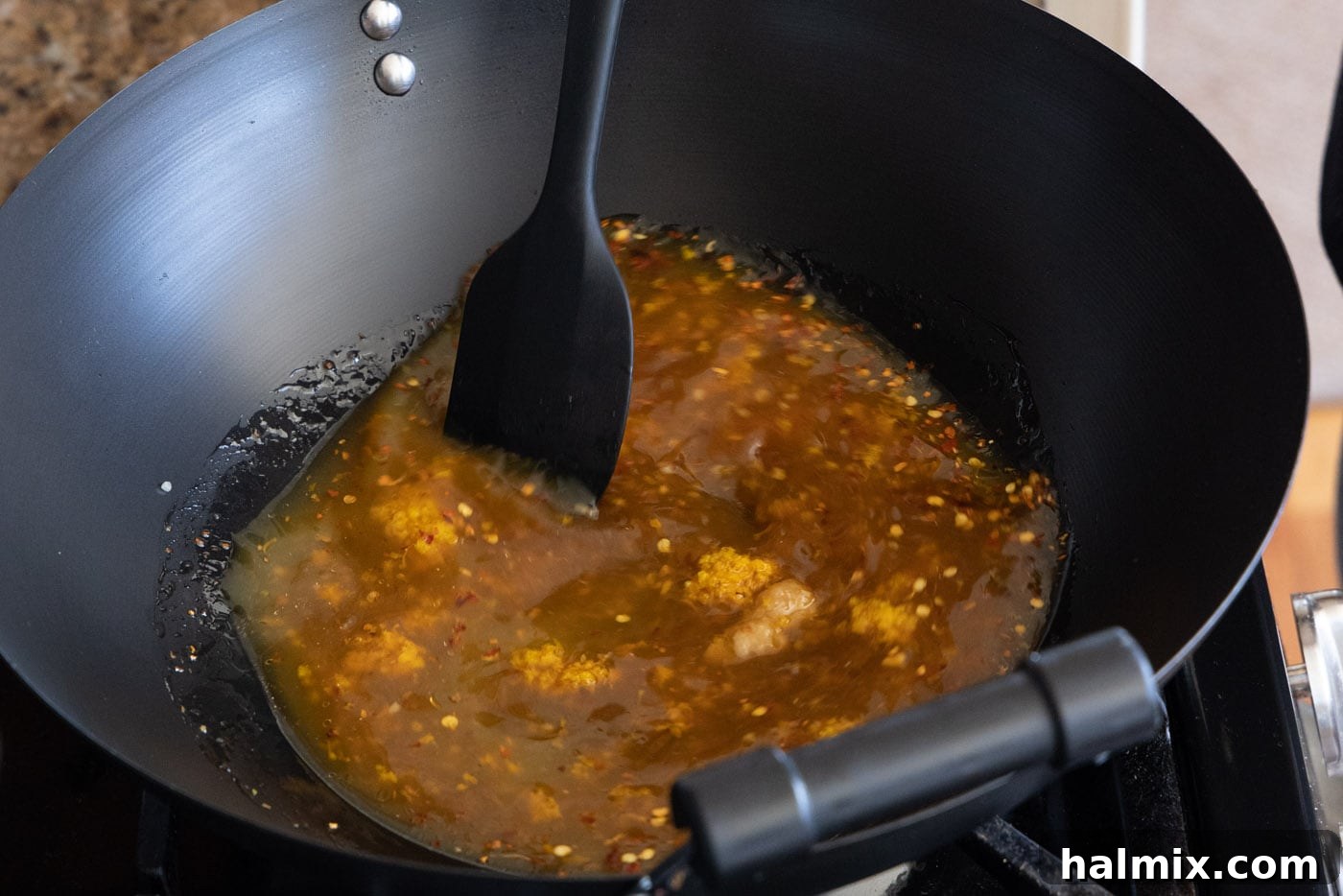
- Prepare the Orange Sauce: In a separate, clean skillet or a wok, combine all the sauce ingredients EXCEPT the cornstarch. Whisk them together thoroughly until well combined. Cook this mixture over medium heat, stirring occasionally, until it begins to bubble gently. The aromas will start to fill your kitchen at this point!
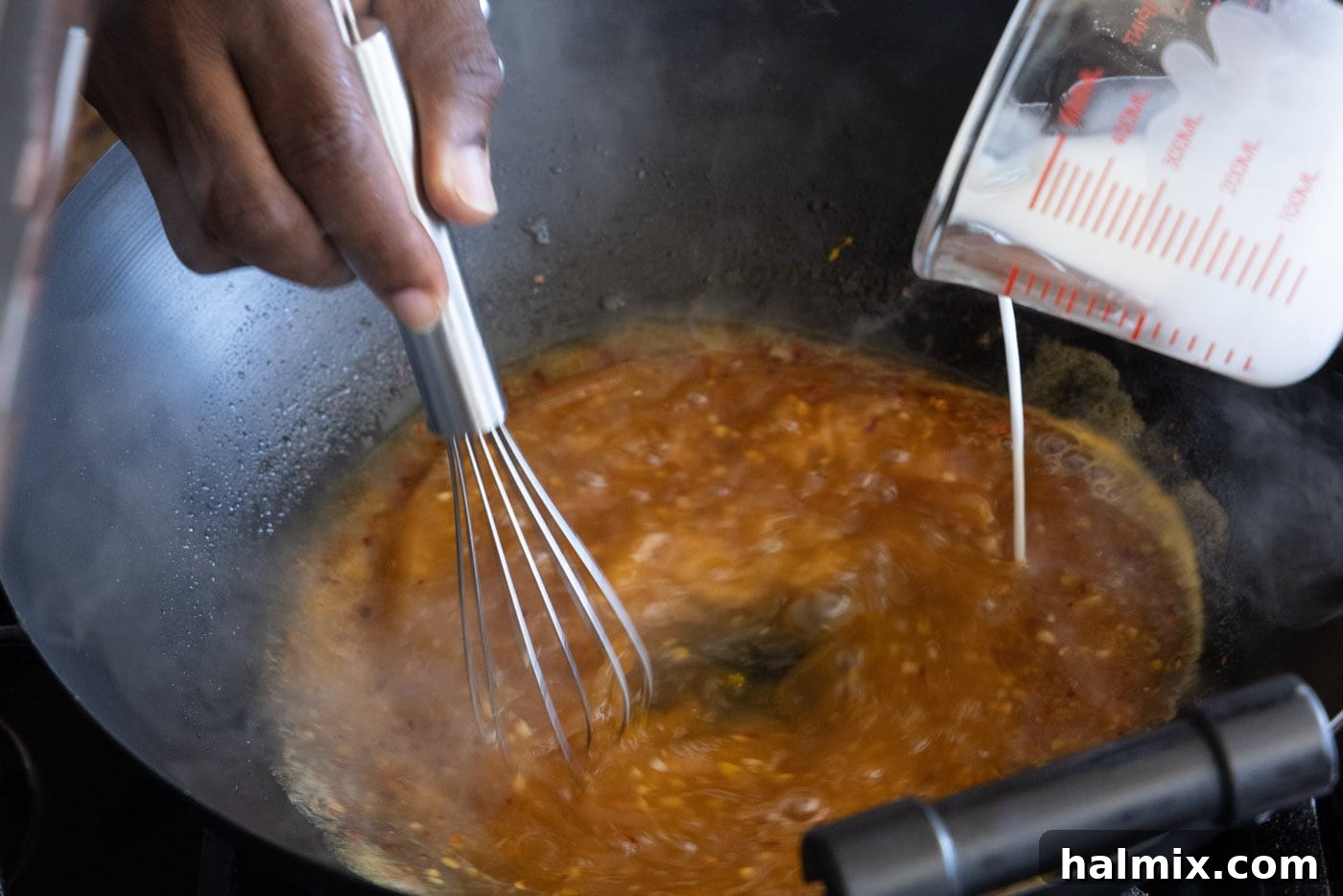
- Thicken the Sauce: While the sauce is heating, prepare a cornstarch slurry. In a small bowl, whisk about 1/2 cup of cold water into the 1/2 tablespoon of cornstarch until no lumps remain. Once your main sauce mixture is bubbling, slowly pour the cornstarch slurry into it, whisking continuously. Continue to cook and whisk until the sauce thickens to your desired consistency – it should be glossy and able to coat the back of a spoon.
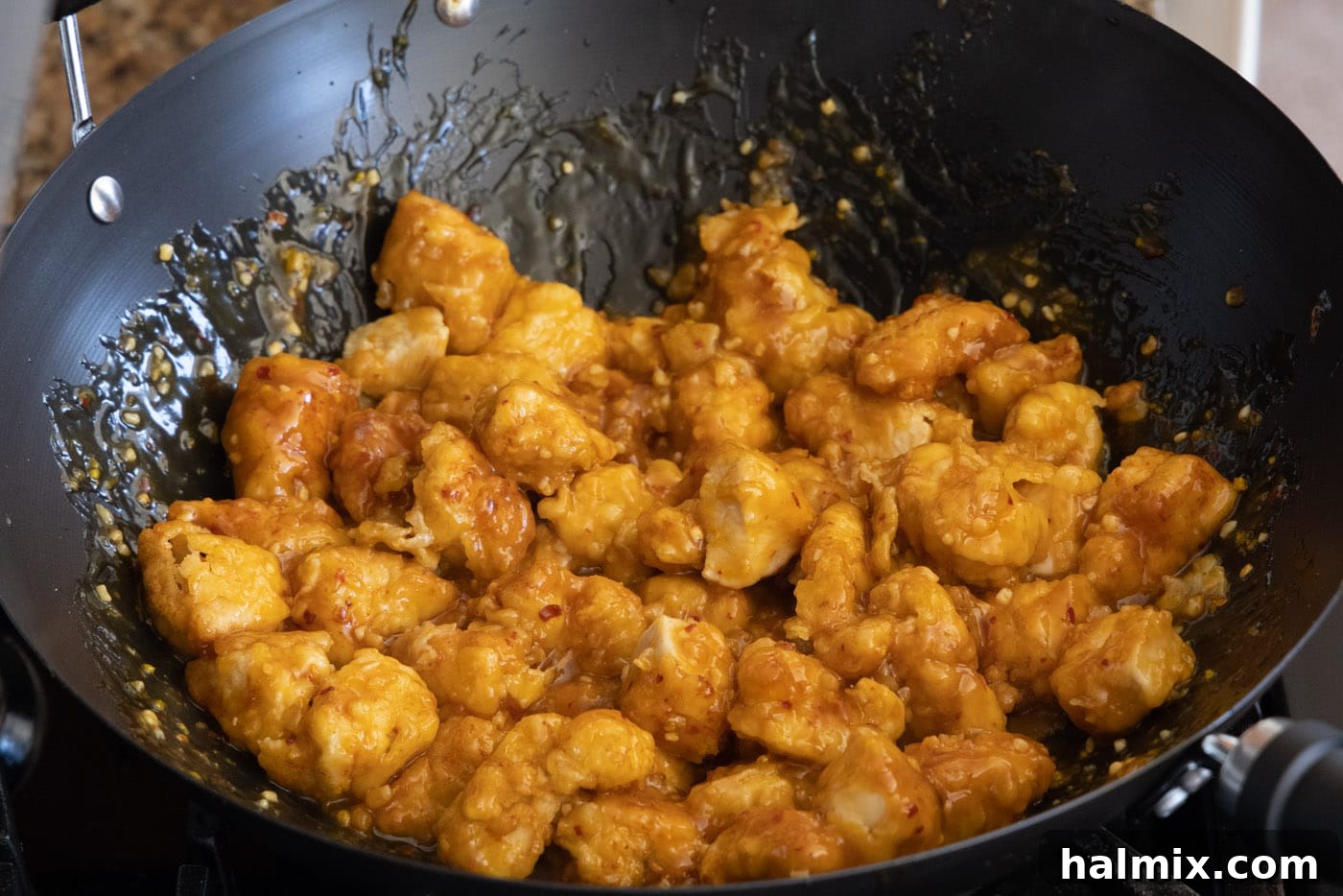
- Combine Chicken and Sauce: Add the cooked, crispy chicken pieces into the thickened orange sauce. Gently toss the chicken to coat it evenly with the sticky, flavorful sauce. Be careful not to stir too vigorously, as you want to preserve the crispy coating on the chicken. Serve immediately and enjoy!
Frequently Asked Questions & Expert Tips for Success
Store any leftover orange chicken in an airtight container in the refrigerator for up to 4 days. For the best results when reheating, we highly recommend using an air fryer. This method helps to revive the chicken’s crispiness. Alternatively, you can reheat it in a skillet over low-medium heat with a dash of water or a little extra sauce to loosen it up. While the microwave is an option for convenience, be aware that the chicken coating tends to lose its crispness and can become soggy when reheated this way.
Absolutely! While this specific recipe features chicken, it’s easily adaptable for a vegetarian diet. You can follow the same breading and frying instructions provided in our General Tso’s Cauliflower recipe to create crispy cauliflower nuggets. Once your cauliflower is prepared, simply toss it with the homemade orange sauce from this recipe for a delightful vegetarian orange “chicken” experience. You can also experiment with plant-based chicken substitutes or firm tofu for similar results.
Boneless, skinless chicken breasts are typically recommended for orange chicken due to their lean nature and ease of cutting into uniform pieces. However, boneless, skinless chicken thighs can also be used for a slightly juicier and more flavorful result, though they may require a minute or two longer to cook. Ensure all chicken is cut into similar-sized chunks for even cooking.
Several factors contribute to ultra-crispy chicken. First, the double dredging in flour and egg creates a thicker, more resilient coating. Second, ensure your oil is at the correct temperature (350-375°F or 175-190°C) before adding the chicken. If the oil isn’t hot enough, the coating will absorb too much oil and become greasy. Third, do not overcrowd the skillet. Fry in batches to maintain the oil’s temperature and allow each piece to cook evenly and crisp up properly. Lastly, draining on a wire rack after frying prevents the bottom from getting soggy.
Yes, absolutely! The orange sauce can be prepared up to 2-3 days in advance and stored in an airtight container in the refrigerator. When ready to use, gently reheat it over medium heat, whisking constantly. You might need to add a tiny splash of water or orange juice if it has thickened too much in the fridge. Preparing the sauce in advance makes this 30-minute meal even faster on a busy weeknight.
The red pepper flakes in the sauce provide a mild heat. If you prefer a milder dish, you can reduce the amount of red pepper flakes or omit them entirely. For those who enjoy more heat, increase the amount of red pepper flakes to 1.5 or 2 teaspoons, or add a pinch of cayenne pepper to the sauce for an extra kick.
Perfect Pairings & Serving Ideas
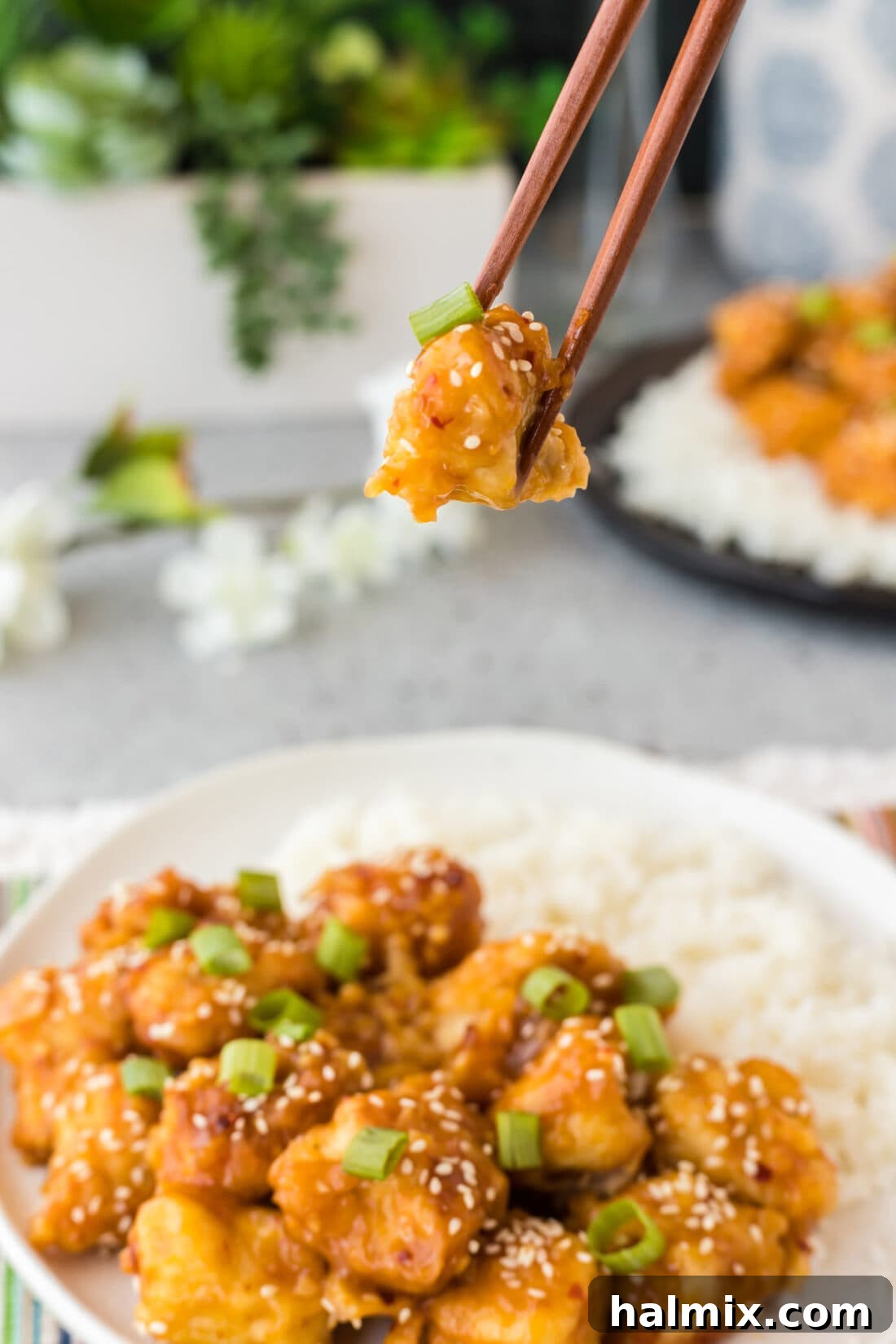
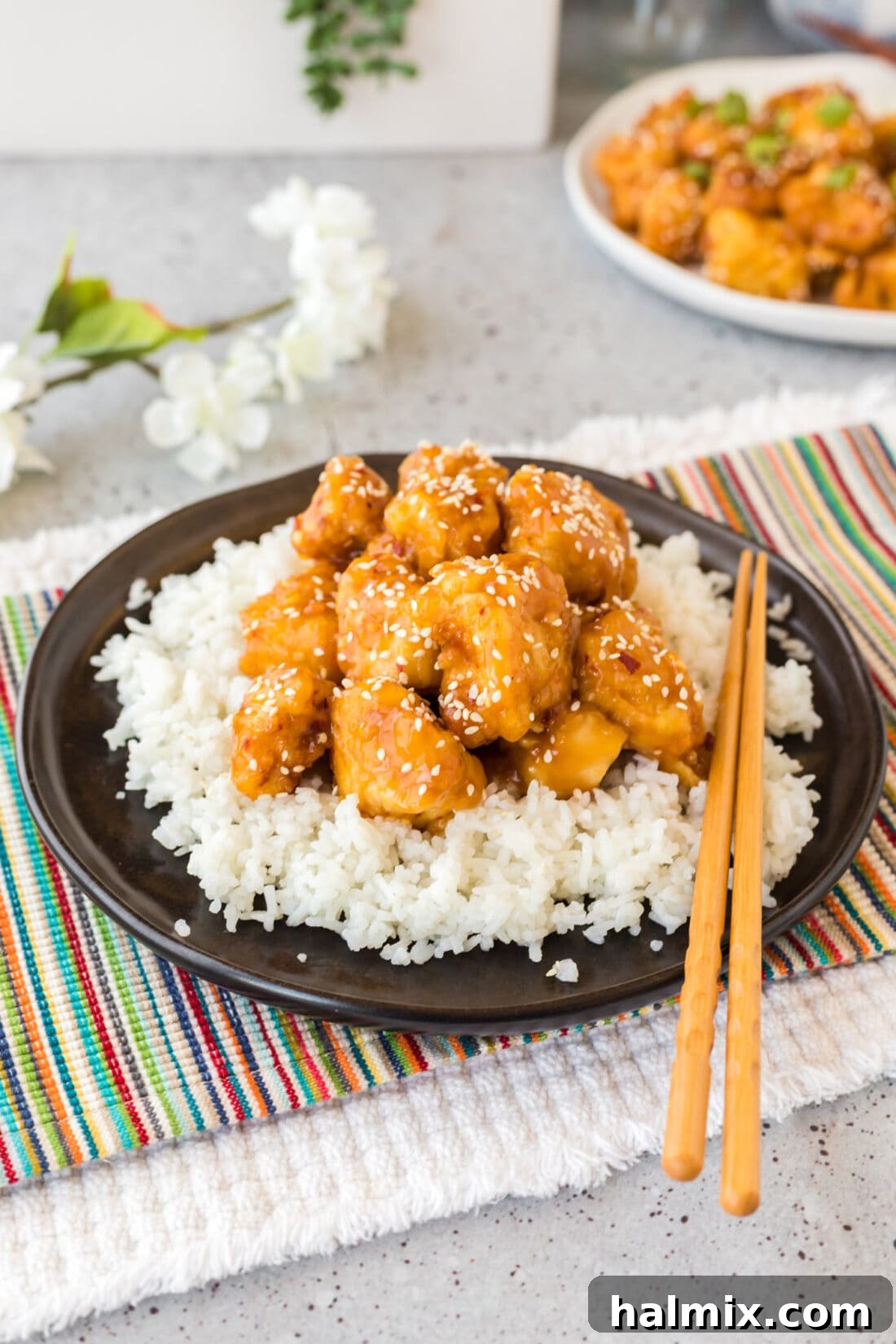
Orange chicken is a complete meal in itself, but it truly shines when served with complementary side dishes. The most classic pairing is a generous bed of fluffy white rice, which soaks up all the delicious sticky sauce. For a healthier alternative, consider cauliflower rice. If you want to elevate your meal, homemade fried rice or even some simple steamed noodles make excellent choices. Garnish your orange chicken with a sprinkle of toasted sesame seeds for added texture and nutty flavor, or a handful of thinly sliced green onions for a fresh, zesty finish and a pop of color. Don’t forget a side of steamed broccoli or stir-fried vegetables to complete your takeout-style feast.
More Takeout-Style Favorites to Try
If you loved this orange chicken, you’ll definitely want to explore these other fantastic recipes that bring the flavors of your favorite Asian restaurants right into your kitchen:
- Chow Mein: A classic noodle dish that’s quick and satisfying.
- Bourbon Chicken: Sweet, savory, and incredibly tender.
- Honey Walnut Shrimp: A luxurious and delightful seafood option.
- General Tso Chicken: Another iconic crispy chicken dish with a spicy, savory sauce.
- Sticky Garlic Cauliflower: A fantastic vegetarian alternative or side dish.
I love to bake and cook and share my kitchen experience with all of you! Remembering to come back each day can be tough, that’s why I offer a convenient newsletter every time a new recipe posts. Simply subscribe and start receiving your free daily recipes!
Orange Chicken
IMPORTANT – There are often Frequently Asked Questions within the blog post that you may find helpful. Simply scroll back up to read them!
Print It
Pin It
Rate It
Course: Dinner
Cuisine: American, Chinese
Ingredients
- 2 pounds boneless skinless chicken breasts
- 2 cups all-purpose flour
- 2 large eggs
- 1 cup vegetable oil
Sauce
- 1 cup orange juice freshly squeezed or bottled
- ½ cup brown sugar
- 1 Tablespoon minced garlic
- 1 teaspoon red pepper flakes
- zest of one orange
- 2 Tablespoons soy sauce
- ½ teaspoons ginger jarred or fresh
- 1 Tablespoon rice wine vinegar
- ½ teaspoon sesame oil
- ½ Tablespoon cornstarch
Things You’ll Need
-
Large heavy bottomed skillet
-
Vinyl gloves
Before You Begin
- We used a heavy-bottom skillet to make the chicken and a wok to make the sauce. When cooking the chicken, you want an even cooking surface, which a wok doesn’t have. You do not need to use a wok at all, a saucepan will work fine for making the sauce. Then simply clean the oil out of the skillet you cooked the chicken in and use it to combine the sauce and chicken.
- Both the orange juice and the orange zest are key ingredients. I wouldn’t recommend substituting or omitting them. You can use either freshly squeezed orange juice or the bottled variety. Both will work, though I suggest going with the freshly squeezed juice for the most flavor, I promise it makes a difference. 3-4 standard size oranges should yield 1 cup worth of juice.
- The brown sugar really helps balance out all the flavors in the sauce. It adds a bit of a caramelized taste. You can substitute with granulated white sugar if desired.
- Store leftover orange chicken in an air-tight container kept in the refrigerator for up to 4 days. I would recommend reheating it in the air fryer if you have one, or tossing it over low-medium heat in a skillet with a dash of water to loosen the sauce. You can pop it in the microwave if needed, but the coating on the chicken tends to get soggy when reheated this way.
Instructions
-
Chop chicken into chunks.
-
Create a dipping station, 1 cup flour on a plate, whisked eggs in a dish, 1 cup flour on a plate.
-
Dredge chicken pieces in flour, dip in whisked egg, then dredge in flour again. Place chicken on wire rack.
-
Repeat for all chicken pieces.
-
Heat vegetable oil in a heavy bottomed skillet over medium-high heat until shimmering.
-
Add chicken pieces to the hot oil, being careful not to crowd, and cook about 2 minutes, then turn and cook a few minutes more. The finished chicken will be golden brown.
-
Remove chicken to paper towels.
-
To a clean skillet or wok, add all sauce ingredients except the cornstarch. Whisk together and cook over medium heat until bubbling.
-
Meanwhile, whisk enough water into the cornstarch to make a slurry (about 1/2 cup). When well combined, pour slowly into sauce mixture, whisking continuously. Allow to thicken then add cooked chicken in. Gently stir, you don’t want to tear off the coating.
Nutrition
Serving: 1serving
|
Calories: 770cal
|
Carbohydrates: 56g
|
Protein: 40g
|
Fat: 43g
|
Saturated Fat: 7g
|
Polyunsaturated Fat: 22g
|
Monounsaturated Fat: 10g
|
Trans Fat: 0.3g
|
Cholesterol: 159mg
|
Sodium: 546mg
|
Potassium: 759mg
|
Fiber: 1g
|
Sugar: 22g
|
Vitamin A: 317IU
|
Vitamin C: 23mg
|
Calcium: 48mg
|
Iron: 3mg
Tried this Recipe? Pin it for Later!
Follow on Pinterest @AmandasCookin or tag #AmandasCookin!
The recipes on this blog are tested with a conventional gas oven and gas stovetop. It’s important to note that some ovens, especially as they age, can cook and bake inconsistently. Using an inexpensive oven thermometer can assure you that your oven is truly heating to the proper temperature. If you use a toaster oven or countertop oven, please keep in mind that they may not distribute heat the same as a conventional full sized oven and you may need to adjust your cooking/baking times. In the case of recipes made with a pressure cooker, air fryer, slow cooker, or other appliance, a link to the appliances we use is listed within each respective recipe. For baking recipes where measurements are given by weight, please note that results may not be the same if cups are used instead, and we can’t guarantee success with that method.